Walk into a well-run Halal restaurant in Naperville and you’ll feel the difference before you taste it. There’s a steadiness to the room: a team moving with purpose, a grill station that’s tidy even in the dinner rush, and a sense that every task—marinating, chopping, grilling, plating—follows a clear rhythm. Behind that calm is a set of preparation standards that protect both flavor and faith. These standards aren’t just checkboxes; they’re daily habits that keep the kitchen honest and the food consistently good.
Halal preparation begins long before the chicken hits the marinade. It starts with sourcing—selecting suppliers who provide documentation that the meat meets Halal requirements. Responsible kitchens in Naperville maintain relationships with trusted vendors and keep records on hand for staff and, when appropriate, for guests who ask. That paper trail matters. It creates accountability and makes it easier to audit the process when training new team members or onboarding a new ingredient.
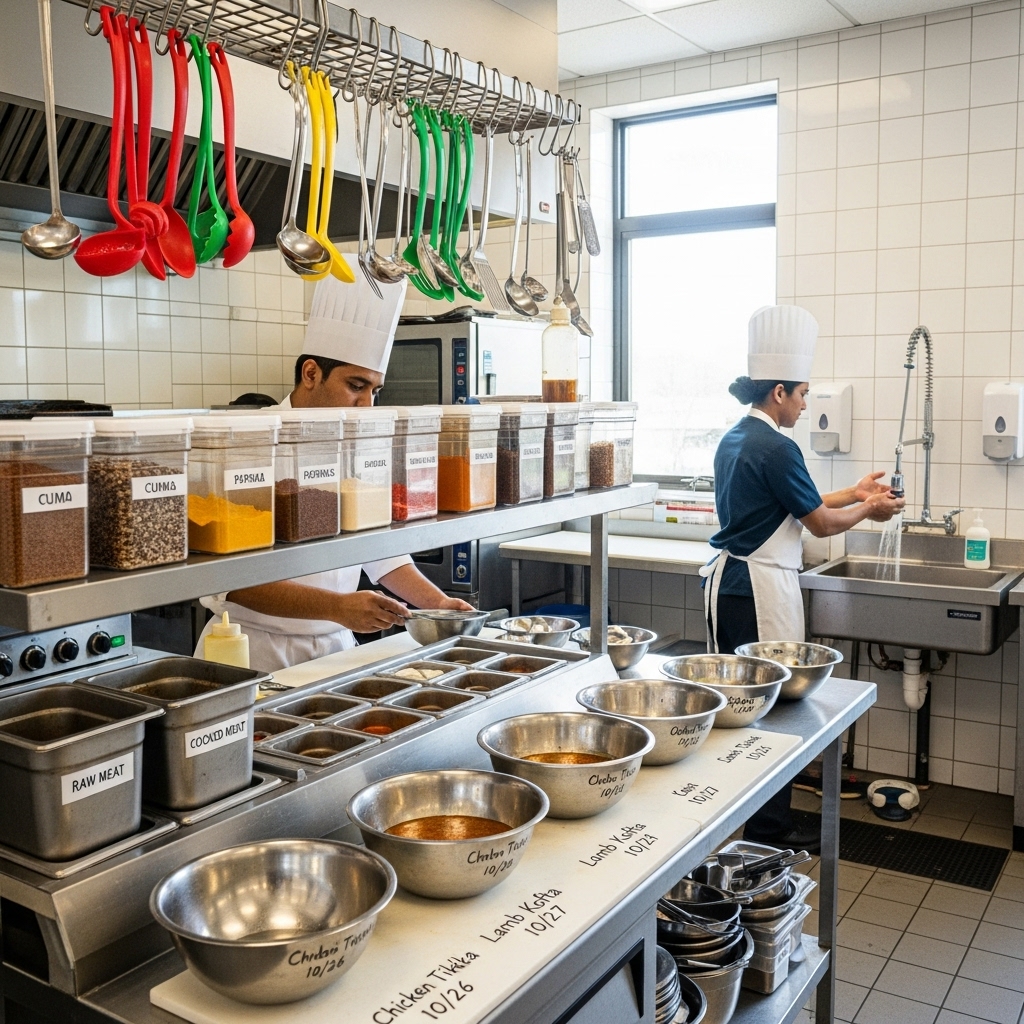
Receiving and storage are the next checkpoints. A disciplined kitchen verifies deliveries upon arrival, checks temperatures, and rejects anything that doesn’t meet specs. Meat is stored separately from produce, raw items below cooked items, and everything labeled with dates. Color-coded bins and shelves make it impossible to mistake raw chicken for ready-to-eat foods. It may look like overkill, but those simple systems prevent a world of problems later.
Preparation areas tell their own story. In kitchens that respect Halal integrity, you’ll see dedicated cutting boards and knives for raw meats, separate tools for cooked items, and distinct zones for vegetables and bread. Staff wash hands frequently and change gloves between tasks rather than treating gloves as a magic shield. The goal is to prevent cross-contamination at every step, not just when a health inspector is watching. That rigor ensures the flavors stay clean and the food aligns with Halal standards.
Marination, seasoning, and ingredient integrity
Marinades are the soul of many Halal dishes, especially chicken. A thoughtful marinade balances acid (lemon or yogurt), aromatics (garlic and ginger), and spices (cumin, coriander, paprika, turmeric) in a way that penetrates without overpowering. Legit kitchens keep a written formula and measure carefully so each batch tastes the same. They also track marination times; too short and the flavor won’t take, too long and the texture can suffer. Labeling tubs with time and date prevents guesswork during busy hours.
Ingredient integrity extends to the small stuff. A kitchen that understands Halal standards pays attention to the origins of gelatin, emulsifiers, and flavor concentrates. They confirm vinegar types and avoid questionable additives. Even seemingly minor decisions—like which brand of mustard or which thickener to use—are reviewed for compliance. That diligence shows up in the taste: sauces feel clean, not muddy; spice blends read as distinct notes rather than a blur.
Seasoning is as much about restraint as it is about boldness. The best Halal kitchens in Naperville aim for balance. Garlic should taste like garlic, not overshadow everything. Lemon should brighten without turning sharp. Salt should bring flavors into focus, not announce itself. That kind of seasoning discipline only happens when a team measures, tastes, and adjusts constantly, treating recipes as living documents that improve with experience.
Heat, timing, and the art of the grill
Cooking is a dance between heat and time. On the grill, cooks rotate skewers through hotter and cooler zones, monitor color carefully, and let meat rest so juices redistribute. In a sauté pan or oven, they time sauces to reduce without breaking and adjust flame so spices bloom rather than burn. Those details might seem small, but they form the backbone of consistent quality. If you’ve ever cut into chicken that’s juicy from edge to center, you’ve tasted a kitchen that respects both temperature and patience.
Fryers deserve special attention in Halal preparation. Dedicated fryers for Halal items—and ideally separate baskets for different categories—protect standards and flavor. Oil is filtered on schedule, replaced before it turns, and logged so no one guesses. Cross-contact is addressed proactively: no sneaking non-Halal items into a fryer “just this once,” no shortcuts when the rush hits. That level of consistency is part of what earns community trust in Naperville.
On the tandoor or a high-heat oven, timing is visible to the dining room. Bread should arrive soft and blistered, not brittle. Meats should carry char at the edges without tasting scorched. Great kitchens cue servers to deliver these items immediately, preserving the texture that makes them irresistible. Communication between line and floor matters; a perfectly cooked skewer loses impact if it sits for five minutes.
Cleanliness, documentation, and training
Clean kitchens don’t happen by accident. Teams schedule deep cleans, but they also clean as they go—wiping, swapping cutting boards, and reorganizing stations between rushes. Handwashing sinks are well-stocked and easy to access. Labels are legible. Thermometers are calibrated. These habits serve two masters: food safety and flavor. When tools are clean and stations are orderly, cooks move faster and make fewer mistakes.
Documentation backs up the work. Standard operating procedures (SOPs) detail everything from receiving checks to the order in which spices hit the pan. Temperature logs, cooling logs, and oil-change schedules keep the kitchen honest. Training builds on those documents so that new hires aren’t guessing. They learn why it matters to switch tongs between raw and cooked chicken or to label a marinade precisely. In a strong culture, peers reinforce the standards naturally.
Halal-specific training adds another layer. Staff learn what makes an ingredient non-compliant, how to discuss standards with guests respectfully, and when to escalate questions to a manager. They practice answering common questions with clarity: whether fryers are shared, how vegetarian items are prepared, and how they confirm supplier claims. The result is a dining room that feels informed rather than defensive—a key difference guests notice immediately.
Allergen awareness and dietary care
Naperville families often dine with a mix of needs: nut sensitivities, gluten avoidance, dairy preferences, and more. Kitchens that take Halal seriously tend to be strong on allergens too because the mindset is similar: protect integrity, prevent cross-contact, and communicate clearly. Separate utensils, labeled storage, and dedicated prep areas for common allergens go a long way. When a guest asks for guidance, the staff can describe their process in plain language and suggest safe, satisfying choices.
Vegetarian and vegan diners benefit from the same systems. Thoughtful restaurants maintain distinct cookware when possible and keep plant-forward dishes away from meat marinades. They understand that a vegetarian curry should taste vibrant on its own, not like a sidelined version of a meat dish. That respect shows guests that the kitchen values everyone at the table.
Service flow that protects standards
Front-of-house and back-of-house coordination is essential. Hosts pace the dining room so the grill isn’t overwhelmed. Servers note dietary needs clearly on tickets and confirm them at the table without making a scene. Food runners know which plates to deliver first so heat and texture hold. When the flow works, standards hold too—no one feels pressured to cut corners because the system supports doing things right.
To-go orders get the same care. Containers are chosen to protect texture, sauces are sealed separately, and hot and cold items are packed apart. Labels help families serve a meal at home that tastes like it did in the dining room. In Naperville’s on-the-go lifestyle, that consistency builds loyalty as quickly as a great dining-room experience.
Community trust and continuous improvement
Reputation is earned in small moments. A manager who checks your table after you ask a question about a marinade. A cook who remakes a plate because it didn’t meet the standard. A server who knows which sides are safest for a guest with an allergy. Over time, those moments create a sense of trust that keeps people coming back, recommending the restaurant to neighbors, and hosting family gatherings there.
Great kitchens never stop learning. They review supplier options periodically, tighten recipes, and refresh training. They test new dishes on calmer nights and document the results. They listen to guest feedback, separate signal from noise, and make changes that matter. That humility—paired with discipline—is what keeps standards alive, not just posted on a wall.
Naperville context: what diners should notice
In our city, you’ll find Halal restaurants along major corridors and tucked into neighborhoods near schools and parks. The best ones feel at home in their surroundings. They offer weeknight efficiency for families shuttling between activities and weekend ease for leisurely meals after a Riverwalk stroll. They understand that Naperville diners value both flavor and integrity, and they deliver both without compromise.
As a guest, you can read the room: Is the staff comfortable answering questions? Does the kitchen look organized in the glimpse you catch? Do plates arrive well-timed and consistent across the table? These are simple checks that reveal a lot. When the answers are yes, you’re likely in a place that honors Halal preparation standards at every step.
Frequently Asked Questions
What does Zabiha mean in practice for a restaurant?
It refers to specific slaughter requirements aligned with Islamic guidelines. In a restaurant setting, it usually means sourcing from suppliers that provide proper documentation and, ideally, third-party certification. Staff should be able to explain their sourcing clearly.
How do restaurants prevent cross-contamination?
By separating raw and cooked areas, using color-coded tools, switching gloves and utensils between tasks, and maintaining dedicated fryers when possible. Clear labeling and training keep the system consistent during busy hours.
Can I ask to see ingredient labels?
Yes. Many Naperville kitchens keep supplier packets or labels available and are happy to show them so you can confirm details about marinades, sauces, and allergens. Respectful questions are welcomed when a team takes standards seriously.
Do Halal standards affect vegetarian dishes?
Indirectly, yes. The same discipline that protects Halal integrity—separate tools, clean stations, careful sourcing—benefits vegetarian and vegan items by reducing cross-contact and elevating overall kitchen organization.
How do I know if fryers are dedicated?
Ask the staff. Legit restaurants will explain their setup plainly, including how they filter and replace oil and whether any non-compliant items ever share the fryer. Consistent, confident answers are a positive sign.
Is alcohol used in cooking at Halal restaurants?
Generally no, but practices vary. A standards-focused kitchen will avoid alcohol-based marinades and deglazing. If this is important to you, ask directly so the team can guide your order.
If you’re ready to dine where standards and flavor meet, start with a quick conversation at the counter, then let your senses do the rest. Explore the menu, choose a spread that suits your table, and enjoy the calm that comes from knowing your meal was prepared with care. In Naperville, that combination—discipline in the kitchen and warmth in the dining room—is what turns a good restaurant into a trusted one.