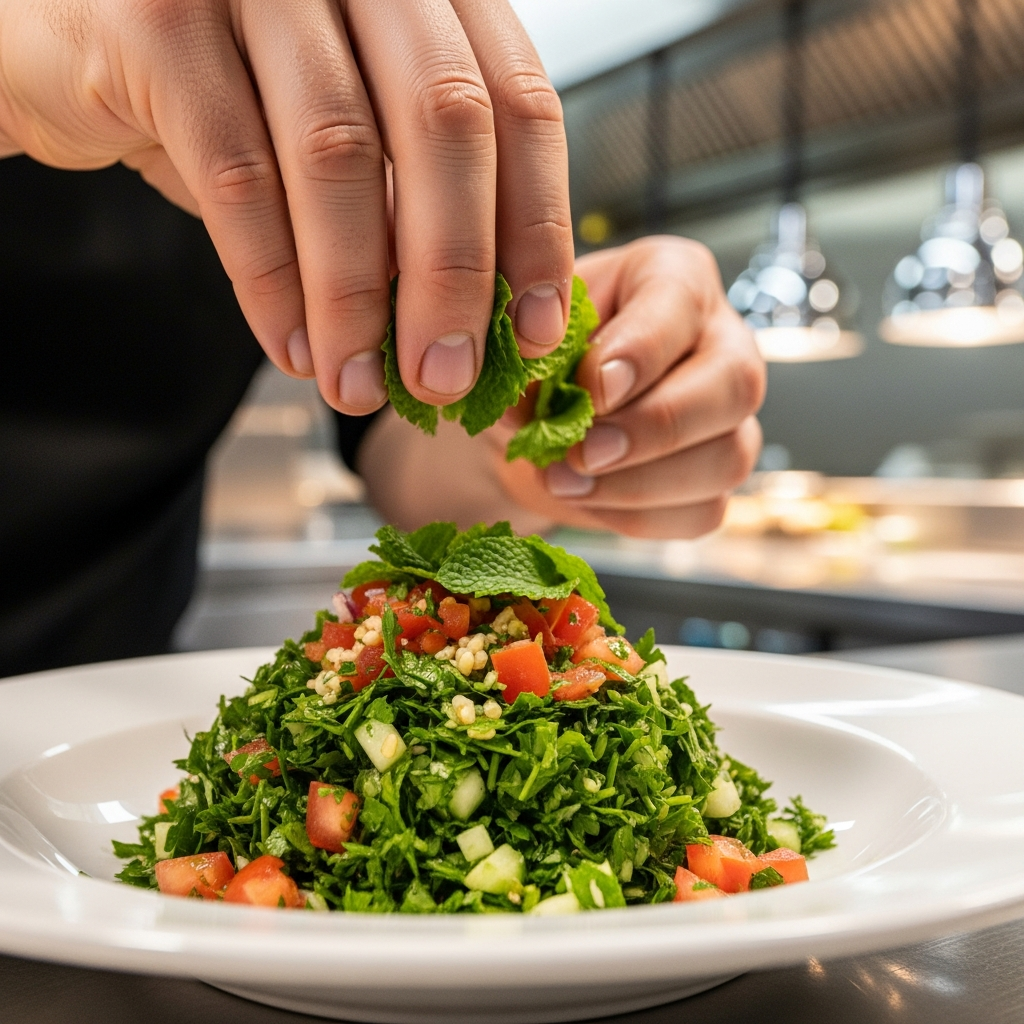

On weekdays in Naperville, when the schedule runs from early train rides to post-practice pickups, a bowl of Taboili can be the refreshing anchor that keeps meals light yet satisfying. With parsley at its heart and lemon tying every bite together, this salad delivers a lot of flavor for a modest calorie footprint. Still, calories and portions matter, especially when you’re feeding a family with different appetites or tracking your own goals. This guide approaches Taboili like a neighbor: practical, local, and honest about what ends up on the plate. To get a sense of how you might pair your salad with proteins or sides on a Mediterranean night, browsing a restaurant menu can help you visualize a balanced spread before you shop.
Let’s ground ourselves in the basics. A classic Taboili features finely chopped flat-leaf parsley, mint, tomatoes, scallions, lemon juice, extra-virgin olive oil, and a small amount of fine bulgur wheat. The parsley and tomatoes provide bulk with few calories, while the olive oil, though calorie-dense, is used in moderation and brings satiety. The bulgur contributes fiber and a pleasant chew without turning the salad heavy. When prepared with a traditional hand, an average one-cup serving typically lands in the range that many health-conscious eaters consider reasonable for a side dish, and two cups can stand in as a meal if you’re rounding it out with lean protein.
Of course, numbers shift with ingredient choices. A lemon-forward dressing with a restrained pour of olive oil keeps calories lower. Be thoughtful with oil from the start: whisk the dressing in a separate bowl, taste, and fold the salad into it rather than pouring freely over the top. This approach guards against over-dressing and helps you maintain consistency from batch to batch. Parsley, being a leafy herb, is generous in volume and small in calories; the tomatoes add a juicy sweetness with minimal energy cost. Bulgur is the main variable—too much and the salad becomes more like a grain pilaf, raising the calorie density.
Naperville’s active lifestyle shapes how many of us plate our meals. If your evening includes a run near the Riverwalk or a strength session at the gym, a larger serving of Taboili can be a smart complement, especially if you include extra tomatoes and a handful more herbs. If you’re in a desk-bound stretch, a smaller scoop still delivers the lemony spark that wakes up a plate of grilled vegetables or fish. Think in terms of contexts, not absolutes. A side portion at a weekday dinner might be three-quarters of a cup; a lunch bowl can climb to a cup and a half with protein and perhaps a square of flatbread.
How you cut ingredients affects portion perception. Finely chopped parsley and mint tuck tightly into a measuring cup, giving you more greens per cup than loosely torn leaves would. This is good news: the salad becomes more flavorful and satisfying without a calorie penalty. Dicing tomatoes small also helps distribute sweetness through each bite, so you don’t reach for additional oil or salt to wake things up. Small technique changes translate into better satiety for similar calories.
When I talk portions with neighbors, I start from a simple truth: Taboili is a salad that can flex. Want it lighter? Increase herbs, decrease bulgur slightly, and keep the dressing bright and lemon-forward. Want it heartier without excess? Stick to the same amount of oil but add extra tomatoes and cucumbers for water-rich volume. The plate looks generous, the palate stays lively, and the calorie math remains friendly. On nights when football practice runs late or there’s homework spread across the table, this flexibility is a relief.
Meal prep helps too. You can wash and dry parsley and mint the night before, and hydrate the bulgur separately. Store each component so it stays dry and crisp, then assemble with the dressing just before dinner. Prepping in parts lets you measure with intention. If you’re tallying calories, weigh or measure the olive oil first; a measured tablespoon used with confidence is better than a free pour you regret later.
It’s also worth considering what you serve with the salad. A four to six-ounce portion of grilled chicken, a scoop of chickpeas, or a few slices of roasted eggplant can round out Taboili into a complete meal. Because the salad is bright and herbaceous, it stands in for dressings or sauces you might otherwise add. That’s a quiet calorie saver in Naperville kitchens that prize clean flavors. If you enjoy flatbread, consider toasting a small piece for texture alongside a generous salad rather than treating bread as the base.
Seasonality nudges the numbers too. Summer tomatoes are richer and sweeter, encouraging a little less oil to achieve balance. Winter bowls often benefit from a pinch more lemon and a very modest splash of oil to compensate for less fragrant produce. Cherry tomatoes, thankfully, are reliable year-round and help keep the salad joyful regardless of the month. If you’re making Taboili for a potluck in February, focus on the knife work and the dressing’s brightness; when the produce isn’t singing, technique keeps the music going.
Let’s think about family tables. In a household with varied appetites, serve the salad in a wide bowl with a large spoon and place measured cups nearby. Kids can build a half-cup portion to start, and adults can decide whether they want a side or a larger helping. When you set expectations—half cup for tasting, one cup for a side, up to two cups with protein for a meal—people find their groove quickly. This avoids the familiar pattern of over-scooping a delicious salad and then realizing the rest of the plate is redundant.
Because Naperville weekends tend to fill with social plans, consider how Taboili travels. It holds well for a few hours when kept cool, making it a solid companion to picnics or backyard gatherings. For events, I slightly reduce bulgur and increase herbs so the salad stays feather-light as it sits. At serving time, a quick stir redistributes dressing, and a final squeeze of lemon pulls everything into focus again. This strategy also protects portions: a lighter salad invites mindful seconds without feeling heavy.
For those counting macros, Taboili leans toward carbohydrates from tomatoes and bulgur, with small contributions of healthy fat from olive oil and a modest protein tally from bulgur and herbs. If you want more protein without adding many calories, pair with grilled fish, chicken breast, or a scoop of well-seasoned legumes. The key is to keep the flavors aligned—let the lemon in the salad echo a squeeze of lemon on your protein so the plate feels cohesive.
Salt is a small variable with a big impact on perceived satiety. Season your tomatoes lightly and let them drain for a few minutes. When salt is used with intention, you’ll need less oil to make the salad pop. Naperville tap water can vary in mineral profile, which sometimes subtly affects how your palate interprets seasoning; taste your dressing and your finished salad with the same spoon to keep judgments consistent.
Mind the serving temperature, too. Ice-cold Taboili can seem muted, sending you back to the bottle for more oil or salt. Serve cool but not chilled, and portion sizes feel more generous because flavors bloom. A well-balanced lemon note and tender bulgur create the impression of abundance, making a one-cup serving deeply satisfying.
If you’re planning a themed night, look to a Mediterranean menu for a sense of how restaurants balance portions across mezze. You’ll notice that salads like Taboili act as refreshers, offering brightness between richer bites. Emulating that rhythm at home can keep a meal interesting while keeping calories steady. Alternate spoonfuls of salad with a bite of protein or a warm vegetable, and your appetite will pace itself.
For larger gatherings—say, a neighborhood block party near Knoch Knolls—scale cleanly. Keep the herb-to-bulgur ratio consistent and set a ladle that delivers roughly a half-cup per scoop. Guests appreciate predictable servings, and you can calculate how far your bowl will go. If you expect hearty appetites, add a second bowl with extra tomato and cucumber; it stretches the salad’s appeal without a major calorie increase.
When leftovers appear, they transform easily. The next day, fold your Taboili into chopped romaine for volume with negligible calories, or spoon it over a bed of quinoa if you’re heading into a busier afternoon. A small drizzle of lemon refreshes flavors without needing more oil. Because the parsley softens over time, the salad becomes a spreadable topper for avocado toast or a bright component in a pita wrap.
Above all, let your goals guide your approach. If you’re maintaining, enjoy a side portion with dinner. If you’re fueling for a race along the DuPage River Trail, build a bigger bowl and pair it thoughtfully. If you’re cutting back, keep the salad herb-forward and lemon-driven, and savor each bite. Taboili’s strength is its adaptability; it responds to appetite and context without losing its identity.
How many calories are in a typical serving of Taboili?
While exact numbers vary with recipes, a one-cup serving of a traditional, herb-led Taboili made with moderate olive oil generally lands in a reasonable range for a side salad. Bulgur quantity and oil pour are the biggest variables. Measure your oil, keep bulgur in a supporting role, and you’ll keep calories in check without sacrificing flavor.
What’s a good portion size for a meal versus a side?
As a side, aim for about three-quarters to one cup. As a main, one and a half to two cups can work, especially if paired with lean protein and perhaps a small piece of warm flatbread. Adjust based on activity and appetite; the salad’s brightness helps smaller portions feel satisfying.
Can I lower calories without losing satisfaction?
Yes. Emphasize parsley and tomatoes, reduce bulgur slightly, and keep the dressing lemon-forward with a measured amount of olive oil. Finely chopping herbs and tomatoes distributes flavor across each bite, increasing satiety for similar calories. Serving cool, not cold, also boosts perceived flavor.
Is bulgur necessary?
Bulgur adds texture and a bit of body, but you can reduce it or substitute with a small amount of cooked, cooled quinoa if needed. Keep the salad’s identity by letting parsley lead and using dressing to brighten rather than weigh down the bowl.
How does Taboili fit into family meals?
Very easily. Serve in a large bowl with a standard serving spoon so everyone understands roughly how much they’re taking. Kids might start with a half-cup; adults can scale up or down. It pairs with grilled proteins, roasted vegetables, or legumes, keeping the table balanced without complicated math.
Does Taboili travel well for Naperville events?
It does. Keep components dry until assembly, dress lightly, and stir before serving. A small top-off of lemon at the event brightens the bowl without adding many calories. For potlucks, set a ladle that helps guests scoop predictable portions.
Ready to portion like a pro in your Naperville kitchen?
If this guide clarified how Taboili fits your goals, sharpen your knife, chill your lemons, and make a bowl tonight. For pairing ideas and inspiration for a complete spread, take a look at the menu, then set the table and enjoy the light, bright rhythm of a well-portioned meal.