
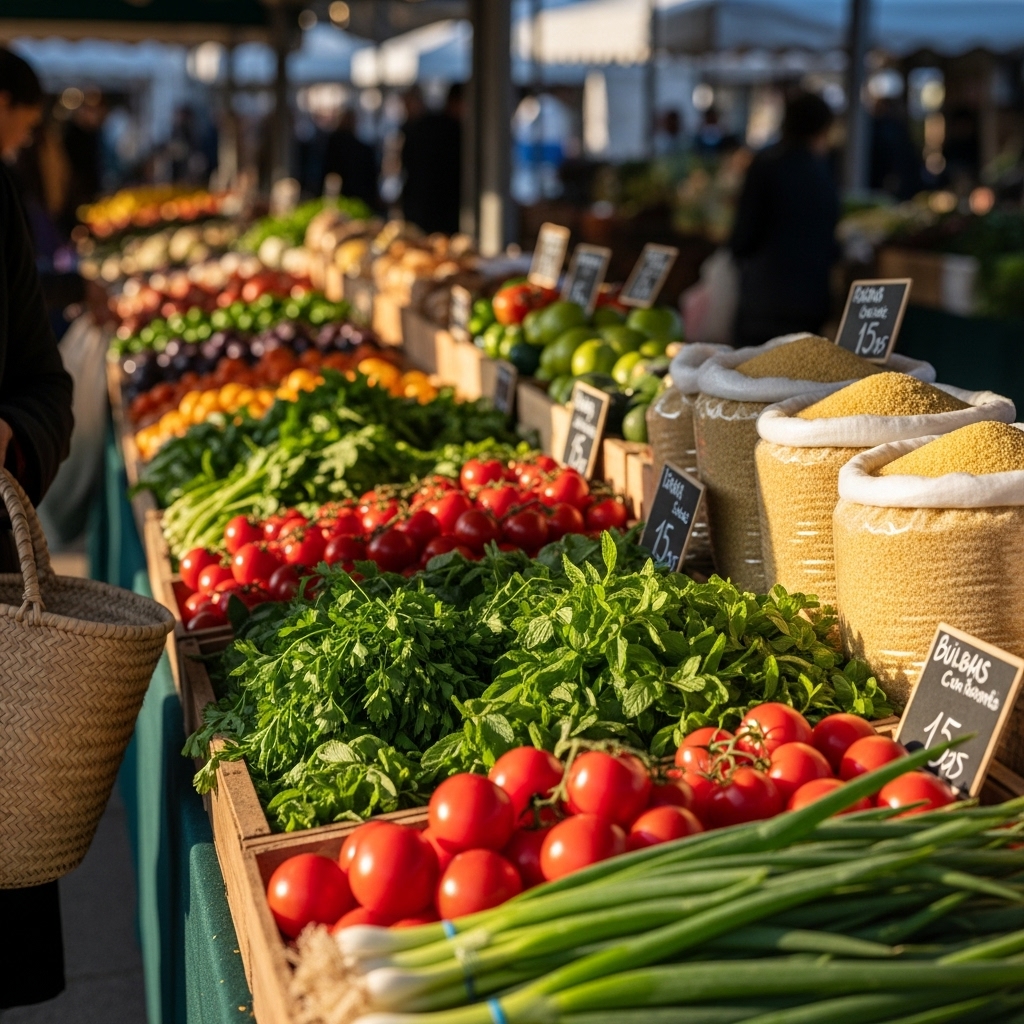
There’s a special pleasure in building a Taboili salad from ingredients you picked up the same morning, when the air along Naperville’s Riverwalk still feels cool and the markets hum with conversation. Taboili—parsley-forward, lemon-bright, and buoyed by a whisper of bulgur—thrives on freshness more than almost any dish I know. The fragrance of just-cut mint, the snap of scallions, the glow of ripe tomatoes: each is a character in a story that takes shape on your cutting board. If you’re plotting a Mediterranean meal and want ideas for what to serve alongside, scrolling a local menu can spark combinations that showcase your fresh produce.
Start with parsley because it defines the salad’s identity. Flat-leaf parsley brings a peppery depth and a tender bite that curls around lemon and olive oil. When choosing bunches, look for leaves that are firm, deeply green, and free of yellowing. A whiff should be clean and grassy, never musty. Back home, treat it like lettuce rather than a garnish: separate stems, wash thoroughly in cold water, and spin until nearly dry. Then lay the leaves on a towel to air-dry for a few minutes. Excess moisture, more than any other factor, is what turns promising Taboili into a watery shrug.
Mint is next. In Naperville’s growing season, backyard patches can be generous, but even store-bought mint can be excellent when chosen carefully. Look for taut stems and unblemished leaves with a vibrant aroma that clears the senses. If the mint feels tired or has black spots, move on; it will contribute bitterness you can’t hide. After washing and spinning, stack leaves loosely and slice with a sharp knife. The goal is fine ribbons that scatter through the salad like cool confetti, giving each bite lift without shouting.
Tomatoes deserve the same focus you’d give a main course. In summer, local heirlooms and Romas deliver sweetness and acidity that require very little dressing to shine. In cooler months, cherry tomatoes frequently outpace larger varieties in flavor; their skins hold juice well, and their interiors offer a satisfying pop. When dicing, remove seeds if they seem watery, and let the pieces sit in a sieve with a pinch of salt to draw off excess liquid. That way, their sweetness stays concentrated and doesn’t flood the bowl.
Scallions add a gentle onion nuance. Choose bunches with crisp, white bases and bright green tops, avoiding any with slimy residue or wilted ends. Slice thinly across the grain so the pieces scatter easily. If raw onion hits your palate too sharply, soak the sliced scallions in ice water for five minutes, then drain and pat dry; the chill tempers their bite while preserving crunch. This small step keeps the salad balanced, especially when the tomatoes lean sweeter.
Bulgur wheat plays a measured, important role. Fine or extra-fine bulgur hydrates quickly and maintains a delicate structure that supports the herbs without dominating them. If you find only medium bulgur locally, hydrate with hot water just to cover, let it sit until tender, then drain well and press between towels to remove extra moisture. The dryness of your bulgur matters as much as its tenderness; both determine whether the dressing clings or slides off.
Speaking of dressing, choose a lemon with a thin, smooth skin—often a sign of juiciness—and roll it under your palm to help release the juice. Fresh-squeezed lemon is nonnegotiable. Bottled versions often carry a dull aftertaste that mutes the salad’s sparkle. Balance the juice with extra-virgin olive oil that tastes fruity and clean rather than aggressively peppery. Because Taboili’s dressing is simple, you’ll taste every note. When you whisk, aim for a glossy, lightly thickened emulsion, then fold in the bulgur first so it can absorb flavor before meeting the herbs and tomatoes.
Salt and pepper are the quiet architects of flavor. Use fine sea salt for even distribution and add it in stages, tasting as you go. In Naperville, where water mineral content can vary, your palate might perceive salt differently from day to day—taste the dressing and the finished salad side by side to calibrate. A pinch of freshly ground black pepper can add warmth, but go lightly so you don’t overshadow the mint’s coolness.
Local sourcing adds more than freshness; it adds story. A Saturday stroll through neighborhood markets becomes part of the meal you serve that evening. You remember the farmer describing how last week’s heat concentrated the tomatoes’ sugars, or how the parsley rebounded after a cool front. That narrative ends up in your bowl. Food that carries a sense of place tends to taste fuller, perhaps because it invites you to pay closer attention to each ingredient’s character.
Storage and handling deserve attention, too. Once you wash and dry herbs, wrap them in paper towels and tuck them into a lidded container. Parsley keeps perkier when not squashed; mint fares best with a bit of airflow to prevent dark spots. Tomatoes prefer the counter to the fridge until you cut them; cold can sap their fragrance. Scallions tolerate refrigeration well; stand them upright in a jar with a splash of water and a loose cover for a day or two of crispness.
When assembling, think about the bowl’s order of operations. Whisk the lemon and olive oil with a pinch of salt in the bottom, then add the hydrated, well-drained bulgur so it soaks up the dressing’s brightness. After a brief rest, fold in the parsley, mint, tomatoes, and scallions. Use a wide spatula or clean hands to lift and turn gently; you’re layering air into the salad, keeping it fluffy and light. A final taste tells you if the lemon sings and the salt supports without shouting.
Naperville’s seasons encourage subtle variations. In July, you might lean into extra tomatoes and a bit more mint, letting heat and sunshine do the flavor work. In November, you might add a scattering of pomegranate arils for a tart, juicy spark that nods to shorter days. A winter bowl can also benefit from a whisper of warm spice—Aleppo pepper or a hint of cumin—while staying faithful to the salad’s core.
Pairing is where a fresh-sourced Taboili truly shines. The salad’s acidity resets the palate, making it perfect alongside grilled chicken, roasted vegetables, or a scoop of hummus. When planning a spread, think about echoes: if your salad is extra-lemony, a squeeze of lemon on the protein ties the plate together. If mint is prominent, a cool yogurt dip will harmonize. For inspiration beyond the produce aisle, glancing at a Mediterranean menu can help you visualize balancing textures and flavors.
Technique safeguards freshness. Dry ingredients thoroughly, protect delicate herbs from bruising with a sharp knife, and let the salad rest just long enough to mingle without losing definition. Serve cool, not cold; a chill dampens nuance. If you’re traveling to a friend’s place near McDowell Grove, pack components separately and combine on site. A quick stir and a final squeeze of lemon return the salad to its just-made vibrancy.
For families building the habit of fresh sourcing, make it an outing. Let kids choose the brightest bunch of parsley, then have them help rinse and spin at home. Invite them to taste lemon on its own and notice how oil softens its edges. When a meal begins with decisions made at the market, everyone feels invested, and the salad tends to disappear quickly at the table.
Finally, remember that “fresh” doesn’t demand perfection. A slightly rustic cut on the tomatoes, a handful of parsley that’s a touch stemmy—these small quirks don’t diminish the salad’s charm when care guides your hand. Taboili rewards attentiveness more than flawlessness. The Naperville kitchens that return to it week after week are proof that fresh sourcing, simple technique, and a respect for balance are enough to create something remarkable.
What should I look for when choosing parsley and mint?
Pick flat-leaf parsley with firm, deeply green leaves and avoid yellowing or limp bunches. Choose mint with taut stems and bright, unblemished leaves that smell cool and clean. Both should feel lively to the touch. Wash in cold water, spin dry thoroughly, and let the leaves air-dry for a few minutes before chopping.
Which tomatoes work best for year-round freshness?
In summer, Romas and local heirlooms shine. In winter, cherry tomatoes often deliver better flavor and texture. If larger tomatoes seem watery, seed them and let the dice drain with a pinch of salt before adding to the bowl. This keeps the salad concentrated and lively.
Can I substitute another grain for bulgur?
Yes, though the character changes. Quinoa can work when cooked until just tender, cooled, and well-drained. The key is to keep the grain in a supporting role. Taboili should remain herb-led and lemon-driven, with the grain offering texture rather than heft.
How do I store prepped ingredients?
Wrap dried herbs in paper towels and keep them in lidded containers. Store tomatoes at room temperature until cutting, then refrigerate leftovers in a shallow container. Scallions keep crisp in a jar with a splash of water. Hydrated bulgur stores well in the fridge for a day, provided it’s drained thoroughly.
What olive oil and salt should I use?
Choose a fresh-tasting extra-virgin olive oil with a clean, fruity profile. For salt, fine sea salt disperses evenly and allows for gradual seasoning. Add salt in stages, tasting the dressing and the assembled salad to maintain balance.
How can I keep the salad vibrant when transporting it?
Pack components separately—dressing, bulgur, and chopped vegetables and herbs—then combine shortly before serving. Stir gently, taste, and finish with a squeeze of lemon. This approach preserves texture and brightness for gatherings anywhere in Naperville.
Ready to bring peak-fresh Taboili to your Naperville table?
Make an early market run, pick the brightest herbs, and set your cutting board for a little kitchen calm. If you want pairing ideas that complement your salad, glance at the menu, then invite friends over and let your freshest ingredients shine.