
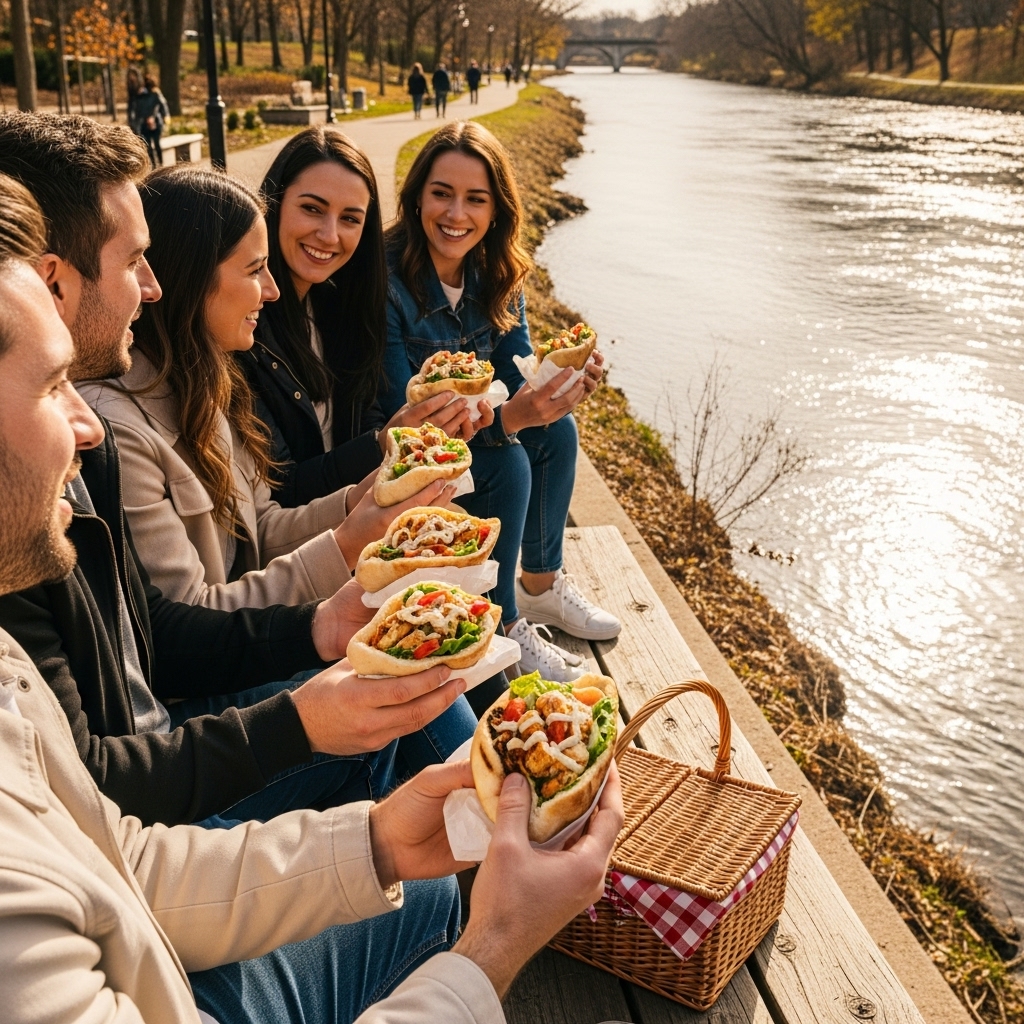
Walk down Jefferson Avenue on a sunny afternoon and you will catch the unmistakable aroma of warm bread drifting from kitchens across downtown Naperville. Among the breads that resonate most with local diners, pita stands out for its comforting familiarity and modern versatility. It is the kind of staple that fits effortlessly into a weekday lunch on the Riverwalk, a family picnic at Knoch Knolls, or a relaxed dinner after a Metra commute. Beyond taste, though, the benefits of pita bread matter here because they mirror the way Naperville eats: active, discerning, and health‑forward. That is why you will find pita integrated into so many household routines and restaurant menus, including the thoughtfully curated menu at beloved Mediterranean spots around town.
To appreciate why pita is so beloved, start with its structure. That signature pocket is more than a gimmick; it is a design that supports balanced eating. A warm pita opens easily, inviting layers of lean proteins, crisp vegetables, and vibrant sauces without overpowering the fillings. In a community that embraces both convenience and quality, the pocket is perfect for busy professionals looking to portion a midday meal, and for parents packing something reliably tidy for kids’ activities at the Fort Hill Activity Center. The combination of portability and smart proportions helps diners stay satisfied without the heaviness that often follows heartier breads.
A bread that works as hard as Naperville does
Naperville’s pace moves from early‑morning runs along the DuPage River to evening gatherings at Centennial Beach in summer. Pita bread adapts to that rhythm. Its thin profile warms quickly, whether you use a skillet at home before heading out the door or you rely on a restaurant pita that’s grilled to order. From a nutritional perspective, standard pita offers steady energy thanks to its carbohydrate base, and when paired with high‑quality proteins—think grilled chicken, falafel, or shaved beef—it becomes a balanced anchor for a full day’s schedule. Whole‑wheat versions layer in extra fiber, a welcome benefit for anyone who prioritizes heart health without compromising on taste or texture.
Another practical advantage is consistency. When you pick up a fresh pita in Naperville, you can expect a reliable chew and a delicate aroma that complements rather than competes with Mediterranean herbs, garlicky dressings, and bright lemon. This alignment is key for local diners who appreciate bold flavor without unnecessary heaviness. From an eating‑experience standpoint, the soft interior stands up to saucy fillings, so a juicy tomato or a spoonful of tahini doesn’t soak through and derail a desk lunch or a bench‑side snack along the Riverwalk.
Balanced choices for families and food‑curious neighbors
Naperville’s dining scene reflects a community with varied preferences: some watch sodium or saturated fat, others avoid heavy dairy, and many simply want something quick that still feels nourishing. Pita bread meets these expectations by offering a neutral canvas. With lean proteins and a rainbow of produce, it becomes a vehicle for balanced eating. For families navigating different appetites at one table—perhaps after a Saturday ball game at Frontier Sports Complex—pita makes custom meals easy. One person can lean into spice with harissa, another can keep it mellow with cucumber and dill, and everyone can enjoy the same warm bread as the unifying element.
Those benefits extend to people who are exploring plant‑forward meals. Falafel, roasted cauliflower, and marinated mushrooms tuck neatly into pita, delivering textures that satisfy even skeptical meat‑eaters. The pocket design means vegetables don’t fall out in a mess; they’re layered in ways that keep bites cohesive from the first to the last. For diners interested in moderation, pita supports thoughtful portions of sauces—enough to bring character, not so much that a dish becomes unbalanced.
How pita supports everyday wellness
Wellness in Naperville is practical. We bike the neighborhoods, show up for 5K runs, and choose meals that keep us moving. Pita bread plays a role by offering gentle digestibility and dependable satiety. When paired with proteins and fiber‑rich vegetables, it helps maintain energy between meals without the boom‑and‑bust cycles that come from some snack foods. Whole‑wheat pita adds additional micronutrients, and because it’s familiar, even picky eaters often accept it more readily than other whole‑grain options. This matters for families trying to introduce healthier habits without a battle at the dinner table.
There is also a culinary‑mindfulness angle. With pita, you assemble your bites intentionally: a smear of hummus here, a handful of chopped cucumber there, a drizzle of lemon. That kind of eating naturally slows you down so you taste more, feel fuller sooner, and minimize overindulgence. Whether you are enjoying a quick lunch near the Naperville Public Library or a weekend meal shared with friends in a backyard off 95th Street, pita encourages an unhurried rhythm that feels restorative.
Local sourcing, freshness, and flavor integrity
Several Naperville kitchens emphasize freshness, and pita benefits mightily from thoughtful sourcing and same‑day baking. Freshly baked pita is supple and fragrant; it folds without cracking and springs back when pressed. That resilience tells you the gluten structure and hydration are in harmony, which directly impacts how your meal eats. Restaurants that bake or warm pitas to order present a markedly different experience than plastic‑wrapped grocery versions. The difference is visible when you tear into a warm round and watch steam carry a faint wheat aroma—an invitation to add bright pickles, salty olives, and crisp greens.
Freshness also affects nutrition and satisfaction. The fresher the pita, the less likely it is to require heavy sauces to compensate for dryness. That translates to cleaner flavors and a more balanced plate. Midday or midweek, when time is tight and taste still matters, consider exploring a local Mediterranean spot and its seasonal rotations. You can even scan a restaurant’s menu before you head out, noting which items feature whole‑wheat options or highlight locally sourced produce.
Versatility that fits Naperville’s calendars
Pita is a dream for meal prep around here. Wrap roasted chicken and peppers for a workday lunch, pack a chickpea salad pocket for a park outing, or pair a warm pita with a big bowl of chopped salad on a no‑cook evening. At home, the bread transitions from sandwich to scoop effortlessly: tear and dip in hummus as an appetizer, then fold the remaining rounds around grilled kebabs for dinner. For households juggling piano recitals, soccer practice, and homework, that kind of flexibility is gold. The bread’s neutral flavor and gentle texture help it integrate with whatever’s in the fridge, reducing food waste and last‑minute stress.
It is also an ideal platform for flavor exploration. If you discovered a new spice blend at the Naperville Farmers Market, test it on pita with a drizzle of olive oil and a quick warm‑through on a skillet. The bread carries aromatics without muting them, so your sumac remains lemony, your cumin stays warm and toasty, and your fresh herbs sing. In this way, pita invites cooking confidence and creativity, even for hesitant home cooks.
Eating together with ease
Community matters here, and pita makes shared meals easy. Its circular shape lends itself to the kind of tear‑and‑share dining that encourages conversation. Put a platter of sliced vegetables, grilled meats, and simple spreads on the table and watch how naturally people gather, assemble, and pass plates. The bread’s proportional pocket makes it straightforward for guests to tailor heat levels or dietary preferences without fuss. For backyard get‑togethers, pita holds up well next to the grill and absorbs smoky notes beautifully, which means your sides taste as cohesive as your mains.
Even for weeknights when togetherness looks like everyone landing at the table in shifts, pita keeps mealtime civilized. Warm the rounds as each family member arrives, and let them build a fresh pocket in minutes. Cleanup stays minimal, and everyone gets something satisfying that won’t leave them sluggish for evening study sessions or neighborhood walks.
Respecting tradition while embracing modern Naperville tastes
Pita bread is rooted in long culinary traditions, yet it speaks fluently to contemporary Naperville dining. You will see it carry classic combinations—tahini, pickled turnip, and grilled lamb—right alongside modern interpretations like roasted sweet potato with garlicky greens. This bridging of eras is part of its benefit: the bread welcomes heritage, seasonality, and innovation without conflict. For diners who value authenticity and accessibility, pita’s flexibility allows restaurants to honor old‑world methods and local tastes at the same time.
For those with particular dietary goals, pita also sits comfortably in moderated eating patterns. It provides structure for a meal without requiring oversized portions. When you add crisp vegetables, lean proteins, and smart fats, the bread becomes the backbone of a plate that leaves you energized rather than weighed down. It is an everyday food that feels special, a rare combination for households trying to plan realistic, enjoyable meals week after week.
Simple tips for getting more from your pita
At home, keep pita at room temperature for a day or two, then freeze anything you won’t eat to preserve texture. Reheat on a dry skillet until just warmed and pliable; a quick brush of water on the surface before heating can revive a slightly stale round. When building a sandwich, spread hummus or yogurt sauce on the inside to create a moisture barrier that keeps the pocket intact. Layer greens at the bottom, then heavier fillings, so the structure holds from first bite to last. These small practices add up to a noticeably cleaner, more enjoyable meal.
When ordering out, ask about whole‑wheat options or fresh‑baked windows during the day. If you enjoy a crisp edge, request a light toast; if you prefer a pillowy interior, ask for a quick steam or warm‑through. Tailoring the heat treatment takes seconds and can make your sandwich or platter feel custom. Many kitchens are happy to accommodate, and your experience improves dramatically with the right texture.
Frequently Asked Questions
Q: Is pita bread a healthier choice than other sandwich breads?
A: It depends on what you pair with it and the portion you choose. Standard pita offers a balanced carbohydrate base, and whole‑wheat pita adds more fiber and micronutrients. In Naperville, pairing pita with grilled proteins and plenty of vegetables creates a satisfying meal that feels light yet nourishing. The pocket design also encourages portion control because you naturally fill it with balanced components rather than relying on oversized slices.
Q: How can I keep pita soft for lunches or picnics around Naperville?
A: Store pitas in a sealed bag at room temperature if you will eat them within a day; for longer storage, freeze and reheat gently on a skillet. If you need to pack ahead, wrap the pita separately from wet fillings and assemble on‑site. A thin layer of hummus inside the pocket can help repel moisture and keep the bread soft throughout your outing on the Riverwalk or at a neighborhood park.
Q: What fillings work best for an on‑the‑go pita meal?
A: Choose components that balance moisture and texture. Crisp lettuce, cucumbers, and tomatoes pair well with grilled chicken or falafel. Add a bright sauce like lemon‑tahini or a garlicky yogurt, but use enough to coat rather than drench. This approach prevents sogginess and keeps flavors clean, ideal for quick lunches between errands along Washington Street.
Q: Can pita fit into a higher‑protein or plant‑forward diet?
A: Absolutely. For higher protein, load the pocket with grilled meats or legumes and consider a yogurt‑based sauce. For plant‑forward meals, center falafel, roasted vegetables, or hummus and add seeds or nuts for extra substance. Whole‑wheat pita can increase fiber and keep you fuller longer, making it a great base for both approaches.
Q: What should I look for to judge pita freshness at a restaurant?
A: Fresh pita is lightly aromatic, pliable, and resilient. It should bend without cracking and spring back when pressed. If torn, the interior should look steamy and slightly glossy rather than dry. Many Naperville spots bake or warm pitas to order during busy periods; asking about their approach can help you time your visit for peak texture.
Q: How do I reheat leftover pita without drying it out?
A: A quick warm‑through is key. On the stovetop, use a dry skillet over medium heat for 20–40 seconds per side. If the bread is slightly stale, brush a few drops of water on the surface, then warm. You can also wrap it in a clean towel and microwave for 10–15 seconds, though the skillet gives better texture. Avoid prolonged heat, which can toughen the bread.
Ready to enjoy pita done right in Naperville?
If you are craving a warm, pillowy pocket filled with vibrant flavors, make your next meal simple and satisfying. Explore local Mediterranean kitchens that treat pita with the care it deserves, and browse a trusted menu to plan your perfect combination before you go. Whether you are eating along the Riverwalk, gathering with friends at home, or grabbing a quick bite between commitments, a fresh pita is your ticket to balanced, flavorful dining that feels right at home in Naperville.