Anyone who has carried a warm bag of pita down Washington Street knows how fleeting that just‑baked softness can be. In Naperville, where family schedules are full and dinners have to flex around commutes, practices, and Riverwalk strolls, smart storage is the difference between a pillowy pocket and a disappointing chew. Fortunately, keeping pita fresh is less about complicated gear and more about a few habits that protect moisture and texture. Whether you are stocking up from your favorite Mediterranean kitchen, planning lunches for the week, or scanning a restaurant’s menu before picking up dinner, the right storage approach preserves the aromas and flexibility that make pita so beloved.
Fresh pita is a living thing. From the moment it leaves the oven, steam begins to escape and starches start to set. Left unchecked, that process leads to staling—the crumb stiffens, the surface becomes brittle, and the pocket tears under pressure. The goal of storage is to slow this arc without introducing excess moisture that turns softness into gumminess. Understanding how temperature, air, and time interact will help you keep pita at its best from the first bite to the last round in the bag.
Room temperature: short‑term success
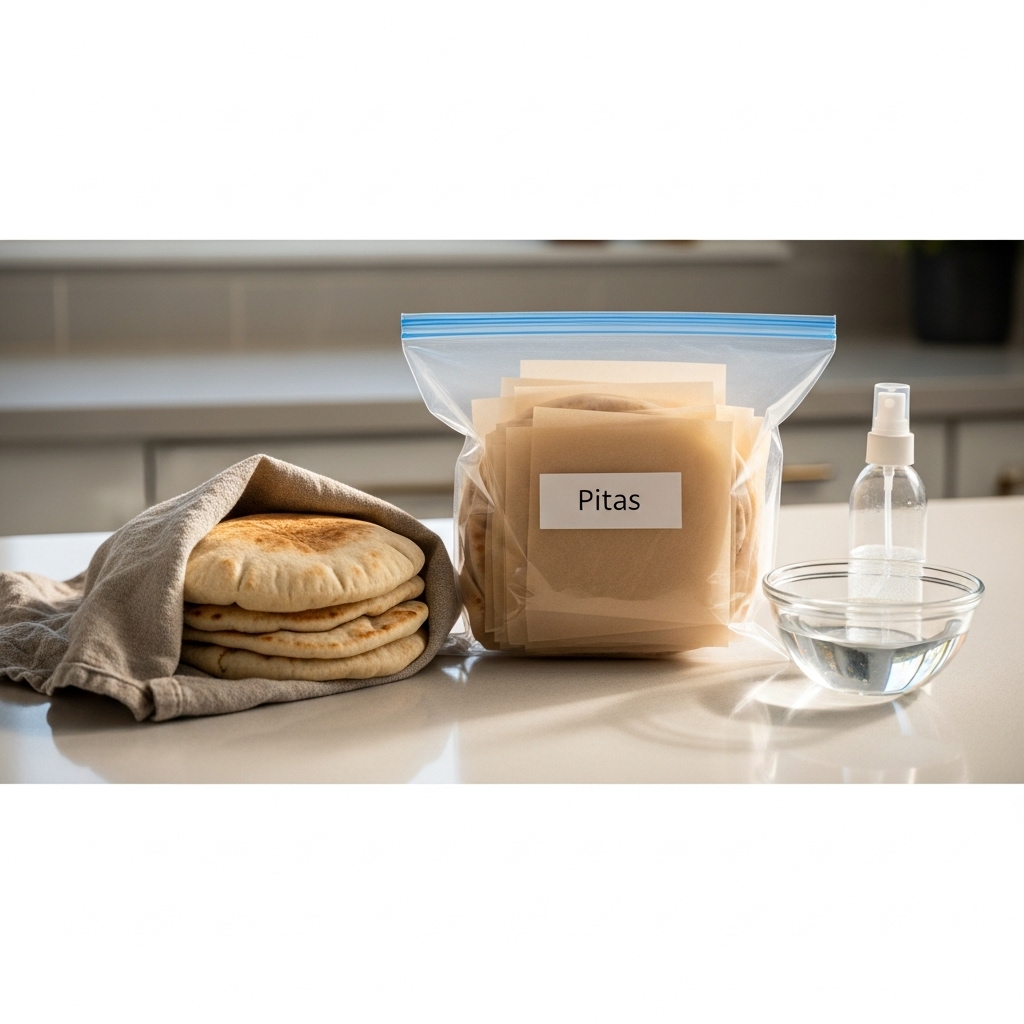
For same‑day eating, room temperature is your friend. Stack warm pitas and wrap them in a clean towel to trap gentle steam as they cool. Once they reach room temperature, move them to a sealed plastic or reusable bag, pressing out excess air. Stored this way, pitas stay soft for the day and often into the next. If you plan a picnic at Knoch Knolls or an easy lunch after errands downtown, this method keeps texture tender without the risk of condensation that comes with hot holding.
Keep the bag away from direct sunlight and heat vents, which can dry the bread. On humid summer days, avoid leaving the bag open for long periods; moisture in the air can condense on the surface and make the crust tacky. For short errands or a quick stop at the Riverwalk before heading home, the towel‑and‑bag combo is enough to preserve that warm‑from‑the‑oven feel.
Why the refrigerator works against you
It is tempting to stash bread in the fridge in the name of freshness, but cold temperatures accelerate staling in most breads, pita included. The crumb firms up, and reheating cannot fully reverse the tough, bready chew that results. If you will not finish pitas within a day, the freezer is a far better option. The cold stops staling in its tracks without drying the bread, and a quick reheat restores steam and softness.
For Naperville households in and out all week, this freezer‑first approach keeps meals flexible. You can thaw a round or two on demand—perfect for late practices, variable work hours, or impromptu backyard dinners. It also cuts waste, since you only reheat what you will eat.
Freezing for flavor and flexibility
To freeze, cool pitas completely, then stack with a small piece of parchment between rounds. Slide the stack into a zip‑top bag, press out the air, and seal. Labeling helps when you are juggling multiple meals. Frozen pitas reheat beautifully: place them directly on a hot skillet or in a 350–400°F oven for a minute or two until pliant and steamy. The parchment sheets make separation easy so you can warm only what you need.
For those who meal prep, freezing in smaller bundles—two or three per packet—makes weeknight dinners efficient. If you are planning takeout to pair with homemade sides, you can review a Mediterranean menu, schedule a pickup, and reheat pitas at home so everything lands on the table warm at once.
Reheating without drying
The key to reviving stored pita is quick, focused heat. A hot, dry skillet delivers the best texture: warm each side for 20–40 seconds until soft and steamy. If a round feels slightly stale, brush or mist the surface with water before heating, or wrap in a clean towel to trap steam as it warms. In the oven, a brief stint on a preheated sheet pan works well, but avoid long bakes, which turn softness into chewiness.
Microwaves can help in a pinch. Wrap the pita in a towel and heat for 10–15 seconds; the towel traps moisture so the bread does not toughen. Use the microwave as a last resort and finish on a skillet if you want a bit more surface character.
Packing for schools, offices, and picnics
For lunches on the go, store components separately and assemble just before eating. Keep sauces in small containers, pack crisp vegetables dry, and warm the pita in the morning before wrapping it in foil or a towel. That residual heat keeps it pliant for hours. At the office or school, a brief warm‑through on a break‑room skillet, toaster oven, or even a sunny dash on the dashboard can bring back softness. The goal is to protect the pocket until you are ready to fill it, preventing tears and sogginess alike.
If you must assemble ahead, line the pocket with a thin layer of hummus or yogurt to create a moisture barrier, then add greens, followed by juicy vegetables and proteins. Eat within a few hours for best results. This sequence preserves structure and keeps flavors distinct through lunchtime at the desk or a bench on the Riverwalk.
Takeout timing and temperature
When ordering takeout in Naperville, timing is everything. Pita is at its best within minutes of warming, so coordinate pickup or delivery with your schedule. If the drive is longer, ask for pitas packed separately from hot components, and reheat quickly at home. A one‑minute skillet refresh can turn a good meal into a great one by restoring steam and suppleness to the bread.
Notice how top kitchens manage their bread during busy periods. Short holding times, warm towels, and to‑order reheats protect texture. You will taste the difference in the first bite: a soft give, a light wheat aroma, and fillings that stay put without collapsing the pocket.
Storage mistakes and easy fixes
Common missteps include refrigerating pitas, leaving bags open on the counter, and holding bread near warm ovens for too long. Each accelerates dryness or encourages gumminess. The fixes are straightforward: freeze rather than refrigerate, seal bags promptly, and warm only when you are ready to eat. If a pita has gone a bit stale, a light water mist and a quick skillet session can bring it back to life. If it is truly dry, tear it into pieces and toast for crunchy chips that pair with dips—nothing goes to waste.
Packaging matters as well. Thin store bags may not seal tightly; consider reusable, airtight bags for better protection. When transporting pitas from a favorite spot downtown to a backyard dinner, wrap the stack in a towel and then bag it. The towel buffers temperature swings and protects against condensation on humid days.
Texture cues that signal freshness
Even with smart storage, you will sometimes juggle pitas of different ages. Learn the cues. A fresh round bends easily and rebounds when pressed. The interior looks slightly glossy and smells sweetly wheaty. As bread stales, the surface dulls and small cracks appear at the fold. These signs tell you whether to use a pita for a handheld, reserve it for dipping, or turn it into crisp chips. Matching use to condition prevents disappointment at the table.
For families, this triage helps reduce stress on busy nights. Serve the softest pitas with sandwiches, use the day‑olds for spreads, and crisp the rest for tomorrow’s snack. The meal still tastes intentional, and everyone gets the texture they prefer.
Frequently Asked Questions
Q: How long will pita stay fresh at room temperature?
A: Typically a day, sometimes two if sealed well and kept cool. For anything beyond that, freeze to preserve texture and aroma. Room temperature is best for same‑day eating, especially if you plan to warm the bread just before serving.
Q: What is the fastest way to revive a slightly stale pita?
A: Mist lightly with water and warm on a hot, dry skillet for 20–40 seconds per side. Wrap briefly in a towel to finish. This reactivates starches and restores steam without overcooking.
Q: Should I keep pita in the refrigerator if my kitchen is warm?
A: Even in warm weather, the refrigerator speeds staling. Keep a small amount at room temp and freeze the rest. Reheat on demand for the best texture.
Q: How should I pack pitas for kids’ lunches?
A: Warm in the morning, wrap in foil or a towel, and keep fillings separate until lunchtime. A thin layer of hummus or yogurt inside the pocket helps prevent sogginess once assembled.
Q: Can I refreeze pita after reheating?
A: It is better to freeze in small portions and reheat only what you need. Refreezing can degrade texture. If you have leftovers, turn them into chips or croutons for salads and dips.
Q: What is the best way to transport pita for a picnic?
A: Stack, wrap in a towel, and place in a sealed bag. Keep out of direct sun and assemble sandwiches on‑site. A quick skillet or grill warm‑through at the picnic spot brings back steam and softness.
Ready to keep every bite soft and steamy?
With a few smart habits—freeze rather than refrigerate, reheat quickly, and assemble thoughtfully—you can enjoy pillowy pita all week long. When you are in the mood for effortless freshness or want to pair great bread with vibrant fillings, browse a local Mediterranean menu, plan your pickup, and bring home pitas that set the standard for your own kitchen.