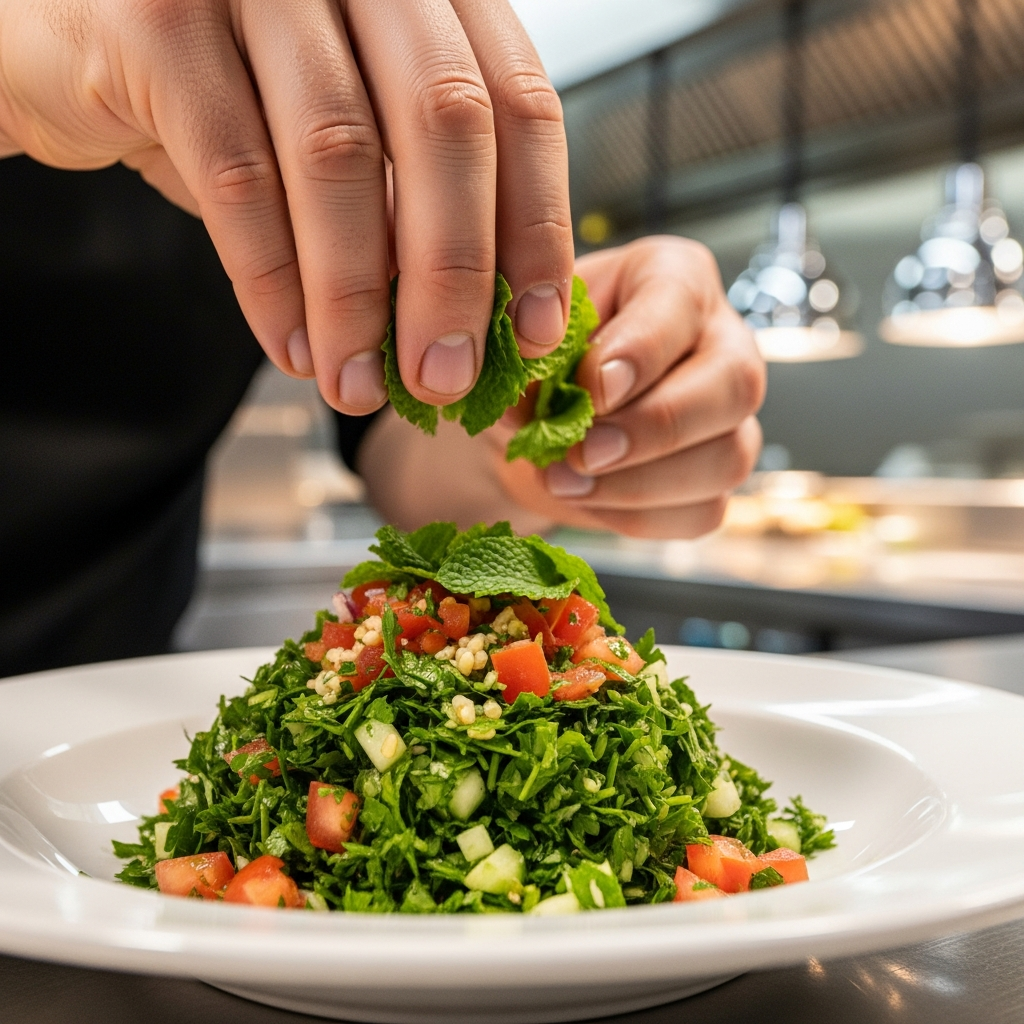
Authentic Taboili salad in Naperville doesn’t happen by accident. It’s the quiet culmination of good ingredients, practiced knife work, and the patience to let simple things sing. Around here, authenticity isn’t a rigid checklist so much as a disciplined respect for proportions and technique, the kind you learn after a few bowls shared with friends and neighbors. On any given evening, you can smell lemon and parsley perfume a kitchen, hear the rhythmic slice of a well-honed knife, and watch a salad come together that looks like a bowl of green confetti kissed by sunshine. If you’re pairing it with something warm and savory, browsing a local Mediterranean menu can spark ideas for a full, balanced spread without stealing focus from the star.
What does “authentic” mean in this context? For Naperville cooks, it means honoring the Lebanese roots of the dish: parsley leading the chorus, mint adding cool lift, scallions supplying a subtle snap, tomatoes offering sweetness and structure, fine bulgur bringing a delicate grain to tie it all together, and a lemon-and-olive-oil dressing that gleams instead of gloops. Authenticity lives in restraint. It’s the art of putting just enough bulgur to catch the lemon, just enough salt to awaken the tomatoes, just enough olive oil to coat the herbs, and a chop so fine and even that every bite tastes composed.
The Heart of the Bowl: Parsley and Lemon
Authentic Taboili is a parsley-forward salad. The best bowls in Naperville resemble a green landscape dotted with tiny constellations of tomato and bulgur. Parsley provides the salad’s structure and its identity, so it must be abundant, fresh, and very dry before chopping. Lemon then writes the melody. Locals often zest lightly to release aroma without adding bitterness, then juice generously to achieve a lively, bright snap at first bite and a clean finish.
Olive oil is not a blunt instrument here. It’s a gloss, a cushion for the lemon’s brightness, and a way to carry flavor through the herbs. Choose a fruity extra-virgin oil that feels round but nimble. The tasting notes shouldn’t fight the parsley; they should make its freshness feel inevitable.
Technique: The Naperville Chop
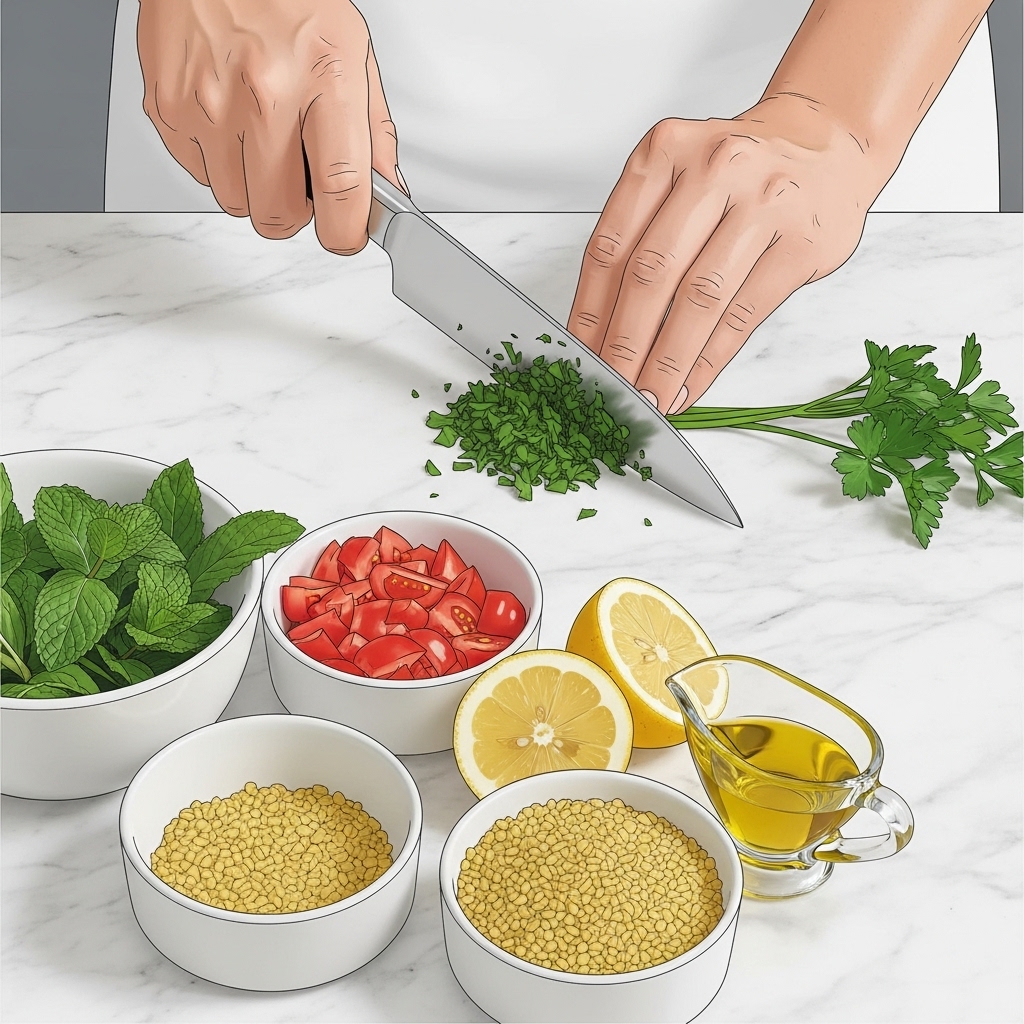
We call it the Naperville chop with a wink, but the principle is serious: hand-chopping with a sharp knife, gentle pressure, and patience. Wash and spin-dry the herbs thoroughly, stack the leaves loosely, and use a smooth rocking motion to create fine, even pieces. Then rotate and chop again. The goal is not to mash but to refine. You’ll know you’ve nailed it when the pile looks like a green snowfall rather than a bruised clump.
Scallions get a similarly careful treatment. Thin slices, measured and consistent, contribute just enough bite to keep the salad lively without overtaking the parsley. Tomatoes are diced small and seeded if they’re especially juicy, and cucumbers—optional but popular in town—are cut to match the tomatoes so the textures align.
Bulgur: Small, Tender, and Discreet
Authenticity does not allow bulgur to dominate. Fine bulgur is soaked in just enough hot water to become tender but retain a crumbly texture. When you rake a fork through it, it should separate easily. Add it to the bowl sparingly, as though you’re adding breadcrumbs to meatballs. The job of the bulgur is to bind, extend, and carry flavor, not to headline.
If you’re avoiding gluten, quinoa can step in, provided it’s cooked, cooled, and fluffed to a similarly light texture. Authenticity here is about proportion and mouthfeel more than strict adherence to a single grain.
Seasonality and Sourcing in Naperville
Local authenticity respects the calendar. In early summer, when herbs are tender and cucumbers are crisp, the salad feels newly minted. In late summer, when tomatoes are at their sweetest, you can pull back slightly on cucumber and let tomato take a larger role. In winter, the salad relies on the vivacity of lemon and scallion, reminding us of the seasons we’re moving toward. Naperville cooks learn to read produce like a weather report and adjust accordingly.
Sourcing is pragmatic. We’re not chasing unicorns; we’re looking for freshness and consistency. Firm, ripe tomatoes, perky parsley, mint that smells bright the moment you open the bag, scallions without limp tops, and a trustworthy olive oil that you enjoy on its own spoonful—these are the building blocks of an authentic bowl at home.
The Rhythm of Assembly
There’s a sequence that helps the salad find its voice. Hydrate the bulgur first and set it aside. Prep and dry the herbs, then chop them. Dice tomatoes and cucumbers last, so they spend less time waiting and leaking. When everything is ready, whisk the lemon, salt, and olive oil together until glossy, then fold in the herbs, vegetables, and bulgur. Taste and wait. That last step—waiting twenty to thirty minutes—lets the salad settle into itself.
Authenticity also means restraint in the bowl. Avoid heavy-handed garnishes that distract—no crumbles of cheese, no overloaded spices. The elegance of Taboili is its economy: a short ingredient list handled with care, each piece contributing to a lucid, refreshing whole.
Serving with Confidence
An authentic Taboili feels as appropriate at a park bench as it does at a dinner party. Serve it as a starter to wake up the palate or as a side that ties a plate together. A modest spoonful can transform a wrap, providing acidity and herbaceous lift. If you’re planning a larger spread, take cues from a local shawarma menu and translate those ideas at home—think warm pita, grilled meats, and a garlicky sauce alongside that green, lemony bowl.
For gatherings, consider the serving vessel. A shallow, wide bowl keeps the salad from compressing under its own weight, preserving the feathery texture of the herbs. Offer extra lemon wedges for guests who like a brighter finish and a small drizzle of oil tableside to refresh the sheen without weighing down the greens.
A Few Pitfalls and How We Avoid Them
Over-soaked bulgur is the most common misstep. It saps the salad’s clarity and muddies the bite. Another is using a food processor for herbs; the blade bruises and compresses, leaving you with wet, dark flecks instead of airy green confetti. Finally, impatience can steal the magic. Rushing from bowl to table robs you of that settling period when flavors link arms and the lemon and oil distribute evenly.
Salt deserves mention, too. It should wake the salad up, not make it thirsty. Start modestly, then taste after the rest. Tomatoes and cucumbers contribute water and natural minerals as they rest, so what tastes perfect immediately after mixing can drift toward salty twenty minutes later if you go heavy-handed at the outset.
Why Authenticity Resonates Here
Naperville’s food scene appreciates clarity and care. Authentic Taboili fits our pace and our palate: it’s quick to assemble, wholesome without preaching, and bright without burning. It suits a lunch on the Riverwalk, a family dinner, and a potluck in equal measure. More than anything, it offers consistency. If you respect the proportions and the technique, you’ll get a reliable bowl every time, one that tastes like hospitality and feels like a small, daily luxury.
And there’s a deeper resonance: authenticity organizes a salad with a lineage. It connects our suburban tables to a Lebanese tradition that treasured parsley long before it arrived in our kitchens. In honoring that, we cook with a little more intention, and the result tastes like it.
Frequently Asked Questions
Q: How fine is “fine” for the chop?
A: Aim for tiny, uniform pieces—smaller than a dice, larger than a mince. The leaves should look like confetti and feel feathery, not mashed. If the herbs look wet or dark, the chop was either too aggressive or the leaves weren’t dry enough.
Q: Can I make it ahead?
A: Yes. You can prep the components hours in advance and combine them closer to serving. If dressing ahead, allow at least twenty minutes for settling, but avoid dressing more than a few hours early to keep the herbs vibrant.
Q: What kind of bulgur should I use?
A: Fine bulgur is traditional for this style. It softens quickly and integrates seamlessly with the herbs. Coarser bulgur risks stealing focus and changing the salad’s texture into something more like a grain side.
Q: How do I keep the salad from getting watery?
A: Dry herbs thoroughly, use ripe-firm tomatoes, and soak bulgur lightly. If the salad sits, a brief toss right before serving redistributes dressing and juices, restoring balance without adding more salt or oil.
Q: Is cucumber necessary?
A: Not necessary, but welcome when crisp and finely diced. In Naperville, we treat cucumber as seasonal and optional, adjusting based on what’s tasting best that week.
Q: What should I serve with it?
A: Warm breads, grilled meats or vegetables, and a garlicky dip make a natural ensemble. Look to a local shawarma menu for a blueprint, then recreate the pairings at home with your own touches.
Make It Tonight
If you have parsley, lemon, and a sharp knife, you have most of what it takes to make authentic Taboili in Naperville. Let the ingredients be themselves, keep the proportions honest, and give the salad a moment to find its harmony. For a rounded meal, use a nearby Mediterranean menu as your inspiration board, gather a few warm accompaniments, and invite someone over. Authenticity tastes even better when shared.