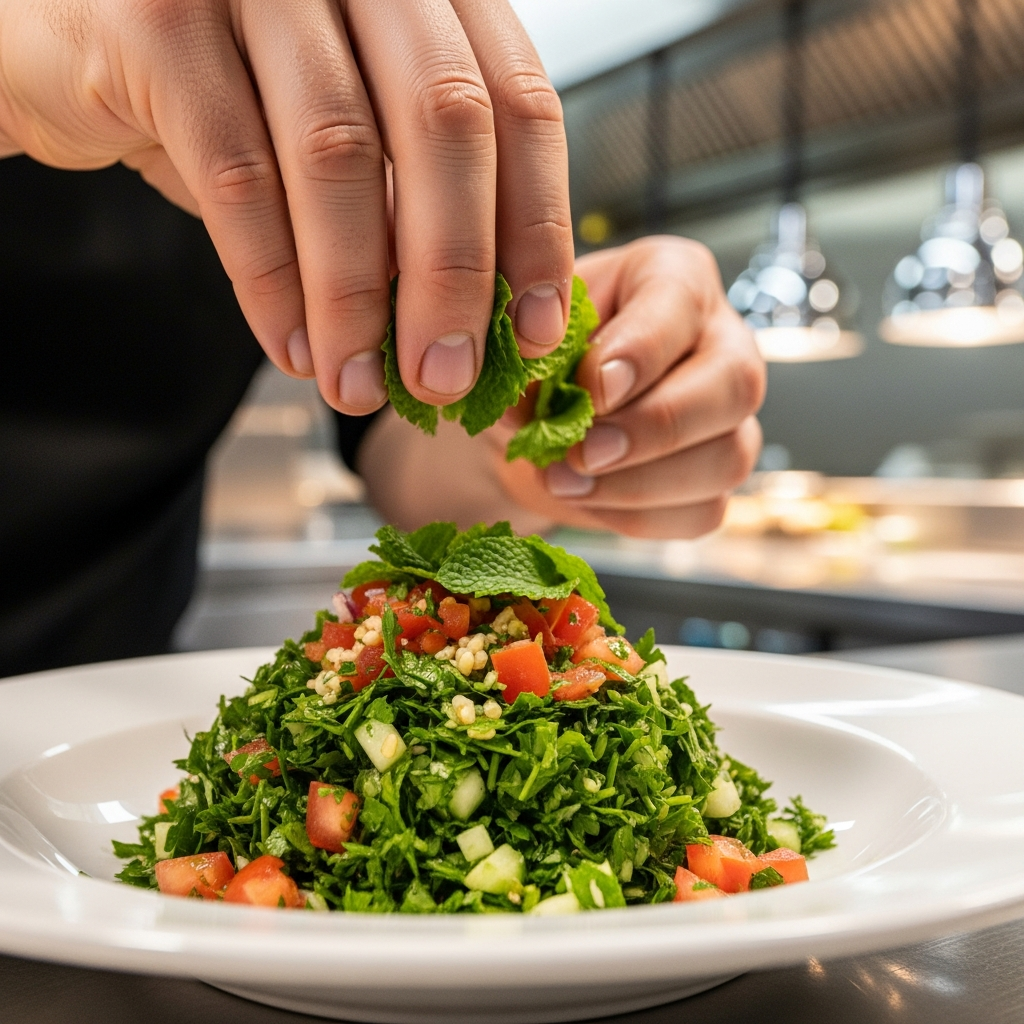
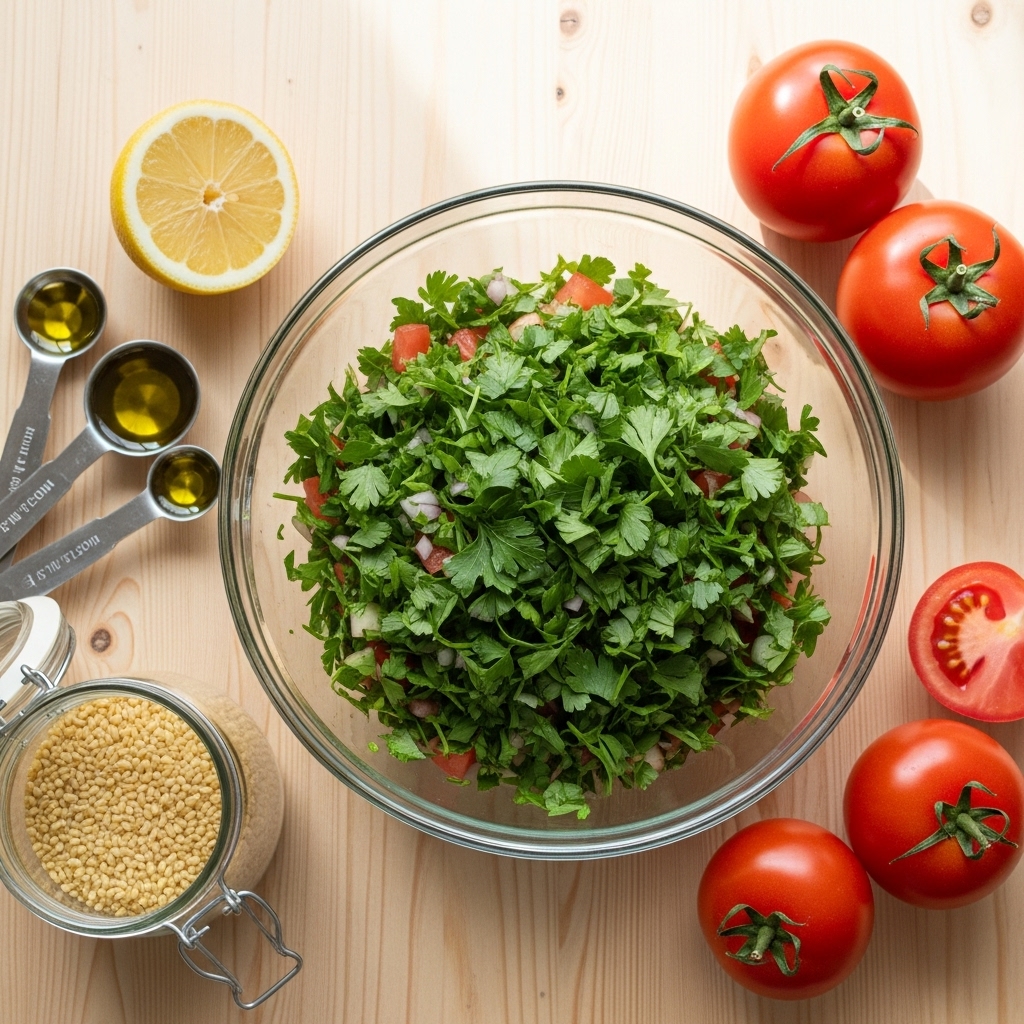
Ask around Naperville and you’ll hear a common refrain: Taboili salad is the rare dish that feels indulgent and light at the same time. The parsley-forward classic brings lemon brightness, a whisper of bulgur, ripe tomatoes, mint, scallions, and good olive oil into a bowl that tastes like a breeze off the Riverwalk. But when you start thinking in terms of calories and nutrition, you might wonder how that flavor translates into numbers and benefits. The short answer is encouraging: made the traditional way, Taboili is nutrient-dense, fiber-friendly, and built on whole ingredients. And if you’re rounding out a meal, a quick peek at a local Mediterranean menu can help you pair the salad with warm, satisfying companions without compromising the salad’s light touch.
Before we get into specifics, it’s helpful to note that Taboili isn’t a fixed equation. In Naperville kitchens, the parsley-to-bulgur ratio shifts slightly from cook to cook, and tomatoes, cucumbers, and mint vary with the season. That means nutrition numbers move within a range. Still, by understanding the role each ingredient plays, you can estimate calories confidently and, more importantly, maximize flavor and nourishment.
Calories, At a Glance
In a typical parsley-forward bowl, a one-cup serving of Taboili might land roughly in the 150–220 calorie range, depending on how much olive oil you use and the density of bulgur. The bulk of calories comes from the oil and the grain, with modest contributions from tomatoes and herbs. That range can widen if you lean heavily into olive oil for sheen or if your grain ratio creeps upward, so keep proportions honest to preserve both flavor and balance.
If you’re crafting the salad at home, you can tailor the energy profile to your day. More lemon and herbs with a lighter hand on oil reduces calories while keeping intensity high. A touch more bulgur adds staying power for a long afternoon. That flexibility is why Taboili fits so naturally into Naperville routines—from quick lunches between errands to hearty spreads before an evening on the town.
Macronutrients and Why They Matter
Taboili’s macronutrient split skews toward healthy fats, complex carbohydrates, and minimal protein. Olive oil delivers mostly monounsaturated fats, which support heart health and help absorb fat-soluble vitamins in the vegetables. Bulgur contributes complex carbs and fiber, offering a slow, steady release of energy rather than a spike-and-crash. Tomatoes, cucumbers, parsley, and mint add a small amount of carbs and negligible fat, keeping the overall profile light.
If you’re pairing the salad with protein, think beyond the bowl. That’s where grilled meats, legumes, or a dollop of garlicky yogurt sauce on the side come into play. For inspiration on savory companions, browsing a local shawarma menu can give you ideas that support satiety while keeping the meal balanced and bright.
Fiber: The Quiet Powerhouse
Parsley and bulgur provide meaningful fiber, which supports digestion and helps you feel satisfied. A herb-heavy style gives you a nice boost without turning the salad heavy. Tomatoes and cucumbers add hydration, and their skins contribute a bit more fiber. Together, these ingredients create a refreshing, steadying dish that’s easy on the palate and supportive of everyday energy.
If you’re looking to increase fiber without adding many calories, lean even harder into parsley and mint, keep tomato and cucumber pieces small and even, and let lemon lift the flavors. You might be surprised at how filling a generous cup feels when the chop is fine and the dressing evenly distributed.
Micronutrients: Vitamins and Minerals in Every Bite
Where Taboili truly shines is in its micronutrients. Parsley is rich in vitamin K and a source of vitamin C, supporting bone and immune health. Tomatoes contribute vitamin C, potassium, and lycopene, while scallions add vitamin K and phytonutrients that quietly support overall wellness. Mint brings small amounts of vitamins and helps the salad feel cooling and aromatic. Bulgur introduces B vitamins and minerals, complementing the vegetables with a steady, grain-based foundation.
Olive oil’s role extends beyond flavor. It helps your body absorb fat-soluble vitamins, making a measured drizzle both practical and delicious. When you taste how the oil rounds the lemon’s edges and carries the herb aromas, you’re also experiencing a nutritional partnership at work.
Portion Sense for Real Life
Naperville lifestyles are varied—some of us take long Riverwalk jogs, others spend hours between practices and meetings—so portion sizes flex accordingly. A half-cup can work as a bright accent alongside a warm entrée. A full cup makes a satisfying side for lunch. Two cups, especially with a protein on the plate, can anchor a dinner without weighing you down. It’s helpful to think about what else will share the plate and adjust your Taboili serving to balance the overall meal.
If you’re planning for a gathering, remember that Taboili tends to be a crowd favorite. Make a big bowl and let people serve themselves. The salad’s brightness encourages second helpings, and the herb-forward chop means a modest scoop reads as vibrant and satisfying.
Gluten-Free and Other Adjustments
If you’re avoiding gluten, swap bulgur for cooked and cooled quinoa or finely steamed millet. Keep the grain in a supporting role so the salad remains parsley-forward. This approach preserves the spirit of Taboili while making it accessible to more guests at your table. For those watching sodium, season gradually and taste after the resting period; the flavors bloom as the salad sits, and you may find you need less salt than you expect.
If you prefer a leaner calorie profile, emphasize lemon and herbs and dial the oil back slightly. Conversely, if you’re fueling a long day, a little extra olive oil adds both calories and a luxurious mouthfeel. The salad’s flexibility lets you fine-tune nutrition without sacrificing identity.
Hydration and Warm-Weather Eating
Taboili thrives in hot weather, partly because of its hydration profile. Tomatoes and cucumbers bring water to the mix, while lemon makes everything taste more refreshing. After a summer afternoon out in the sun, the salad feels like a reset button. Add a protein and some warm bread on the side, and you’ve got a meal that satisfies without slowing you down.
It also keeps well for weekday lunches. A batch made on Sunday can carry you through midweek, and the flavors remain clear and lively if you keep the salad cold and toss it lightly before serving. That predictability is one reason the dish is a staple in many Naperville households.
How Taboili Supports Your Routine
Beyond numbers, the salad fits into busy suburb life without fuss. It’s quick to assemble, easy to portion, and friendly to leftovers. The lemon-forward profile brightens an otherwise simple plate, nudging you to eat more greens and herbs without feeling like you’re “trying” to be healthy. That’s the sweet spot: delicious first, nutritious naturally.
If you’re building a weeknight plan, think of Taboili as the base note. Add a warm element, a protein that suits your preferences, and a creamy or garlicky accent. For ideas, look through a nearby Mediterranean menu and curate a few complements. You’ll find that the salad’s acidity and texture make ordinary meals taste composed.
Frequently Asked Questions
Q: How many calories are in a cup of Taboili?
A: Expect roughly 150–220 calories per cup in a parsley-forward version, depending mostly on olive oil and bulgur amounts. Home variations can sit above or below that range; adjust oil and grain to fit your needs while keeping herbs the star.
Q: Is Taboili good for heart health?
A: The salad features olive oil rich in monounsaturated fat and plenty of vegetables and herbs, all of which align with heart-friendly eating patterns. Keep oil measured and salt moderate for the best balance of flavor and nutrition.
Q: Does Taboili have protein?
A: Only a small amount from bulgur and vegetables. Pairing the salad with grilled meats, legumes, or a yogurt-based sauce adds protein and creates a well-rounded meal without compromising the salad’s freshness.
Q: Can I make it lower in calories?
A: Yes. Emphasize parsley, mint, cucumber, and tomato, increase lemon slightly, and use a lighter drizzle of olive oil. Keep bulgur modest, and the salad will remain vivid while trimming calories.
Q: Is quinoa a good substitute for bulgur?
A: It works well if cooked and cooled so the grains stay separate and light. Keep the quantity modest to maintain the herb-forward character that defines the dish.
Q: How long does it keep?
A: Stored cold and covered, Taboili tastes great for two to three days. Toss briefly before serving to redistribute dressing and juices, refreshing the texture and flavor.
Bring Bright Nutrition to the Table
Taboili proves that nourishment can be joyful. With parsley as its backbone, lemon as its spark, and olive oil as its graceful carrier, the salad offers a vibrant path to eating well in Naperville. When you’re ready to turn it into a full meal, draw ideas from a nearby Mediterranean menu, add something warm and savory, and invite a friend to share. The numbers will fall into place, and the flavor will keep you coming back.