Ask any Naperville foodie what’s changed in the last few years, and they’ll tell you that pita bread has stepped into the spotlight—no longer just a side, but a platform for creativity in both restaurants and home kitchens. The city’s energy around Mediterranean flavors has grown alongside a broader interest in wholesome, customizable meals. From the Riverwalk to neighborhood patios, you can spot pita anchoring lunches, powering post-practice dinners, and making appearances at weekend get-togethers. When friends are deciding where to meet, a quick look at a restaurant’s menu often seals the deal, especially when warm rounds, bold dips, and inventive fillings promise something fresh yet familiar.
As a local observer who spends a lot of time talking with chefs, bakers, and home cooks, I’ve noticed a set of trends shaping how we enjoy pita today. These shifts reflect Naperville’s blend of family-friendly practicality and adventurous tastes, where the same bread carries both weeknight staples and celebratory spreads. What follows is a snapshot of how pita is evolving across our city—and where it’s headed next.
Trend 1: Whole-Wheat and Heirloom Grain Pitas
Naperville diners increasingly seek breads that feel as good as they taste, and whole-wheat pita has become a go-to. Bakers are paying attention to flour blends and fermentation, using methods that coax a tender crumb while delivering nutty flavor and extra fiber. Some kitchens are experimenting with heirloom grains—think einkorn or spelt—in small proportions to add character without losing the classic pocket structure. The result is a bread that satisfies wellness goals while delivering the familiar comfort we crave with grilled meats, salad-packed wraps, and dips.
These whole-grain varieties also hold up well to saucy fillings. A pita with structure lets you load on roasted vegetables, juicy tomatoes, and tangy yogurt sauces without risking collapse. For home cooks who prep lunches ahead, this durability is a major plus. The bread stays pliable yet sturdy, even when reheated for a quick midday meal.
Trend 2: Char and Fire
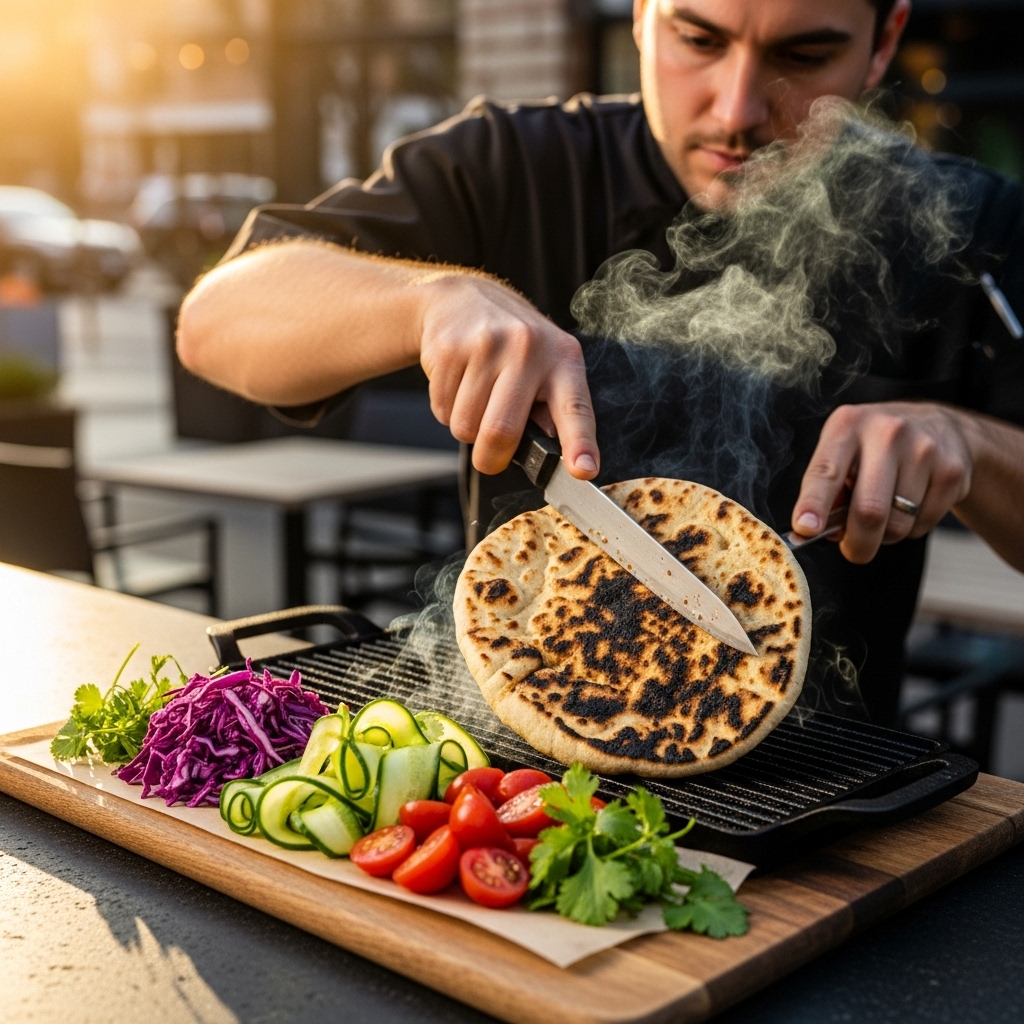
Chefs around town have embraced the flavor of flame. Light charring and blistering on pita surfaces add a smoky note that wakes up the palate. You’ll see this technique applied to pitas warmed over open flames or high-heat stones, then rushed to the table with dips whose herbs and spices light up against that hint of smoke. Home cooks are following suit with cast-iron skillets and backyard grills, discovering that a minute of extra heat turns a good wrap into a memorable one.
That char isn’t just for looks; it improves aroma and texture, creating crispy spots that contrast with the soft interior. Pair it with grilled eggplant, peppers, and lemony dressings, and you have a dish that tastes like sunshine even in the middle of winter.
Trend 3: Color-Forward Fillings
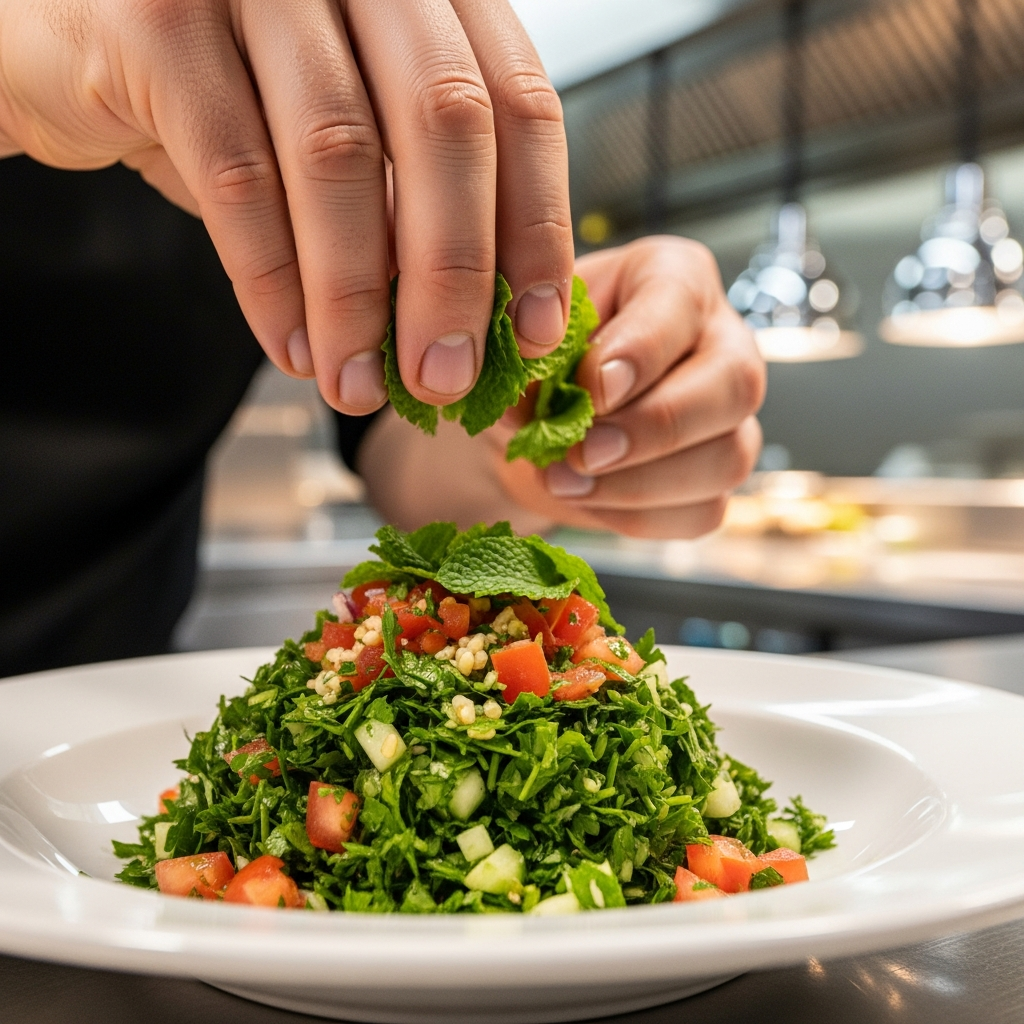
Naperville’s markets inspire cooks to chase color. The latest pita trend is all about bright, vegetable-forward fillings that deliver crunch, acidity, and freshness. Chefs are layering rainbow salads inside warm rounds: purple cabbage for bite, cherry tomatoes for sweetness, cucumbers for coolness, and herbs like mint and parsley for lift. Proteins play a supporting role—grilled chicken, crispy falafel, or seared halloumi—while dressings bring it all together with citrus and spice.
At home, this approach simplifies decision-making. Buy what looks best, roast or chop generously, and use pita as your vehicle. The bread’s gentle flavor makes it easy to keep vegetables front and center while satisfying the need for a complete, portable meal.
Trend 4: Dips That Do More
Hummus will always be a favorite, but Naperville kitchens are exploring beyond the classics. Smoky baba ghanoush, whipped feta with herbs, and spicy red pepper spreads now share space on appetizer boards. These dips serve double duty: they’re brilliant for scooping with torn pita, and they transform into sauces when spread inside a wrap. The versatility means leftovers never feel like leftovers; yesterday’s dip becomes today’s sandwich foundation, braided with fresh vegetables for new texture and contrast.
Restaurants are also leaning into playful garnishes—pomegranate seeds, toasted nuts, and herb oil drizzles—turning a classic dip-and-bread combo into a dish that looks as exciting as it tastes. The effect is especially welcome at gatherings where people want to graze while chatting.
Trend 5: Family-Style and Shareable Spreads
Sharing food is second nature in Naperville, where weekend dinners often stretch into long conversations. Pita lends itself to this style of eating. Big platters of grilled meats, heaping salads, and stacks of warm bread invite everyone to build their own perfect bite. It’s a relaxed way to eat that also caters to varied preferences. Someone might go heavy on the greens; someone else adds extra spice. Because pita plays well with so many components, no one feels cornered into a single option.
This shareable format also makes it easy to accommodate dietary needs. Many components can be served separately—proteins, vegetables, and sauces—so diners assemble what fits their goals. It’s hospitality that feels generous and practical at once.
Trend 6: Smarter Home Stocking
Home cooks in Naperville have figured out a rhythm for keeping pita in the rotation. The strategy is simple: buy fresh for immediate use, freeze the rest, and revive with heat. Because the bread rebounds so well, you can plan weeknight meals without a last-minute store run. Pita’s compact shape means it stacks neatly in the freezer, and it defrosts quickly on the counter.
Another part of smart stocking is maintaining a pantry with Mediterranean-leaning staples—chickpeas, tahini, olives, and a few good spices. Together with a bag of greens and a couple of vegetables, you can assemble a pita-based meal that feels restaurant-worthy without much effort.
Trend 7: Flavor Crossovers
Naperville chefs love a good mash-up, and pita is the perfect stage. You’ll find pita wraps that nod to global flavors while staying grounded in Mediterranean technique—think spice-rubbed meats with cooling yogurt, or charred vegetables dressed with citrus and fresh herbs. These crossovers honor tradition while meeting diners where their curiosity lies. It’s not fusion for fusion’s sake; it’s about building harmony on the plate.
At home, crossovers might mean adding a favorite hot sauce to a classic wrap or sprinkling toasted seeds for crunch. Small, personal touches turn a familiar formula into something uniquely yours.
Trend 8: Better Lunches, Faster
Remote work and hybrid schedules have pushed many of us to rethink midday meals. Pita has answered the call with speed and reliability. A quick wrap—leftover roasted vegetables, a smear of hummus, and a handful of herbs—feels fresh and energizing compared to heavy options. Because the assembly is so simple, you’re more likely to make lunch rather than skip it or settle for something unsatisfying. That in turn leads to steadier energy and happier afternoons.
Office-goers benefit too. Pita wraps hold up in transit and look appealing when unwrapped at your desk. A compact, tidy meal with bold flavors often beats whatever’s available in a vending machine or rushed cafe line.
Trend 9: Technique-Driven Baking
Behind the scenes, local bakers focus on the details that make pita exceptional. Proper proofing ensures a pocket forms; high heat creates the signature puff; and timing guarantees the bread reaches guests warm and pliable. Some kitchens are reviving traditional methods—stone-deck ovens, long ferments—to coax more flavor from simple ingredients. Diners may not notice the technical steps, but they taste the result: pitas that tear with gentle resistance and perfume the table with the smell of fresh grain.
Home bakers are experimenting as well, using pizza stones and cast iron to mimic professional heat. The joy of watching a pita inflate in your oven never gets old, and the payoff—minutes-later sandwiches that taste like a celebration—justifies the effort.
Trend 10: Inspiration Loops Between Home and Restaurant
Ideas flow both ways in Naperville. Home cooks borrow ideas from restaurants, then share their own twists with friends, who in turn bring them back to chefs as requests or suggestions. The loop keeps menus dynamic and home cooking fresh. If you’re ever at a creative standstill, peek at a trusted restaurant’s menu; the combinations you see can become templates you remix at your own stove.
This exchange strengthens our food community. It creates a common language built on herbs, spices, and the warm rounds of bread that hold everything together.
Where Pita Is Headed Next
Looking ahead, expect continued emphasis on grains, technique, and produce. Chefs will keep pushing for breads that are both flavorful and nourishing, while home cooks refine methods for quick, satisfying meals. Sustainability will shape choices too: minimizing waste by turning yesterday’s dip into today’s sauce, or using every leaf and stem to add texture and freshness to wraps. Pita’s adaptability means it will stay at the center of Naperville’s table, growing with our tastes instead of chasing trends for their own sake.
As more families cook together, I foresee pita nights becoming a weekly ritual. Everyone assembles their own wrap, and the table buzzes with little trades: extra tomatoes for more cucumbers, an herb sprinkle passed down the line. These rituals aren’t just tasty—they teach kids to explore flavor, respect ingredients, and enjoy a sense of agency in what they eat.
Frequently Asked Questions
Here are answers to common questions I hear from readers curious about keeping up with Naperville’s pita trends.
What’s the advantage of whole-wheat or heirloom grain pita?
They offer more flavor and fiber while staying flexible and pocket-friendly. When properly baked, these pitas remain soft enough for wraps yet sturdy for saucy fillings. The nuttier profile pairs beautifully with roasted vegetables, grilled meats, and herb-forward toppings.
How do I get that restaurant-like char at home?
Use high heat and dry surfaces. A cast-iron skillet or pizza stone preheated until very hot gives you the blistered spots that add aroma and texture. Work quickly so the bread doesn’t dry out; a brief rest wrapped in a clean towel helps retain steam and softness.
What fillings feel most current in Naperville right now?
Colorful, vegetable-forward combinations with crisp textures and bright dressings. Think cabbage and cucumber slaws, cherry tomatoes, herbs, and a lemony tahini drizzle, with protein playing a supportive role—grilled chicken, falafel, or halloumi are reliable choices.
Can I prep components in advance without losing freshness?
Yes. Store dips and chopped vegetables separately, keep greens dry, and warm pita right before assembly. Roasted vegetables hold up well for several days and become even more flavorful after a night in the fridge. Assemble wraps just before eating for the best texture.
What’s a simple strategy for better weekday lunches?
Adopt a template: spread, vegetables, protein, herbs, acid. With that pattern in mind, you can mix and match from whatever you have. Keep pita on hand in the freezer, defrost quickly, and build a wrap in minutes that tastes intentional and satisfying.
How do restaurants in Naperville keep pita so consistent?
They focus on process. Controlled proofing, high-heat baking, and timing bread service to the moment guests are ready ensures warm, soft rounds. Many kitchens train staff to handle bread carefully and reheat gently as needed, preserving texture from oven to table.
If you’re eager to taste what’s trending—and bring those ideas home—plan a low-key food adventure this week. Meet a friend, compare notes on a standout pita wrap, and let a trusted local spot’s menu guide your next flavor experiment. Back in your kitchen, keep pita stocked, embrace color and char, and enjoy how effortlessly this humble bread keeps pace with Naperville’s evolving tastes.