The Pulse of Halal Online Ordering in Naperville
Naperville’s dining landscape thrives on a balance of tradition and innovation, and nowhere is that clearer than in how residents order halal food online. Whether you’re near the Riverwalk, tucked by 95th Street and Book Road, or commuting along Route 59, the rhythms of our city show up in digital order patterns, flavor preferences, and even the way we time pickup versus delivery. When you open a reliable menu late on a Tuesday or during a Saturday family rush, you’re stepping into a living snapshot of local habits. As a local observer who has watched these patterns evolve, I’ve seen several distinct trends shaping what we eat, when we eat it, and how restaurants are adapting to serve Naperville better than ever.
These aren’t abstract national tendencies; they’re grounded in the reality of our streets, schools, and schedules. You can trace them from a crowded stretch of Ogden Avenue to a quiet cul-de-sac near Tall Grass. The threads are consistent: a preference for reliability, a hunger for new flavors without sacrificing familiar comforts, and a sincere desire to support local businesses that return the favor with consistent quality. Online halal ordering has become the meeting place for those needs, and the trends illuminate how this relationship keeps growing stronger.
Trend 1: Precision Timing Around Busy Lives
Naperville is a planner’s city. We schedule around sports practices at Nike Sports Complex, rehearsals at North Central College, and the ebb and flow of traffic that defines the Route 59 corridor. That mindset shows up in online halal ordering through a clear preference for precise pickup windows and honest delivery ETAs. People here appreciate knowing when a wrap will be ready to grab curbside or when a platter will arrive at the door. Restaurants that post realistic timeframes—and then meet them—see repeat orders not because they’re flashy, but because they honor a simple truth: time is Naperville’s most valuable currency.
We also see a strong midweek peak framed by family logistics. Wednesdays and Thursdays often spark orders timed to land within a 30- to 40-minute window between carpools and homework. The predictability isn’t about rushing; it’s about preserving calm. When an online platform makes it easy to plan around the rest of life, people reward that reliability with loyalty.
Trend 2: Customization as a Baseline
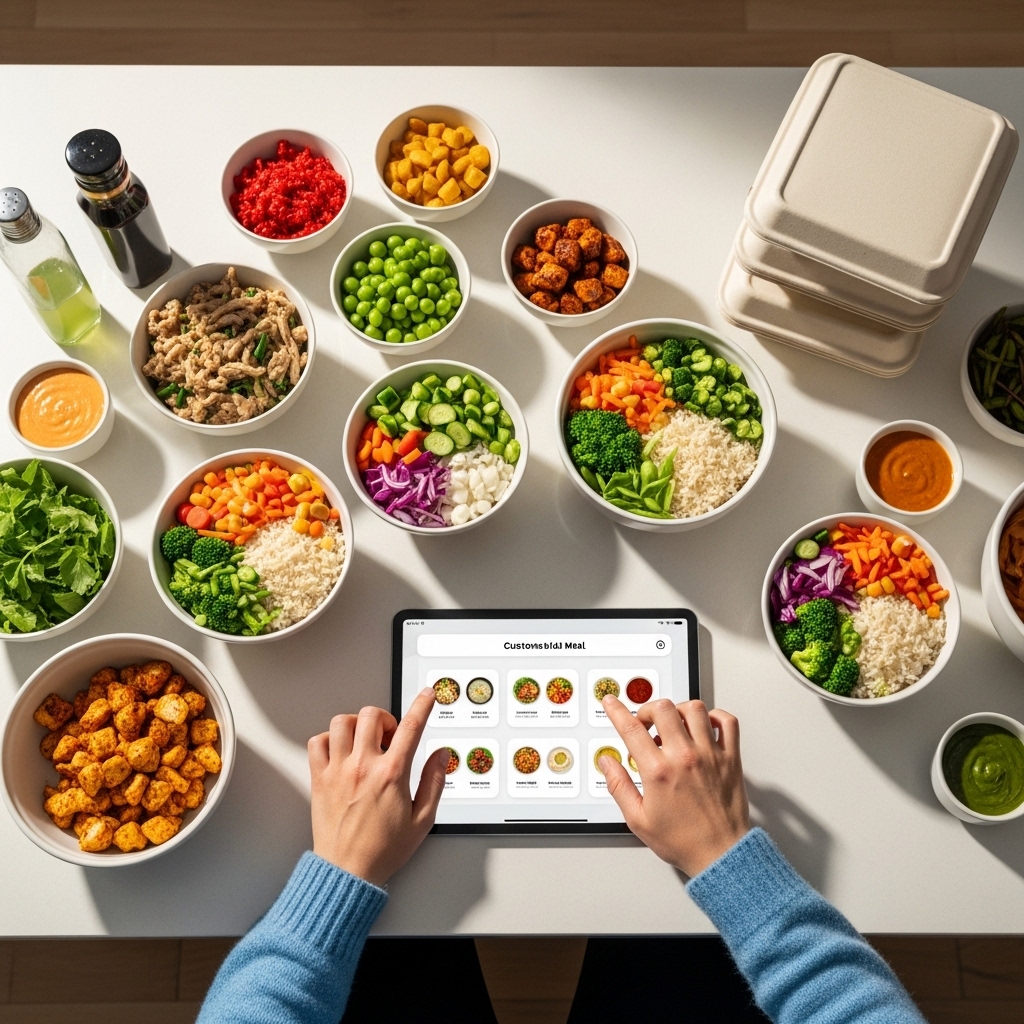
Another defining trend is customization, not as an add-on but as a baseline expectation. Naperville households often mix adventurous palates with simpler preferences at the same table, and online halal systems that offer detailed options make it possible to keep everyone happy. Extra garlic sauce, lettuce swapped for rice, sauces on the side so spice remains adjustable—these are everyday requests. Restaurants are responding by structuring digital flows that capture preferences cleanly and translate them into kitchen tickets without confusion.
This customization trend links directly to trust. When a family knows their requests will be honored, they experiment more. The kitchen’s consistency becomes an invitation to try new dishes, order a different side, or aim for a bolder spice level. That iterative exploration—anchored by a reliable experience—is a hallmark of Naperville’s halal ordering culture.
Trend 3: Packaging That Respects the Commute
Because many customers are picking up between stops or counting on delivery during a commute home, packaging matters more than most people realize. We see consistent praise for containers that keep hot items warm without steaming them into sogginess, for well-sealed sauces, and for thoughtful bag organization that makes serving easier. This is particularly important for orders traveling from the Ogden Avenue corridor to neighborhoods further south or west; the difference between decent and outstanding often lies in how the food is secured for the ride.
Restaurants are investing in better packaging, and customers are noticing. Naperville’s eco-minded households also push for sustainable options where possible. The shared expectation is simple: flavor and texture should survive the trip. When they do, reorder rates climb because the home experience matches the in-restaurant experience closely enough to feel equally satisfying.
Trend 4: Flavor Confidence and Smart Exploration
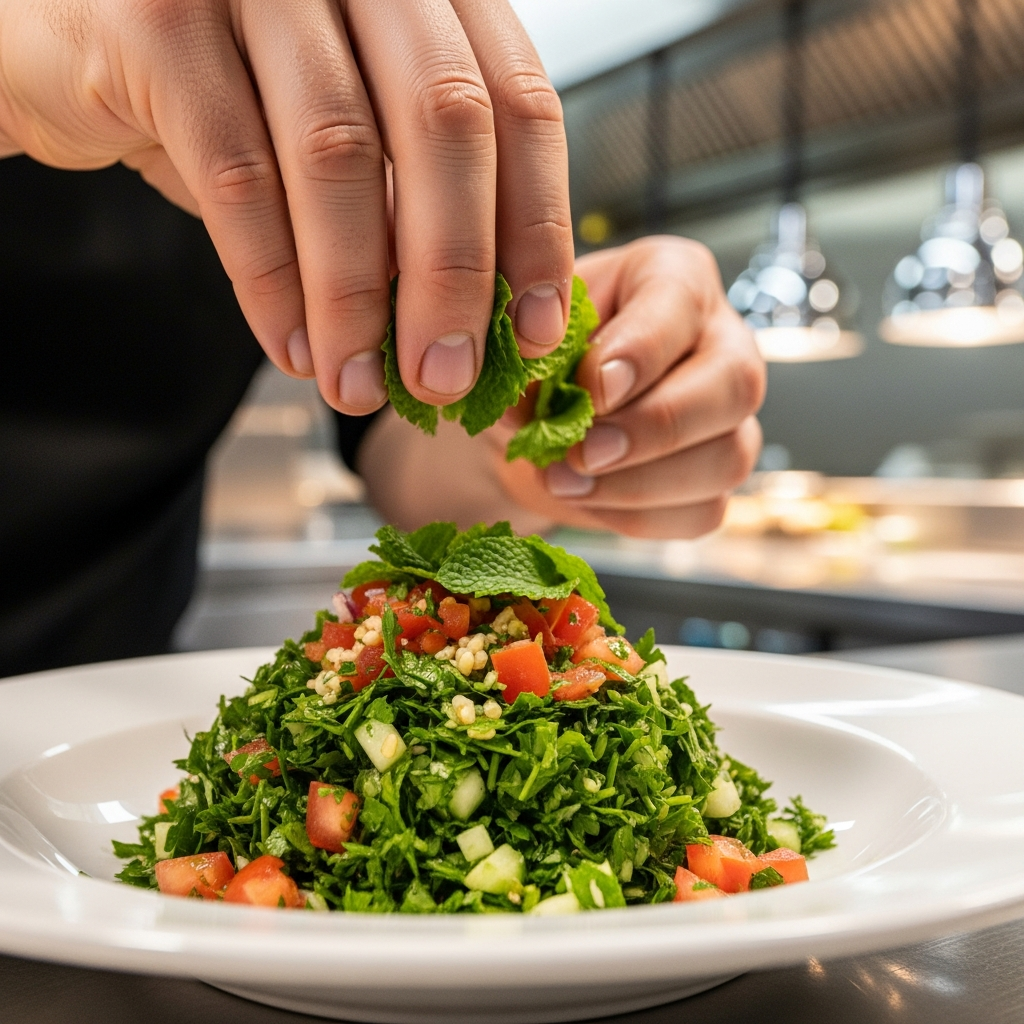
Locally, we’re seeing a growing comfort with bold flavors—spices that bloom, pickles that pop, and sauces that balance heat with brightness. But that exploration isn’t random; it’s guided by clear digital descriptions. When a menu explains a dish with just enough detail—what spices define it, how the textures play, which sauces complement it—Naperville diners take the leap. They’ll add a new side to the usual platter or switch proteins, and that curiosity keeps the city’s halal scene vibrant.
At the same time, families appreciate the safety net of familiar favorites. The trend isn’t to abandon staples; it’s to augment them. A go-to shawarma might find company in a rotating seasonal item, and over time those seasonal experiments can become new staples. The combination of reliable classics and smartly framed novelty is shaping how restaurants build out their offerings.
Trend 5: Reorder Culture and Digital Memory
Reordering is huge here. Once households establish a baseline set of favorites, the reorder button becomes a weekly ritual. This has nudged restaurants to improve digital memory—remembering past orders, saving custom notes, and making it easy to replicate a complex configuration without starting from scratch. The psychological effect is powerful: when repetition is effortless, good habits become natural. In practice, it means more weeknights end with a warm, halal meal that fits the household’s rhythm.
That reorder culture also encourages micro-adjustments. People tweak spice levels or swap sides based on how the last order landed. That feedback loop strengthens the relationship between diner and kitchen, building a culture of continuous improvement that benefits both sides.
Trend 6: Pickup vs. Delivery by Neighborhood
One of the more interesting local patterns is how neighborhoods choose between pickup and delivery. Households near Downtown or Route 59 often favor pickup because it dovetails with errands and commuter routes. Farther-flung neighborhoods lean into delivery, especially during bad weather or heavy traffic. The best halal spots in town respond by tuning their operations accordingly—staffing curbside lanes during peak pickup hours and coordinating drivers efficiently when delivery surges. The result is smoother evenings for diners and a steadier workflow for kitchens.
On weekends, delivery tends to spike right after major events—sports tournaments, concerts, and community gatherings. Restaurants that anticipate those waves, prepping staples and sauces ahead of time, see shorter wait times and happier customers. These micro-strategies demonstrate how closely local kitchens are paying attention to Naperville’s rhythms.
Trend 7: Family-Forward Ordering
Naperville’s family orientation shapes halal ordering in subtle ways. We see a consistent emphasis on sharable items and combinations that let everyone customize a plate at the table. Parents gravitate toward configurations that keep dinner neat, fast, and balanced. With clear item descriptions and dependable packaging, dinner transitions from bags to plates quickly—an underrated victory on a weeknight with homework and bedtime looming.
Kids’ preferences inform the evolution of sides and sauces, too. Kitchens take note of what disappears fastest from family orders and streamline to match. That listening loop reflects a larger Naperville trend: restaurants succeed when they treat online ordering as a dialogue, not just a checkout page.
Trend 8: Tech-Savvy Hospitality
Hospitality here now lives both at the counter and in the code. Clean navigation, accessible labeling, and responsive customer service have become shorthand for care. Diners experience hospitality when order notes are followed to the letter, when messages are answered quickly, and when the kitchen anticipates needs, like extra napkins or separating sauces. The technology isn’t replacing the human touch; it’s amplifying it, making thoughtful service scale smoothly across busy evenings.
In Naperville, where residents expect both efficiency and warmth, this blend of tech and hospitality has set a high bar. Restaurants that keep refining their interfaces and training their teams to work in sync with those tools are the ones shaping the next chapter of local halal dining.
Trend 9: Seasonal Rhythms and Celebrations
Seasonality leaves a clear fingerprint on orders. As temperatures drop, comfort-leaning combinations rise. During Ramadan, iftar timing shapes pickup and delivery patterns, with households coordinating carefully around sunset. In summer, park meetups and backyard gatherings drive larger, sharable orders. The best halal kitchens plan for these shifts by prepping staples, communicating honestly about timing, and aligning staffing with expected surges. That perspective—treating the calendar as a partner—has become a defining feature of Naperville’s halal operations.
Local events play a role, too. A busy weekend near the Riverwalk or a festival downtown can change traffic flows and delivery times. Restaurants that message those changes clearly see more patient, satisfied customers because expectations are aligned. Transparency turns a potential headache into a shared plan.
Trend 10: Education Through Description
Finally, education has become part of the digital experience. Menus that teach—briefly and clearly—help diners step beyond the familiar. A sentence about how a spice blend works or why a certain side complements a protein can turn hesitation into enthusiasm. Naperville diners respond to that guidance with appreciation, and it shows up in order diversity. This trend isn’t about lectures; it’s about gentle nudges that expand a household’s comfort zone over time.
The payoff is a virtuous cycle. As more people explore confidently, kitchens feel empowered to introduce new items, and the city’s halal scene stays dynamic without sacrificing the staples that built trust in the first place.
Where the Trends Lead Next
Looking ahead, expect even tighter integration between digital tools and kitchen workflows. We’ll likely see smarter prediction of pickup times based on traffic patterns, clearer allergen labeling, and continued investment in packaging that’s both effective and environmentally conscious. Naperville diners will keep rewarding honesty, precision, and warmth—online and at the door. And as our community grows and changes, halal kitchens will continue to anchor the city’s culinary diversity with steady hands and bold flavors.
At the end of the day, these trends point to a simple truth: online halal ordering in Naperville isn’t a fad. It’s a mature, evolving partnership between households who value their time and kitchens that value their craft. Each week adds another layer of trust, another chance to explore, and another reason to believe that dinner can be both easy and excellent.
Frequently Asked Questions
What times of day see the most online halal orders in Naperville?
Weeknights between early evening and eight o’clock are steady, with a pronounced midweek bump. Weekends often surge after community events and sports. Precise pickup windows and accurate ETAs help smooth those peaks.
Are people in Naperville ordering more delivery or pickup?
It varies by neighborhood. Downtown-adjacent areas lean pickup because it fits errands and commuter routes, while farther neighborhoods rely more on delivery, especially in bad weather or during heavy traffic.
Do diners here prefer familiar items or new flavors?
Both. Households maintain dependable favorites but are increasingly exploring bolder flavors when menus describe items clearly. Education paired with reliability drives that exploration.
How important is packaging to local diners?
Very. Because many orders travel across town, packaging that preserves heat and texture is a major factor in reorder decisions. Thoughtful organization and sealed sauces make serving at home easier.
What role do digital tools play in hospitality?
A big one. Clean navigation, saved preferences, and responsive communication make the experience feel cared for. Technology amplifies the human touch rather than replacing it.
How do seasonal events influence orders?
Cold weather boosts comfort-forward combinations; summer favors sharable orders for outdoor gatherings. During Ramadan, iftar timing guides demand, and clear communication from restaurants helps keep everything smooth.
If you want to see these trends in action and find something that fits tonight’s plans, browse the menu, choose a favorite or try something new, and let a trusted local kitchen bring Naperville’s evolving halal scene to your table.