
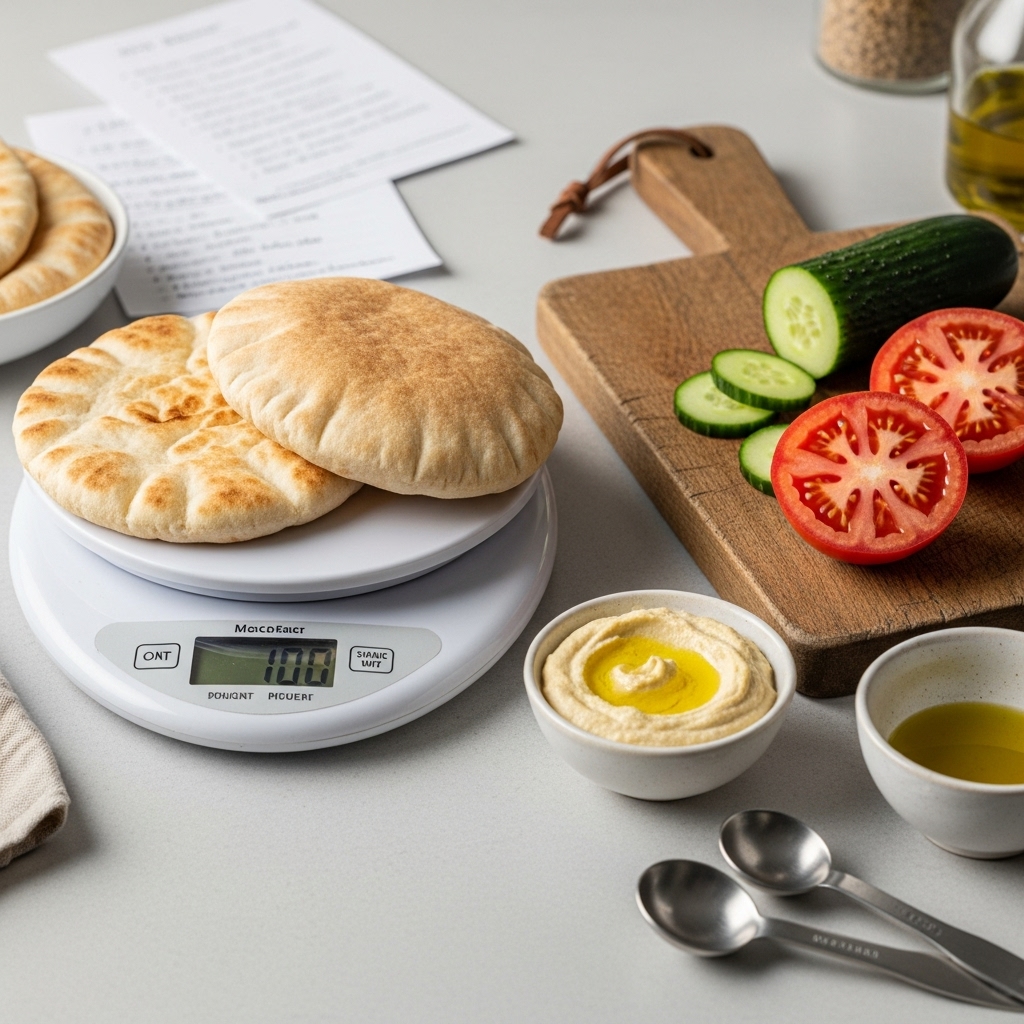
A Practical Naperville Guide to Pita Calories and Smarter Choices
Shoppers in Naperville are a savvy bunch. We scan labels in bright aisles, we ask for whole grains at the bakery counter, and we juggle weeknight dinners with weekend gatherings along the Riverwalk. When it comes to pita bread, the nutrition panel tells only part of the story. Calories vary by size, flour type, and moisture content, but how you serve and fill your pita matters just as much. Understanding the levers—portion size, ingredients, cooking technique, and pairing—helps you enjoy your meal fully without guesswork. If you like to start with inspiration and work backward, peeking at a Mediterranean menu can remind you how different pita styles show up on a table: some for dipping, some to wrap a hearty filling, others sliced into wedges as a side.
Let’s begin with a baseline. A standard round pita baked to pocket form typically lands in the same calorie neighborhood as a slice or two of sandwich bread of comparable weight. A compact, six-inch pita often contains fewer calories than an oversized flatbread wrap because it carries less flour and water. Whole wheat versions typically share similar calorie totals gram-for-gram with white flour pitas, though they bring extra fiber and a different satiety profile. Brands vary, recipes vary, and moisture affects weight, so the label is your friend when you’re shopping on Ogden or Route 59. But at home or at a local bakery, there are clear, practical cues that make estimation easier.
Size, Thickness, and Moisture
Calories scale with size. Thicker, larger pitas simply contain more dough. If you bake at home, rolling to a consistent quarter-inch thickness helps standardize outcomes. Moisture also matters because it influences the final weight. A pita that loses more water in the oven—browned slightly longer or baked on an ultra-hot steel—dehydrates more and weighs less post-bake, but it began with the same flour and oil. In other words, color doesn’t equal calories; it’s the dough quantity that counts. When comparing store-bought options at your usual Naperville markets, check serving sizes on labels, which can differ between brands and mislead if you’re not reading closely.
When you’re eating out, the clue is footprint and chew. A very soft, pillowy pita with generous diameter likely carries more dough than a petite, crisp-edged version baked thinner for dipping. If you’re tracking intake, consider sharing larger rounds or saving half for later; pita holds up well if wrapped and reheated gently at home.
Flour Choices and Fiber’s Role
White and whole wheat pitas often sit close in calorie count. The difference you feel is in fiber and micronutrients. Whole wheat brings bran and germ, slowing digestion for some folks and contributing to fullness that can steady your appetite throughout an afternoon of errands or a walk near Naper Settlement. A blended approach—part whole wheat, part white—preserves tenderness while nudging fiber upward. If you’re baking at home, you can tailor this balance precisely: a third whole wheat is a sweet spot for many, preserving puff with wholesome flavor.
Alternative flours shift the conversation. Gluten-free blends may vary significantly in starch composition and fat content, altering both texture and digestion. Calories remain tied to total ingredients by weight, not the “gluten-free” label. Look at the back of the bag, not the claim on the front. If you’re choosing for satiety rather than strict calories, opt for versions with meaningful fiber or pair your pita with high-fiber fillings like crunchy vegetables and legumes.
Oil, Sweeteners, and Browning
Classic pita dough includes a modest amount of oil and a touch of sweetener. The oil tenderizes and adds flavor; the sweetener supports yeast and browning. At home, you can dial these up or down. Reducing oil slightly shifts texture from tender to chewier without transforming calorie totals dramatically, but it can help if you prefer a leaner profile. Browning is primarily a visual cue and a flavor boost; it doesn’t imply more calories unless it comes from added fat brushed on before or after baking.
For shoppers scanning bakery cases, visual assessment offers clues but not certainty. A glossy surface might mean a light oil brush; a matte finish suggests a drier bake. Ask the baker how they treat their rounds if you’re curious about ingredients, especially when planning for guests who track intake for health goals.
Calories in Context: What You Put Inside
Most of us enjoy pita as the delivery system for something delicious. That’s where calories swing. A simple dip-and-scoop approach with vegetables and a light spread adds minimally. Build a stuffed sandwich with roasted meats, creamy sauces, and generous condiments, and totals can climb. Neither approach is “right” or “wrong”—it’s all about intention. If your goal is a balanced lunch before a busy afternoon on Washington Street, lean on crisp greens, tomatoes, cucumbers, pickles, a protein you enjoy, and a sauce that adds flavor without pooling at the bottom of the pocket. You’ll get texture, satisfaction, and staying power.
For gatherings, wedges of pita alongside spreads and salads let everyone calibrate. People naturally adjust intake when faced with mix-and-match plates. Offer bright, herb-forward salads and plenty of crunchy elements; these add volume and freshness that complement pita’s soft chew without overwhelming calorically.
Homemade vs. Store-Bought
Homemade pita offers control. You decide the size, thickness, and oil level. Bake smaller rounds for portion-friendly meals or slightly larger for family-style spreads. Weighing dough balls before rolling standardizes results if you like to track. Store-bought pitas bring convenience and consistency. In either case, the smartest approach is to build your plate around the meal you want: a hearty sandwich for a post-run hunger, or a lighter pairing for a midweek lunch when you’ll be seated at a desk.
One advantage of baking at home is freshness. Warm pitas are more flexible, and you’ll need less sauce to achieve the same luscious mouthfeel—an easy, satisfying way to keep the overall balance in check. Plus, the aroma alone brings people to the table, where conversation and mindful eating naturally slow the pace.
Reading Labels Like a Local
In Naperville’s grocery aisles, labels vary. Some show calories for half a pita, others for a whole round. Some list a serving as 60 grams; others as 80 grams. Match like to like when comparing. Scan ingredients for oils and sweeteners; small amounts are standard. If fiber matters to you, aim for options with at least a few grams per serving. If sodium is a consideration, note that pitas can range widely depending on brand and style; lower-sodium versions exist, and homemade is the easiest route to precise control.
When grabbing a quick bite between errands on Route 59 or planning a picnic by Centennial Beach, recognize that context shapes your choice. A smaller round with generous vegetables and a lean protein might be perfect for staying energized without feeling weighed down.
Cooking Techniques and Their Effects
Baking on a blazing-hot stone encourages rapid puff and a tender interior, which can make a pita feel more substantial without actually changing calories. A skillet method with a light oil brush adds flavor and aroma; it nudges calories up slightly depending on how much oil you use. Finishing over an open flame for char adds drama but not meaningful calories. If you love a crackly edge for dipping, a minute longer in the oven dries the surface and concentrates flavor while reducing moisture by a few grams—again, weight changes but the ingredients don’t.
When reheating, wrap pitas to trap steam. Microwaving can toughen if uncovered; a quick skillet pass revives flexibility with minimal extra fat. If you brush oil after baking, do it sparingly; a little goes a long way in flavor and gloss.
Building Satisfying Plates
A satisfying pita meal balances textures and temperatures. Cool, crisp components—cucumber, lettuce, tomato, herbs—play well with warm proteins and sauces. If you’re building a plate for guests with varied goals, set out a range of options. Roasted vegetables, tangy pickles, and a yogurt-based sauce bring brightness that complements richer elements. People naturally assemble to taste, and that autonomy leads to happy, balanced plates without rigid rules.
When you need ideas, a quick look at a shawarma-focused shawarma menu can spark combinations that hit all the sensory notes. Think cool-herb crunch against warm spice, or citrus against smoke. With that inspiration in mind, you can calibrate portions to match your plans for the day.
Portion Tips for Everyday Life
On busy weekdays, consider the half-and-hold approach: fill half a pita generously and save the other half for later. For a riverfront picnic, cut pitas into smaller wedges so grazing stays light and social. At home, weigh dough balls if you’re baking and want predictable outcomes—60 to 80 grams per pita is pleasing for most appetites and keeps calories in a familiar range.
Mindful eating habits go a long way. Sit down, put the phone away, and eat at a pace that lets you notice how you feel. Pita’s soft texture lends itself to slow, appreciative bites—a natural ally for balance.
Frequently Asked Questions
Is whole wheat pita lower in calories than white?
Not necessarily. Calorie counts tend to be similar by weight, but whole wheat usually provides more fiber and micronutrients, which can affect fullness and how satisfied you feel after eating.
How much does size affect calories?
Significantly. A six-inch round typically contains less dough than an eight-inch one. When comparing options, check serving weights or simply choose smaller rounds if you’re aiming for a lighter meal.
Does browning mean more calories?
Browning reflects heat and sugar-protein reactions, not calorie increases, unless extra oil or sugar was added. A well-browned pita can weigh slightly less due to moisture loss, but the ingredients remain the same.
Are gluten-free pitas lower in calories?
They can be similar or slightly different depending on the blend, but the label “gluten-free” doesn’t automatically mean fewer calories. Check serving sizes and fiber content to compare options fairly.
What’s the best way to reheat without adding many calories?
Wrap pitas and warm them in a low oven or pass them over a hot skillet briefly. This restores softness without needing extra oil. If you love a glossy finish, brush sparingly; a small amount makes a big flavor impact.
How should I plan portions for a family meal?
Standardize size if you’re baking at home, and set out abundant vegetables and lean proteins alongside richer options. Let everyone assemble to taste. For younger eaters, smaller pitas or wedges keep servings flexible.
When you’re ready to turn these ideas into dinner, gather a few fresh ingredients, warm your pitas gently, and build plates that fit your day. For inspiration on flavor pairings and fillings that feel right at home in Naperville, a quick browse through a Mediterranean menu can help you craft a satisfying, balanced spread.