There is a moment in almost every Naperville lunch hour when the line moves, the warm aroma of toasted wheat drifts from the kitchen, and you are three people away from placing an order. You want something satisfying that will carry you through the afternoon, but you also want to feel light enough to tackle the walk back along the Riverwalk or the errands waiting on Ogden. Pita bread sits at the center of that decision. Calories matter, not because we should fixate on them, but because they provide a framework for smarter choices. When you understand how portion size, fillings, and sauces shape the overall picture, you can order with confidence and enjoy every bite. Think of this as your local guide to building better pita meals in Naperville, informed by countless lunches uptown and late dinners near 95th Street. If you need quick inspiration for how to structure a balanced wrap, a glance at a thoughtfully arranged menu can be a helpful starting point.
Let’s begin with the bread itself. A typical pita round delivers a familiar calorie range for wheat bread, and that number scales with size. Thicker, larger pitas naturally provide more energy, while smaller rounds keep the base lighter. Neither is inherently better; it depends on your day. If you are heading into a busy afternoon with meetings and a workout after, a full-size pita with satisfying fillings might be exactly right. If you are looking for a lighter lunch before an evening event at North Central College, a half pita or a smaller round with extra vegetables can be perfect.
Building a Smarter Pita, One Layer at a Time
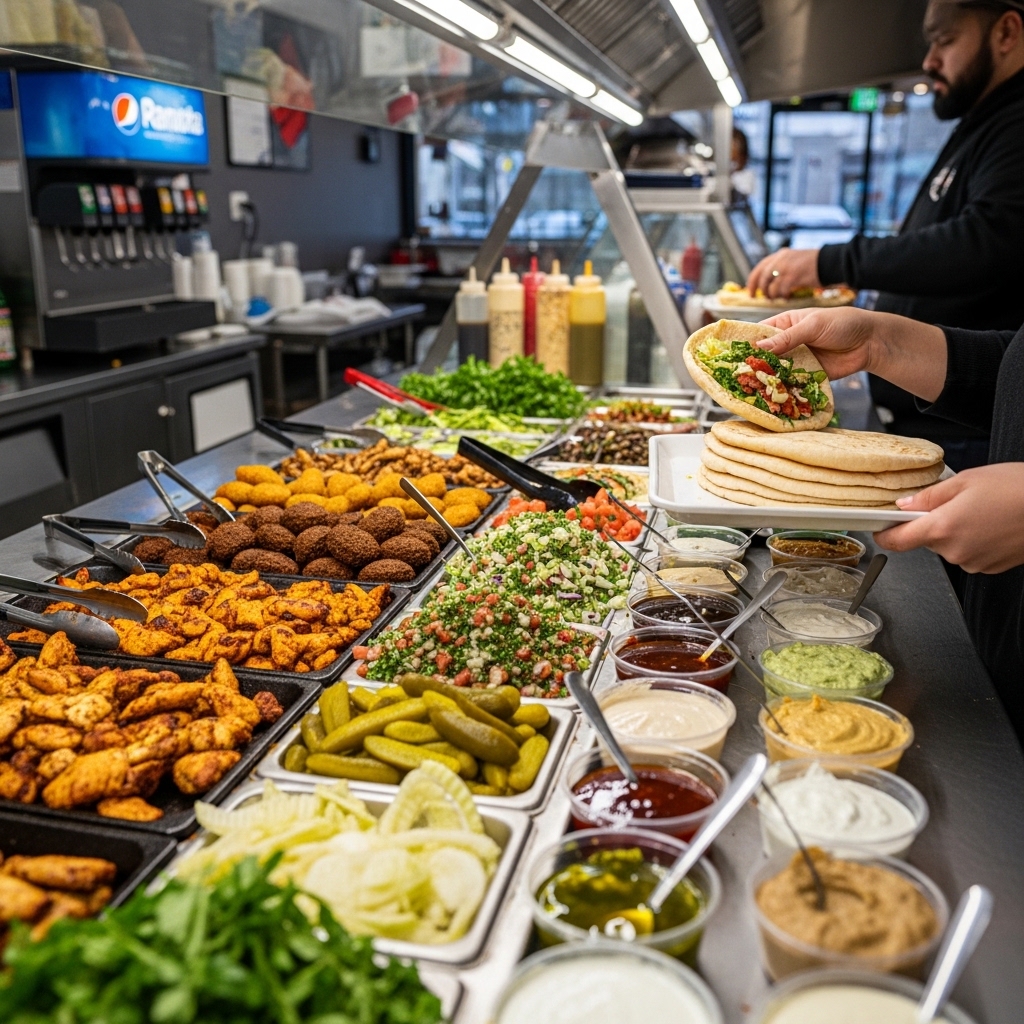
Calories add up in layers, so the smartest orders consider each component. Start with the pita as a canvas. Ask yourself what role you want it to play: a modest base for a salad-like filling, or the backbone of a heartier wrap. Next, look at protein. Grilled options tend to bring solid flavor and texture without pushing the meal over the top. Legume-based fillings like falafel can be wonderfully satisfying, particularly when balanced with crisp vegetables and a bright sauce. The key is that protein slows digestion, keeping you full longer, which can help prevent grazing later in the day.
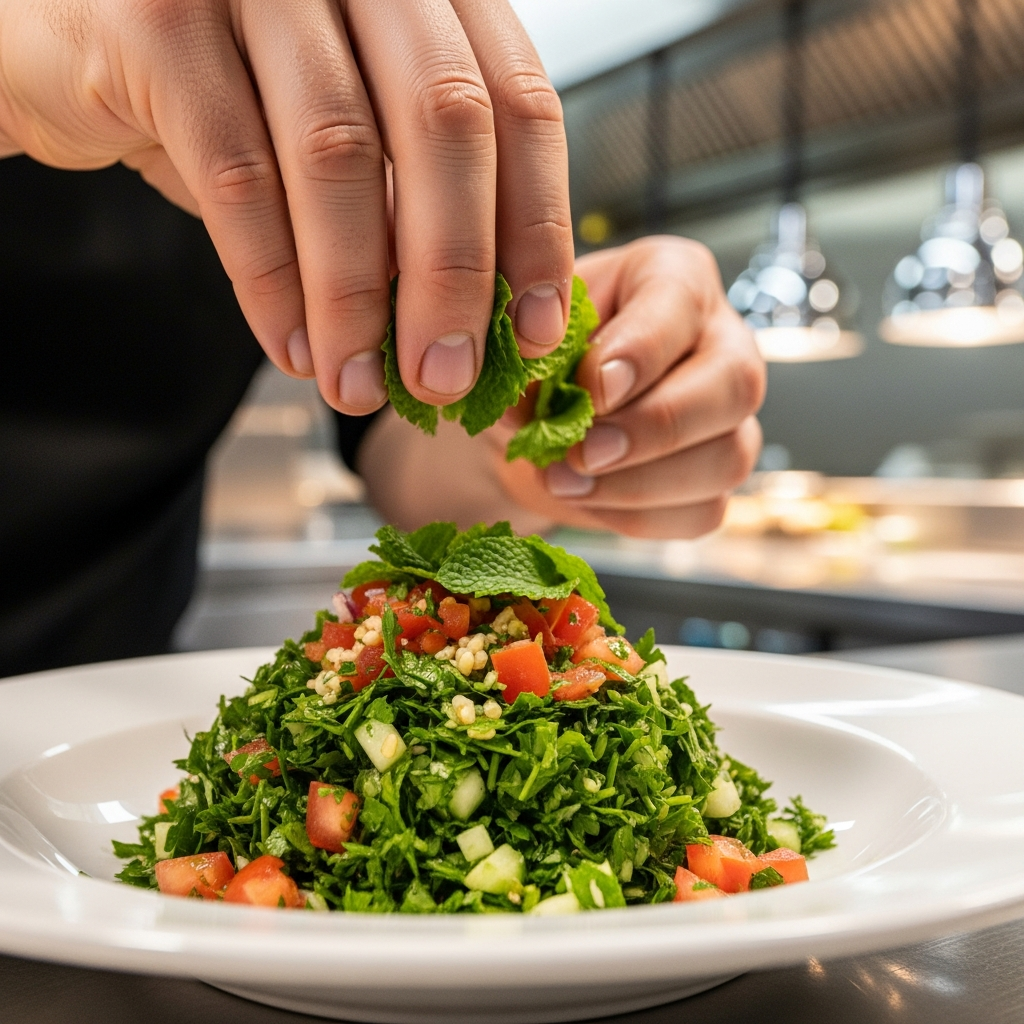
Vegetables do double duty, adding volume and crunch while bringing vitamins and minerals with minimal calories. Naperville counters are full of options—tomatoes, cucumbers, onions, fresh herbs, pickled vegetables—and the best orders leverage them generously. Ask for a little extra salad, and you will notice how it stretches the meal and keeps each bite lively. It is a simple trick that works every time.
Sauces: Bold Flavor, Measured Hand
Sauces are where a lot of the personality—and a meaningful portion of the calories—show up. Garlic sauce, tahini, yogurt-based blends, and spiced dressings turn the pita into a craveable wrap. The smartest move is not to skip sauce but to use a measured hand. A drizzle or a spoonful placed strategically adds flavor to every bite. If you are ordering for takeout to enjoy by the Riverwalk, ask for sauces on the side. That way you control how much ends up in the pocket and how much you save for dipping. Over time, you will get a feel for the amount that hits your sweet spot.
As you develop your Naperville ordering routine, you will also learn your preferences for pita styles. Some shops serve larger, thinner rounds that wrap easily; others offer slightly thicker pitas with a good chew that hold more substantial fillings without tearing. The style influences the total calories indirectly, because it shapes how much you can comfortably put inside. Pay attention to how your favorite spots build their wraps. The balanced ones often start with a cushion of salad, then add protein, then finish with a zigzag of sauce so each bite gets a little of everything.
Whole Wheat or White?
Choosing whole wheat versus white pita does not radically change calories, but it does affect how the meal feels. Whole wheat brings extra fiber, which can help you feel satisfied longer. It also tastes a bit nuttier, which means you may lean into brighter, herb-forward fillings that keep the wrap refreshing. White pita is tender and neutral, a great choice when you want the softest possible texture or when the sauce is the star. In Naperville, you can find both easily, often in the same line, and many diners switch between them depending on the day.
Smart ordering is not about austerity; it is about harmony. If your protein is rich, counterbalance with extra vegetables and a lighter sauce. If your protein is lean, a slightly more generous drizzle brings satisfaction without tipping the scale. The best part of pita culture here is the ability to customize without fuss. The people behind the counter have built thousands of wraps and can guide you toward combinations that match your goals. Ask for their favorites—they often have tips for getting big flavor with small tweaks.
Naperville Habits That Help
There are local habits that make a difference. Many of us walk the last few blocks back to the office after lunch, which makes a pita wrap an ideal choice: compact, tidy, and easy to eat on the move. On busy family nights, splitting a pita and sharing sides turns dinner into a communal meal where everyone gets a taste without overdoing it. When the weather is good, taking your meal to a bench by the Riverwalk tends to encourage a slower pace and more mindful eating. You notice the textures, the temperature contrasts, and how full you feel as you go. Those small moments of attention are the foundation of smarter choices.
Midway through the day, when energy dips are most tempting, it can help to think like a chef. Consider the role of acid and crunch. A squeeze of lemon or a spoonful of bright pickles cuts richness, making the same portion feel lighter. Thinly sliced onions or cabbage bring texture that keeps your palate interested. These elements do not add much in the way of calories, but they dramatically improve the experience. For ideas that show how to balance richness and freshness within a single pocket, it is worth glancing at a thoughtfully assembled Mediterranean menu and noting which combinations appeal to you.
Handling Portions Without Feeling Deprived
One of the strengths of pita meals is how well they handle portion control. Half a pita can be surprisingly satisfying when it is packed with crisp vegetables and a reasonable portion of protein. If you want the experience of a full wrap but lighter overall calories, ask for extra salad inside and keep the sauce to a drizzle. Another approach is to share a full wrap and add a side salad, which often leaves you feeling more energized than a heavier meal would.
For those who like numbers, tracking can be helpful, but it is not necessary to benefit from smarter ordering. Rely on visual cues: a palm-sized portion of protein, greens that overflow just a bit, and a sauce that you can taste in every other bite rather than every bite. Over time, you will memorize what your ideal wrap looks like, and you will be able to order it without thinking.
FAQ
Does choosing whole wheat pita lower calories significantly?
Not significantly. Whole wheat and white pitas are often similar in calories, but whole wheat brings more fiber and a heartier flavor, which can help with satiety and overall satisfaction.
What is the best way to keep calories in check without losing flavor?
Use plenty of fresh vegetables for volume and crunch, choose a lean or modest portion of protein, and apply sauce with a measured hand. Bright elements like lemon and pickles deliver flavor impact with minimal calories.
Are larger pitas always a worse choice?
Not at all. Larger pitas can be the right call on days when you need more energy. The key is matching portion size to your activity level and balancing the fillings so the meal feels satisfying rather than heavy.
Is it better to order sauces on the side?
Ordering sauces on the side gives you control over how much you use, which helps manage calories while keeping flavor high. It is a practical approach, especially for takeout or when you plan to eat along the Riverwalk.
Can a pita-based meal support fitness goals?
Absolutely. Build your wrap around protein, load up on vegetables, and choose sauces that complement rather than smother. This approach provides steady energy and aligns well with both active and lighter days.
If you are ready to turn these ideas into a great meal, choose your base, think through your fillings, and step to the counter with a plan. For quick inspiration and combinations that make every bite count, browse a neighborhood favorite’s Habibi Shawarmas menu, then bring those ideas into your next Naperville order and enjoy how smart can still taste indulgent.