There is a particular joy in bringing shawarma home, not just as takeout but as an aroma that fills your own kitchen. In Naperville, where schedules run tight and family calendars can look like game boards, home cooking has to be both practical and rewarding. Chicken shawarma delivers on both counts. It is forgiving, customizable, and deeply satisfying whether you serve it in warm bread, over a salad, or tucked beside a scoop of fragrant rice. Before you set out your spices and pull the chicken from the fridge, it can be helpful to glance at a professional kitchen’s menu to anchor your sense of proportion—how much garlic carries the day, how bright the lemon runs, and what a balanced plate looks like when all the parts come together.
The beauty of chicken shawarma is that it rewards patience more than precision. Yes, measurements help the first few times, but what transforms a good batch into an unforgettable one is how you listen to the ingredients. You will learn the texture of a proper marinade when you whisk it; you will see how the color deepens as spices wake up in contact with lemon and oil; and you will smell when the chicken hits the heat and the edges begin to caramelize. Cooking in Naperville kitchens, with our reliable ovens, cast-iron skillets, backyard grills, and even countertop air fryers, you have options to fit your tools and your timeline.
The marinade: building flavor from the inside out
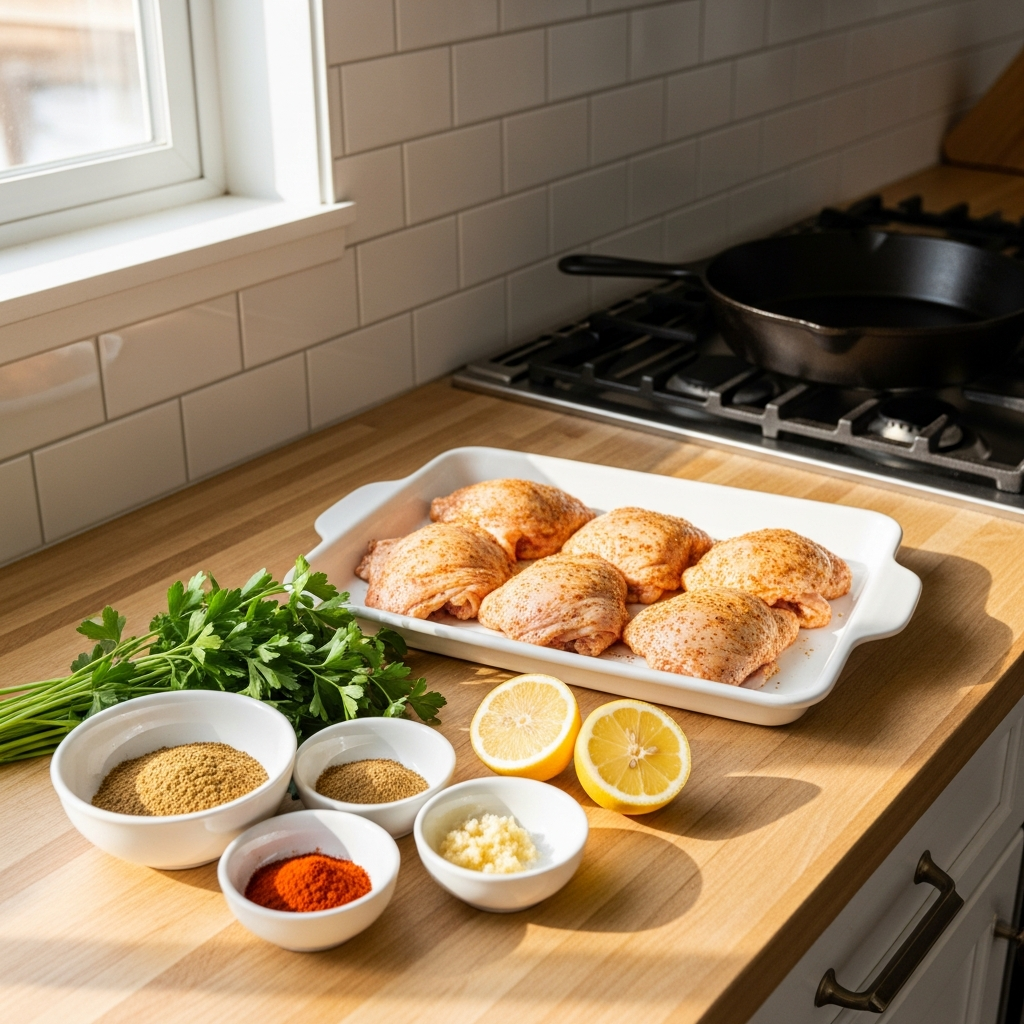
Start with boneless, skinless chicken thighs if you can. They forgive timing, hold moisture, and deliver richer flavor than breast meat, though breast can work if you keep a close eye on doneness. In a large bowl, whisk together lemon juice for brightness, a generous spoon of minced garlic for lift, and a blend of spices—cumin and coriander as your base notes, paprika for warmth and color, and a pinch of turmeric for golden hue. Some home cooks add a hint of cinnamon or allspice to round the edges; think of those as the chorus behind the melody. Salt is essential, as is a good splash of neutral oil to carry the spices and help heat move across the surface later.
Taste the marinade before it meets the chicken. It should feel lively—lemon-forward without puckering your mouth, garlicky without harshness, and confidently salted knowing that some of that seasoning will stay behind in the bowl. Fold in the chicken until every piece is coated, then cover and refrigerate. An hour will do in a pinch, but several hours or overnight will repay you with tenderness that feels restaurant-level. In Naperville’s rhythm, marinating in the morning for a weeknight dinner works beautifully; on weekends, an overnight rest lets flavors entwine as you go about your day.
Choosing your cooking method
While a vertical rotisserie is traditional, home kitchens create convincing results with a few different methods. The oven is the most hands-off. Arrange marinated chicken on a rimmed sheet pan, giving space between pieces, and roast at a confident heat so edges take on color while the inside stays juicy. If your oven broiler behaves, finish with a brief blast to caramelize the tips—watch closely. A cast-iron skillet offers greater control; preheat it well, film it lightly with oil, and work in batches so you do not crowd the pan. The sizzle when pieces hit the iron should be assertive. Let the first side take on color before you stir; patience here yields that irresistible browning.
Grills make chicken shawarma feel like a summer evening along the Riverwalk. Thread larger pieces onto skewers or lay them across the grates, adjusting for hot spots. Direct heat builds those charred edges we crave; indirect heat finishes the cook without drying. Air fryers can surprise you, especially for smaller batches. Arrange pieces in a single layer and flip once for even color. Whatever the method, pull chicken just as it reaches doneness and let it rest. Resting allows juices to redistribute, ensuring the tender bite that defines good shawarma.
Slicing, seasoning, and the second seasoning
After resting, slice the chicken into thin ribbons. If you like, return the slices to a hot pan for a minute or two to crisp the edges and concentrate flavor. This is where the “second seasoning” trick lives. A small squeeze of lemon, a pinch of salt, or a quick dusting of cumin and paprika right at the end can wake the whole batch, especially if it rested a bit while you prepared sides. Think of it as tuning an instrument before the performance. You are not changing the melody; you are sharpening it.
Sauce sets the tone. For garlic sauce, emulsify neutral oil into a base of crushed garlic and lemon until you reach a cloud-like texture. Home cooks achieve this with a blender, a food processor, or a steady whisk and patience. For tahini, thin sesame paste with lemon and a touch of water until it drapes rather than clumps, seasoning with salt and perhaps a hint of garlic. Some nights call for a gentle chili sauce made with tomato, red pepper, and spices; aim for warmth that grows, not heat that shouts. Set sauces aside while you assemble the rest.
Bread, bowls, and balance
If you have access to soft pita or flatbread, warm it briefly. A dry skillet or the oven at low heat keeps it pliable without drying. Naperville bakeries and markets often carry breads that suit shawarma well, and once warm, they transform assembly into a small ceremony. Lay down a base note of sauce, scatter a few pickles for acidity, add chicken ribbons, and finish with a final drizzle or a handful of herbs. Roll with intention, tucking as you go, then toast lightly in the pan for that satisfying exterior.
For bowls, consider your foundation. A bed of herbed rice or a lively salad of crisp greens and tomatoes can both be excellent. Spoon on the chicken while it is still warm, then add cool counterpoints—cucumbers, pickles, and a measured drizzle of sauce. You are after a conversation between temperatures and textures as much as flavors. A bowl gives you control over each bite; a wrap gives you unity. Both bring comfort, and both reward attention to balance.
Naperville timing and make-ahead strategies
On busy weekdays, break the process into segments. Marinate in the morning or the night before. Mix sauces while coffee brews or during a quiet moment before school pickup. Cook the chicken close to mealtime and slice right before serving. Leftovers, if you are lucky enough to have them, transform easily: rewarm gently in a skillet, then build tomorrow’s wrap or bowl with fresh vegetables to bring back the contrast. For gatherings, double the recipe and set out components so guests can assemble. It turns dinner into a small party without extra work from the host.
Packaging matters if you are taking wraps on the go—to a game at Frontier Park, say, or for a twilight picnic near the Carillon. Wrap in parchment or foil and let them rest for a minute to set the shape. If you are packing bowls, keep hot and cool components separate until you are ready to eat, then combine for peak texture.
Little upgrades that make a big difference
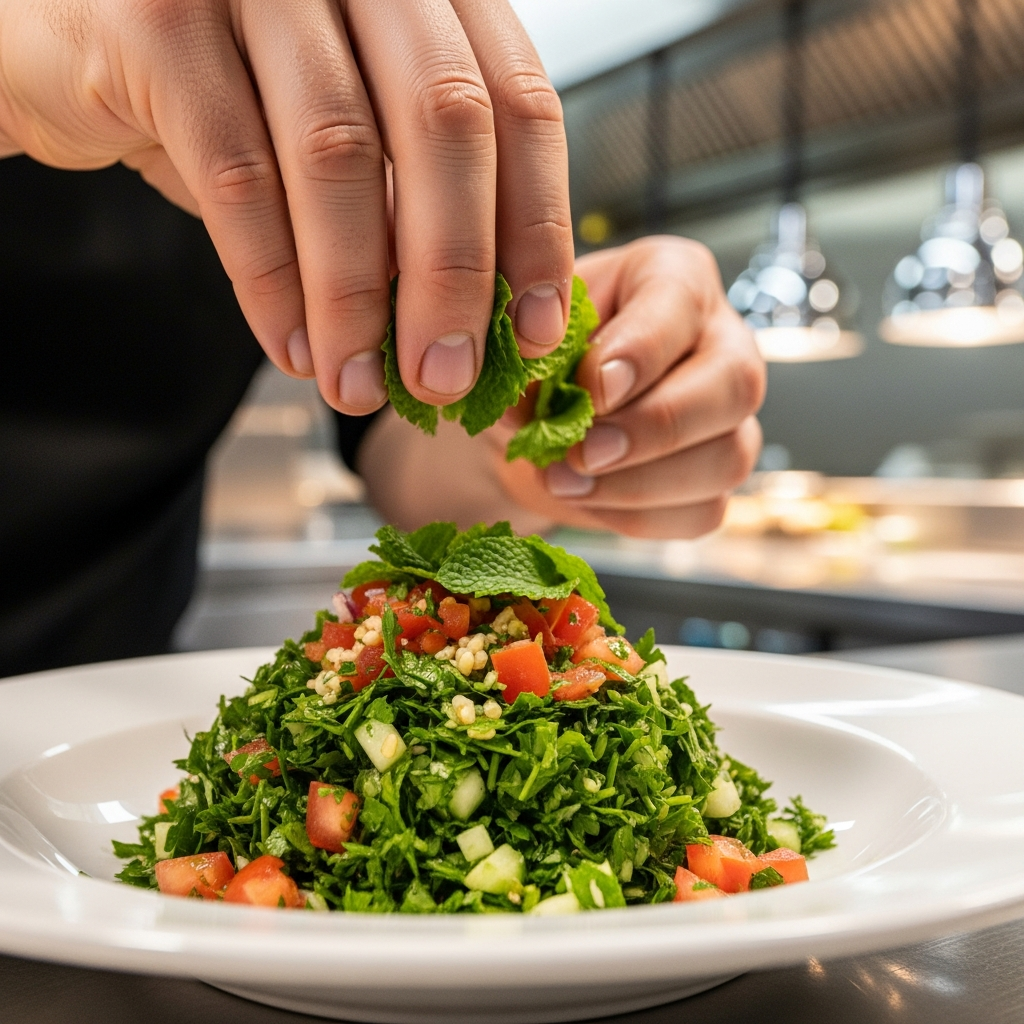
Pickles are not optional. Their vinegar brightness resets your palate between bites and makes the last morsel pop like the first. Quick-pickled onions add color and a whisper of sweetness that plays nicely with chicken’s warmth. Herbs add lift; a handful of parsley or mint wakes a bowl in the same way a window cracked open freshens a room. Toasted pine nuts or sesame seeds sprinkle in soft crunch that makes a homemade plate feel restaurant-ready.
If you want to lean into Naperville’s seasonal rhythm, pay attention to produce. Summer tomatoes love garlic sauce; winter greens invite a little extra tahini; spring herbs ask for more lemon. As the weather turns and schedules shift from school plays to outdoor practices, you will find yourself adjusting the build without even thinking about it. That flexibility is one reason chicken shawarma earns permanent status in the home-cook rotation.
Troubleshooting like a pro
If your chicken tastes flat, consider salt and acid first. A pinch more salt in the marinade or a finishing squeeze of lemon often unlocks flavor you already built. If the chicken feels dry, cook it a touch less next time, choose thighs over breast, or slice a bit thicker so the interior stays juicy. If your garlic sauce splits, add it slowly to a cooler base and blend again; emulsions crave patience and gradual addition of oil. When wraps feel soggy, reduce sauce inside the bread and serve extra on the side for dipping, or toast the finished wrap briefly to seal the surface.
Remember, practice creates confidence. After two or three rounds, you will know your oven’s hotspots, your skillet’s pace, and how aggressively your grill marks appear. You will learn how much lemon you prefer and how warmly you like your chili to hum in the background. These personal calibrations turn a shared recipe into your family’s signature.
Hosting with shawarma in Naperville
For birthdays, study groups, or game nights, chicken shawarma shines because it welcomes participation. Set out warm bread in a towel-lined basket, bowls of sliced vegetables, a duo of sauces, and a platter of glistening chicken. People will build, compare, and go back for their new favorite ratio. If you want to expand the spread, add lentil soup kept warm on the stove and a simple salad showered with herbs. What matters is momentum: the table keeps people talking and nibbling, the food tastes bright, and cleanup stays manageable.
When you want to check your instincts against the pros, a quick browse through a restaurant’s shawarma menu can spark new ideas—perhaps a grated cucumber riff in your garlic sauce, a different pickle profile, or a new herb pairing. Use those glimpses to evolve your own plate, not to complicate it.
Frequently Asked Questions
Can I use chicken breast instead of thighs? Yes, though thighs are more forgiving. If using breast, marinate thoroughly and watch doneness closely to keep it juicy. Rest and slice thinly to maximize tenderness.
What is the easiest cooking method for beginners? The oven is the most forgiving. Roast at a high heat for color, then broil briefly to caramelize the edges. A skillet offers great results once you are comfortable with heat control.
How long should I marinate the chicken? An hour adds flavor in a pinch, but several hours or overnight produces deeper seasoning and tenderness. Plan ahead in the morning for a dependable weeknight dinner.
What if my garlic sauce keeps breaking? Start with cooler ingredients, add oil slowly while blending, and stabilize with a touch of ice water or a small spoon of potato if needed. Patience and gradual emulsification are key.
How do I keep wraps from getting soggy? Warm bread lightly, spread less sauce inside, and finish with a brief toast after rolling. For travel, wrap in parchment or foil and eat soon after assembly.
Can I make it gluten-free or dairy-free? Absolutely. Serve chicken over rice or salad instead of bread, and choose sauces without dairy; garlic and tahini are naturally dairy-free when prepared traditionally.
When dinner needs to be both easy and unforgettable, let chicken shawarma be your answer. Marinate while you live your day, cook with confidence when the moment arrives, and bring everyone to the table for warm bread, bright pickles, and ribbons of spiced chicken. When you are ready for a fresh idea or a different pairing, take a last look at the Naperville shawarma menu and borrow a spark from the pros. Then light up your own kitchen with it.