
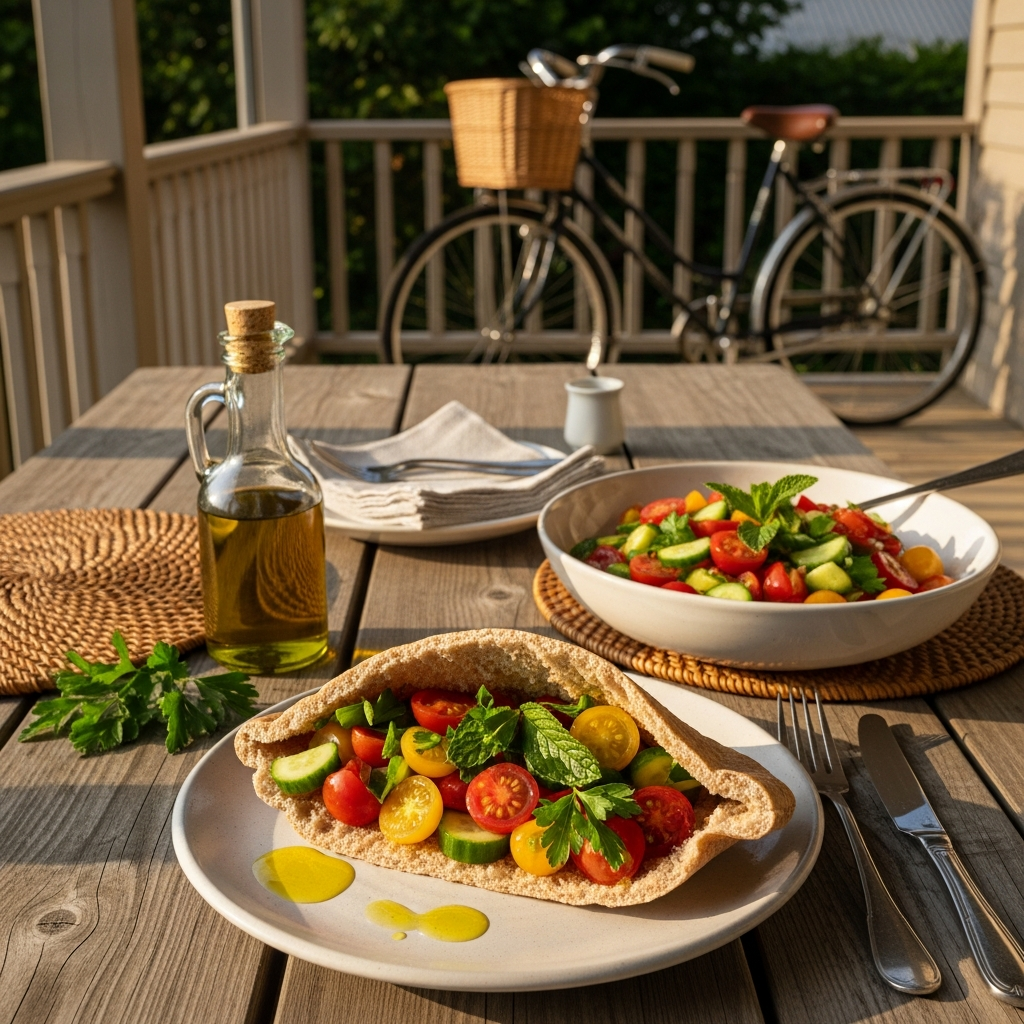
Whole wheat pita has a way of capturing Naperville’s sensibility: practical, wholesome, and quietly delicious. It’s the bread you tuck into a lunchbox before a bike ride on the Riverwalk, the round you pair with a bowl of late-summer tomatoes or a cool, lemony salad on a shaded porch. When made well, it’s tender enough to fold yet hearty enough to feel nourishing. The key is balancing nutrition and pleasure so each bite tastes like something you want again tomorrow. Whether you pick up a package at a local market or bake your own at home, understanding how whole wheat behaves will help you achieve a pocket that’s flavorful, soft, and satisfyingly substantial. And when you’re seeking ideas for what to tuck into those warm rounds, glancing at a neighborhood shawarma menu can spark combinations that turn simple bread into a complete meal.
Start with flour. Whole wheat differs from white flour because it contains not just the starchy endosperm but also the bran and germ. Those extra parts bring flavor, minerals, and fiber, but they also change how dough absorbs water and forms gluten. In practical terms, whole wheat dough often needs more hydration to achieve a soft, pliant texture. It also benefits from time—short rests that let flour fully soak up water and longer, cooler ferments that coax out sweetness and complexity without harshness.
Choosing the Right Whole Wheat Flour
In Naperville’s grocery aisles, you’ll find a few distinct whole wheat options. Traditional stone-ground flour carries a robust, nutty flavor with visible flecks of bran. White whole wheat, milled from a lighter wheat variety, bakes up milder and softer, which is perfect if you’re converting a household accustomed to white pitas. I often blend the two or pair whole wheat with a portion of all-purpose flour to keep the crumb tender and the pocket reliable. If your first batch tastes too dense, increase the proportion of white whole wheat or all-purpose until you find your sweet spot.
Freshness matters. Whole wheat’s germ contains oils that can stale or become bitter if the flour sits too long. Buy from stores with strong turnover and check dates. Keep flour in a cool pantry, or stash a portion in the freezer if you bake less frequently. Small habits like these pay dividends in flavor.
Hydration, Autolyse, and Tenderness
Because bran acts like little shards that can interrupt gluten strands, whole wheat benefits from higher hydration and gentle handling. After mixing water, yeast, salt, and flour, let the shaggy dough rest covered for 20 to 30 minutes. This autolyse gives the bran time to soften and the dough time to relax, which makes rolling easier later. A spoonful or two of olive oil adds suppleness; a touch of honey rounds bitterness and encourages browning.
For an even softer result, consider a soaker: mix just the whole wheat flour with most of the water and let it rest on the counter for an hour before combining with the remaining ingredients. This patient step transforms the texture, particularly in the drier months when indoor air can wick moisture from doughs. In our Midwestern winters, that extra hydration buffer is a gift.
Fermentation and Flavor in a Midwest Kitchen
Whole wheat loves time. After a short knead to smoothness, let the dough rise until just doubled. A longer, cooler rise in the refrigerator develops a gentle sweetness and a rounded aroma, minimizing the grassy notes some people associate with whole wheat. If your schedule is flexible, mix in the evening and bake the next day; the dough will reward you with softer pitas that brown beautifully on stone, steel, or cast-iron.
When shaping, divide and pre-shape into smooth balls, then rest under a towel for 20 minutes. This rest is especially important with whole wheat; the bran particles resist stretching more than white flour alone, so you need that relaxation for even rolling. Aim for an eighth of an inch thickness and keep the rounds covered while the oven rebounds to full heat between batches.
Heat and Pocket Formation
The technique for puff is the same regardless of flour: a fully preheated baking surface, swift loading, and minimal peeking. Whole wheat pitas sometimes need a whisper more time to inflate, but once they do, the pocket sets quickly. Look for tawny brown freckles and remove as soon as the structure is established; overbaking dries the bran-rich crumb faster than white pitas. Stack the breads in a towel-lined basket so residual steam keeps them tender.
Nutrition That Feels Like Real Food
Part of whole wheat’s appeal is nutritional. Compared to white pita, whole wheat versions generally offer more fiber and minerals, with a satisfying, lingering fullness that suits active days here in Naperville. Fiber supports digestion and helps balance meals that include rich spreads or grilled meats. If you’re reading labels at a local market, focus on ingredient lists with simple entries—whole wheat flour, water, yeast, salt, perhaps a touch of oil or sweetener. Short labels often translate to clearer flavors and textures that let toppings shine.
For home bakers who track macronutrients, understand that numbers vary by brand and recipe. A typical medium whole wheat pita might deliver a few extra grams of fiber compared to a white one and a similar level of protein, with overall energy shaped by portion size. What matters most is how you build the meal around it: crisp vegetables, balanced sauces, and proteins that complement the bread without overwhelming it.
Flavor Pairings: Bringing the Market Home
When I think of whole wheat pita, I picture it standing up to robust fillings. Roasted eggplant with tahini and parsley tastes grounded and generous. Grilled chicken or lamb finds a partner in the nutty undertones of the bread. Even a simple spread of hummus, cucumber, and tomato becomes fuller and more satisfying. When I want a nudge in a new direction, I scan a local menu for combinations and then adapt what I see using what’s fresh in my fridge or available at the market.
Temperature plays a role in flavor. Warm whole wheat pita releases aromas that cold bread masks. Reheat gently just before serving, and notice how the crumb relaxes and the sweetness blooms. Whether you’re assembling lunches for a day at Centennial Beach or setting out a platter before an evening show at Pfeiffer Hall, those few extra minutes of warming make a difference.
Common Pitfalls and Simple Fixes
If your whole wheat pitas turn out dense, look first at hydration and rest. Add a little more water next time and extend the autolyse. If pockets fail to form, ensure even thickness and a fully preheated surface. If the flavor tastes harsh or bitter, try white whole wheat, blend in some all-purpose flour, or opt for a refrigerated overnight rise to mellow the profile. Remember that whole wheat doughs are often stickier; dust the counter lightly but avoid heavy flouring that can toughen the crust.
Making Whole Wheat a Family Favorite
Transitioning a household to whole wheat pita doesn’t have to be abrupt. Start with a 50-50 blend of whole wheat and all-purpose, then adjust based on feedback at the table. Over a few bakes, you’ll likely find enthusiasm growing as everyone recognizes that heartier can also mean tastier—especially when the bread is warm and the fillings bright. I’ve watched kids turn into small sandwich architects, layering crunchy salads and tender meats with surprising care. Whole wheat becomes the backdrop for that creativity.
Frequently Asked Questions
Why does whole wheat pita sometimes taste bitter?
Whole wheat contains bran and germ, which bring robust flavor but can skew bitter if the flour is older or the dough ferments too quickly and warmly. Choose fresh flour, consider white whole wheat for a milder taste, and use a cooler, longer rise to develop sweetness.
How can I keep whole wheat pita tender?
Increase hydration, include a short autolyse, and add a spoonful of olive oil. Don’t overbake; pull the breads as soon as the pocket sets and color freckles appear. Stack in a towel-lined basket to trap gentle steam.
Will whole wheat pitas puff like white ones?
Yes, provided you roll evenly, protect surface moisture, and bake on a thoroughly preheated stone or steel. Whole wheat rounds sometimes need a few extra seconds to inflate, but they form reliable pockets with proper heat.
Can I blend flours to ease into whole wheat?
Absolutely. Many Naperville home bakers love a 50-50 mix of whole wheat and all-purpose for softness and flavor. Adjust the ratio over time to suit your taste and tweak hydration slightly upward as whole wheat absorbs more water.
How should I store whole wheat pita?
Cool completely, then store in an airtight bag at room temperature for a day or two or freeze for longer. Reheat gently in a warm skillet or low oven under a damp towel to restore softness.
What fillings best complement whole wheat’s flavor?
Grilled meats, roasted vegetables, tangy yogurts, and herb-bright salads all shine. The bread’s nutty undertone loves acidity and freshness—think lemon, parsley, cucumbers, tomatoes, and pickles to balance richness.
If this has you craving a warm, wholesome round, set a little time aside this week. Mix the dough after lunch, let it rise while errands pull you around town, and return home to roll and bake before dinner. Share the task with family, and build fillings inspired by a local Mediterranean menu; the bread will carry your ideas with ease. Gather at the table, tear into the first hot pocket, and enjoy that blend of nourishment and pleasure that feels right at home in Naperville.