Spend an afternoon in Naperville and you’ll feel the city’s appetite for food that’s both comforting and current. Walk the Riverwalk, peek into bustling kitchens, and chat with the folks tending herb gardens behind their homes, and you’ll notice a common thread: pita bread has moved from a simple side to a star of the table. Around town, bakers and home cooks are reimagining this beloved staple with inventive flours, smart techniques, and a spirit of hospitality that keeps neighbors coming back for another warm round. If you’re curious about where pita is headed next, our local scene offers a front-row seat—and a warm place at the table. For inspiration that translates from restaurants to your kitchen, it helps to glance at a well-curated Mediterranean menu and notice how pita appears in unexpected, delicious ways.
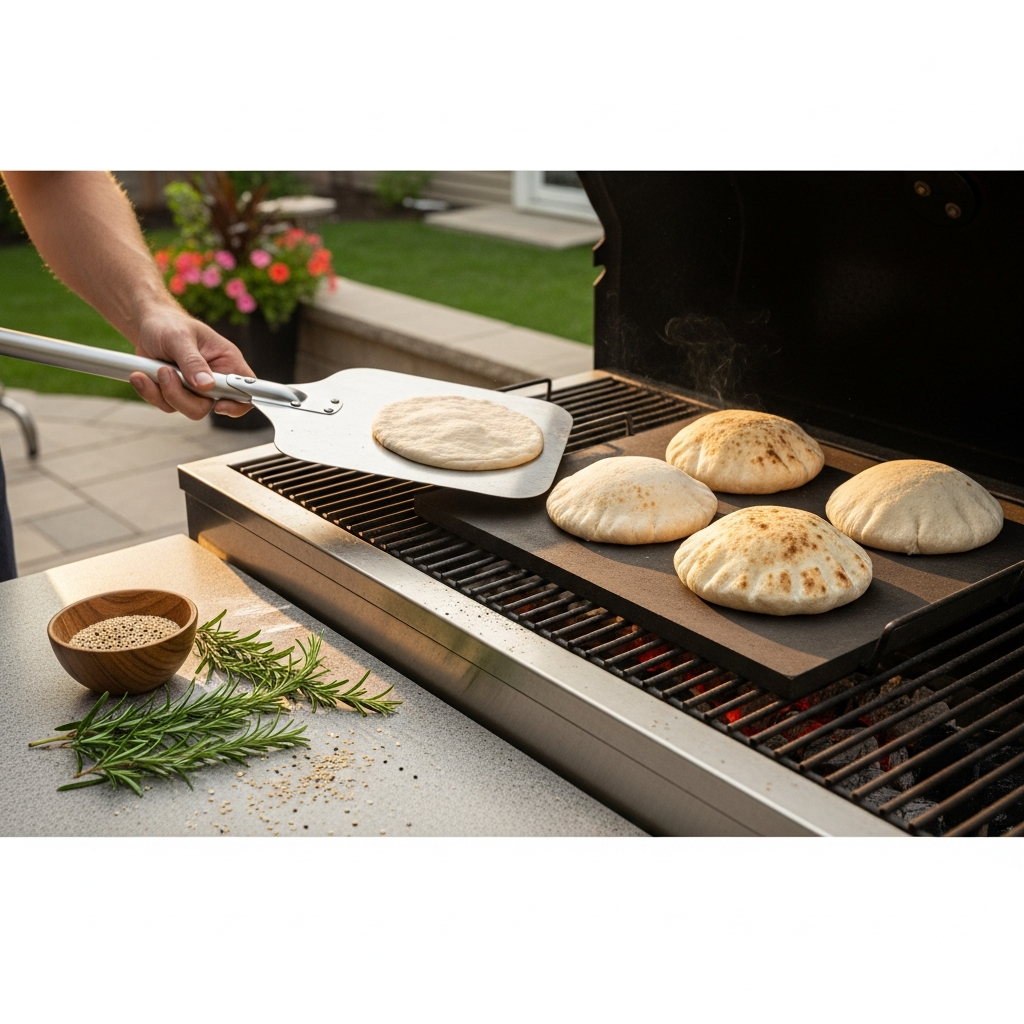
Trends around pita bread in Naperville aren’t just about novelty. They’re about refining texture, celebrating grains, and matching bread to the moment. On a recent weekend, I watched a friend pull pitas from a backyard baking steel, the rounds ballooning into hollow orbs before settling into soft, pocketed discs. He’d experimented with a touch of whole grain for nuttiness and adjusted hydration to get the perfect puff on a breezy afternoon. That spirit—curiosity paired with community—defines the movement here. We don’t reinvent pita so much as we honor it, adding small twists that speak to our seasons and schedules.
Grain-forward baking, the Naperville way
One clear trend is the embrace of grain diversity. Bakers are folding in ancient grains to achieve layers of flavor that feel both rustic and refined. Think a whisper of spelt for sweetness, or a percentage of stone-ground whole wheat for a heartier chew. These blends create pitas that stand up beautifully to robust fillings while staying tender enough to tear and share. In home kitchens, I’ve seen cooks keep a simple base dough and swap in small amounts of different flours depending on what they can find at local markets. The result is a weekly rotation that never grows stale—every batch tells a slightly different story.
Hydration tweaks go hand-in-hand with grain experiments. Slightly wetter doughs, handled gently, tend to puff more reliably in a hot oven or on a steel. You’ll hear Naperville bakers talk about the sweet spot: a dough soft enough to yield a cloud-like interior, but strong enough to stretch thin without tearing. It’s a hands-on process, and each home finds its groove by feel. Once you’ve nailed the balance, you’ll watch pitas inflate like lanterns, a small moment of kitchen theater that never gets old.
Heat sources and the quest for the perfect pocket
Another trend shaping our local pita is experimentation with heat. Traditional high-heat ovens are ideal, but home cooks have gotten creative with pizza stones, steels, cast-iron griddles, and even outdoor grills. The common goal is a blast of heat that seals the exterior, captures steam, and creates a pocket. I’ve seen backyard gatherings where someone mans the grill exclusively for pitas, turning the bread course into a live performance. Guests gather, cheer the puff, and then fill the still-warm rounds with whatever’s just emerged from the kitchen. It feels celebratory because it is—the bread is literally alive with heat.
On busy weeknights, a stove-top skillet approach has gained fans. Roll the dough evenly, lay it on a preheated skillet, and watch for big bubbles signaling steam build-up. Flip, finish, and wrap in a towel. This method yields excellent results, and it fits our city’s pace, where dinner needs to be quick yet special. The key remains consistent heat and even thickness, a dance you’ll master after a couple of batches.
Flavor infusions and finishing touches
Naperville cooks have also embraced subtle infusions that complement classic fillings without overshadowing them. I’ve tasted pitas brushed with infused olive oils—garlic, lemon, even a hint of rosemary—right out of the oven. Some sprinkle za’atar or sesame seeds for aroma and light crunch. These finishing touches transform the bread into more than a vessel; they make it the first flavor you notice in the meal, and often the one you remember at the end. The trick is restraint. The pita should whisper, not shout, ensuring that hummus, roasted vegetables, or shawarma still take center stage.
Another rising practice is temperature play. Warming a pita just enough to blush with heat brings aromas to life and softens the crumb; quickly chilling a split pita with cool cucumbers, yogurt, and herbs amplifies contrast for a summer lunch. Naperville’s seasons invite this kind of attention. On a winter evening, a toasty pita tucked in a towel by the stovetop sets a welcoming tone, while a cool, crisp pita stuffed with market-fresh produce suits a July picnic by the Riverwalk.
Pita as a platform for vegetables
Across Naperville, pita is helping vegetables take a well-deserved spotlight. Roasted cauliflower with lemony tahini makes frequent appearances, as do charred peppers, eggplant, and sweet onions. The bread offers a soft counterpoint to caramelized edges and tender interiors, creating a meal that feels complete without leaning solely on meat. At home, I often blanch and shock green beans, toss them with herbs and a squeeze of lemon, and slide them into warm pitas with a smear of hummus. The result is bright, crunchy, and filling—precisely the kind of weeknight dinner that keeps us eating well without fanfare.
Legumes are enjoying renewed attention too. Spiced chickpeas, lentils with garlic and cumin, and even herby white beans have found a natural home inside pita pockets. The texture contrast is irresistible, and the nutrition profile is as balanced as it is comforting. These trends reflect a broader shift in how we eat: plant-forward, flavor-rich, and endlessly adaptable to what’s fresh at our local markets.
Presentation trends: from mezze boards to backyard buffets
How pita shows up on our tables has evolved as well. Mezze-inspired spreads are popular for gatherings—small bowls of dips, pickles, and salads anchored by a stack of warm bread. Guests compose their own bites, which eases the host’s workload and turns dinner into an interactive experience. In backyard settings, a “fill-the-pita” station with trays of grilled vegetables, sliced proteins, and herbs lets everyone customize, a hit with kids and adults alike. The bread becomes a thread through the evening, drawing people back to the table for one more taste.
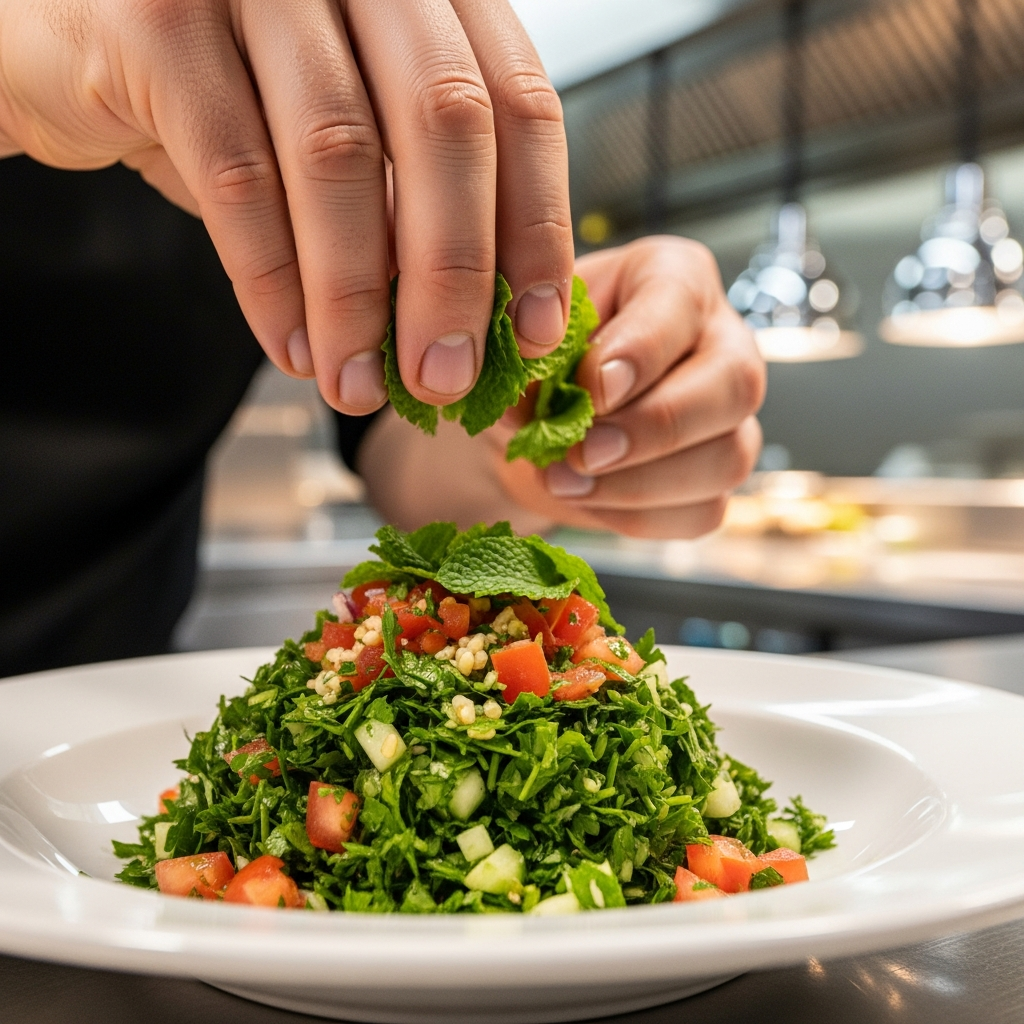
Restaurants, for their part, are crafting plates that make pita feel essential rather than optional. You’ll see it delivered in cloth-lined baskets, paired with spreads that tell a cohesive flavor story from first bite to last. If you’re exploring what to order, scanning a well-balanced menu can reveal how chefs sequence textures and temperatures. Borrow those insights at home: pair a warm pita with a cool, tangy salad; set a smoky grilled item next to something creamy; and add an herby finish to tie it all together.
Convenience without compromise
In a city that moves briskly from school drop-off to evening activities, convenience matters. Pita has surged in popularity because it respects our time. A few rounds in the freezer, a jar of tahini in the fridge, and a drawer of fresh herbs are enough to assemble an impressive meal at a moment’s notice. Reheat gently, add crisp vegetables and a protein, and you’re done. Unlike more elaborate breads, pita’s value shines in how quickly it turns into dinner. That speed doesn’t sacrifice quality; it makes quality possible on ordinary nights.
Meal prep keeps the trend alive through the week. I’ll roast a tray of vegetables on Sunday—cauliflower, carrots, onions—then change the personality of each day’s pita with different seasonings and herbs. A lemony version one night, a garlicky one the next, and maybe a smoky hint of paprika on Friday. The bread remains constant while the fillings evolve, keeping the ritual fresh.
Community and craft
What I love most about the pita movement in Naperville is its sense of community. Bakers share tips on dough hydration; friends trade spice blends and herb cuttings; neighbors swap pitas for cookies across the fence. The bread becomes a currency of goodwill, a reason to knock on a door and say hello. Food has always had that power here, and pita—humble, generous, and endlessly adaptable—channels it beautifully.
I’ve also noticed a thoughtful approach to sourcing. People care where their flour comes from and how their herbs are grown. They pay attention to seasonality and waste, finding ways to repurpose day-old pitas as crisp chips for salads or as a base layer for baked eggs and vegetables. This kind of kitchen mindfulness turns trends into habits, the sort that stick around long after the novelty fades.
What’s next for pita in Naperville
Looking ahead, I expect to see more integration between pita and the broader culinary scene—collaborations with local producers, creative brunch dishes, and cross-cultural pairings that respect tradition while exploring new paths. Imagine a Sunday spread where pita shares the table with Midwestern produce in unexpected combinations, or a neighborhood potluck where everyone brings a filling inspired by their heritage. Pita is the common language, and it translates beautifully.
Technically, I think we’ll keep refining home methods to chase that coveted puff. More people will adopt steels and stones, and there will be a rising appreciation for the gentle roll-and-rest cadence that yields consistent pockets. Patience will have its moment, rewarded by pitas that inflate like balloons and cool into tender, pliant rounds.
FAQ: Trends and techniques
What grain blends are popular right now for pita? Bakers are mixing small percentages of ancient grains like spelt or einkorn into standard wheat doughs for added depth. The result is a subtle nuttiness and a heartier chew that still tears easily for scooping and stuffing.
How are home cooks achieving reliable pockets? Consistent high heat and even thickness are key. A preheated steel or stone helps, and a slightly higher hydration dough can encourage steam formation. Roll gently, avoid tearing, and watch for big bubbles before flipping on a skillet.
What fillings reflect current tastes in Naperville? Plant-forward combinations lead the way: roasted cauliflower with lemony tahini, charred peppers with herbed yogurt, and spiced chickpeas with fresh herbs. Balanced plates that play with temperature and texture remain favorites.
Are there presentation trends I can copy at home? Yes. Build a mezze-style table with small bowls of dips and salads, and keep a basket of warm pitas within reach. Encourage guests to assemble bites as they please; it turns dinner into a relaxed, engaging experience.
How can I save time without sacrificing quality? Keep pitas in the freezer and reheat gently in a skillet or toaster oven. Roast a big tray of vegetables once a week and season them differently across several meals. The bread’s adaptability does the rest.
Where can I find pairing inspiration? Scan a restaurant’s Mediterranean menu for ideas about sauces, herbs, and the interplay of hot and cold. Apply those patterns at home with what you have on hand, and let the pita be your blank canvas.
Ready to explore the next wave of pita at your own table? Warm a round, fill it with the brightest flavors of the season, and invite a neighbor to share the first bite. When you want a creative spark, take a moment to browse a local spot’s Mediterranean menu, then bring those inspired combinations to life in your Naperville kitchen tonight.