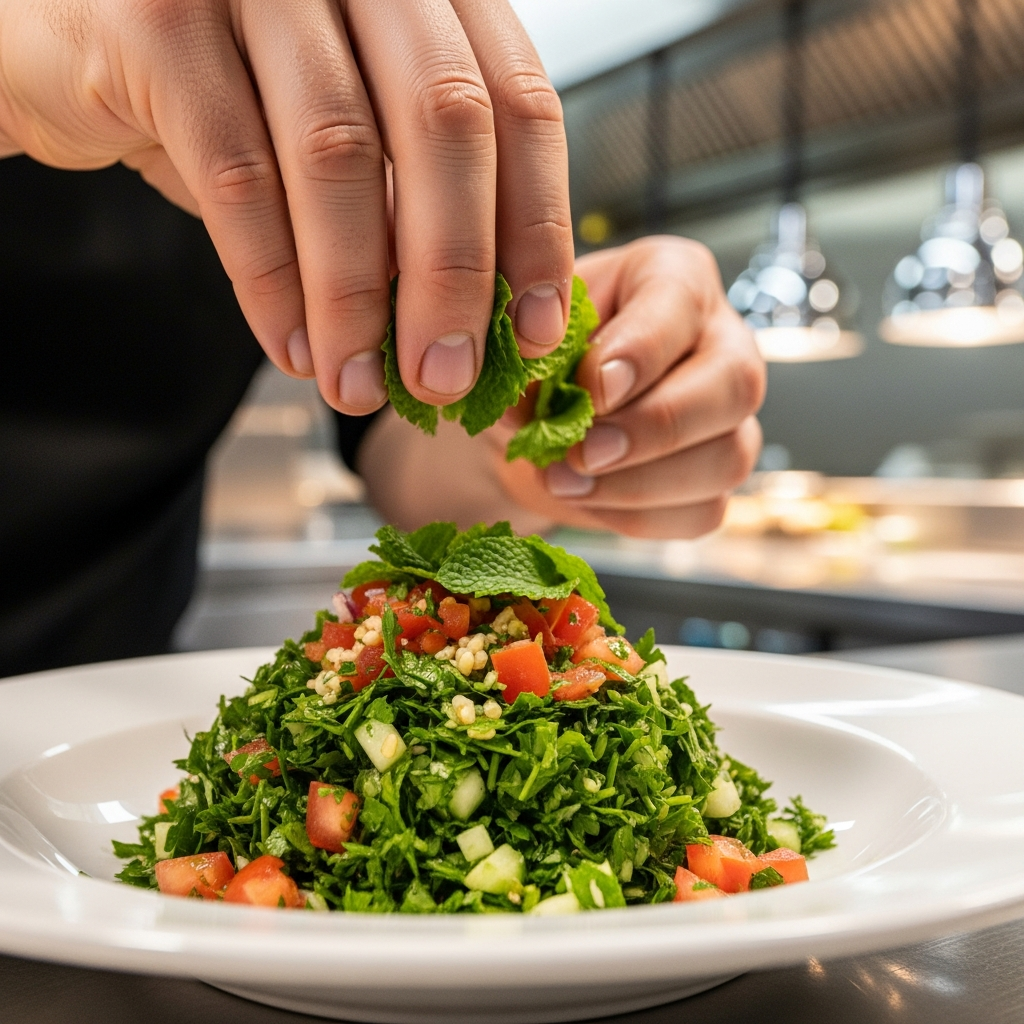
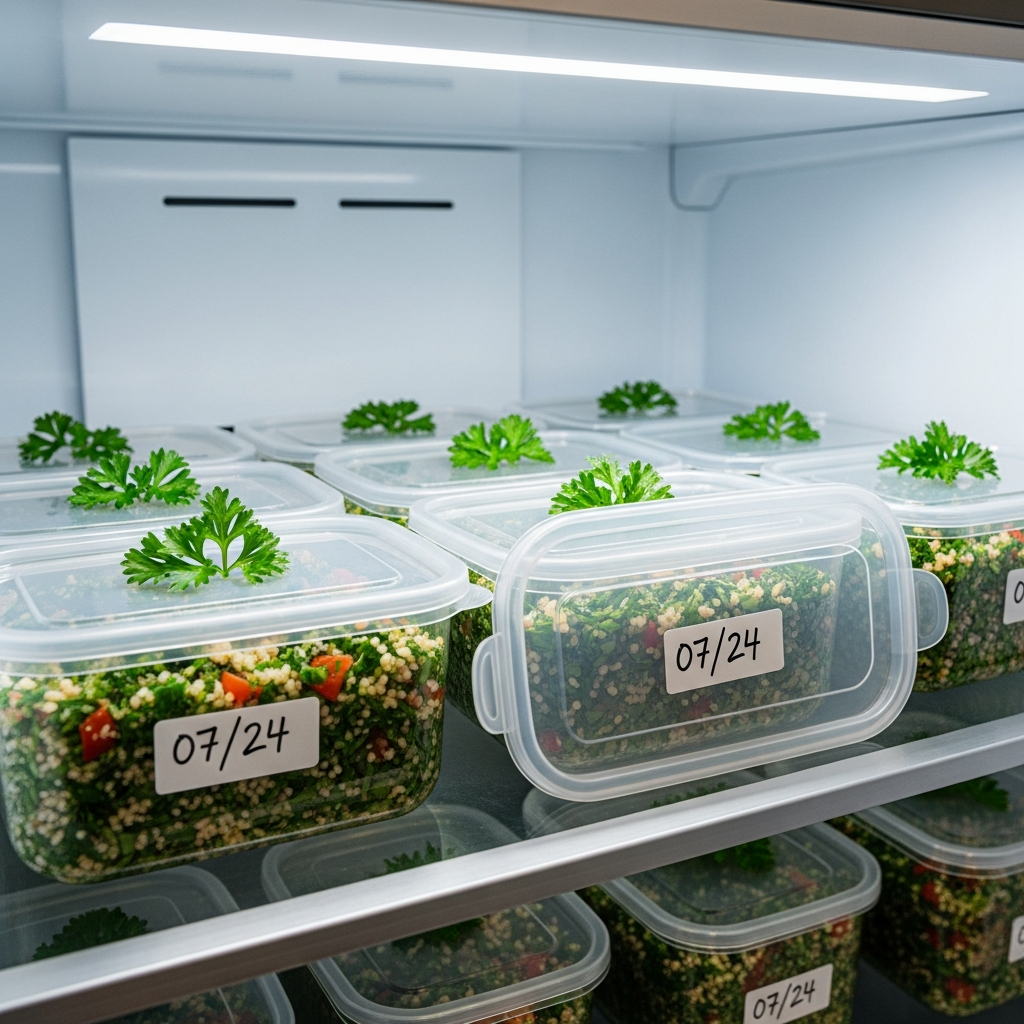
There’s a certain joy in opening the fridge on a busy Naperville afternoon and finding a chilled container of Taboili salad waiting—parsley bright, lemony, and ready to refresh. Whether you’ve scooped it from your own mixing bowl or picked it up on the way home from errands, keeping Taboili crisp and lively is all about smart storage and a few local-savvy tricks. Our Midwest climate, from steamy summers to deep-freeze winters, adds its own variables. With the right approach—and a little inspiration from a well-considered Mediterranean menu—you can maintain that just-made quality long after the salad leaves the cutting board.
Start with Dry, Cold Ingredients
Moisture control begins before the salad is even assembled. Wash parsley and mint thoroughly, then spin and pat until dry; residual water wilts herbs and dilutes dressing. Dice tomatoes and cucumbers evenly and, if possible, seed and drain them briefly in a colander. Cool bulgur or your chosen grain completely before folding it in—warm grains release steam that softens herbs and turns the salad soggy in storage.
Choose the Right Containers
Shallow, wide containers are your friend. They minimize compression, preserve the herb fluff, and encourage even chilling. In taller containers, weight compacts the greens and accelerates weeping at the bottom. If you’re prepping portions for work near Route 59 or downtown, pack individual servings so you only open what you need; each time the lid comes off, condensation can form and hasten wilting.
Store Components Separately When You Can
For the crispest results, keep three parts apart until a few hours before serving: the chopped herbs and vegetables, the cooked grain, and the dressing. Combine and let rest for fifteen to thirty minutes so flavors meld without sacrificing texture. This method is especially helpful if you’re planning a Riverwalk picnic or a block party spread where the salad might sit out for a bit.
Master the Dressing Balance
A lemon-forward dressing is the soul of Taboili, but the ratio matters for storage. Start with two parts lemon juice to one part olive oil, plus salt, then adjust after the salad rests. Too much acid can toughen herbs over time; too little leaves the salad flat by day two. A brief whisk creates a loose emulsion that coats without pooling, which helps the salad hold up in the fridge.
Timing the Toss
If you’re serving Taboili the same day, toss it about fifteen to thirty minutes before you eat. This window lets the grain absorb some juices while keeping vegetables crisp. For next-day enjoyment, fold in most of the herbs just before serving and reserve a little dressing to brighten texture. That quick refresh makes leftovers taste newly made, perfect for a grab-and-go lunch on the way to a meeting.
Guarding Against Odor Transfer
Fridges can be aromatic places. Strong-smelling foods like onions or certain cheeses may perfume delicate herbs. Use airtight containers and store Taboili away from pungent items. If possible, dedicate a shelf or drawer to fresh salads; consistent cool temperatures and limited door opening keep condensation down and textures snappy.
Temperature Sweet Spot
Set your refrigerator between 35°F and 38°F. Warmer zones promote off-flavors and faster wilting; colder spots risk partial freezing near the back wall, which dulls herbs. In older fridges, rotate containers between shelves to keep temperature consistent. If you’re transporting Taboili across town for a potluck, pack it with a small ice pack in an insulated bag so it arrives as crisp as it left.
Smart Prep for Picnics and Events
For outdoor gatherings—Ribfest, Last Fling, or a sunny afternoon in a DuPage County forest preserve—assemble Taboili on-site if possible. Bring chopped, well-dried ingredients in separate containers, plus dressing in a jar. Toss shortly before serving and keep the salad shaded. If assembling in advance, seed tomatoes carefully and consider slightly firmer cucumbers; both tricks help the salad hold texture in warm air.
Refreshing Day-Old Salad
Leftover Taboili often tastes more integrated on day two. To restore snap, add a handful of freshly chopped parsley and mint, a splash of lemon, and a drizzle of olive oil. Fluff gently with a fork rather than stirring aggressively; you’ll keep the grain from compacting and the herbs from bruising. Taste for salt only after the refresh—acid can lift flavors enough that you need less.
What Not to Do: Freezing and Overdressing
Freezing ruins Taboili. Ice crystals crush delicate herbs and turn vegetables watery upon thawing. Likewise, overdressing is a fast track to mush. If you anticipate leftovers, dress lightly and keep extra dressing on the side. Guests can add brightness to their plates without compromising the bowl for tomorrow’s lunch.
Adapting to Naperville’s Seasons
In humid summers, vegetables weep more. Compensate by draining tomatoes longer and chopping cucumbers a touch smaller. In winter, when tomatoes can be less flavorful, lean on parsley’s peppery backbone, choose the juiciest lemons you can find, and consider a whisper of sumac to enhance citrus. These seasonal shifts keep the salad tasting purposeful year-round.
Portioning for Busy Weeks
If you’re prepping for a hectic schedule—school runs, practices, and late meetings—portion Taboili into single-serve containers with room to breathe at the top. Add a lemon wedge to each; a quick squeeze right before eating provides a made-now feel. Pair with pre-cooked proteins or a can of chickpeas, and you’ve got a template for balanced meals that doesn’t unravel under pressure.
Takeout Taboili: Make It Travel-Wise
When you pick up Taboili from a local spot, peek at the container. Shallow, wide packaging is a good sign, as are herb-forward visuals and seeded tomatoes. At home, remove the lid to release trapped condensation, then fluff and, if needed, revive with a touch of lemon. As you scan a restaurant’s menu, look for descriptions that promise freshness and balance; they’re often backed by technique.
Serving and Pairing to Maintain Freshness
Serve Taboili with contrast to highlight its crispness: creamy hummus, grilled proteins, or roasted vegetables. Keep salty add-ons like olives on the side so guests can dial in their own balance, which helps prevent the base salad from tasting over-seasoned by day two. A bowl of Taboili on the table invites grazing that feels light yet satisfying.
Food Safety Reminders
Even the freshest salad needs sensible handling. Don’t leave Taboili at room temperature for extended periods, especially during summer events. Return leftovers to the fridge promptly in clean, airtight containers. Label with the date; while the salad may be enjoyable on day three, plan to finish it while herbs are still vibrant.
FAQ
Q: How long does Taboili stay fresh?
A: Typically 2–3 days when stored cold in airtight, shallow containers. Quality is highest within the first 48 hours.
Q: Why does my Taboili get watery by day two?
A: Tomatoes and cucumbers release moisture over time. Seed and drain them, and consider storing components separately to control texture.
Q: Can I assemble Taboili the night before a party?
A: Yes. Keep dressing separate and fold in most herbs close to serving. A quick refresh with lemon and olive oil restores brightness.
Q: What’s the best container type?
A: Shallow, wide containers protect the herb fluff and encourage even chilling, which preserves texture better than tall tubs.
Q: Is freezing an option?
A: No. Freezing damages herb structure and makes vegetables watery upon thawing. Enjoy Taboili fresh from the fridge.
Q: How should I transport it for a picnic?
A: Use an insulated bag with an ice pack, keep the salad shaded, and if possible, toss components on-site for maximum crispness.
Q: How can I revive leftovers?
A: Add a handful of freshly chopped herbs, a splash of lemon, and a drizzle of olive oil, then fluff gently with a fork before serving.
If you’re craving a bowl that tastes garden-fresh and travels well from kitchen to Riverwalk, let a trusted local spot set the standard and explore pairings on their Mediterranean menu. Bring Taboili into your weekly rhythm and enjoy how a few smart storage habits keep every bite bright.