There’s a comforting ritual to ordering a shawarma platter in Naperville. It begins the moment you step inside and the air hits you—garlic, toasted spices, the faint sweetness of meat caramelizing at the edges on the vertical rotisserie. If you’re trying to decide how to portion your meal or what sides to pick, you’re not alone; in this town, platters are a go-to for families on school nights, coworkers unwinding after a long day on Ogden, and Riverwalk regulars who prefer to linger a little after the dinner rush. Before you choose, it helps to skim a reliable local menu so you can visualize how the platter comes together and how to build bites you’ll remember.
At their best, shawarma platters are layered experiences. They give you textures to play with—juicy meat, fluffy rice, crunchy salad—and flavors that ask to be combined in different ways as you eat. In Naperville, that can mean a plate where chicken is the star, golden and fragrant from its marinade, or a beef-heavy arrangement that leans into deeper, roasted notes. Many regulars swear by a mixed platter for the built-in contrast; alternating between the light citrus of chicken and the savor of beef keeps the meal dynamic from first forkful to last.
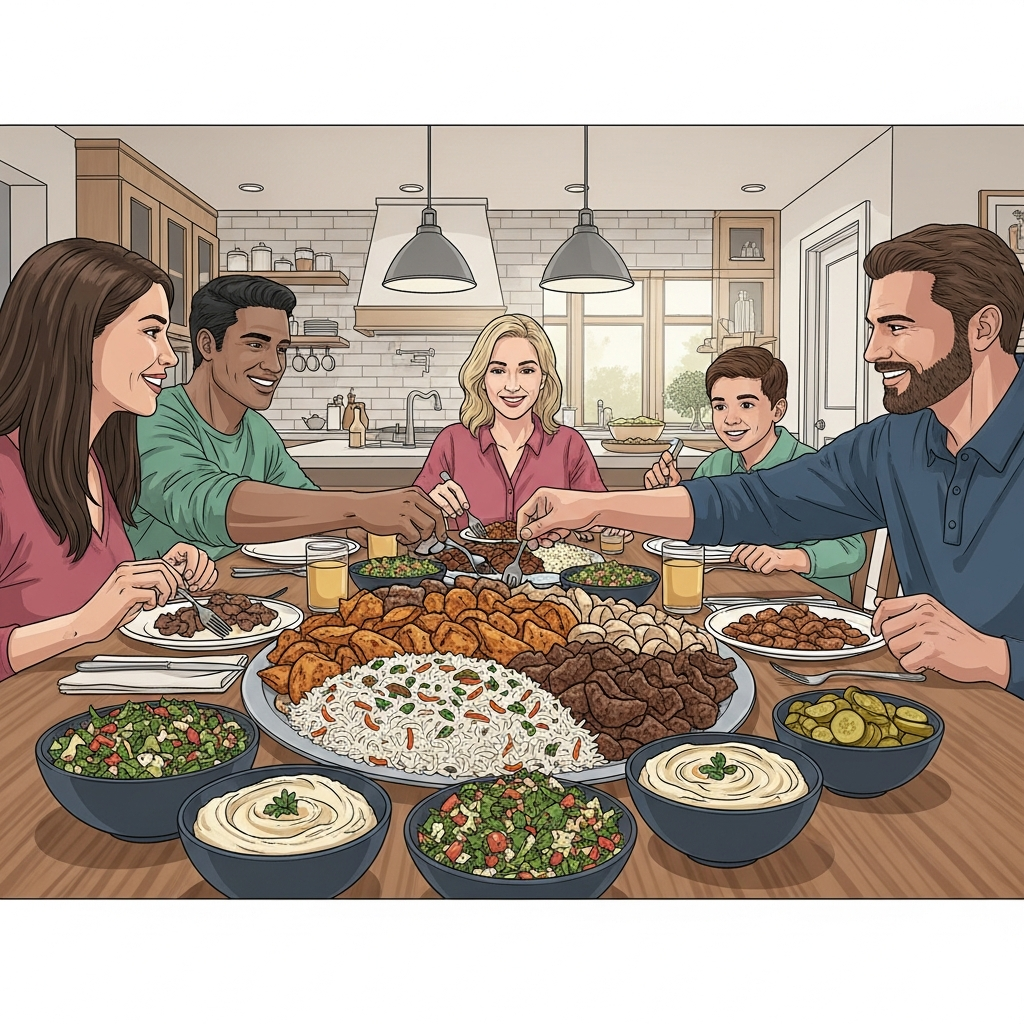
Portioning is part science, part personal style. If you’re dining solo, a standard platter typically leaves a little for later, which is exactly what you want on busy weekdays. For two, splitting a platter and adding a small extra—perhaps an additional scoop of salad or a side of hummus—often strikes the right balance. Families become experts at tailoring the spread: a main platter to anchor the table, a wrap for sharing, and small sides to let everyone tune the plate to their own preferences. Naperville’s best counters read these group dynamics quickly, offering suggestions that avoid waste while keeping the table satisfied.
Rice deserves more attention than it usually gets. The right rice transforms a platter into a coherent meal, catching the shawarma’s juices and turning them into a sauce that requires no recipe. Each grain should be distinct yet tender, fragrant but not perfumed to distraction. Watch for the moment when hot meat meets rice and a curl of steam rises; that’s your cue that the textures are about to merge perfectly. If you prefer a lighter experience, ask for extra salad in place of some rice and build a plate that leans green and herbaceous.
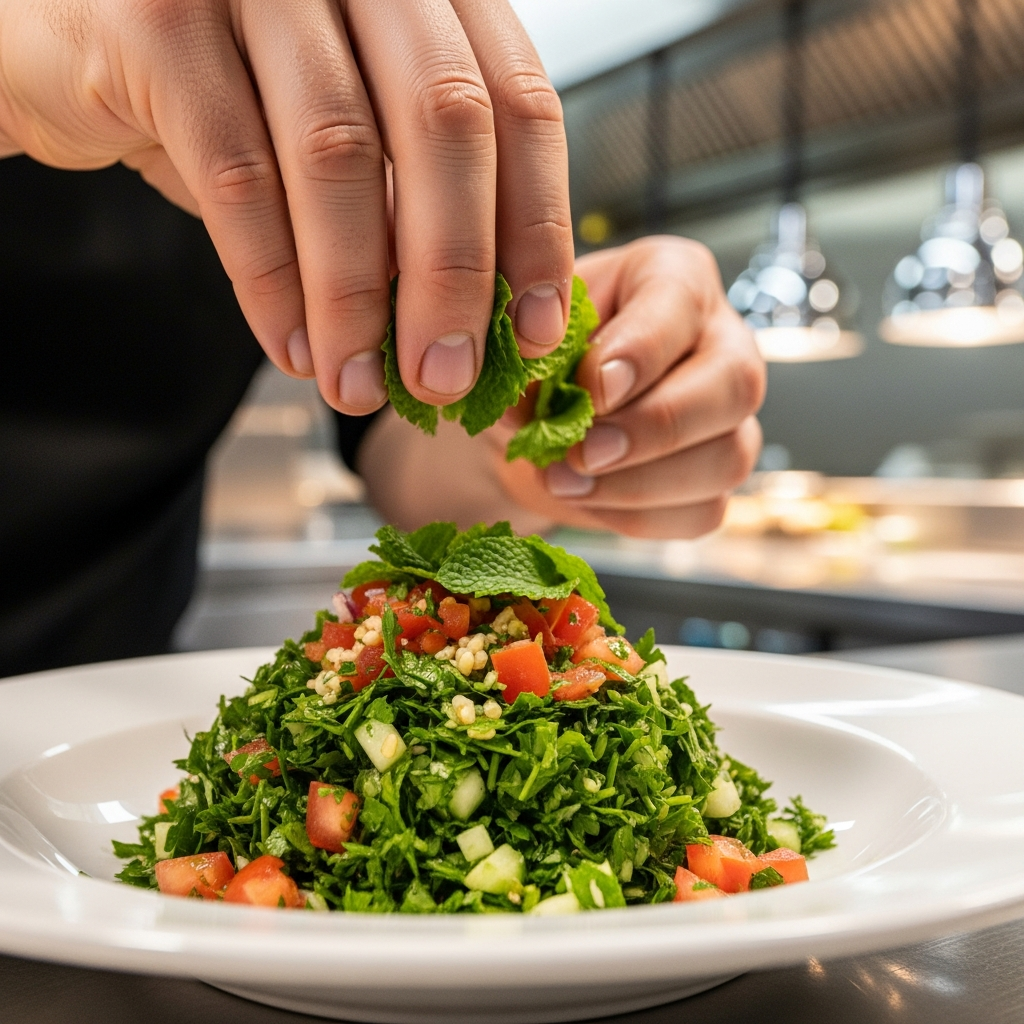
Speaking of salad, freshness is non-negotiable. A good fattoush or simple mixed salad sets the tone for the whole platter. You want crisp lettuce, juicy tomatoes, cucumbers with snap, and herbs that smell like they were chopped minutes ago. Dressing should be lively, a little lemon-forward, supportive rather than dominant. This is the element that resets your palate, making every return to the shawarma feel like the first bite again. A well-tuned salad is also a boon when you’re sharing; it stretches the platter without feeling like filler.
Sauces thread everything together. Garlic sauce should be silky and confident, a bright accent that lifts the marinade without bulldozing it. Tahini brings a warm, nutty note that plays especially well with beef. For heat-seekers, a measured spicy sauce adds momentum without washing out nuance. I often suggest starting with sauces on the side, especially if it’s your first visit to a particular counter. That way, you can calibrate each bite and limit the risk of covering the very flavors you came for.
In the middle of the platter, so to speak, is your chance to experiment. Take a few bites with only garlic, then switch to tahini, then try a mix. Alternate between lean meat and rice-heavy forkfuls. Add a squeeze of lemon when you want a reset. Halfway through a meal—especially if you’re sharing—you may find yourself peeking back at the shawarma menu to plan which combinations to try next time. That curiosity is part of the pleasure of being a regular; the platter format invites exploration without demanding reinvention.
Texture management is another underappreciated art. The best platters balance crisp, juicy, and creamy. Crispy edges from the flat-top keep bites interesting; juicy meat ensures the meal stays satisfying; creamy elements—hummus or a little extra sauce—provide a baseline of comfort. If your table includes a range of preferences, you can divide the platter mentally into zones: a saucy corner for those who like richness, a salad-forward area for the lighter eaters, and a generous middle for balanced bites. This passive organization keeps everyone happy without turning dinner into a negotiation.
Naperville’s dining rhythms influence how we approach platters. On weekdays, efficiency matters. Counters that can assemble a thoughtful, abundant platter without rushing the finishing touches earn loyal followings from office crowds and on-the-go families. On weekends, the pace slows and portions sometimes stretch as conversations wander. A platter shared after a Riverwalk stroll becomes both a meal and an interlude, a reason to linger while the last of the day’s light filters through the trees.
When ordering, think about the order of operations. Ask for your bread warmed so it can double as both utensil and treat. Taste the meat unadorned first to understand the marinade, then start playing with sauce ratios. Consider setting aside a little salad for the end; its brightness makes a perfect closing note after the deeper flavors of meat and rice. These small, intentional moves ensure that each part of the platter gets a moment to shine.
If you’re feeding a crowd, a pair of platters plus a wrap or two is one of Naperville’s great dinner hacks. It spreads cost and variety evenly, lets you accommodate spice tolerance gracefully, and leaves room for personal preferences without anyone feeling sidelined. The communal feel of passing shawarma, scooping hummus, and debating the ideal garlic-to-tahini ratio turns dinner into a miniature event—one that doesn’t require a reservation or a special occasion.
Look also for the signs of a kitchen that treats platters as a craft. Meat should be sliced to order and finished briefly on the flat-top to ensure caramelization and heat. Sauces should taste fresh, never tired or grainy. Hummus should be whipped to a silkiness that makes you pause. When these elements present consistently, you’ve found a place worth returning to.
As you become a regular, you’ll develop rituals. Maybe you always save the crispiest edge for your last bite, or perhaps you fold a bit of salad into the bread and dip it in garlic sauce as an in-between snack. You might learn that extra pickles on the side add just enough snap to balance a heavier, beef-forward plate. These habits are more than quirks; they’re the fingerprints of your personal shawarma style, and they’re why platters never get old.
Don’t overlook the role of mood. On nights when you want something light and quick, let the salad and herbs dominate. When you need comfort, lean on the rice and a little extra sauce. For celebratory evenings—or when you’re trying to convert a friend to the power of the platter—order mixed meats and let the conversation decide which side shines brightest. In a town as community-driven as Naperville, food is both fuel and conversation starter; the platter fits perfectly into that dual role.
There’s a quiet joy in leftover strategy too. A well-composed platter keeps well for a late-night snack or a next-day lunch, provided you store components separately so textures remain true. If you do end up with leftovers, warm the meat gently so it doesn’t dry out, refresh the salad with a squeeze of lemon, and add sauce sparingly so each element maintains its voice. The best platters become two meals without feeling like a compromise.
All of this returns us to the essence of portions and picks: balance. A platter is a balancing act between richness and brightness, heat and cool, soft and crisp. The choices you make—chicken or beef, extra salad or extra rice, garlic-forward or tahini-leaning—are less about right and wrong and more about building a moment that fits your day. Naperville’s shawarma counters understand this, and they’re wonderfully accommodating as you dial in your preferences.
Frequently Asked Questions
Q: How many people can a typical shawarma platter feed?
A: For a hearty single meal, a platter usually satisfies with a little left over. For two light eaters, splitting a platter and adding a small side often hits the sweet spot.
Q: Which meat works best on a platter?
A: Chicken showcases marinade and tenderness, while beef brings deeper, roasted notes. A mixed platter offers contrast and keeps the meal engaging from start to finish.
Q: What sides pair best with beef-heavy platters?
A: A lemony salad like fattoush or tabbouleh brightens the plate, and a touch of tahini adds depth without overshadowing the meat’s spice and char.
Q: Should sauces be served on the side or on top?
A: On the side gives you control and preserves the meat’s texture, especially crisp edges. Add gradually so each bite stays balanced.
Q: How do I keep leftovers enjoyable?
A: Store components separately, rewarm meat gently, refresh salad with lemon, and add sauce sparingly to maintain texture and clarity of flavor.
Q: Can I customize portions on a platter?
A: Absolutely. Ask for more salad in place of rice for a lighter feel, or request extra char on the meat if you prefer crisp edges. Good counters are happy to tailor.
Build Your Ideal Platter Tonight
If you’re ready to fine-tune portions and picks for a shawarma platter that fits your mood, take a moment to review the menu, choose your balance of meats and sides, and let a Naperville kitchen do what it does best. Whether you’re sharing with family or savoring a solo feast, the right platter is waiting to make your evening easy and delicious.