
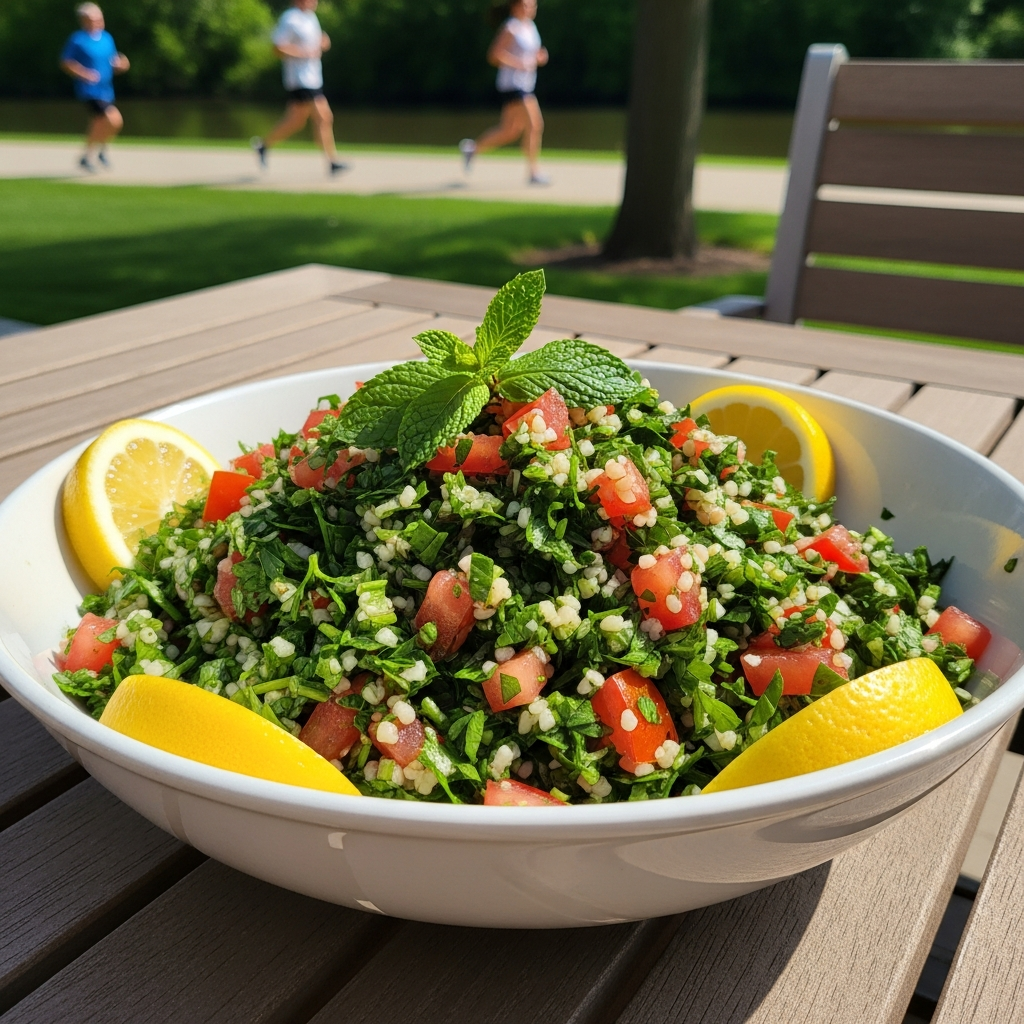
On a bright weekend in Naperville, when the Riverwalk hums with joggers and families and the breeze carries the scent of freshly cut lawns from neighborhoods like Cress Creek and Tall Grass, there’s nothing more welcoming at a backyard table than a chilled bowl of Taboili salad. Locals know it by different names—tabouli, tabbouleh, or as my grandparents pronounced it, taboili—but the spirit is the same: a mound of finely chopped herbs, juicy tomatoes, tender bulgur, lemon, and olive oil, all folding together into a dish that tastes like sunshine in a bowl. Before we turn to the finer points of technique, I like to acknowledge that so many of us discover new dishes by tasting, then cooking, then tasting again, sometimes inspired by a neighborhood spot or a friend’s potluck. That curiosity is the heartbeat of our kitchen culture here. If you’ve ever followed your cravings from the Riverwalk straight to a vibrant spread of shawarma, falafel, and salads, you’ll know the appeal of exploring a well-loved keyword right at home—bringing a little bit of that excitement to your counter and your cutting board.
Why Taboili Belongs in a Naperville Kitchen
Taboili slots neatly into the way we live and entertain in Naperville. We cook for yard gatherings, book club meetups, and kids’ sports celebrations. We value bright flavors that don’t weigh us down, foods that travel well across town, and dishes that are as welcome at a picnic near Knoch Knolls Park as they are at a cozy Sunday dinner in a townhome off Jefferson. Taboili fits this rhythm perfectly. It keeps cool, it improves with a bit of rest, and it complements grilled meats, roasted vegetables, and even a simple platter of pita and hummus. What makes it especially forgiving for home cooks is that the technique—chopping, seasoning, resting—does the heavy lifting. Yes, knife work matters, and yes, your lemons and herbs should be fresh, but the dish itself isn’t fussy. It is generous and adaptable, ready to suit the quirks of your pantry and the rhythms of your day.
Gathering Ingredients Locally
When I shop for Taboili ingredients in Naperville, I begin with herbs. Flat-leaf parsley should be vivid and perky, its stems snappy and its leaves deeply green. Mint should be floral when bruised between finger and thumb. I reach for tomatoes that smell like tomatoes—often early summer brings the kind that perfume the air even in your market bag. A firm, seed-packed variety, like Roma or an heirloom with sturdy flesh, helps keep the salad from getting watery. For the grain, fine or medium bulgur is my choice; it should be golden and even in size, ready to soften without turning mushy. Lemons should feel heavy for their size, and good extra-virgin olive oil should smell fruity and peppery. There is wisdom to buying cucumbers with thin skins, like Persian or English, so you can keep the peel and preserve their refreshing bite. Finally, don’t underestimate fresh scallions: they thread a gentle allium note through the salad, tying herbs and tomatoes together like a chorus line.
The Rhythm of Preparation
Every memorable bowl of Taboili I’ve made in Naperville has followed a steady rhythm: prep, season, wait, and taste. First, I rinse the bulgur and soak it briefly in hot water or hot salted vegetable stock until tender with the faintest chew. The exact timing depends on your bulgur grind, but the goal is clarity in texture, not mush. While it softens, I start chopping herbs. Parsley should be handled with care: bunch it into a tight stack, sweep your knife in small motions, and pause occasionally to fluff the pile so you don’t bruise the leaves into paste. Mint deserves that same attention; it should read as mint in the finished salad, not disappear. Next up, I seed the tomatoes if they’re especially juicy and dice them into small cubes, gather scallions into thin slices, and chop the cucumbers to a similar size. Uniformity matters; it makes the salad feel composed rather than chaotic.
Seasoning Like a Local
Naperville cooks tend to be practical about seasoning. We know that lemon juice and salt open flavors, and olive oil should be added gradually, not dumped. I whisk lemon juice with salt first, tasting for a lively brightness that makes my mouth water. I fold in the bulgur, already fluffed and cooled, then tumble in tomatoes, cucumbers, parsley, mint, and scallions. Only then do I stream in olive oil, letting it coat rather than drown. The salad should glisten, not slick the bowl. It’s tempting to serve immediately, especially if your porch is calling and your friends are on their way, but Taboili rewards patience. Give it at least 20 to 30 minutes to rest. In that time, the bulgur absorbs the juices, the herbs release their fragrance, and the flavors knit together into something greater than the sum of parts.
Little Tricks That Make a Big Difference
If there’s one lesson my neighbors and I trade over backyard fences, it’s that moisture control is everything. Seed juicy tomatoes, salt them lightly, and drain briefly if needed. Pat cucumbers dry. Squeeze extra liquid out of the bulgur if it soaks too long. Another reliable trick is to add lemon zest to the dressing—just a pinch—so that the perfume of citrus hovers in the background. If you love mint, chop half of it into the salad and bruise the rest lightly by hand before adding, which nudges out its essential oils without turning the leaves dark. And if you prefer a more herb-forward Taboili with less grain, reduce the bulgur and add more parsley, then adjust the lemon and salt accordingly. Food in Naperville is about balance and ease, not dogma. Make the salad taste the way you like to eat.
A Word on Texture and Knife Skills
My favorite Taboili bowls in town share a crisp, confetti-like texture. You don’t need a chef’s diploma to get there, just a sharp knife and a little mindfulness. Keep your herb bundles compact and your blade clean. Move in small arcs, and when the herbs start sticking, scrape the board, fluff the pile, and continue. With tomatoes and cucumbers, aim for even dice so that no one bite overwhelms. If you’re new to knife work, practice on scallions: start slow, keep your knuckles forward, and develop a rhythm. In time, the sound of chopping becomes almost meditative, a steady tap that pairs curiously well with a storm rolling over the prairie or the hush of a late evening on Washington Street after the shops close.
Serving Ideas for Naperville Tables
Taboili doesn’t need much adornment. In summer, I serve it chilled with grilled chicken or tofu, maybe a dollop of garlicky yogurt and a quick cucumber salad alongside. In colder weather, I layer it into a simple grain bowl with roasted sweet potatoes and chickpeas, letting the herbs lift the cozy richness of the other ingredients. If I’m sharing a spread with neighbors, I spoon it into a shallow bowl, scatter a few mint leaves on top, and tuck wedges of lemon around the edges so guests can brighten their portions. And if you’re preparing it for a picnic by the Riverwalk, pack it in a chillable container and bring extra napkins—someone always leans in for seconds.
When Taboili Meets the Workweek
There’s a reason so many Naperville home cooks rely on Taboili for meal prep. It’s just as happy resting overnight as it is sitting on a potluck table. I portion it into lidded containers for weekday lunches. By Wednesday, the salad has hit peak flavor, tasting as if all the ingredients have finally finished their conversation. If you long for variety, top each portion with something different: olives one day, roasted peppers another, a crumble of feta on Friday. Midweek, when the to-do list spills past 5 p.m., I sometimes pair the salad with warm pita and a drizzle of tahini for a simple dinner. And when I want to explore new flavors, I find inspiration by thinking like a diner browsing a generous keyword: which complementary dishes would lift the herbs and lemon without overshadowing them? Think grilled skewers, crisp falafel, or a bowl of lentil soup as the air turns cool.
Make-It-Yours Variations
While tradition points to bulgur as the grain of choice, some neighbors swap in quinoa for a gluten-free version. The technique is similar—cook, cool, fold in—but keep a gentle hand with oil and lemon so the quinoa doesn’t hog the dressing. Others cut back on grain entirely, letting parsley and mint do the heavy lifting, a style that feels almost like eating a salad of herbs with accents of tomato and cucumber. You can add a whisper of ground cumin to the dressing, or a sliced serrano for a hint of heat. Just keep the essence intact: chopped freshness, vivid acidity, and a grain that provides lift rather than heft. Think of Taboili as a canvas—like the mural walls you might pass downtown—where every small choice is a brushstroke that shapes the final scene.
Storing and Transporting
Taboili travels beautifully across Naperville, and that’s not hyperbole. Whether you’re crossing town to a friend’s deck near 95th Street or scooting east of Washington for a casual dinner, it keeps its poise if you give it a little care. Chill it thoroughly before leaving home. Pack it in a shallow container so it doesn’t compress and weep excess moisture. Bring extra lemon wedges and a small vial of olive oil, then refresh just before serving. If you store leftovers, keep them tightly sealed in the refrigerator and stir gently before enjoying, tasting to see if a pinch of salt or a spritz of lemon would bring it back to life.
Cooking with Community in Mind
Naperville’s food scene thrives on generosity. Taboili reflects that spirit because it invites participation—someone washes herbs, someone chops tomatoes, someone zests the lemon, someone tastes and nods. I’ve seen teens pick up knife skills on this salad and older neighbors say it reminds them of a dish they loved in another city. Cooking it a few times will build your confidence: you learn to trust your eyes when the herbs mound high, your ears when the knife finds its rhythm, and your palate when the acidity balances the olive oil just so. And you learn when to stop, which is the most important lesson of all. A good bowl of Taboili feels alive; overwork dulls it. Let it rest, then enjoy.
Frequently Asked Questions
Q: What type of bulgur should I use for classic Taboili? A: Fine or medium bulgur works best because it softens quickly and stays pleasantly nubby. Coarse bulgur can be used, but it needs a longer soak and risks dominating the texture.
Q: How do I keep my salad from getting watery? A: Seed very juicy tomatoes, pat cucumbers dry, and make sure bulgur is tender but not soggy. Let the finished salad rest so the grain absorbs excess moisture, then adjust seasoning just before serving.
Q: Can I make Taboili ahead of time for a party? A: Absolutely. Make it several hours ahead or even the night before. Keep it chilled and taste before guests arrive; sometimes a squeeze of lemon or a pinch of salt wakes it up.
Q: Is there a gluten-free option? A: Yes. Substitute quinoa or finely chopped cauliflower. You’ll need to cook and cool quinoa first, whereas cauliflower can be used raw if chopped very fine. Adjust lemon and oil lightly to avoid sogginess.
Q: How much parsley is too much? A: There’s room for preference, but a generous herb presence is traditional. Start with a ratio that favors herbs over grain, then fine-tune after tasting. If it turns grassy, add a touch more lemon and tomato for balance.
Q: Can I add cheese or protein? A: While unconventional, a light crumble of feta or a side of grilled chicken pairs well without changing the heart of the dish. Keep additions on the side so the base salad remains bright and plant-forward.
Bring It to Your Table
Now it’s your turn to make Taboili a Naperville staple—chop the herbs, squeeze the lemons, and let the bowl rest while you set the table on the patio or by a sunny window. If you want inspiration for pairings and sides, think like a curious diner browsing a dynamic keyword and imagine the flavors you’d love on the same plate. Then trust your senses and serve. Your neighbors will ask for the recipe, and you’ll smile, knowing it’s as simple and as generous as our town itself.