
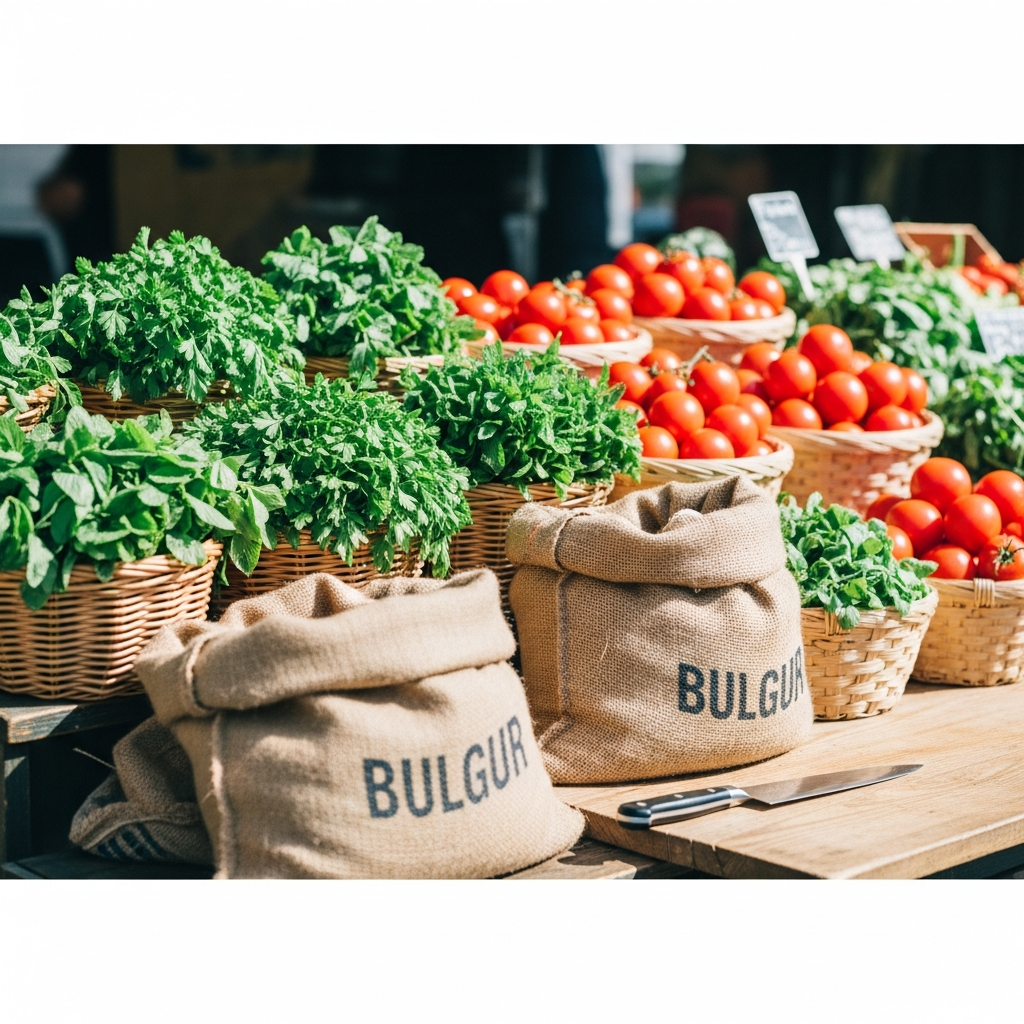
Authenticity in tabouli begins long before the first squeeze of lemon. It starts with how you think about the salad: not as a grain dish dotted with herbs, but as an herb salad that welcomes a little grain. Around Naperville, I’ve watched cooks from different backgrounds converge on the same truth at block parties and potlucks: the brightest bowls are dominated by parsley, supported by tomato, cucumber, scallion, and only then softened by a whisper of bulgur. That order of priority is nonnegotiable if you want the clean, effervescent flavor that defines tabouli at its best. When you frame it this way, every choice you make—how fine to chop, how long to rest—flows naturally.
On a Saturday morning at the Naperville Farmers Market, you can spot the makings of a perfect, from-scratch bowl within a few stalls: taut tomatoes, parsley so vivid it looks lit from within, and mint you can smell from a few steps away. In winter, our neighborhood grocers still offer reliable stand-ins, and a little technique keeps flavors sharp all year. If you’re searching for a taste reference to calibrate your own bowl, a quick glance at this keyword can orient your palate so your home version lands right in the sweet, lemony, herb-first lane.
Chopping: the quiet craft that makes it authentic
Authentic tabouli wears its texture like a well-cut suit. Each herb is finely chopped, never bruised into a paste. The parsley becomes a green snowfall, each fleck distinct. This doesn’t happen by accident. Use a sharp knife and take your time, bunching the leaves, drawing the blade in long, smooth strokes, and returning for a second pass only to refine, not pulverize. Mint gets even gentler treatment; stack, roll, and slice, letting its perfume rise without releasing too much moisture. Tomatoes want a neat dice so their juices amplify the dressing, not flood the bowl. Cucumbers bring crunch—but authenticity asks you to keep them in a supporting role. Their job is refreshment, not dominance.
The bulgur, ideally fine, is not boiled into submission. Instead, let it swell in lemon juice and a trickle of olive oil, seasoned with a pinch of salt. This imbues the grain with brightness and keeps it in the background, textural but quiet. If all you have is medium bulgur, give it a brief soak in hot water, drain completely, and then toss it in the lemon base so it absorbs the right flavors. The goal is a tender bite that doesn’t compete with the herbs.
Seasoning with restraint and confidence
Salt lifts every note but should never leave its own footprint. Add it early to the lemon and oil mixture, then taste again after tossing in the tomatoes and scallions. You’ll notice the salad become more dimensional as the vegetables give up just enough juice to marry with the lemon. Olive oil should arrive last, and in moderation, like a gloss. Drizzle, don’t pour, and toss until every speck of parsley looks kissed, not coated. Authentic tabouli feels weightless on the tongue, buoyed by acid and fragrance rather than heft.
In Naperville homes, we often adapt authenticity to our rhythm. We set the table outdoors in late May, and the salad catches the evening light while kids run through the yard. Or we bring a chilled bowl to a winter game day spread, a verdant counterpoint to heavier fare. If you’re pausing mid-prep for taste inspiration, another peek at this keyword can remind you how lemon, herbs, and a judicious hand with oil create a melody that feels right at home in a classic Mediterranean lineup.
The rest period: where flavors become themselves
Five to fifteen minutes can transform your bowl. After tossing, let the salad settle. During this pause, the sharp edges soften, and the parsley, mint, and scallions learn to share the spotlight. Too short a rest, and your first bite skews lemony; too long, and the herbs tire. On hot afternoons in Naperville, I’ll pop the bowl into the fridge for a short chill. In cooler months, room temperature suits the salad best and allows aromas to expand.
Some cooks worry about tomatoes watering the salad. The fix is simple: choose ripe but firm fruit, dice cleanly, and let a sprinkle of salt coax out excess juice before they meet the parsley. Then, instead of discarding those juices, fold them into the lemon base—they’re liquid gold, a flavor boost that makes your tabouli taste like more than the sum of its parts.
Serving with a local sensibility
Authentic tabouli belongs on a table meant for sharing. I like to plate it with wedges of crisp romaine for scooping, and a few lemon quarters for guests who want a brighter pop. Around Naperville, you’ll see it paired with grilled skewers in the backyard, or as a refreshing side to pan-seared fish on a weeknight. If brunch is your lane, a spoonful beside herbed eggs makes a surprising, satisfying plate. For vegetarians, a generous helping with a side of hummus and warm pita is abundant yet light.
For gatherings that stretch past sunset—think summer porch dinners where conversations drift as lazily as the fireflies—tabouli holds up without losing its nerve. If you expect a crowd, prepare the herbs and the lemon base ahead of time and keep them separate; toss right before serving to preserve that perky texture we prize.
Small variations that stay true
Authenticity allows gentle riffing. A dash of Aleppo pepper, a few sumac crystals for tartness, or a handful of finely diced radish for peppery lift can all fit within the tradition’s spirit, provided the parsley remains the star. What you want to avoid are heavy grains, sweet vegetables, or creamy dressings that drown the herbs. Keep an anchor in the classic template, and your version will read as faithful rather than fussy.
FAQ: Authentic tabouli at home
Why is parsley more important than bulgur? Because tabouli is, at its core, an herb salad. Bulgur adds body, but parsley delivers the identity, fragrance, and primary texture.
Can I use curly parsley? Flat-leaf is preferred for flavor and texture, but curly will do if chopped very finely. Taste as you go; you may need a touch more lemon to brighten it.
Do I need fresh mint? Fresh mint is ideal. Dried mint muddies the salad and doesn’t provide the cool lift that fresh leaves bring.
What’s the best olive oil for authenticity? A fruity, medium-intensity extra-virgin oil that glides rather than dominates. It should support, not headline.
How long should tabouli rest before serving? Five to fifteen minutes is enough for flavors to harmonize while the herbs stay lively.
Can I make it gluten-free? Substitute fine, slightly undercooked quinoa and toss it in the lemon base to soak up flavor. Keep the quantity modest so parsley stays primary.
Bring authentic flavor to your Naperville table
When you honor the fundamentals—parsley first, fine chopping, lemon-bright dressing—you can summon the soul of tabouli right in your Naperville kitchen. Keep the ritual simple, serve it generously, and let the conversation carry on. And when you want a flavor cue to sharpen your sense of balance before you chop, take a moment with this keyword, then return to your cutting board with confidence. Your next bowl may be your most authentic yet.