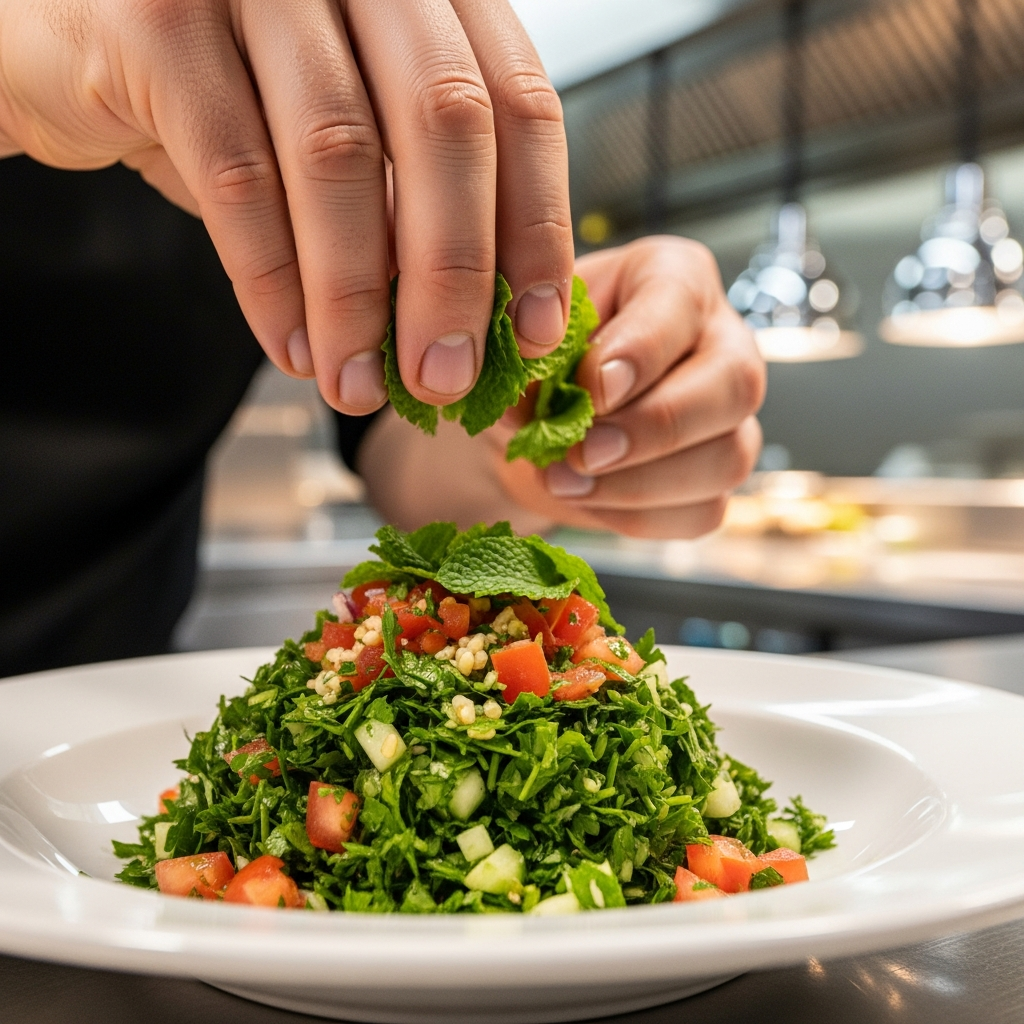
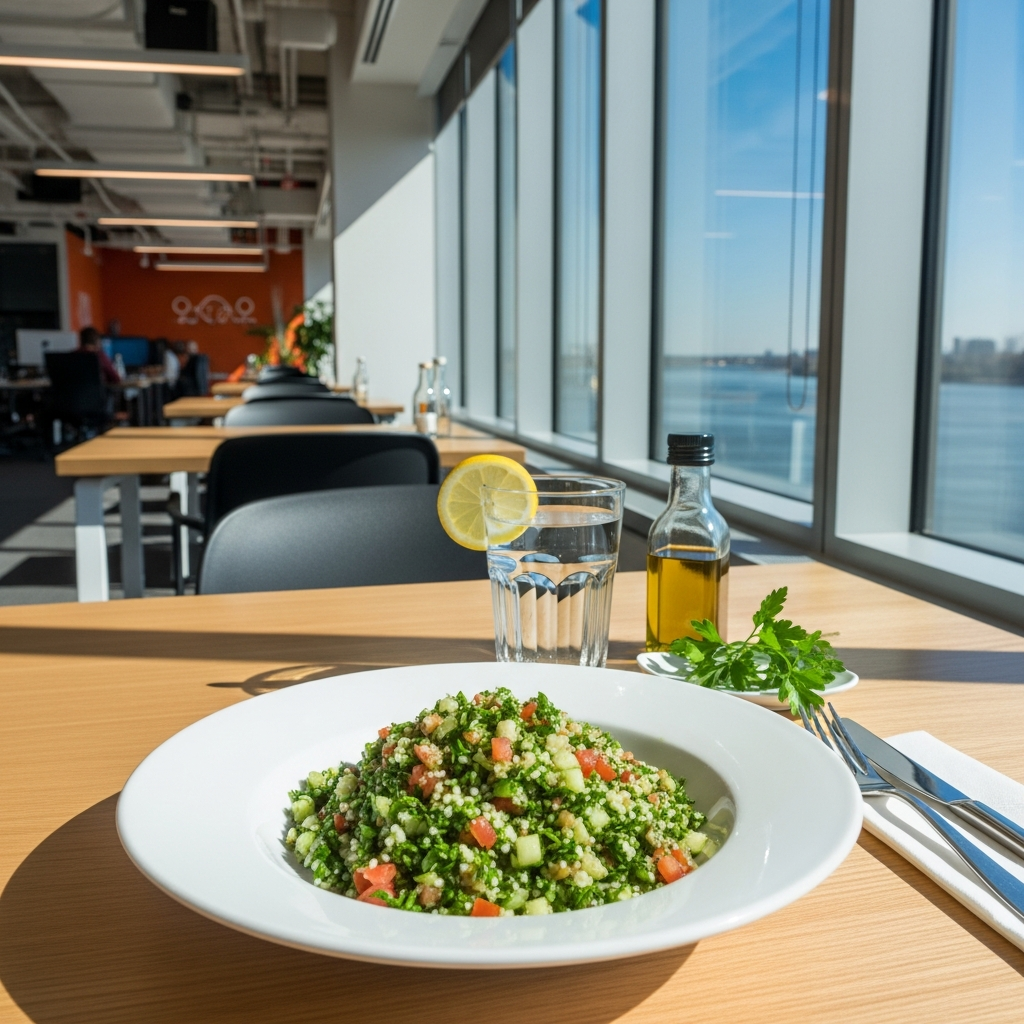
When folks in Naperville ask why tabouli feels so energizing, I usually point to the way this salad unites bright herbs, lean grains, and zesty citrus into a bowl that feels greater than the sum of its parts. It’s not just a side—it’s a smart, fresh way to nourish yourself without slowing down. Whether you’re strolling the Riverwalk, heading to a kids’ game at Frontier Park, or settling into a desk lunch in the tech corridor, tabouli’s nutrition profile offers steady energy and a surprising amount of micronutrients. And if you like calibrating your taste buds before you plan your own meals, a quick look at this keyword can help you imagine flavors that keep nutrition and enjoyment in balance.
Parsley power: the leafy backbone
Most salads lean on lettuce for bulk, but tabouli relies on parsley, and that switch changes everything nutritionally. Parsley is dense with vitamin K for bone and blood health, brings vitamin C for immune support, and offers folate, which is essential for cell function. Because parsley isn’t waterlogged like some lettuces, you get more nutrients per forkful. There’s also a valuable dose of phytochemicals—plant compounds that work in subtle ways to help the body manage oxidative stress from daily life. In Naperville, where workdays can stretch long and weekends stay active, that gentle support adds up.
Chopping parsley finely does more than refine texture. It helps distribute those nutrients evenly, so each bite delivers the mix of vitamins and minerals you’re aiming for. And because tabouli’s dressing is olive-oil based, you get some fat to help your body absorb fat-soluble vitamins. It’s a simple pairing of nature and tradition that adds up on the plate.
The grain that grounds the salad
Bulgur, a cracked and parboiled wheat, brings fiber and complex carbohydrates that digest more slowly than simple sugars. That means steadier energy, fewer spikes and crashes. A modest handful in the bowl contributes a comforting chew without stealing the show. Fiber helps with fullness and supports a healthy gut, and the B vitamins in whole grains assist in turning food into fuel. When you’re darting from the 95th Street Library to errands along Route 59, that sustained energy can make the difference between a midafternoon slump and a contented glide toward dinner.
For diners sensitive to gluten, a smart substitution like quinoa can echo bulgur’s role. Keep the quantity small so the salad stays herb-forward, and dress the grain while warm so it takes on lemon’s brightness. The nutritional benefits remain: protein from the grain, fiber for fullness, and a texture that helps you slow down enough to savor.
Vegetables that do more than decorate
Tomatoes bring vitamin C and lycopene, a carotenoid studied for its role in supporting cellular health. Cucumbers offer hydration and a cooling crunch with minimal calories, which is welcome in warm weather or after a workout at a Naperville gym. Scallions and mint add antioxidants and aromatics that encourage mindful, slower eating—an underrated nutritional advantage. When food smells alive, you tend to pay closer attention and feel satisfied by moderate portions.
Lemon juice is not just for zing. It supplies vitamin C and brightens flavors enough that you can embrace lighter amounts of oil and salt. That balance matters over the long haul; the palate learns to crave freshness more than heaviness, and that shift tends to ripple into other meals across the week.
The olive oil equation
Olive oil in tabouli contributes heart-friendly monounsaturated fats and polyphenols. It’s not a license to pour with abandon; think of it as a gloss that carries flavor and enhances absorption of fat-soluble nutrients. In practical terms, when you toss parsley with a modest drizzle, you get that satisfying mouthfeel without overshadowing the salad’s brightness. If you’ve ever felt weighed down by dressings, tabouli can retrain your expectations—clean, zesty, and buoyant, with oil playing a supporting role.
Portion sense for Naperville diners
Serving sizes depend on whether tabouli is a side or a centerpiece. As a side next to grilled fish or beans, a small bowl may feel abundant because parsley is voluminous. As a main for lunch, a larger scoop paired with protein—perhaps chickpeas or a simple skewer—delivers balanced satisfaction. I often suggest starting with less than you think you need, eating slowly, and checking in. The herb-forward nature invites you to tune into fullness cues. In an area where many of us eat between meetings or carpools, that pause is a gift.
Dining out or ordering in, you can keep an eye on cues of balance: does the salad taste like lemon and herbs first, or like oil and grains? The former likely aligns with the classic nutritional profile; the latter may push the dish toward heavier territory. If you’re seeking reference points for that balance, a glance at this keyword can anchor your sense of proportion before you order or cook.
Sodium, acidity, and the art of seasoning
Salt is essential to make tabouli sing, but its role is strategic. Acid from lemon allows you to use less salt while keeping flavors lively. Tossing the bulgur in a salted lemon base means the grain, which would otherwise be bland, becomes flavorful without over-seasoning the whole bowl. Herbs naturally lean fresh and light, so a modest seasoning effort often goes a long way.
If you’re watching sodium, consider using flaky sea salt and crushing it between your fingers as you sprinkle; the crystals dissolve at different rates, providing a sense of savory depth without high quantities. Let the salad rest a few minutes and taste again; often, what tastes under-seasoned at first completes itself after the ingredients mingle.
Making tabouli part of your week
From a practical standpoint, tabouli is a meal-prep ally. Chop herbs after dinner when you’re already at the cutting board, then finish the salad the next day. It holds beautifully in the fridge for a couple of days, and a small refresh with lemon and a thread of oil brings it back to peak. Pack it for a Riverwalk picnic, set it out at a backyard gathering, or tuck it beside a simple protein for a desk lunch. The nutrition fits whatever the day asks of you.
FAQ: Nutrition-focused questions
Is tabouli low in calories? Generally, yes, because it’s dominated by herbs and vegetables. The caloric content mainly depends on how much bulgur and olive oil you use. Keeping both in check preserves the salad’s lightness.
Does tabouli provide enough protein for a meal? On its own, it’s modest in protein. Pair it with chickpeas, grilled fish, or lentils for a rounded plate that satisfies longer.
Is it a good option for heart health? Tabouli’s olive oil, fiber from bulgur, and abundance of produce align well with heart-friendly patterns. As always, overall dietary patterns matter most.
How does it support hydration? Cucumbers and tomatoes contribute water, and the salty-lemony profile often encourages you to drink more alongside your meal, which helps on hot summer days.
Can I make it gluten-free without losing benefits? Yes. Use quinoa or even finely riced cauliflower in tiny amounts, keeping parsley first. You’ll still get fiber, micronutrients, and that refreshing character.
Bring nutrition and flavor together
Tabouli thrives in Naperville because it matches how we live—busy yet intentional, social yet health-conscious. With each bite, you get brightness, crunch, and a gentle nudge toward balance. If you want a flavor compass before you prep or order, explore this keyword, then build your plate with confidence. Your next lunch can be both smart and deeply satisfying.