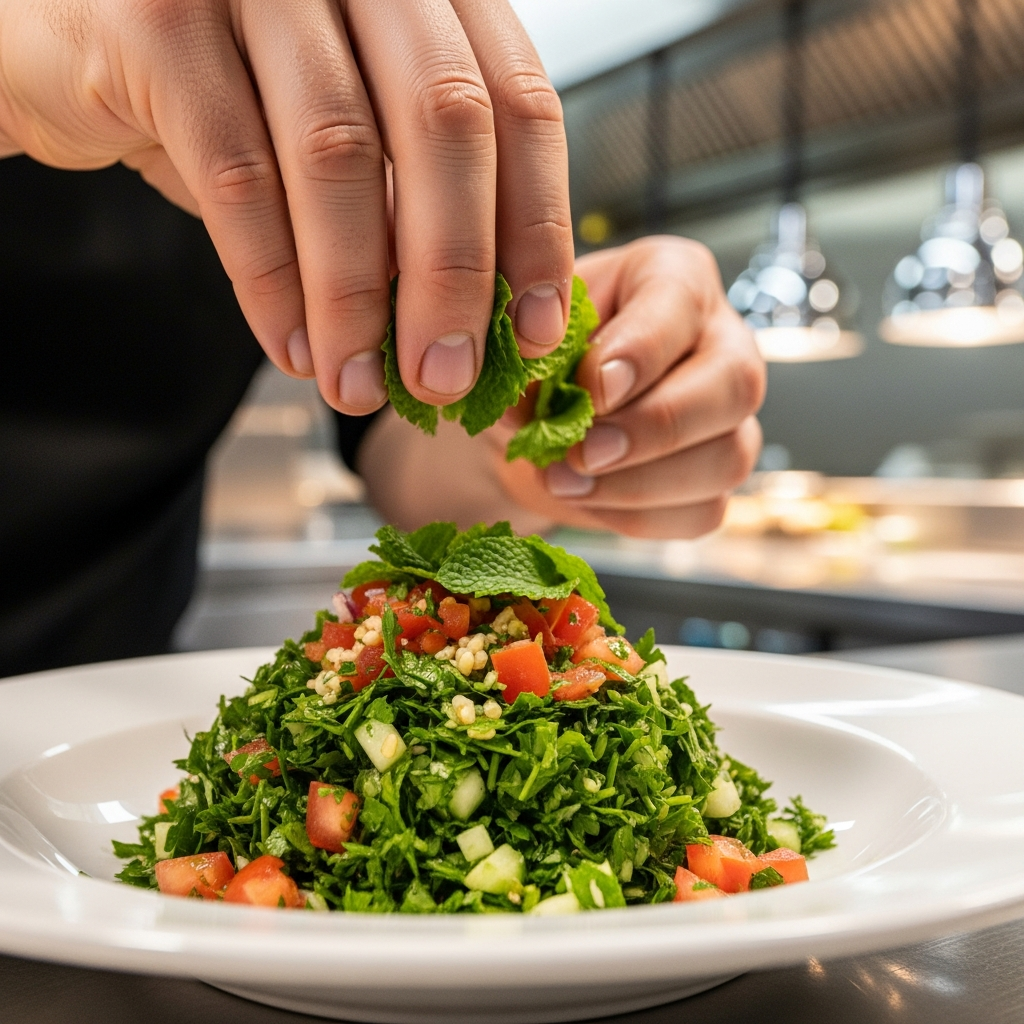
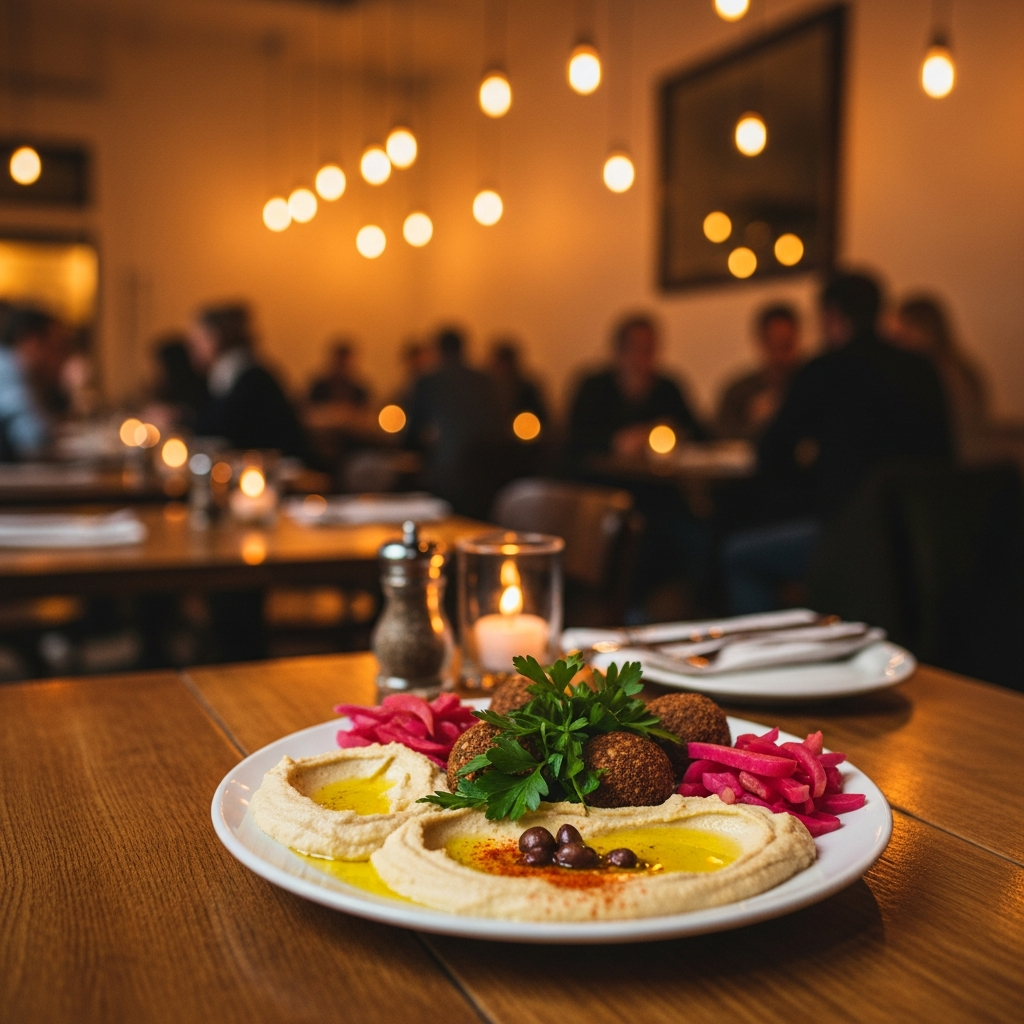
On any weekend in Naperville, you can trace a culinary map by following conversations. Neighbors swapping recommendations downtown, friends catching up near the Riverwalk, families comparing favorite spots after a kids’ game—again and again, falafel finds its way into the story. As someone who has watched our city’s dining scene evolve, I’ve come to see falafel not only as a delicious bite but as a thread stitching together the values we cherish: hospitality, variety, health, and a vibrant sense of community. It is telling that the first glance many diners give a restaurant is to the menu, where a well-made falafel has become a quiet but essential promise of inclusivity and craft.
A Welcoming Doorway to Global Flavors
Falafel is often the first handshake with Middle Eastern cuisine for Naperville diners. It greets you with familiar elements—crunch, warmth, bright herbs—while inviting you to try tahini, pickled turnips, and the savory-sour notes of sumac. This invitation matters in a city that thrives on curiosity. It clears the way for new dishes to follow, widening palates across generations and ensuring that dining out remains an exploration rather than a routine.
That welcoming quality also smooths the logistics of meeting friends who have different dietary needs. Whether your table includes meat eaters, vegetarians, or the simply curious, falafel is a reliable bridge. It enables a shared experience where everyone has something delicious to celebrate, and that spirit of togetherness shows up in the animated conversations that define our downtown evenings.
Falafel and the Naperville Rhythm
Our city hums with activity: morning trains, afternoon pickups, evening meetups. A portable, satisfying, and familiar dish slips naturally into this motion. You can order a falafel wrap for a quick lunch between meetings, set out a platter for a casual backyard gathering, or settle into a more leisurely plate with salad and warm pita. The flexibility of falafel tracks with the pace of a typical Naperville day, both accommodating and elevating it.
There is also a cultural rhythm at play. Falafel has become a shorthand for mindful eating that still feels festive. In a town that prizes wellness and community, that combination resonates deeply. People want food that moves them forward without moralizing, and falafel has a way of making good choices feel like second nature.
A Canvas for Local Creativity
When you talk to chefs in and around Naperville, they light up describing the variations. Some lean into herbal brightness, packing the mixture with parsley and cilantro. Others chase depth with cumin and coriander, or flirt with heat via chili and pepper. Tahini might be lemony and thin for drizzling or rich and nutty for dipping. The common thread is craft. Falafel encourages a distinct house style, which is why you’ll hear locals debate favorites with the affectionate tone usually reserved for hometown teams.
Seasonality plays a role as well. During summer, menus showcase falafel beside ripe tomatoes and cool cucumbers; in colder months, it arrives with roasted carrots and warm spices. The dish absorbs Naperville’s seasonal mood, ensuring it never feels out of place.
Nutrition Without Preaching
Another reason falafel has cemented itself in our dining culture is the quiet way it supports well-being. A base of chickpeas brings protein and fiber that help residents glide through dense workdays and weekend schedules. That balance suits students cramming for exams, parents sprinting through after-school logistics, and professionals powering through project deadlines. Falafel offers steadiness without calling attention to itself, the sort of everyday heroism that endears a dish to a community.
Its versatility also helps restaurants provide better choices without alienating diners who simply want satisfaction. You can lean into greens for a lighter meal or fold falafel into a wrap when you need something heartier. Either way, you feel looked after, not lectured.
Falafel as Cultural Connector
Naperville’s story has always included exchange—of ideas, of cultures, of tastes. Falafel travels beautifully across those boundaries. It’s a staple born in one region and now embraced across continents, and in our city it often anchors conversations about heritage, hospitality, and the simple act of feeding one another well. When a table shares falafel, there is a subtle sense of recognition: we’re participating in a tradition larger than ourselves, yet made local by the friends around us and the streets just beyond the window.
That shared experience extends to gatherings big and small. From backyard celebrations to community events, a falafel platter signals abundance without complication. It’s tidy, customizable, and just adventurous enough to spark conversation among guests who might be meeting for the first time.
The Role of Craft and Consistency
Great falafel demands care at every step. Dried chickpeas need proper soaking. The mixture benefits from gentle pulsing rather than aggressive blending. Resting the batter helps flavors marry and texture stabilize. A cook’s patience with oil temperature or baking time determines whether the crust shatters delightfully or turns heavy. That craftsmanship, repeated daily, builds trust. Diners return to the places that respect the details, and in doing so they reinforce falafel’s standing in our city’s culinary identity.
Consistency also nurtures nostalgia. That first bite—crisp shell, herbaceous steam rising, lemon lifting the edges—becomes a memory. Later, when you’re walking past familiar storefronts or settling onto a Riverwalk bench, the scent of cumin can feel like a cue to reconnect with moments that tasted just like this.
A Middle Path Between Comfort and Adventure
Falafel isn’t polarizing. It’s neither so mild that it fades into the background nor so bold that it demands a special occasion. That middle path is where Naperville’s dining culture thrives. We love comfort with a spark of discovery, and falafel brings both. It anchors menus, brightens salads, and plays well with seasonal sides. It can be assembled quickly for a weekday or savored slowly on a weekend, maintaining a place at the table across moods and months.
When you glance through a local menu, you often find falafel presented in multiple formats: in a wrap, over greens, beside warm grains. That versatility makes the dish a reliable partner for the many ways we live and gather.
Community, Economy, and the Local Table
A thriving dining culture relies on more than good recipes; it rests on relationships. Falafel-centered kitchens employ cooks, servers, and owners who become part of our daily landscape. They sponsor local teams, contribute to events, and host fundraisers. In return, the community supports them with repeat visits and word-of-mouth recommendations. The humble chickpea ball becomes an economic actor, helping sustain the storefronts that make our streets lively.
At home, falafel has its own ripple effect. Families cook together, sharing tips and passing down preferences. Friends show up with warm pitas and lemony salads. The dish nudges us toward hosting, and hosting nurtures the social fabric that defines Naperville.
Home Cooking and the Joy of Mastery
There’s a special pleasure in making falafel yourself. You choose the herb ratio, the spice profile, the exact shade of golden-brown that makes you happiest. Over time, you internalize little moves: how damp the chickpeas should feel, how long to rest the mixture, how to shape without overpacking. Mastery of a simple, generous recipe can turn weeknights into small celebrations. It also strengthens our connection to the restaurants we love because we recognize the level of craft they deliver at scale.
For parties, a tray of just-cooked falafel becomes a communal centerpiece. Guests hover, dipping and chatting, comparing condiments, and trading notes about where they’ve had their favorite versions around town. The dish sparkles as both a snack and a statement of welcome.
Looking Ahead: Falafel’s Future in Naperville
As dining continues to evolve—from quick-service counters to relaxed, full-service rooms—falafel is poised to remain a touchstone. It aligns with rising interest in plant-forward eating while still appealing to traditional sensibilities. It suits the flexibility of modern menus, adapts to seasonal produce, and withstands the scrutiny of health-conscious diners. In short, it’s as future-proof as a dish can be, because it never forgets the basics: taste, texture, comfort, and community.
Expect to see more playful sauces, more creative sides, and a deeper emphasis on quality sourcing. But the heart will stay the same: a crisp, fragrant bite that tastes like generosity.
FAQ
Q: Why has falafel become a fixture on Naperville menus? A: It satisfies diverse dietary needs, offers vibrant flavor, and reflects the community’s preference for food that is both comforting and health-conscious.
Q: Is falafel just for vegetarians? A: Not at all. It’s embraced by a wide range of diners because it’s delicious, customizable, and pairs well with many sides and sauces.
Q: What makes a standout falafel in local restaurants? A: Attention to detail—properly soaked chickpeas, a balanced herb-and-spice blend, and precise cooking that yields a crisp shell and tender interior.
Q: How has falafel influenced home cooking in Naperville? A: It’s taught home cooks to value soaking, resting, and gentle pulsing for texture, while encouraging gatherings centered on shared platters and bright salads.
Q: Will falafel remain popular as dining trends shift? A: Yes. Its adaptability and alignment with plant-forward, flavor-driven cooking ensure it stays relevant and loved.
Whether you’re planning a quick lunch or a leisurely dinner, consider how falafel can bring people together at your table. Explore a local spot’s thoughtfully composed menu, invite a friend, and savor the kind of meal that reminds us why dining in Naperville feels as communal as it is delicious.