Walk down Jefferson Avenue or wander the blocks around the Riverwalk at lunchtime, and you can practically chart the city’s dining evolution by the aroma of freshly fried falafel mingling with lemon and tahini. As a local who pays close attention to what chefs are testing and guests are loving, I’ve watched falafel evolve from a reliable staple to a center-stage item that signals where Naperville’s restaurant scene is heading. A quick look at any thoughtful menu confirms it: falafel is a bellwether for flavor, technique, and hospitality.
The Rise of Bowls and Greens
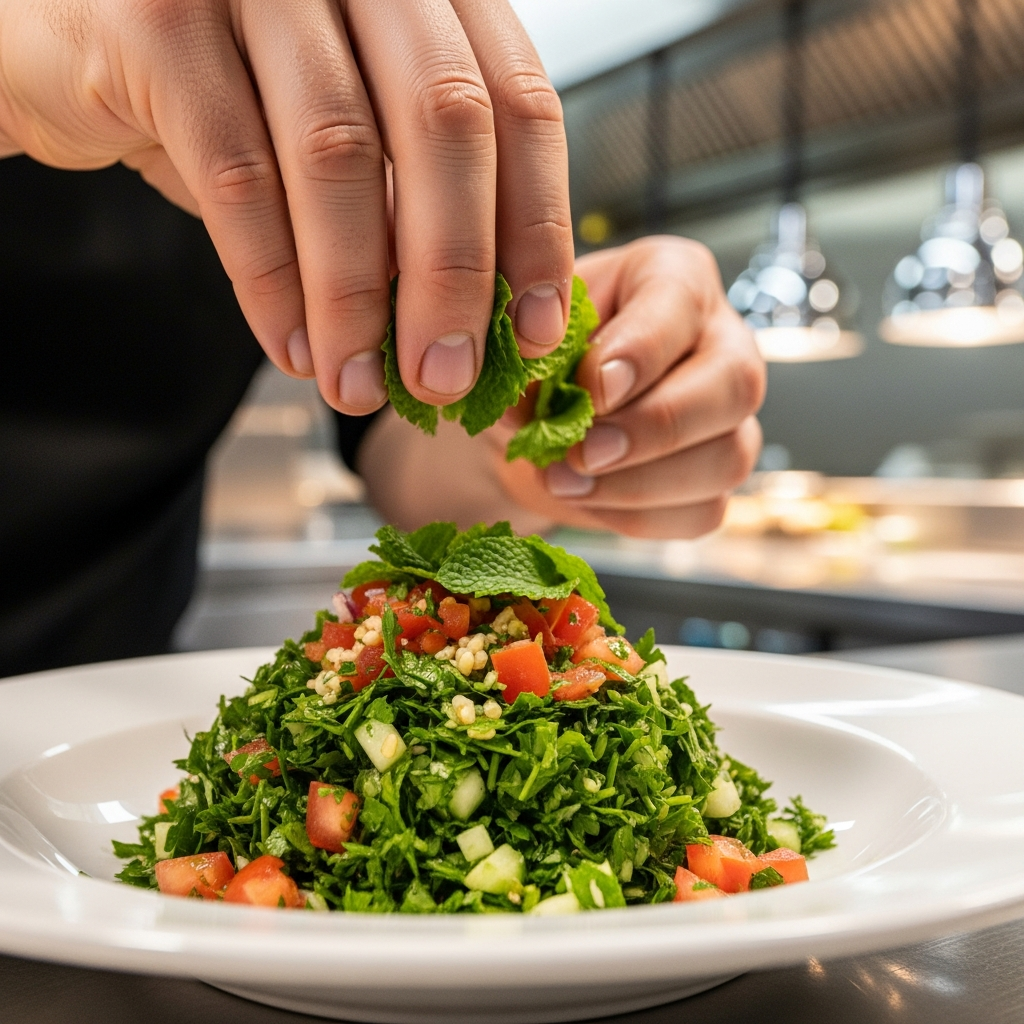
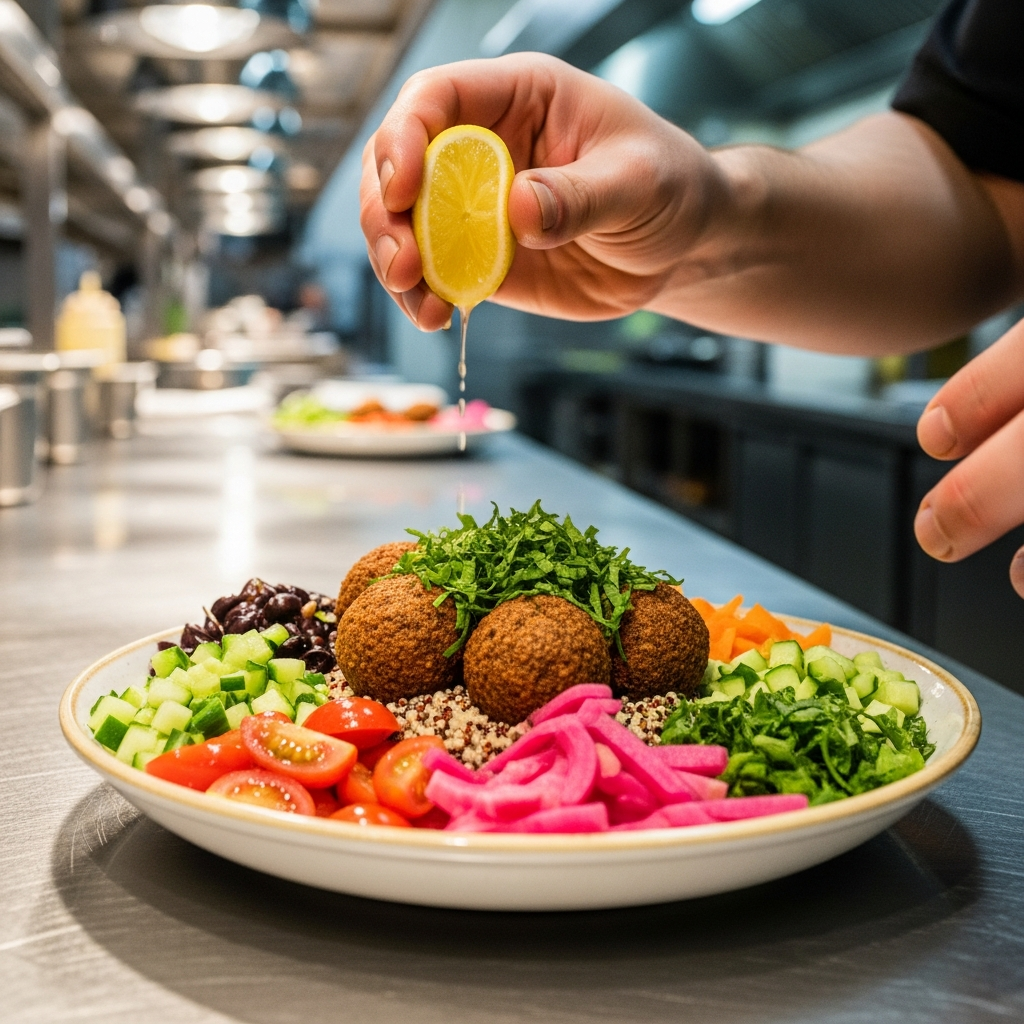
For years, falafel wraps were the go-to. Lately, bowls have gained ground, giving chefs a wide canvas for contrast: crisp falafel, warm grains, crunchy cucumbers, juicy tomatoes, pickled turnips, and a drizzle of tahini that ties everything together. Guests appreciate the control bowls provide—more greens on one day, extra grains on another—without sacrificing the dish’s essential comfort. This shift also dovetails with diners’ interest in lighter midday meals that won’t slow an afternoon’s productivity.
Salad-forward plates also invite seasonal creativity. Summer might bring a flood of herbs, while fall leans into roasted vegetables and deeper spice. Falafel’s steady personality lets these accents shine, keeping menus lively over the course of a year.
Air Fryers, Ovens, and Lightness by Design
Restaurants and home cooks alike are embracing techniques that retain crunch with less added fat. Air fryers and convection ovens produce a vigorous exterior and a fluffy core when the mixture is properly rested and shaped. The results satisfy cravings while answering diners’ desire for options that feel breezy and energizing. This is not a move away from tradition so much as an expansion, giving people choices that match their preferences and their days.
Technique trends have also revived appreciation for texture fundamentals: pulsing rather than pureeing, chilling the batter, and cooking in batches to maintain even heat. Naperville chefs talk shop about these details as much as they do about sauces, because texture is where falafel wins hearts.
Alternative Legumes and Flavor Experiments
Chickpeas are still the anchor, but kitchens are playing with additions like fava beans or lentils to tweak color, protein levels, and earthiness. These variations keep regulars engaged and give chefs a new vocabulary to express their style. A hint of turmeric in the batter for golden warmth, a whisper of chili for background heat, or a touch of citrus zest to lift the aromatics—small moves that make a big impression.
Sauces are evolving in parallel. Beyond classic tahini, you’ll find herb-driven zhoug, smoky pepper blends, and lemon-forward drizzles that change with the produce calendar. In Naperville, where diners enjoy both comfort and novelty, this dialogue between batter and sauce is driving repeat visits.
Gluten-Conscious and Allergen-Aware Options
Trends respond to people, and people want to eat well with fewer obstacles. Many kitchens are taking extra care with binders, breadcrumbs, and prep spaces so gluten-conscious diners can enjoy falafel confidently. Clear communication on menus and in person builds trust, and when trust grows, a dish becomes part of the weekly routine rather than an occasional treat.
Allergen awareness extends to sides and sauces too. A bright, lemony slaw without common allergens or a dairy-free drizzle that still delivers lushness helps more guests feel welcome without compromising flavor. That ethos—hospitality through thoughtfulness—defines Naperville’s dining scene at its best.
Falafel as Shareable Social Food
Share plates have been on the rise, and falafel excels as a communal starter. Diners order a platter for the table, nibbling as they talk, which sets a gracious tone for the rest of the meal. Chefs lean into this by presenting assortments of pickles, herbs, and sauces that invite people to assemble each bite slightly differently. The ritual is interactive without being fussy, playful without feeling precious.
This shareable quality also suits celebrations—graduations, new jobs, reunions—where a platter signals abundance and care. It’s hard to imagine a more welcoming sight than a tumble of golden falafel surrounded by color.
Tech, Takeout, and the Stay-Crisp Challenge
Naperville’s busy schedules mean takeout is here to stay, and restaurants are meeting the challenge of preserving texture by using ventilated packaging and strategic layering. Some kitchens par-cook falafel to finish crisp upon arrival, while others separate sauces to prevent sogginess. Guests, in turn, are learning quick tricks at home—brief oven finishes or air fryer refreshes—to bring back the shatter of a perfect crust.
Online ordering has made discovery effortless. Guests scan photos and descriptions, compare options, and zero in on combinations that suit the moment. Well-designed menus guide that process, ensuring the first bite meets the expectations set on the screen.
Falafel at Brunch and Beyond
The boundaries of when falafel appears have loosened. Brunch menus experiment with savory bowls topped with a runny egg or crisp falafel served alongside roasted potatoes and greens. Late-night menus feature smaller, snackable versions that keep conversations going without the weight of heavier fare. This flexibility is part of why falafel remains a trend leader: it can sit comfortably in multiple dayparts without losing its identity.
Beverage pairings are evolving too, with bright, citrus-forward sips accenting the herbaceous profile of the dish. The goal is a meal that feels lifted rather than dulled, one that primes you for the rest of the day.
Wellness Without Numbers
Diners increasingly seek food that supports energy, focus, and mood, while avoiding a transactional approach to nutrition. Falafel fits neatly into this space: plant-forward, protein-supporting, and fiber-rich without demanding that you count anything. Menus convey the benefits through ingredient quality and balance rather than statistics, which keeps the experience rooted in pleasure.
The result is a dining pattern that feels both grounded and generous. People return to the places that reliably deliver a steady, feel-good meal—crunchy, green, and lemon-bright—after a morning full of errands or a long run along the river.
Sustainability and Sourcing
Another trend shaping falafel’s future is a focus on sourcing and waste reduction. Kitchens are choosing legumes and produce with care, streamlining prep to reduce waste, and opting for packaging that better protects texture while minimizing environmental impact. It’s a practical approach rooted in stewardship, and it resonates with diners who see their purchases as part of a larger community conversation.
Staff training plays a role here, too. When the team understands the why behind changes—whether a new herb blend or a different container—the end result improves because everyone is aligned around quality.
Kids’ Menus and Mini Bites
Falafel has quietly become a star on kids’ menus. The bite-sized format, friendly dips, and gentle seasoning make it a low-stress introduction to new flavors. Parents appreciate watching children fall in love with a wholesome option, and restaurants benefit from a new generation of fans who will grow up with the taste of cumin and parsley as part of their flavor memory.
Scaled-down falafel also suits group dining, where variety is the point. A few small pieces let people sample without committing to a single main, and the crunchy texture keeps the experience lively.
The Middle of the Menu: Where Habits Form
While specials catch the eye, it’s the middle of the menu where habits take root. That’s where you’ll see falafel in multiple forms—bowls, salads, wraps—designed to meet people wherever they are on any given day. When a diner can rely on a favorite and still be tempted by a new sauce or side, a restaurant becomes part of their weekly circuit. That’s the sweet spot in Naperville, where loyalty grows from consistency and small surprises. It’s no wonder that when locals browse a restaurant’s menu, they’re often deciding not whether to order falafel, but how they want it dressed today.
Behind the scenes, that consistency depends on prep discipline—soaking schedules, herb management, and batter resting—plus a service rhythm that protects crispness even during rushes. In a high-volume lunch, the dance between the fryer, the oven, and the finish station is where excellence reveals itself.
What’s Next: Forecasting the Falafel Future
Expect more collaboration between local producers and restaurant teams, more low-waste approaches to herb stems and citrus peels, and more integration of falafel into daytime catering and office lunches. You’ll likely see riffs with seasonal pickles, citrusy slaws, and spice blends that lean warm in winter and bright in summer. Above all, anticipate menus that treat falafel not as a box to check but as a signature move.
Innovation will continue at the edges: breakfast pairings, snackable late-night versions, and even tasting-menu moments where falafel appears as a small, concentrated bite. Each of these trends keeps the core intact—crunch, aroma, and herbaceous lift—while expanding the contexts in which we enjoy it.
FAQ
Q: Why are bowls featuring falafel becoming so popular in Naperville? A: They offer customization, seasonal variety, and a satisfying balance of textures that suit busy, health-minded diners.
Q: Are air-fried or baked falafel now standard? A: They’re increasingly common as an option alongside classic frying, giving guests a choice of texture and richness without losing the soul of the dish.
Q: What new flavors should we look for? A: Herb-forward sauces like zhoug, citrusy tahini drizzles, and subtle spice infusions such as turmeric or chili are adding dimension without overwhelming the core identity.
Q: How are restaurants keeping takeout falafel crisp? A: By using ventilated packaging, separating sauces, and encouraging brief at-home reheats that restore the shatter without drying the interior.
Q: Will falafel remain central to Naperville menus? A: Yes. It aligns with plant-forward eating, invites chef creativity, and meets guests’ needs across lunch, dinner, and even brunch.
If you’re ready to taste where these trends are going, invite a friend and explore a local spot’s thoughtful menu. Try a classic you love, sample a sauce you’ve never had, and savor the way Naperville’s restaurants keep turning simple ingredients into memorable meals.