On a breezy afternoon in Naperville, when windows are cracked open and the Riverwalk hums with strollers and joggers, the smell of parsley and cumin has a way of drifting from one kitchen to the next. It’s the sign of a batch of falafel just meeting hot air or oil, and it begs an important question: how do you keep that hard-earned crunch intact once the first platter leaves the stovetop? As a longtime local cook, I’ve learned that crispness isn’t an accident; it’s a chain of small decisions, from how you cool to how you store and reheat. Before we get into the finer points, it’s worth noting that when cooking isn’t in the cards, a quick look at a thoughtful menu can deliver falafel that holds texture beautifully from kitchen to table.
Cooling: The Moment That Decides Everything
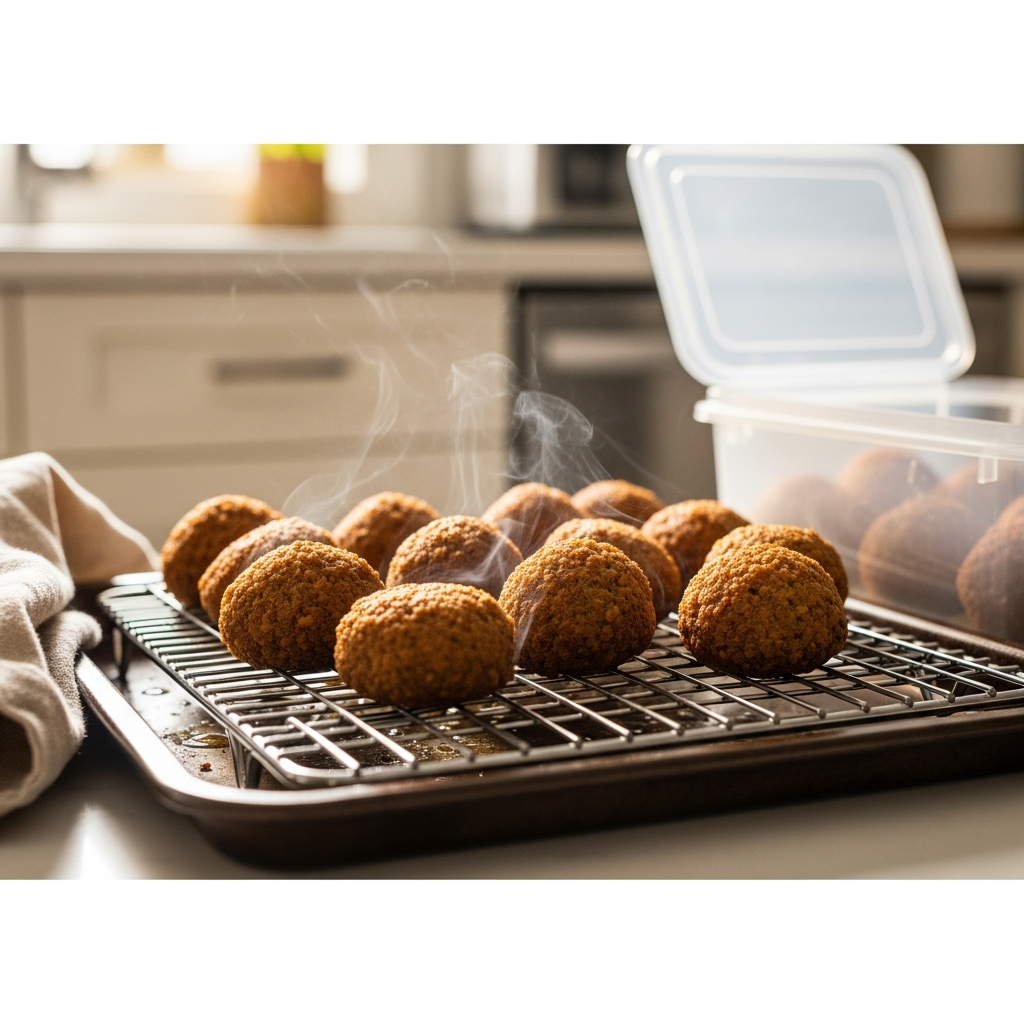
Falafel exits the heat full of steam, and what happens in the first few minutes determines whether that steam escapes or collapses back into the crust. Setting cooked pieces on a wire rack allows air to circulate, letting moisture flee without pooling underneath. A plate, by contrast, traps steam and turns the bottom soft. That one habit—rack cooling—might be the single highest-impact move you can adopt for keeping falafel crisp in a Naperville home where dinner moves fast and plates fill quickly.
Space is your ally during cooling. Give each piece a little breathing room so air can do its work. If you’re cooking for a crowd, rotate batches through a low oven while they rest on the rack, just warm enough to hold temperature without continuing to cook. The idea is to preserve that crackly shell you worked to build, not to chase it into brittleness.
Storage: Separate, Ventilate, Protect
Once falafel has cooled, how you store it makes or breaks tomorrow’s lunch. Keep pieces separate from sauces, salads, and warm bread. That distance prevents condensation and keeps the crust from absorbing stray moisture. Use containers that either vent lightly or leave a small gap in the lid until the contents are truly at room temperature. Sealing steam into a container is the fastest way to swap crunch for sponginess.
For short stints—later that evening or the next day—refrigeration in a shallow container works well. Avoid stacking if you can; instead, use a second rack or line between layers with parchment, leaving edges open so air can pass. Everything about storage should honor the texture you created at the stove.
Reheating That Restores, Not Ruins
Reheating falafel is less about temperature numbers and more about reactivating the shell while respecting the interior. An oven or air fryer is your friend here. Preheat well, spread pieces with a small gap between them, and let hot air revive the crust. A short burst is often enough, and flipping halfway helps ensure even crispness. Microwaves, while convenient, push moisture toward the surface without creating a dry environment to counter it, so they tend to soften rather than strengthen the crust.
In a pinch, a skillet over medium heat can do a lovely job. A whisper of oil in the pan and a patient flip or two will bring the exterior back while keeping the center tender. The key is to avoid crowding and to trust your senses: listen for the lively sizzle and watch for the moment the surface regains its sheen.
Managing Moisture in Assembled Meals
Even the best falafel can surrender to sogginess if it meets wet ingredients too soon. For wraps, layer sauces away from the falafel and let leafy greens or grains act as moisture buffers. If you’re building bowls, drop falafel last and serve immediately so steam doesn’t have time to gather under a lid. This approach is especially helpful for Naperville families juggling homework, practice, and dinner—your timing protects the texture without adding steps.
Pickles and slaws can be crispness allies when they’re well-drained. A quick shake in a colander keeps brine from sneaking into the crust. Likewise, toasting pita or flatbread on the stove clears surface moisture and adds warmth without turning into a sauna for your falafel.
Freezing for Future Crunch
For longer storage, freezing is powerful when done with intention. Cool falafel completely, then freeze on a sheet so pieces remain separate. Once firm, transfer to an airtight container or bag, pressing out extra air. This method prevents clumping and protects texture against freezer humidity. When reheating from frozen, go directly to a hot oven or air fryer; thawing at room temperature invites condensation, which softens the crust before it ever reaches heat.
Another approach is to freeze par-cooked falafel. Cook until just shy of your ideal golden, cool thoroughly, then freeze as above. When you’re ready to eat, finish in a hot oven or air fryer to bring the shell to full shatter while the interior warms through. This technique is a favorite for busy Naperville households because it spreads the work while preserving peak quality.
Batter Storage and Timing
Sometimes the best way to keep falafel crisp is to cook it fresh on demand. Storing the uncooked mixture in the refrigerator for a day or two can actually improve texture, as the starches hydrate and flavors meld. Keep the mixture well-covered, then shape and cook what you need when you need it. This habit transforms weeknights: instead of managing leftovers, you’re enjoying freshly crisp falafel in small bursts of cooking.
Timing with leavening also matters. If your recipe includes baking soda for lift, add it closer to cooking time rather than at the start of a long rest. That way, the bubbles do their work where they count most—in the heat—rather than dissipating in the fridge.
Containers for Transport and Takeout
Takeout remains a staple for many Naperville families, and the right container can mean the difference between buoyant crunch and limp disappointment. Ventilated boxes and parchment liners help absorb stray steam. If you’re hosting and moving platters from kitchen to patio, keep lids ajar until the last minute and transport on racks when possible. These are small courtesies to the hard-won crust, and they repay you with every bite.
For picnics by the Riverwalk, pack components separately. Falafel travels best alongside, not inside, sauced salads. Assemble at the moment of eating, treating the crust as a treasure to be preserved until the very last second.
Weather Wisdom: Humid Summers, Dry Winters
Naperville’s summers can be humid, which means moisture lingers. In those months, extra attention to rack cooling and well-ventilated containers is essential. A brief oven refresh right before serving becomes your best friend. During our drier winters, storage is slightly more forgiving, but you’ll still want to avoid sealed containers while foods are warm. Seasonal awareness might sound fussy, yet it’s the kind of practical wisdom that pays dividends dish after dish.
Air conditioning and heating also impact kitchen humidity, so trust your senses. If your windows fog up as you cook, you know steam is abundant. Counter with airflow and patience, and your falafel will thank you.
Hardware Choices That Help
A wire rack has already earned its place in this guide, but a few other tools contribute to crispness. A heavy sheet pan promotes even reheating. Parchment prevents sticking without trapping moisture like foil can. A reliable instant-read thermometer is helpful for learning your oven’s true behavior, because a too-cool oven turns crisping into drying, while a too-hot oven rushes the surface before the interior catches up.
If you’re pan-frying, choose a skillet that holds heat steadily. Cast iron excels at this, maintaining a stable surface as you add and flip pieces. Stability fosters consistency, which in turn protects texture from batch to batch.
Serving Strategies That Celebrate Texture
Think of each plate as a stage that supports a performance of crunch. Arrange falafel so air can circulate around it rather than burying it under greens. Offer sauces on the side, then drizzle at the table. A squeeze of lemon right before eating adds sparkle without moisture load. When hosting, bring platters out in smaller waves instead of one giant pile; the steady cadence keeps each serving at its best from first guest to last.
Simple garnishes—fresh parsley, sliced radishes, and crisp cucumbers—add snap that plays in harmony with the falafel’s shell. Every supporting actor on the plate should participate in the same crisp, bright chorus.
Recovering a Lost Crunch
Even with care, life happens. If your falafel softens, don’t despair. Lay pieces on a preheated sheet pan and use a hot oven or air fryer to reanimate the surface. Keep the reheating short and decisive; lingering low heat dries the interior without restoring the crust. When the shell begins to shine and feel sandpapery to the touch, you’re there.
If the crust is intact but the bottom softened against the plate, flip and give the underside an extra minute. Little adjustments rescue most mishaps, and once you recover the crunch, the rest of the meal often clicks back into place.
FAQ
Q: How do I prevent falafel from getting soggy during takeout? A: Ask for sauces on the side, keep lids slightly ajar until steam escapes, and refresh briefly in a hot oven or air fryer right before eating.
Q: Can I prep falafel ahead for a party? A: Yes. Cook to just shy of golden, cool on racks, and re-crisp in a hot oven before serving. Alternatively, store the uncooked mixture and cook in small batches as guests arrive.
Q: What’s the best way to store leftovers overnight? A: Cool completely on a rack, refrigerate in a shallow, ventilated container, and keep components separate. Reheat with high, dry heat to restore crunch.
Q: Is microwaving ever okay? A: Use it sparingly. It softens the crust by pushing moisture outward without providing a dry environment to crisp. If you must, follow with a quick oven or skillet finish.
Q: Why does my reheated falafel taste dull? A: Add brightness after reheating with lemon or a fresh drizzle of tahini, and make sure you’re not over-baking, which can mute flavors along with moisture.
If tonight calls for ease or inspiration, invite a friend and explore a local spot’s menu. Whether you cook or carry out, treat that crisp shell like the treasure it is, and enjoy the kind of Naperville evening where a simple plate—light, fragrant, and shatteringly crunchy—sets the tone for the rest of the night.