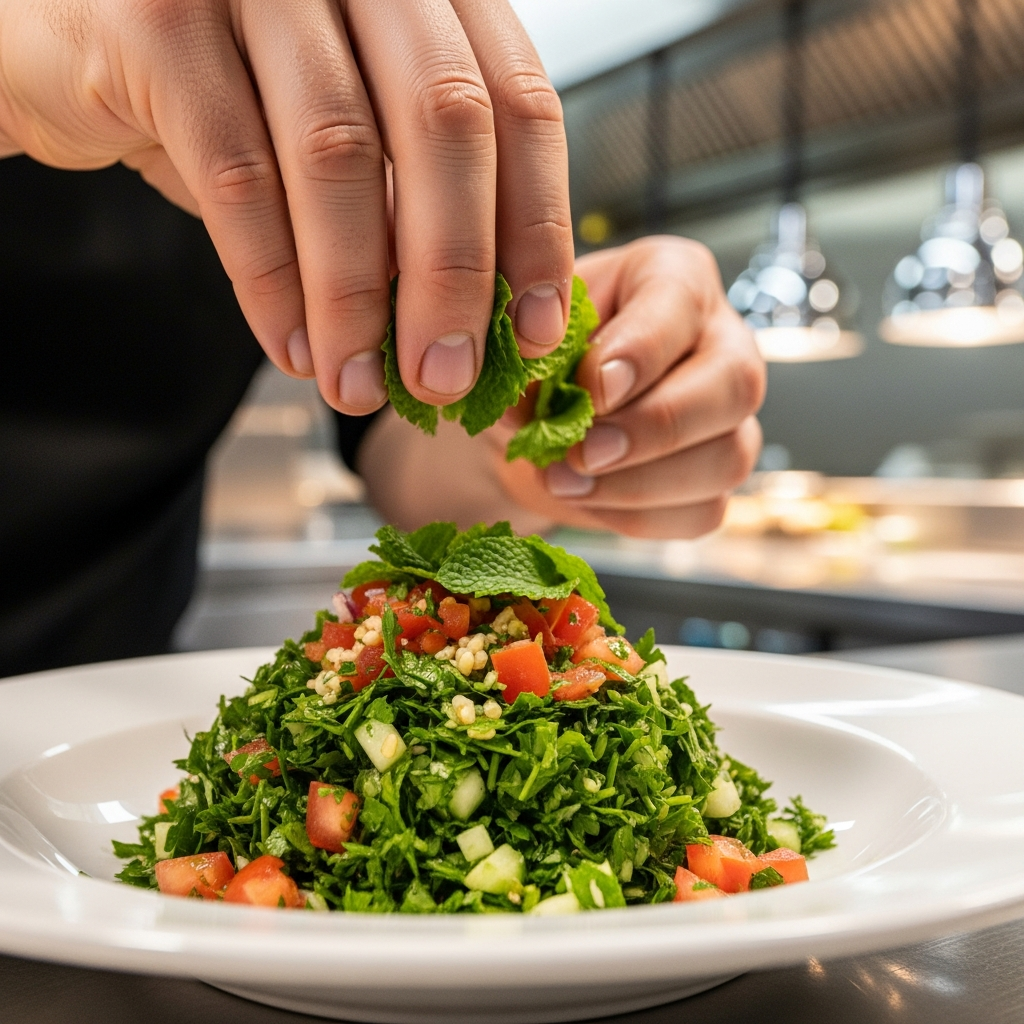
In Naperville kitchens—where dinner often comes together between a late meeting and a quick dash to the Riverwalk—Taboili salad should be the easy win: bright, herbaceous, resilient. Yet even seasoned cooks sometimes end up with soggy greens, muted flavors, or a bowl that wilts before it reaches the table. The good news is that almost every Taboili misstep has a practical fix, the kind that fits neatly into our city’s efficient, no-fuss cooking style. Spot Taboili on a neighborhood menu and you’re reminded what great execution looks like: fluffy herbs, buoyant grains, lemon that sings. With a few adjustments, you can bring that same confidence into your home kitchen.
Mistake: Wet Herbs That Water Down the Bowl
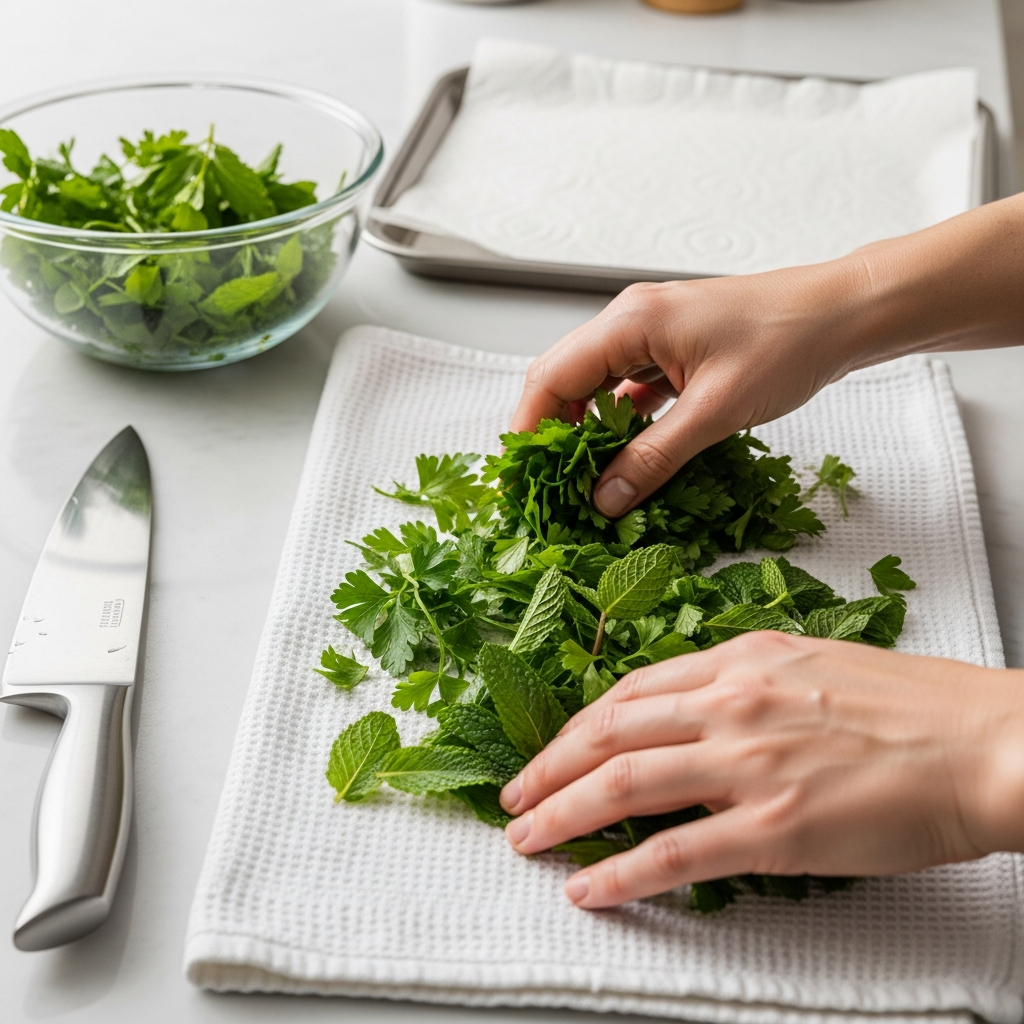
The most common problem is also the most preventable. Washing parsley and mint is essential, but sending them into the bowl even slightly damp dilutes the dressing and dulls flavor. Water clings to curly leaves and can pool at the bottom of your mixing bowl, turning a lively salad into a tired one. In a city that moves quickly, it’s tempting to rush this step, but patience here pays off every time.
Fix it the Naperville way by batching the task. Wash herbs earlier in the day, spin them thoroughly, then spread them on a clean towel to air-dry while you handle school pickups or a jog along the DuPage River. When you return, the leaves will be crisp and dry, ready to absorb lemon and olive oil rather than repel it. Dry herbs mean vivid, lasting flavor—and they hold texture long enough to pack for a picnic at Rotary Hill.
Mistake: Bruised Parsley from Dull Knives
Dull blades crush delicate leaves, releasing bitterness and turning the herb a weary green. You’ll see flecks clump together, and the salad’s airy structure collapses. This is a flavor loss and a visual one. In a town that appreciates craftsmanship—from our well-tended gardens to our polished countertops—this is a fix worth mastering.
Sharpening your knife is non-negotiable. Use a smooth, rocking motion with the tip anchored and your off-hand guiding the parsley into a consistent pile. Aim for a fine, even chop; you’re after confetti, not mulch. If your board becomes wet with herb juices, pause and blot. Those juices belong in the salad only after mixing with lemon and oil, not soaked into the cutting board.
Mistake: Over-Soaked or Mushy Bulgur
Bulgur brings gentle chew and structure to Taboili, but if over-soaked it turns pasty and steals the salad’s bounce. Many recipes call for soaking in hot water; the exact time depends on grain size and brand. Inconsistent handling here often leads to a gluey texture that overwhelms the herbs.
Fix it by treating bulgur like pasta: respect texture. If you’re soaking, check the grain every few minutes, stopping when it’s tender with a little spring. If simmering, keep the water barely bubbling and drain thoroughly, then spread the bulgur on a tray to steam off excess moisture. A cool, fluffy grain integrates with parsley instead of smothering it, preserving the salad’s signature lightness.
Mistake: Heavy-Handed Lemon or Oil
It’s easy to assume more lemon or more oil equals more flavor. In reality, the salad becomes unbalanced—either too sharp or too slick. Naperville diners admire Taboili that tastes clean and focused, not slippery or mouth-puckering. The best bowls deliver aroma first, then brightness, then a gentle, peppery finish from the oil.
Fix it by building in stages. Zest the lemon for fragrance, add juice gradually, and toss, tasting as you go. Drizzle olive oil lightly and fold rather than stir aggressively so you can gauge sheen. The goal is a dressing that coats without pooling. If you overshoot, correct with more parsley and tomato rather than chasing balance with yet more oil or juice.
Mistake: Tomato Water Flooding the Salad
Peak-season tomatoes are juicy, but their excess liquid can weigh everything down. Especially in winter, when tomatoes lean watery rather than sweet, seeds and gel add moisture without flavor. The result is a salad that looks right at the start but slumps quickly on the table or in the fridge.
Fix it by choosing firm, fragrant tomatoes and cutting them small. If they seem waterlogged, remove some seeds and gel before dicing. Salt lightly and let them sit for a couple of minutes, then drain any runoff before folding into the herbs. This simple step keeps your Taboili crisp long after mixing—a lifesaver for make-ahead lunches near 5th Avenue Station.
Mistake: Underseasoned Onions and Herbs
Sometimes the bowl tastes flat even if everything looks correct. The culprit is often green onions that haven’t been given a chance to bloom or herbs that didn’t meet lemon and salt early enough. Seasoning is not a final flourish; it’s part of the build that unlocks each component.
Fix it by introducing lemon and the smallest pinch of salt to the onions first. Let them sit while you chop parsley and mint. This brief maceration softens raw edges, coaxes sweetness, and spreads savoriness throughout the bowl. Then fold in herbs and grains so the seasoning distributes evenly. Naperville cooks appreciate technique that multiplies flavor without extra ingredients—this is one of those moves.
Mistake: Making Taboili Too Far in Advance
Taboili holds up better than many salads, but time is still a factor. Mix it hours ahead and the herbs can wilt, the grains can take over, and the lemon’s sparkle may fade. Families who prep after school and serve closer to dinner often bump into this window without meaning to.
Fix it by composing in parts. Keep parsley and mint chopped and chilled, bulgur cooled separately, and tomatoes waiting on the side. Toss everything together thirty minutes before serving so flavors meld without the greens collapsing. If you need to hold the finished salad, refrigerate it and revive with a squeeze of lemon just before it hits the table.
Mistake: Skipping Rest Time Entirely
The flip side is serving the salad the instant it’s mixed. Without a brief rest, flavors sit on the surface instead of integrating. The lemon doesn’t have time to thread through the grains, and the onion’s brightness can feel a little raw.
Fix it by letting the bowl sit for ten to fifteen minutes at room temperature after mixing. This is long enough for harmony and short enough to protect texture. Consider it a quick intermission—plenty of time to set the table, top off water glasses, or check the score from a North Central game.
Mistake: Overloading with Add-Ins
It’s tempting to treat Taboili as a catch-all for extras—cucumbers, peppers, olives, even cheeses. While small additions can be lovely, too many convert the salad into something else entirely, often heavy and muddled. The core identity—parsley, tomato, lemon, olive oil—gets lost.
Fix it by practicing restraint. Add one accent at a time and in small amounts. Let Taboili lead the conversation, and use extras as a quiet supporting cast. Naperville diners consistently reward this kind of discipline with clean plates and requests for seconds.
Mistake: Relying on Salt Instead of Technique
When flavor feels flat, it’s common to reach for the salt shaker. But Taboili’s brightness should come from citrus, herbs, and good oil, not sodium. Oversalting dulls the vividness you worked to build and can make the salad feel heavy.
Fix it by tasting for balance rather than saltiness. Do you need more lemon? A pinch of zest for aroma? Slightly pepperier oil? Adjust those dials first. Save salt for the final 5% of seasoning—enough to lift, not to lead.
Mistake: Poor Storage and Transport
Nothing deflates a cook’s confidence like opening a container at a potluck to find a wilted salad. Condensation and warm travel time are the usual suspects. Naperville’s active calendar—games, concerts, park meetups—means your Taboili might spend time on the move.
Fix it with chilled containers, an ice pack, and smart compartmentalizing. Keep tomatoes separate if travel exceeds twenty minutes, and tuck in a small lemon wedge to revive brightness at arrival. Vent the container briefly to release steam before sealing. These small logistics keep your salad crisp from your kitchen to a picnic bench at Knoch Park.
Mistake: Ignoring Seasonality
Trying to force a summer-style Taboili with lackluster winter tomatoes is a setup for disappointment. When ingredients are off-season, the salad can taste thin or watery, no matter how carefully you chop.
Fix it by leaning into what the season offers. In summer, let tomatoes shine. In winter, rely more on lemon zest, green onions, and a richer olive oil, and consider a slightly higher herb ratio. The salad remains recognizably Taboili while feeling appropriate for the weather outside your window.
Frequently Asked Questions: Fixing Taboili at Home
These are the quick, practical answers Naperville cooks use to troubleshoot on the fly.
How do I keep Taboili crisp for a party?
Dry herbs thoroughly, hold tomatoes separately until just before serving, and keep the finished salad chilled. A quick squeeze of lemon right at the table restores lift without adding extra oil.
My Taboili tastes bitter. What happened?
Likely bruised parsley or too much stem material. Use a sharp knife, avoid overworking the herbs, and trim tougher stems before chopping. Balancing with lemon zest can also soften any lingering sharpness.
Can I fix a salad that’s too lemony?
Yes. Fold in more chopped parsley and a small amount of bulgur to absorb excess acidity. A splash of a slightly fruitier olive oil can help round the edges without muting brightness.
What if I over-soaked the bulgur?
Spread it on a tray to cool and dry, then use a lighter hand when folding into the herbs. If texture is still pasty, reserve that batch for a grain bowl and make a fresh, smaller portion for the Taboili itself.
How long does finished Taboili keep?
About two days in the coldest part of your fridge. For best texture, store tomatoes separately and combine at serving time. If the salad softens, a little lemon zest can revive aroma.
How do I transport Taboili for a picnic?
Use a chilled, shallow container with a tight lid. Keep components separate for trips longer than twenty minutes and assemble on site. Vent briefly before sealing to prevent condensation.
Bring Confident Taboili Back to Your Table
The difference between a soggy bowl and a dazzling one is a handful of small decisions—drying herbs completely, sharpening your knife, balancing lemon and oil patiently, and storing with a plan. Master these, and your Taboili will earn compliments at every backyard dinner and office potluck. When you want to see great technique in action or simply enjoy a well-made spread without lifting a knife, browse a local menu, pick the combinations that inspire you, and bring home the textures and flavors that make this salad shine in Naperville.