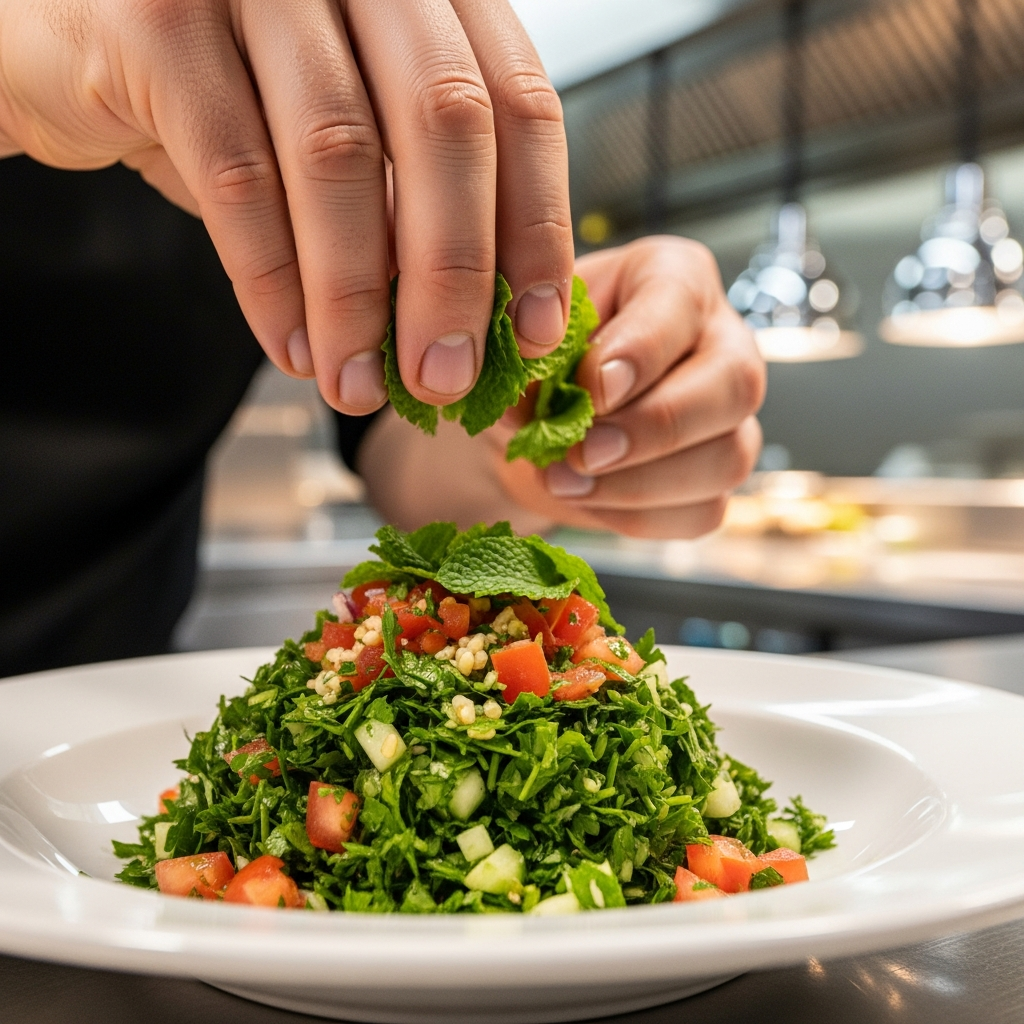
On busy Naperville days—between a walk along the Riverwalk, errands on Ogden Avenue, and an evening game at North Central—Taboili salad is a welcome constant: bright, crisp, and satisfying. Keeping it that way takes a bit of strategy, especially when you’re prepping in advance for lunches, potlucks, or family dinners. Spotting Taboili on a neighborhood menu reminds you how buoyant and vivid the salad should be; the goal at home is to protect that same texture and brightness from the cutting board to the final bite. With the right storage habits tailored to our local routines, your Taboili can taste freshly made for days rather than hours.
Start With Dry, Perky Herbs
Storage success begins before the salad is even mixed. Parsley and mint must be washed well and thoroughly dried so they absorb lemon and olive oil rather than repel them. In Naperville kitchens, time often comes in small pockets, so think ahead: rinse herbs in the morning, spin dry, then lay them on a clean towel to air-dry while you tackle school drop-off or a quick workout. When you return, the leaves will be crisp and ready for a fine chop. Dry herbs not only taste brighter on day one, they hold up better on day two and three without collapsing into the dressing.
A sharp knife is your second insurance policy. A clean, quick chop minimizes bruising, which keeps bitterness at bay and delays wilting. Pile the parsley neatly, guide with your off-hand, and work in batches. If the cutting board grows wet with green juices, pause and blot; those juices belong in your salad only after they’re mixed with lemon and oil.
Control Moisture Like a Pro
Moisture is both friend and foe. Tomatoes bring juiciness and sweetness, but their seeds and gel can flood the bowl. Manage this by choosing firm, fragrant tomatoes and dicing them small. If they seem particularly watery—common in winter—remove some seeds and let the dice rest with a pinch of salt for a minute or two, then drain off excess liquid. This tiny step has an outsized impact on texture, especially after refrigeration.
Bulgur needs attention, too. Over-soaked grains turn pasty, overpowering the herbs. Whether you soak or simmer, aim for tender with a bit of bounce, then spread the grain on a tray to steam away residual moisture. Cool completely before mixing. Fluffy bulgur acts like scaffolding, supporting herbs and tomatoes without turning the salad dense.
Assemble in Stages for Longevity
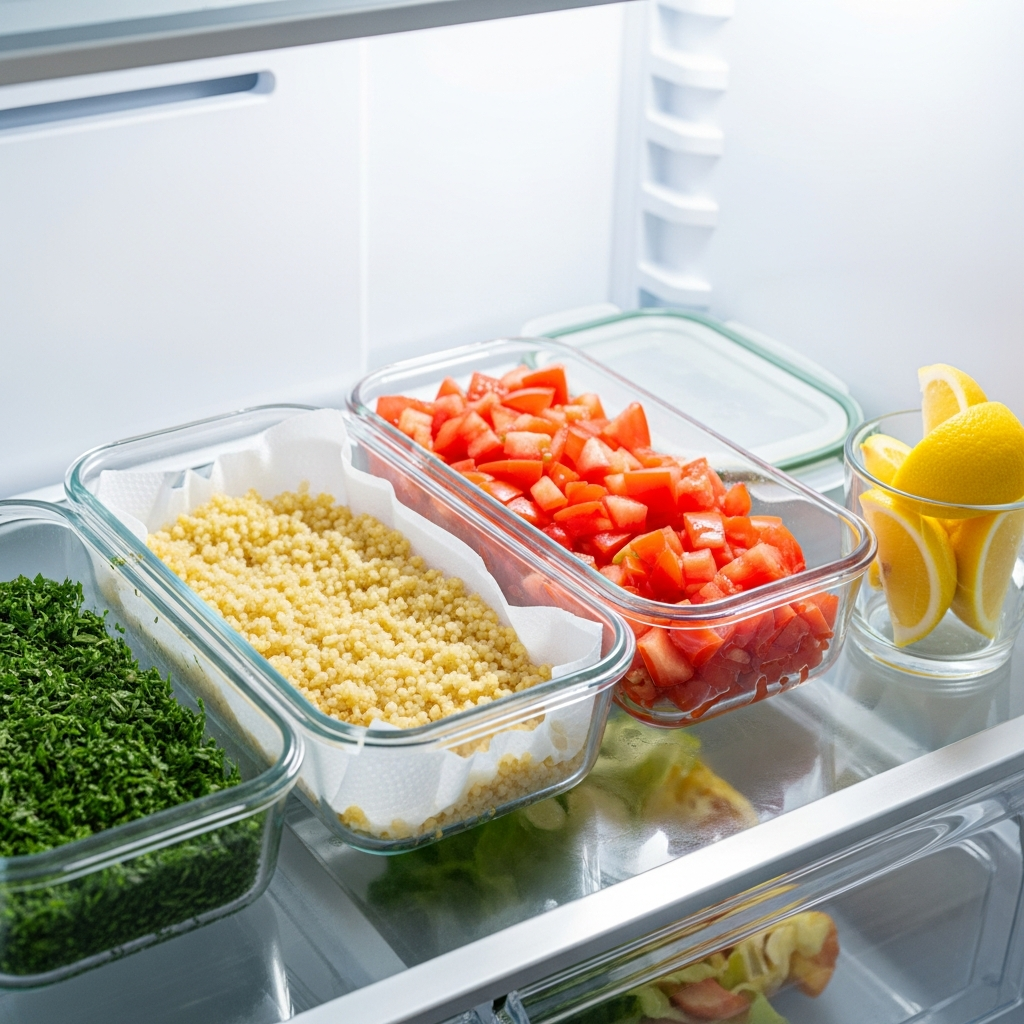
In a city that values efficiency, assembling in stages is the most reliable way to extend freshness. Keep components separate until close to serving: herbs and bulgur in one chilled container, tomatoes in another, and dressing in a small jar. Fold everything together thirty minutes before the meal so flavors meld while texture stays buoyant. If you need grab-and-go lunches, pack individual portions with tomatoes in a small side cup to stir in later. That way Tuesday’s salad tastes as lively as Monday’s.
Green onions benefit from a brief pre-season. Toss them with lemon juice and a tiny pinch of salt, then let them rest while you prep. This softens raw edges and builds a seasoning base that disperses through the bowl without requiring more oil. It’s a subtle move that pays off in both flavor and shelf life.
Choose the Right Containers and Fridge Zone
Containers matter more than most people realize. Shallow, wide containers keep layers thin and limit compression that speeds wilting. A tight seal preserves aroma and prevents the fridge from drying the herbs, but it helps to vent briefly before lidding if the salad is even slightly warm. Trapped steam is the enemy of crispness. Label containers so family members know when to add tomatoes and when the salad was assembled; little cues prevent accidental sogginess.
Placement in the fridge is just as important. Store Taboili in the coldest, most consistent zone—usually the back middle shelf—far from the door where temperature fluctuates. If you have a produce drawer with humidity control, herbs and chopped parsley keep beautifully there before assembly, layered between paper towels. These micro-decisions add up to an extra day of peak texture.
Revive Without Overdressing
After a day in the fridge, even the best-stored Taboili can use a lift. Resist the urge to add more oil; too much can flatten herbs and make the salad feel heavy. Instead, wake it up with a quick squeeze of lemon and, if needed, a light sprinkle of zest for aroma. Toss gently to restore sheen. If the salad has given off a bit of liquid, drain it briefly rather than chasing balance with extra ingredients. Reviving is about clarity, not volume.
If tomatoes were stored separately, fold them in at the last minute with a pinch of salt. The contrast between perky herbs and juicy tomatoes is part of what makes Taboili irresistible, and reuniting them right before serving keeps that magic intact.
Make-Ahead Strategies for Busy Weeks
Naperville weeks get full fast—lessons, commutes, games, and community events. To stay ahead, prep components in larger batches. Wash and dry several bunches of parsley, chop and chill in a lined container, and cook enough bulgur for multiple meals. Store a jar of lemon juice whisked with zest and a pinch of salt so you can dress on demand. When everything is ready, assembling dinner takes minutes, and the salad tastes as intentional as if you started from scratch.
For families who love variety, plan micro-variations across the week without overhauling the recipe. On Monday, fold in cucumbers for snap; on Wednesday, add a little extra mint; on Friday, pair the bowl with grilled salmon or chickpeas. Keeping the core constant while adjusting accents keeps palates engaged and reduces the temptation to overstore a single giant batch.
Transport Without Losing Texture
Whether you’re heading to a potluck by the Riverwalk or a picnic at Knoch Park, travel introduces new challenges. Temperature swings and condensation can wilt herbs. Pack Taboili in a chilled, shallow container, and if the trip exceeds twenty minutes, keep tomatoes separate and combine on site. Slip in a small lemon wedge to refresh brightness at arrival. Briefly vent the container before sealing to release steam; it’s a small step that prevents a big texture loss.
For tailgates after a North Central game, stow the salad in a cooler with an ice pack and keep it out of direct sun. Serve from the shade, and return the lid between helpings to maintain chill. These quiet logistics protect the work you put into washing, chopping, and balancing flavors.
Know When to Compose and When to Hold
If you’re entertaining at home, the sweet spot for assembly is about thirty minutes before guests arrive. The salad rests long enough for flavors to mingle yet short enough to keep herbs upright. For buffet-style service, place the bowl over a shallow tray of ice if the room is warm. It’s a restaurant trick that translates well to home gatherings, buying you an extra hour of peak presentation.
When you anticipate leftovers, plan for them. Keep a portion of herbs and bulgur undressed, then refresh with lemon and olive oil the next day. This split-batch method ensures your Tuesday lunch feels as crisp as the first serving, even if Sunday’s bowl was generous.
Winter and Summer Adjustments
Seasonality affects storage as much as flavor. In summer, ripe tomatoes can release more juice; seeding and late-stage mixing become even more important. Herbs also appreciate a slightly cooler fridge zone during heat waves. In winter, when tomatoes may be firmer but less flavorful, lean on lemon zest and sprightly green onions to compensate. A touch more olive oil can add comfort without turning the salad slick, especially if you keep the herb ratio high.
These adjustments are less about rules and more about observation. Pay attention to how your ingredients behave across the year, and your storage approach will feel intuitive. Naperville cooks become experts simply by repeating the salad through the seasons and noting which tweaks make the biggest difference.
Safety and Freshness Basics
Food safety underpins every good storage plan. Cool bulgur quickly after cooking to keep it in the safe zone, and never seal warm ingredients in airtight containers where steam condenses. Use clean utensils each time you scoop from the bowl to avoid introducing bacteria that shorten the salad’s life. Label containers with the assembly date so you’re not guessing about freshness—small habits that make busy weeks smoother.
Most Taboili tastes best within two days once composed, though well-dried herbs and late-added tomatoes can stretch that window. If the salad smells off, looks dull gray-green, or feels slimy, it’s time to start fresh. Trust your senses—they’re reliable partners in the kitchen.
Frequently Asked Questions: Storing Taboili in Naperville
Here are answers to the questions neighbors ask most often when keeping this salad lively through the week.
How far in advance can I chop herbs?
Up to a day if dried thoroughly and stored cold in an airtight container lined with a paper towel. Keep them undressed until close to serving for the best texture and color.
Should I refrigerate Taboili immediately after mixing?
If you’re not serving within thirty minutes, yes. Chill promptly in a shallow container. For the best bite later, add tomatoes right before the meal.
What’s the best container for storage?
Shallow, wide containers with tight lids. They minimize compression and help keep herbs fluffy. Vent briefly if ingredients are still slightly warm before sealing.
How do I revive day-old Taboili?
Drain any excess liquid, add a quick squeeze of lemon, and toss gently. If tomatoes were stored separately, fold them in at the last minute with a pinch of salt.
Can I freeze Taboili?
Freezing isn’t ideal; herbs darken and lose structure. If you must, freeze components separately—cooked bulgur on its own and herbs freshly chopped after thawing—but the best results come from fresh assembly.
What if my tomatoes are watery?
Seed them, salt lightly, and let them rest for a minute, then drain. Combine with the salad just before serving. In winter, boost lemon zest and green onions to maintain flavor.
Bring Crisp, Bright Taboili to Every Meal
With a little planning, your Taboili can taste patio-fresh even on the second day. Dry herbs completely, cool grains well, and keep components separate until showtime. Whether you’re packing lunches, hosting friends, or grabbing a quick dinner after errands, these storage habits protect the crunch, color, and lift that make the salad a Naperville favorite. When you want a simple night off or fresh ideas for pairings, browse a local menu, choose a spread that complements your table, and enjoy how effortlessly great Taboili fits into our city’s rhythm.