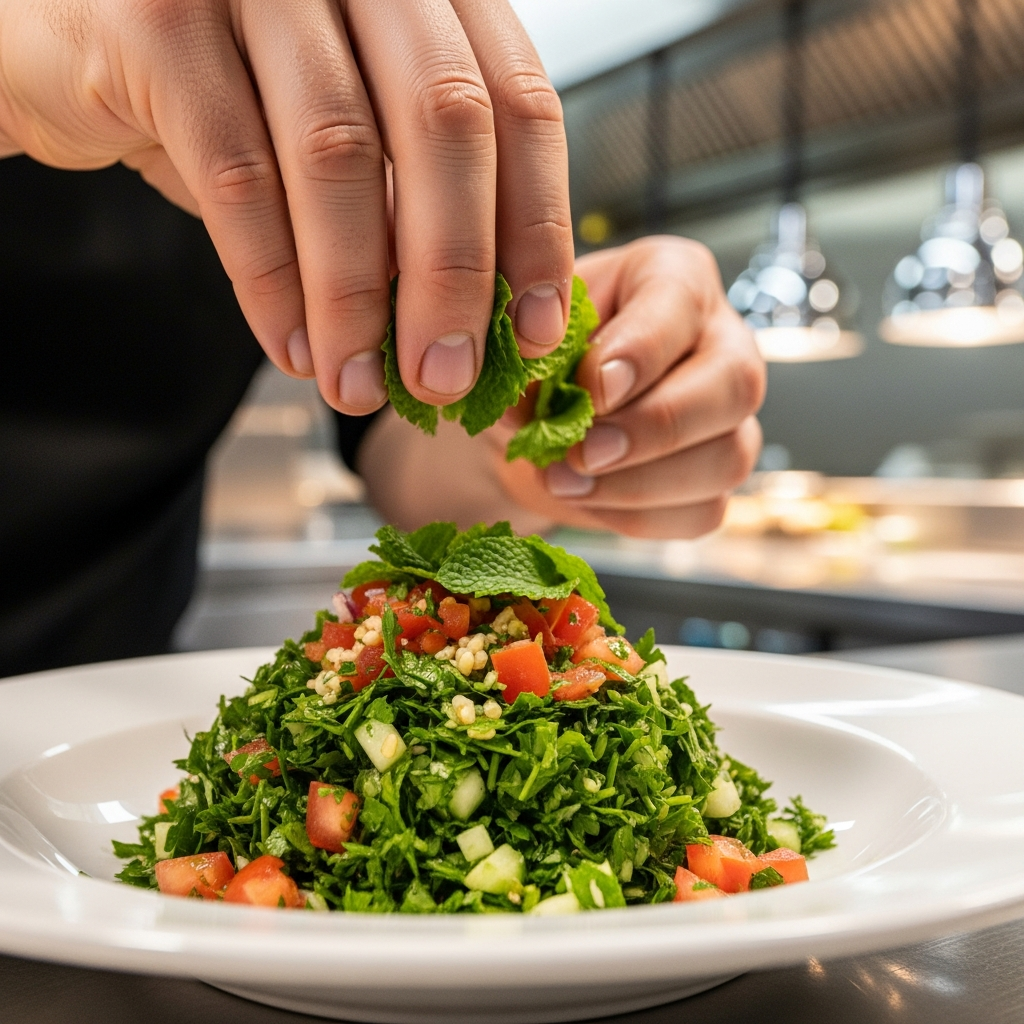
In Naperville, where weeknights run fast and weekends fill with neighborhood gatherings, taboili—our bright, parsley-forward salad also known as tabouli or tabbouleh—earns a permanent place in the fridge. It’s light, lemony, and endlessly welcoming next to whatever else is on the table. But freshness is everything. The difference between a bowl that tastes like a garden breeze and one that feels tired can be a few degrees of temperature, a small choice of container, or when you add the dressing. After years of making, sharing, and packing taboili for Riverwalk picnics, office lunches, and impromptu patio dinners, I’ve gathered the practices that keep it crisp day after day. If you’re curious how restaurants think about balance and pairings, a quick look at a well-curated Mediterranean menu can help you mirror those choices at home without sacrificing freshness.
Freshness begins at the market. Parsley should feel cool and springy, with taut leaves and minimal yellowing. Mint ought to fill the air the moment you bruise a leaf between your fingers. Tomatoes should smell like the vine and feel heavy for their size; that density signals juice and flavor. When your ingredients start strong, you are halfway to a salad that will hold in the fridge without losing its spark. From there, it’s about moisture management, temperature, and timing—the quiet trio that turns a good bowl into a stellar one.
Wash, Dry, And Chop With Intention
Greens that go into the fridge wet come out sad. Rinse parsley and mint in cold water, then spin or pat them dry thoroughly. Lay them on a clean towel while you prepare the tomatoes and grain. Dry leaves chop more cleanly, which means less bruising and less liquid weeping into the salad later. Use a sharp knife, and aim for fine, even pieces; the goal is a soft confetti, not paste. That texture doesn’t just look nice—it traps dressing so every bite tastes seasoned without flooding the bowl.
Tomatoes are the other moisture variable. Dice them small, then let them rest in a strainer. Save a spoonful or two of their juices for the dressing if you like, but avoid pouring all of it back into the salad. If you’re making a big batch for a busy couple of days, cherry or grape tomatoes often hold their shape better than larger slicing varieties after a night in the fridge. They release less liquid, and their sweet acidity stays intact longer.
Grains: Support, Don’t Swamp
Bulgur and quinoa are excellent here, but both need care to protect freshness. Fine bulgur should be hydrated just to tenderness, then fluffed. Too much water leads to a pasty texture that spreads through the salad by day two. Quinoa needs a good rinse to remove any bitterness, then a gentle cook and complete cooling before you fold it in. In both cases, use a light hand. Let the herbs lead so the salad keeps its airy feel, which translates to better texture on day one and day two alike.
If you prefer to stretch the salad over several meals, consider keeping a portion of the grain separate and adding it to individual servings. This small step lets you tailor the bowl’s heft to the moment—a lighter lunch one day, a heartier dinner the next—without committing the entire batch to a single texture that might not age as gracefully.
Dressing Timing And Balance
Freshness thrives when acidity and salt are in tune. Whisk lemon juice with a round, fruity olive oil, then season with a measured pinch of salt. If you like a hint of garlic, grate it fine into the dressing and give it a minute to mellow before tossing. Add the dressing gradually to the herbs and tomatoes, and only then fold in the grain. This order disperses seasoning evenly, so you don’t overcorrect later with more oil or salt as the salad rests.
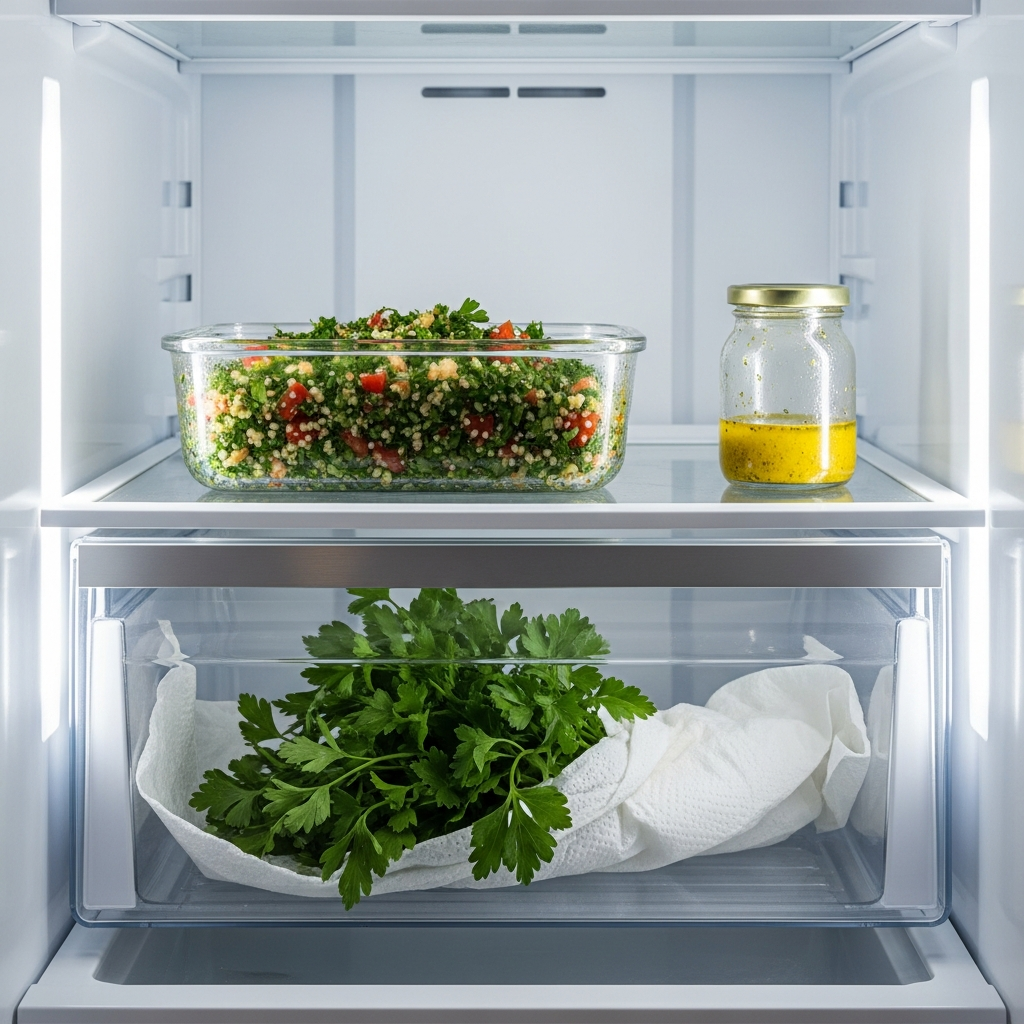
When you plan to keep taboili for multiple days, dress lightly at first. Reserve a bit of lemon and oil in a small jar so you can refresh each serving. Think of it as reheating, only colder: the second-day squeeze of lemon brightens color and flavor, while a few drops of olive oil restore sheen. These micro-adjustments bring the bowl back to life without overhauling it.
Containers, Fridge Zones, And Airflow
Use a shallow, wide container for summer storage. The extra surface area allows a little harmless evaporation, preventing the salad from turning soupy when the air is humid. In winter, a slightly deeper container can help capture aromas that might fade in drier indoor air. Either way, choose a container with a tight seal to keep fridge odors out and herb fragrance in. Glass tends to preserve flavor best, and it lets you see the salad at a glance, which somehow makes you more likely to reach for it before less wholesome options.
Store the salad on a middle shelf rather than the door, where temperatures fluctuate. Keep it away from the back wall to avoid cold spots that can dull tomatoes and make herbs look as if they’ve been frost-kissed. If your fridge has a crisper drawer with adjustable humidity, stash extra parsley and mint there wrapped in a paper towel inside a loose bag; refreshed herbs are your secret weapon for reviving a bowl on day three.
Serving Freshness, Even On The Go
Packing taboili for a picnic or busy day of errands is a Naperville staple in warm months. Chill the container ahead of time, and tuck it into an insulated bag with a small ice pack. Bring lemon wedges or a tiny jar of dressing to add at the point of serving; the few seconds of attention pay off in sparkle. Use tongs or a wide spoon to serve, lifting rather than pressing so the herbs stay fluffy. If you’re sharing at a neighborhood potluck, consider setting out a small undressed bowl for late arrivals so they taste the salad at its peak, not after an hour on the table.
At the office, the same principles apply. Keep the salad in the communal fridge, not at your desk, and resist the temptation to over-dress in the morning. A quick toss with a touch of lemon at noon preserves that just-made feel. This is how you build weekday habits that stick—by making the best choice also the easiest and tastiest one.
Managing Leftovers With Intention
Leftovers are an asset when handled well. After the first meal, check the bowl. If it looks overly glossy, transfer a portion to a clean container and add a bit more chopped parsley to absorb excess dressing. If it looks dry, tuck in a lemon wedge and squeeze it just before your next serving. Avoid repeatedly salting the salad; salt draws water, and too much can accelerate wilting. Let acidity do most of the refresh work, with olive oil providing just enough cushion for the herbs.
For families, pre-portioning can help. Set aside small containers with a slightly lighter hand on dressing for kids’ lunches; they’ll taste brighter at noon. For adults, keep a jar of chickpeas or grilled chicken ready to add at the last second, turning the salad into a complete meal without compromising texture in the main container. These tiny systems keep the whole household on track through busy weeks.
Seasonal Tweaks For Staying Power
Naperville’s weather nudges how we keep taboili fresh. In summer, gravitate toward tomatoes that hold their shape and consider a bit more lemon to counter heat and humidity. In winter, cherry tomatoes and a pinch of zest maintain liveliness when larger varieties taste muted. Across seasons, use mint thoughtfully; too much can read as menthol after a night in the fridge, while a handful added just before serving restores fragrance beautifully.
Spices can also help longevity. A whisper of allspice or cinnamon in fall and winter gives depth that persists after chilling, making leftovers feel intentional rather than second-day. Always add spices to the dressing first so they bloom in oil and distribute evenly. You’ll notice how that simple step prevents surprises like a pocket of cinnamon that overwhelms a single bite.
Food Safety Without Fuss
Freshness and safety travel together. Keep taboili below 40°F when stored, and limit time at room temperature to the active meal period. When in doubt at a party, refresh the bowl from a chilled backup rather than letting one serving sit for hours. Use clean utensils each time you dip in, especially if you’re portioning for lunches over several days. These habits aren’t about anxiety; they’re about protecting the qualities that make the salad such a reliable pleasure.
Trust your senses too. If the tomatoes lose their snap or the herbs turn dull despite careful storage, it’s time to fold in a handful of freshly chopped parsley and a squeeze of lemon, or simply finish the batch and make a new bowl. Because taboili is simple and affordable to rebuild, freshness becomes a standard rather than a luxury.
Reviving A Tired Bowl
Even the best-kept salad can have an off day. Start with lemon; a modest splash can reawaken both color and aroma. Add a fresh handful of parsley, and consider a few cherry tomato halves for sweetness if your original tomatoes faded. If flavor still feels muted, whisk a teaspoon of olive oil with a pinch of salt and a touch of grated garlic and drizzle lightly, tossing just until the herbs glisten. In minutes, what looked like a leftover can taste like a new bowl.
If you find yourself reviving frequently, adjust your base method. Dress a little lighter on day one, store a portion undressed, and keep extra herbs washed and wrapped in the crisper. These are simple moves that pay dividends across the week, turning each serving into something you’re genuinely excited to eat.
Frequently Asked Questions
Q: How long does taboili stay fresh in the fridge? A: At its best, one to two days. With careful moisture control and light initial dressing, you can stretch to day three by refreshing with lemon and a bit of new parsley.
Q: Should I salt tomatoes before adding them? A: Lightly salting and draining diced tomatoes can help manage moisture in summer. Just don’t overdo it—salt draws water, which can thin the salad if you add all the juices back.
Q: What container is best for storage? A: A glass container with a tight lid preserves aroma and resists staining. In humid months, a wider container helps keep texture crisp; in winter, a deeper one concentrates fragrance.
Q: Can I freeze taboili? A: Freezing ruins the herbs’ texture and dilutes flavor when thawed. It’s better to make smaller batches more often and keep extra parsley and lemon on hand for quick rebuilds.
Q: How do I keep the salad fresh for a picnic? A: Pre-chill the container, pack it with an ice pack, and bring lemon to brighten servings on-site. Keep it shaded and return leftovers to the cooler promptly.
Keep Your Bowl Bright, Naperville
Fresh taboili turns ordinary meals into something you look forward to, whether it’s a lunch grabbed between errands on Ogden Avenue or a late dinner after a game at Knoch Park. Build your routine around dry herbs, balanced dressing, smart containers, and the right fridge zone, and the salad will reward you all week. When you want pairing ideas that complete the meal without stealing freshness, take inspiration from a polished Mediterranean menu, then tailor the spread to your pantry. With a few calm habits, you’ll keep every bowl tasting like the Naperville summer evening we all wait for—bright, relaxed, and full of life.