
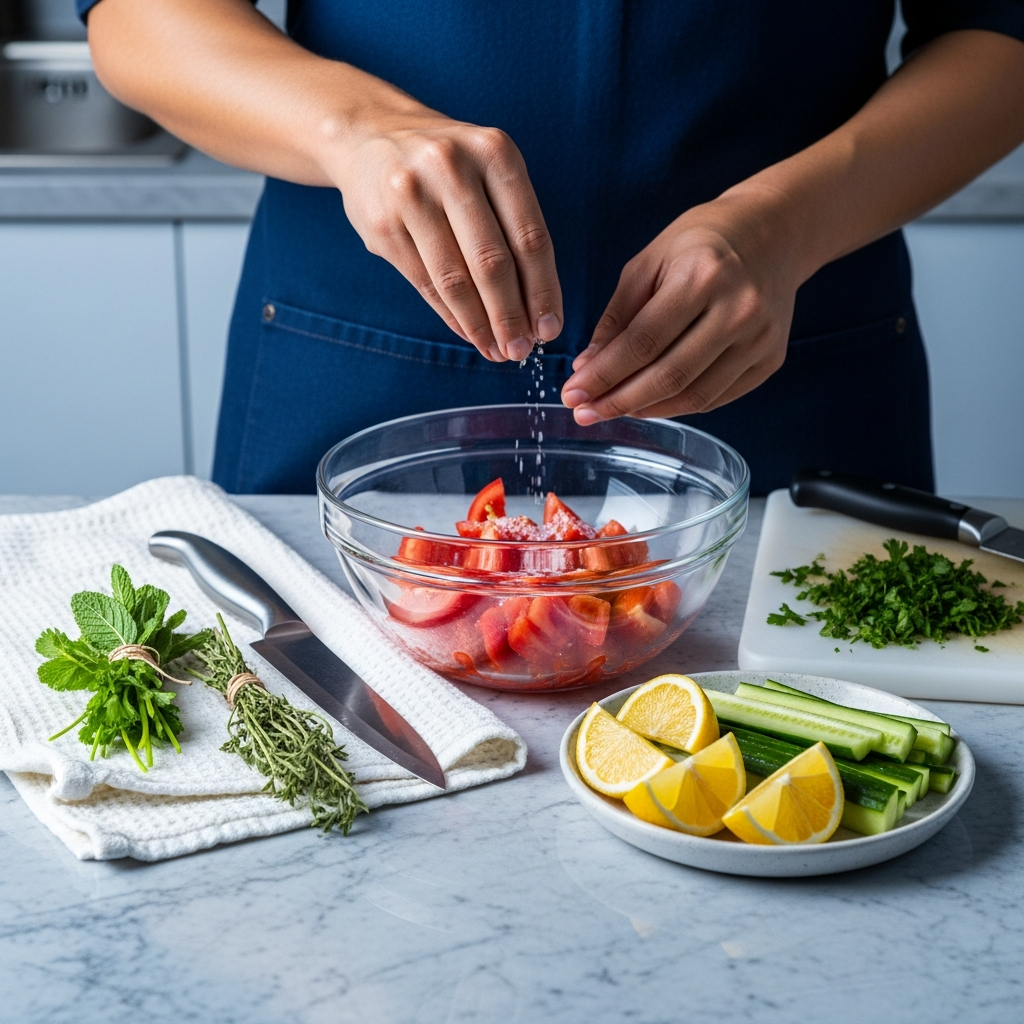
Ask ten Naperville locals what they love about Taboili Salad and you will hear the same themes: bright lemon, crisp herbs, juicy tomatoes, and that refreshing snap of cucumber. But when the salad is off—even slightly—you notice. Maybe the herbs feel soggy, the lemon hits too hard, or the grains weigh everything down. Whether you are ordering from a favorite spot downtown or tossing a batch at home after a trip to the Saturday farmers market, understanding common pitfalls and fixes can turn a decent Taboili into a memorable one. If you are deciding where to order tonight, a quick look at a restaurant’s menu can reveal how they approach freshness, grain choices, and balance.
Issue: Soggy Herbs and Limp Texture
When parsley and mint lose their lift, Taboili feels tired. The culprit is often moisture. Herbs that are not dried thoroughly after washing absorb dressing too quickly, collapsing the structure that should make every forkful feel airy. In Naperville’s humid summers, this problem can sneak up on home cooks and restaurants alike. The fix is simple but non-negotiable: rinse well, spin or pat very dry, and chill briefly before chopping. For dining out, the tell is visual—if the greens look glossy-wet rather than lightly sheened with oil, texture may suffer. Do not hesitate to ask how the salad is prepped; kitchens proud of their Taboili will gladly explain.
Issue: Watery Tomatoes Diluting Flavor
Tomatoes determine so much of Taboili’s success, and out-of-season or overly watery ones can mute the dish. When tomatoes release too much juice, the salad becomes thin and the lemon loses its sparkle. Savvy Naperville kitchens salt tomatoes gently ahead of time or choose cherry and grape varieties for consistent sweetness in cooler months. At home, a quick dice and a few minutes of resting can concentrate flavor without turning the salad soupy. Look for tomatoes that taste like themselves—sweet, a little tangy, and aromatic—and you have already solved half the battle.
Issue: Lemon Overkill or Not Enough
Balance is the soul of Taboili, and lemon is its loudest instrument. Too much and it overwhelms; too little and the salad feels flat. The fix is in layering. Use fresh lemon and add it gradually, tasting as you go. Some Naperville chefs fold a bit of zest into the mix for perfume without extra acidity. If you are ordering at a restaurant, consider asking for a lemon wedge on the side—it signals that you care about brightness and gives you control, especially if your palate is sensitive to acidity.
Issue: Heavy Hand with the Grain
Traditional Taboili calls for fine bulgur, but the grain should play a supporting role, not headline. When there is too much, the salad feels heavy and loses its herb-forward identity. The fix is to hold back, using just enough bulgur—or quinoa for a gluten-friendly alternative—to create cohesion without density. In Naperville, where diners often choose lighter meals to power workdays and evening walks by the Riverwalk, an herb-dominant ratio keeps the dish aligned with local preferences.
Issue: Flat Flavor from Bland Olive Oil
Olive oil is the smooth counterpoint to lemon. If it lacks character, the whole salad can read as sharp or one-dimensional. A fruitier, well-balanced oil rounds edges and supports the herbs. Restaurants in town increasingly mention their oil choices on the menu, a quiet sign of respect for the dish. Home cooks can benefit from a small bottle of fresh-tasting extra virgin olive oil reserved for salads; the difference is immediate and obvious.
Issue: Bitter or Harsh Herb Notes
Occasionally Taboili tastes bitter, which can happen if parsley stems are included too generously or if herbs are bruised by dull knives. The remedy is careful trimming and a sharp blade. Fine chopping with intention—neither pulverizing nor leaving oversize pieces—releases aroma without devolving into bitterness. In a busy kitchen, this is a training moment; in a home kitchen, it is the five minutes that pay off all week.
Issue: Overpowering Onion or Garlic
Onion and garlic can elevate Taboili, but they can also steal the show. The solution is moderation and technique. A brief soak of finely minced onion in cool water tames its bite. Garlic can be used sparingly or omitted entirely if the herbs and lemon are in balance. Many Naperville diners prefer a gentler aromatic profile at lunchtime, when they are headed back to meetings; restaurants respond accordingly, building flavor without broadcasting it.
Issue: Inconsistent Chop and Uneven Bites
When tomatoes are in big chunks and herbs are coarse, each forkful becomes a different salad. Uniformity is not just aesthetic; it is functional. A fine, even chop creates a cohesive texture that allows lemon and oil to coat everything equally. The fix is patience and a rhythm at the cutting board. At scale, Naperville kitchens train cooks to respect this step; at home, it is the difference between a good batch and a great one.
Issue: Dressing Too Early
Taboili dressed too far in advance can slump before it reaches the table, especially on warm days. The fix is timing. Dress shortly before serving, or, for takeout picnics on the Riverwalk, keep lemon and oil on the side and mix just before eating. This preserves herb structure and keeps cucumbers crisp. Restaurants that package smartly—separating components when needed—consistently deliver better texture.
Mid-Meal Check: Read the Menu Cues
When ordering around town, small clues tell you how a kitchen treats Taboili. Words like “herb-forward,” “fresh lemon,” and “finely chopped” often signal a thoughtful approach. A quick glance at the menu can indicate whether the grain is a side note or a blanket, and whether tomatoes receive the attention they deserve. Those cues help you choose confidently and avoid common pitfalls before they land at your table.
Fixes for Takeout and Picnics
Naperville’s public spaces invite takeout, so it pays to think like a pro. Ask for a slight underdress if you will be eating later. Keep the salad cool, especially in summer, and avoid sealing it steaming-hot next to warm items. If you are bringing Taboili to a picnic, pack an extra lemon wedge and a small drizzle of oil; a quick toss just before serving revives the salad and restores shine.
Transforming Leftovers
If you find yourself with a day-old batch that has wilted, all is not lost. Add a handful of freshly chopped parsley and a touch of zest, then correct with lemon and oil. Fold in crisp cucumber to restore crunch. Leftover Taboili also makes a bright addition to a grain bowl or can be spooned over roasted vegetables to lend freshness. In a town that juggles busy schedules, learning to refresh leftovers turns an ordinary Tuesday into an easy win.
Ordering for a Crowd
Feeding a group for a birthday at home or a team lunch near North Central College? Taboili is a peacekeeper, but portioning and timing matter. Ask for dressing on the side if service will be staggered, and request an herb-forward ratio so the salad holds texture through the event. A platter fluffed just before serving keeps the colors vivid and the aroma lively, ensuring the first and last servings taste equally bright.
Frequently Asked Questions
How can I tell if Taboili will be soggy before I order?
Look for descriptions that emphasize fine chopping, fresh herbs, and lemon added to taste. If a menu plays up heavy grains or premixed batches, texture might suffer. When in doubt, ask how the kitchen manages moisture and timing.
What is the best grain choice for a light Taboili?
Fine bulgur is traditional and works beautifully in small amounts. For gluten-friendly options, quinoa offers a clean texture. The key is restraint: grain should support, not dominate.
How do I rescue over-lemoned Taboili?
Add a splash of olive oil and more chopped herbs to soften the acidity. A pinch of salt can also rebalance perception, and resting for a few minutes helps flavors meld.
My Taboili tastes bland—what went wrong?
Likely a combination of under-salted tomatoes, a flat olive oil, or a timid hand with lemon. Correct each element: season tomatoes lightly, use a lively oil, and add lemon gradually until the salad feels vivid but not sharp.
Is it okay to make Taboili ahead?
Yes, within reason. Chilling for an hour can enhance cohesion, but extended storage can soften herbs. Keep dressing separate if you need more time, and toss just before serving for best texture.
Can I enjoy Taboili in winter in Naperville?
Absolutely. Choose tomatoes that taste good out of season, like grape varieties, and lean on lemon zest and fragrant mint. The salad’s brightness can be especially welcome on snowy days.
What are signs of a great Taboili at a restaurant?
Emerald herbs, a clean lemon aroma, glistening—not wet—texture, and uniform chop. Those details usually track with kitchens that take pride in their craft.
If you are ready to experience Taboili at its best—whether for lunch downtown, a picnic by the Riverwalk, or dinner at home—take a moment to review a trusted spot’s menu, place your order, and enjoy a salad that’s as bright and balanced as Naperville itself.