
There is a comfort in making falafel at home on a weeknight, the kind that fits Naperville’s rhythm—errands along Ogden, a quick stop at the 75th Street markets, and then music on in the kitchen while the sun slips behind the maples. Vegan falafel belongs in that routine. It is simple once you trust a few steps, forgiving when dinner runs late, and generous enough to feed a neighbor who drops by. I started making it to re-create the crisp I loved from downtown walks along the Riverwalk, and I stayed for the scent of parsley and cumin that gently takes over the house.
Before we dive in, I like to glance at a reliable kitchen’s menu for inspiration. Seeing how professionals balance herbs, spice, and sauces keeps my own version honest. Sometimes it nudges me toward an extra handful of cilantro or reminds me to add a dot of heat for the spice lovers at my table. Then it is right back to the cutting board where the real work is easy, pleasant, and entirely plant-based.
Falafel wants you to begin with dried chickpeas. This is the first truth and the only nonnegotiable worth memorizing. Canned chickpeas, soft and friendly as they are, do not create the interior crumb that gives falafel its tender structure. In Naperville, I pick up dried chickpeas at the markets along Naper Boulevard or near Washington Street; they live right next to the lentils and seem to last forever on the pantry shelf. Soak them overnight in plenty of cold water, and watch them plump into tomorrow’s dinner promise.
The Texture Equation: Soak, Pulse, and Rest
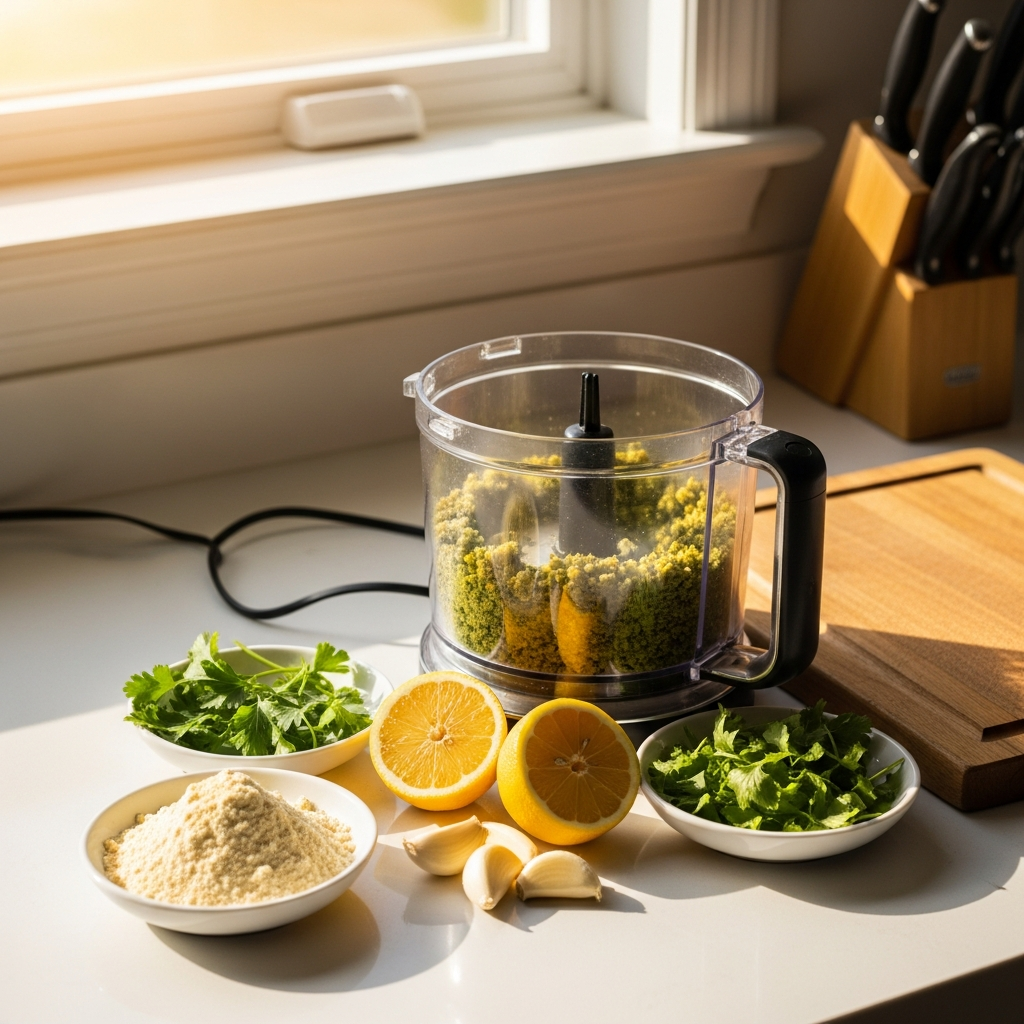
The morning after the soak, drain the chickpeas well and pat them dry. Texture begins here. Too much water in the mix and you will fight soggy interiors. Into the food processor they go with onions, garlic, a generous heap of parsley and cilantro, and the spices that make your kitchen smell like a warm breeze—cumin and coriander, with a nudge of black pepper. Pulse; do not puree. What you want is a pebbly, sandy mixture that clumps when squeezed but still shows its ingredients. The tiny nubs of chickpea are insurance policies for crunch.
Now comes rest, a step home cooks skip at their peril. Slide the mixture into the fridge for at least an hour. This pause lets the onions soften, the herbs exhale, and the starch walk through the party and greet everyone. In this window, I set the table, prep a salad of tomato and cucumber, and warm pitas gently on the back burner. A little patience is your path to a falafel that keeps its shape and smiles back with a crisp shell.
Binding Without Compromise
Vegan falafel does not need eggs. It needs an understanding of moisture and starch. If your mixture feels loose even after resting, sprinkle in a bit of chickpea flour to absorb the extra water and strengthen the hold. In Naperville’s humid summers, I sometimes add a teaspoon or two more than I do in January. Salt with confidence; chickpeas drink it in. Then pinch off a piece and fry a tiny test ball in a small skillet. This is your rehearsal. If it browns too fast, lower the heat. If it breaks apart, pulse your mixture a touch finer or add a thread more flour. Adjust now and your final batch will be a joy.
Shaping is personal. Some of us like coins for pita pockets, others prefer plump rounds that sit proudly on a plate. The only rule is consistency so they cook evenly. I keep a small bowl of water nearby to wet my hands lightly as I work, preventing sticking and helpfully smoothing surfaces that crisp beautifully in oil.
Oil Temperature and the Sound of Success
Good falafel talks to you. Set a skillet or deep, heavy pot on medium heat and add oil to reach at least halfway up the sides of your falafel. When a breadcrumb sizzles gently on contact, you are close. Slide in a test falafel and listen. A steady, happy sizzle tells you the oil is ready; a furious spatter says turn it down. Naperville kitchens are full of the sound of kids doing homework, dogs shaking off the day, and that contented sizzle that means dinner is on track.
Fry in batches without crowding. Turn each piece once when the edges brown to a deep gold. A wire rack over a sheet pan is magic here, preserving the crust while excess oil drips away. While the first batch rests, assemble your sides so the table is ready the moment the last falafel lifts from the oil.
Oven and Air Fryer Paths for a Lighter Touch
There are evenings when oil is not your mood. The oven and air fryer are friendly alternatives for vegan falafel, and Naperville home cooks have embraced both. For the oven, shape slightly flatter patties, brush lightly with oil, and bake on a hot sheet at a high temperature, flipping once. The air fryer wants a thin sheen of oil and a single layer with breathing room. Neither will match the exact bravado of a deep fry, but both can deliver pleasing crispness, especially if your mixture is well-drained and well-seasoned.
Whichever path you choose, keep an eye on moisture. If your first test patty tastes flat, it likely needs salt and acid in the form of lemon squeezed over the finished plate. Vegan cooking welcomes finishing touches that brighten the whole.
Sauces and Sides: The Vegan Table
Tahini sauce is the vegan falafel’s best friend. Thin a generous spoon of tahini with lemon juice and cold water until it turns the color of midday cloud cover and flows like a soft ribbon. Salt until it sharpens, then let it stand while you assemble sides. I love a tomato-cucumber salad with parsley and a faint blush of red onion. Pickled vegetables add life; you can quick-pickle turnips in the morning and feel like a pro by dinnertime. Hummus offers creaminess, and a swipe of chili sauce brightens the plate for heat-seekers.
At the table, arrange everything family-style. The Naperville way is informal, lively, and a little bit collaborative. Kids build their wraps, adults discuss herb ratios, and someone always asks for more pickles. If you are curious about new pairings, peek at a restaurant’s menu to see how they frame sides with the seasons, then bring a few of those ideas home.
Shopping Local: Where to Find Ingredients
Dried chickpeas, tahini, and fresh herbs are easy finds across Naperville. Markets on 75th and Ogden stock reliable brands, and you will often spot giant bunches of parsley that make you think of spring even in late autumn. Choose onions that feel heavy for their size, bright lemons, and firm cucumbers. If you see cilantro that looks especially perky, grab an extra bunch; it is the spark that keeps vegan falafel tasting fresh even on day two.
For spices, freshness matters. Cumin and coriander lose their voice over time, so lean toward smaller jars you will actually finish. When you open the lid and the scent rises to meet you, you know you are about to do your falafel justice.
Make-Ahead and Freeze Like a Neighbor
One of the best Naperville habits is cooking a little extra to share. Falafel mixture freezes well before frying. Shape the balls or patties, freeze them on a tray, then move them to a bag once solid. On a busy weeknight, slide the frozen pieces into hot oil or an air fryer with a few extra minutes on the clock. If you prefer to cook first, fried falafel reheat nicely on a hot skillet. Keep sauces fresh and build your plates as if it were the first night all over again.
For school lunches or a late-afternoon snack after a practice at Nike Park, tuck a few cooled falafel into a container with cherry tomatoes and pita triangles. A small lidded cup of tahini turns it into a tiny feast.
Common Pitfalls and Local Fixes
If your falafel tastes bland, it is almost always a salt issue. Chickpeas are mild and need a steady hand. If it falls apart, your mixture may be too wet or too coarsely textured; a few extra pulses or a spoon of chickpea flour usually fixes it. If the crust is too dark but the center is pale, your oil is running hot. Back it down and let heat do its measured work. Every Naperville kitchen learns these lessons quickly, and once you do, your hands remember them without asking.
And if you ever feel stuck, pause, breathe, and fry a test piece. That single act—the rehearsal falafel—saves evenings and builds confidence.
Serving Moments That Feel Like Naperville
Food becomes memory when you match it with a place. Serve your vegan falafel on the patio while the sounds of the neighborhood drift by, or pack it for an impromptu dinner by the Riverwalk. Let kids pick herbs from a pot near the back door, and do not worry when tahini drips onto the table; wipe it with a grin and pass the platter. The best home cooking is rarely pristine, and it is never precious. It is simply good, shared, and repeated often enough to become your family’s shorthand for a night well spent.
Frequently Asked Questions About Vegan Falafel in Naperville
Can I use canned chickpeas for vegan falafel?
You can, but you will not get the signature texture. Canned chickpeas are too soft and create a mushy center. Dried chickpeas soaked overnight deliver the crumb and lightness that make falafel special. If time is tight, soak in the morning for an evening fry; you will still be happier than with canned.
How fine should I pulse the chickpea mixture?
Think pebbly, not smooth. When squeezed, the mixture should hold a shape but reveal tiny bits of chickpea and herb. Over-processing leads to dense falafel; under-processing causes it to crumble. Test a small piece in oil to confirm you are there before shaping the whole batch.
What is the best oil temperature for frying?
Medium heat that yields a steady sizzle is your marker. Too hot and the outside darkens before the center cooks; too cool and the falafel absorbs oil. If you are using a thermometer, aim for the mid-300s Fahrenheit, but your ears and a test piece are just as reliable.
How do I keep my falafel vegan sauces simple?
Stir tahini with lemon, water, and salt until silky. Add minced garlic if you like. For heat, offer a straightforward chili sauce on the side. A bright tomato-cucumber salad and quick pickles round out the plate without complicating your evening.
Can I bake or air fry instead of deep-frying?
Yes. Bake patties on a preheated sheet with a light brush of oil, flipping once, or air fry in a single layer with space between pieces. You will trade a bit of shatter for convenience, but good seasoning and proper moisture control still deliver a satisfying result.
How far in advance can I make the mixture?
A day ahead works beautifully. The flavors mingle in the fridge and the mixture firms up. If it weeps moisture, sprinkle in a touch of chickpea flour before shaping. For longer storage, shape and freeze, then cook from frozen with a few more minutes on the clock.
What toppings win over a mixed-age crowd?
Keep it bright and familiar: tomatoes, cucumbers, lettuce, pickles, and a mild tahini. Offer heat on the side for those who want it. This approach lets kids build confidently while adults layer in extra herbs and spice to taste.
Bring your vegan falafel to the table tonight
If you are ready to set a platter in the middle of your Naperville table and watch it disappear, start by sketching your sides and peeking at a pro kitchen’s menu for fresh ideas. Then soak, pulse, and fry with calm hands. What emerges is more than dinner—it is a ritual that turns our busy town’s evenings into something wonderfully, reliably warm.