
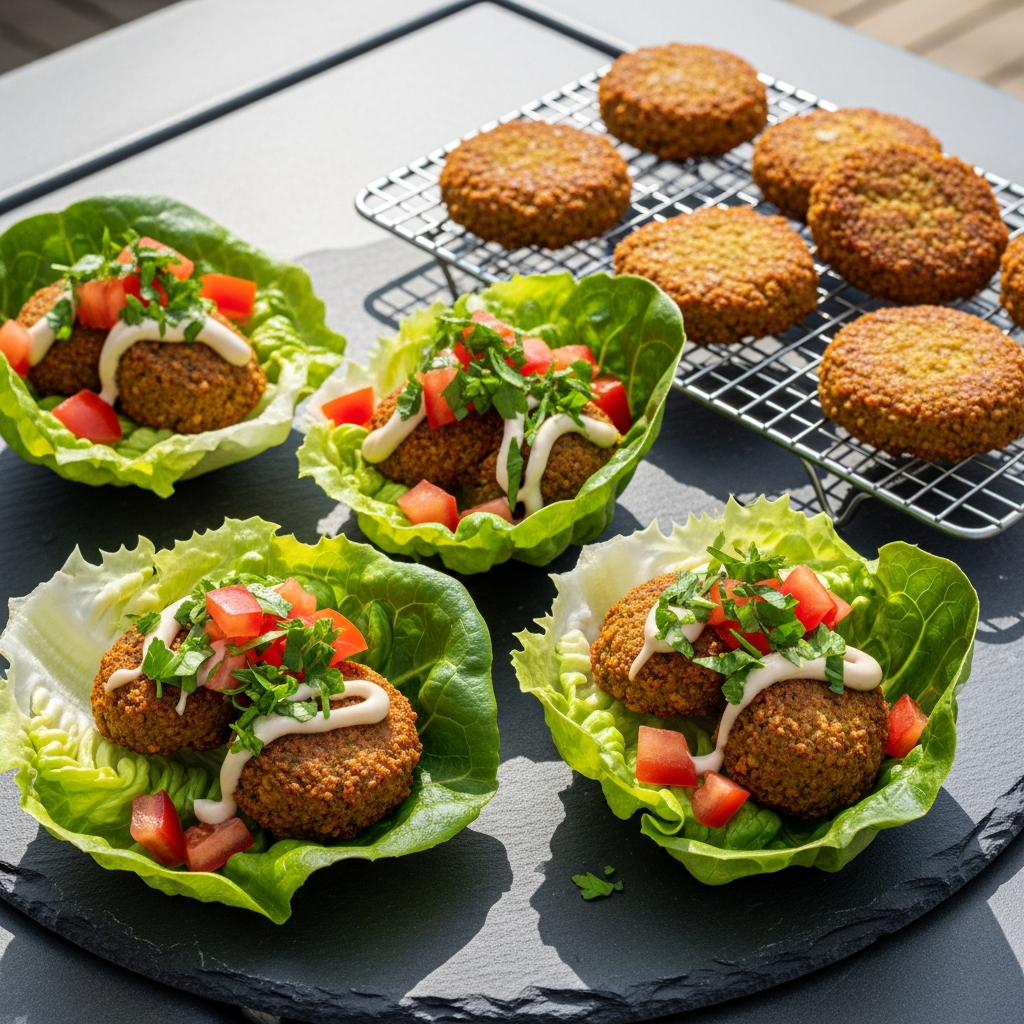
Gluten-free falafel can absolutely keep its crunch in Naperville, and I say that as someone who has juggled dietary needs at family tables from downtown patios to neighborhood backyards. The secret is not exotic; it is attention to moisture, temperature, and the kind of thoughtful kitchen habits that make every guest feel seen. Around here, the best gluten-free falafel tastes like falafel first—herb-bright, cumin-warm, lemon-lifted—and only incidentally like a dietary accommodation. That confidence comes from the right ingredients and a few small, repeatable moves.
When I map out a gluten-free spread, I begin with ideas, and a quick look at a trusted restaurant’s menu helps me visualize combinations that are lively but safe for gluten-avoiders. Then I set my route: a stop along Ogden or 75th for chickpeas and herbs, a mental note to grab lemons, and the pleasant knowledge that what comes next is more craft than fuss. Whether you are planning dinner at home near the 95th Street Library or a picnic along the Riverwalk, the same principles keep your falafel crisp and your guests at ease.
The first pillar is the chickpea itself. Dried chickpeas soaked overnight deliver a texture that stands up to frying without flour-based crutches. Canned chickpeas, soft and cooperative as they may be, often lead to mushy centers that need rescue. When you start with soaked chickpeas, you can keep the binder gluten-free and minimal, leaning on chickpea flour or a touch of fine rice flour to catch extra moisture without clouding the flavor.
Binders That Behave Without Gluten
Gluten-free binding is really moisture management. After pulsing soaked chickpeas with onion, garlic, parsley, and cilantro, you should see a mixture that clumps when squeezed and shows tiny flecks of its ingredients. If it feels loose, sprinkle in chickpea flour a teaspoon at a time until it holds its shape. Rice flour can lighten the texture while keeping the outside snappy. Cornstarch is another option in small amounts, creating a fragile, glassy shell when fried at the right temperature.
A note on seasoning: salt early and taste a small cooked test piece. Chickpeas welcome salt, and gluten-free binders are flavor-neutral. Your goal is a mixture that tastes lively before it even meets the oil. That way, the fry becomes a texture play rather than a crutch for blandness.
Oil Temperature, Batch Size, and Steam Control
Crispness lives at the intersection of moisture and heat. Set your oil to a steady medium heat—hot enough to sizzle decisively, not so hot that the exterior outruns the center. Fry in batches with breathing room so the oil stays at temperature. When falafel crowd, they steam each other, and that is the enemy of a shattering shell. A wire rack over a sheet pan is your best friend; it lets steam escape instead of condensing under the falafel and softening the crust.
In Naperville kitchens, I often catch myself listening more than watching. The right sound is a steady, confident sizzle. If it quiets, you have overcrowded. If it roars and darkens the first side too quickly, your heat is high. Adjust and keep going. Small course corrections are how crispness survives from first batch to last.
Dedicated Fry Oil and Cross-Contact Awareness
For gluten-free guests, safe equipment matters as much as ingredients. At home, use a clean pot, fresh oil, and utensils that have not touched breaded foods. In restaurants, it is fair to ask whether falafel fries in a dedicated fryer. Naperville’s better kitchens understand the request and will explain their process clearly. If you are packing food for a picnic at Commissioners Park, keep gluten items in separate containers and assign their own tongs. Thoughtful separation keeps everyone focused on flavor rather than worry.
For wraps and sides, reach for gluten-free pitas if you like the handheld experience, or build bowls with greens, tomatoes, cucumbers, pickles, and a ribbon of tahini. Labeling matters at gatherings; a simple note next to each dish saves repeated questions and lets guests relax.
Oven and Air Fryer Paths That Keep the Crunch
You can achieve honest crispness without deep frying. For the oven, preheat a sturdy sheet until hot, brush it lightly with oil, and set patties down with space between them. Flip when the edges brown and finish until golden. The air fryer likes a light oil coating and a single layer; turn pieces once so both sides get their moment. Neither path punishes your gluten-free binders, and both are forgiving for weeknights when a pot of hot oil is not in the cards.
Just as with deep frying, drain cooked falafel on a rack, not a plate. Steam is stealthy. A minute or two on a rack turns good into great, and your table will notice.
Sauces, Seasonings, and the Power of Acid
Gluten-free does not mean flavor-shy. Tahini sauce, lemony and smooth, is naturally gluten-free and actually amplifies crunch by providing contrast. Hummus plays creamy counterpoint. A herbal salad of tomatoes, cucumbers, and parsley keeps the plate bright. For heat, a simple chili sauce or a pinch of Aleppo pepper welcomes those who want it without boxing in guests who do not. A squeeze of lemon over the platter right before serving ties the whole in a bow.
When I want to refresh the palate mid-meal, I pause for a sip of something cold, then add a second small drizzle of tahini. The falafel seems to wake up, its crispness reasserting itself, and I remember why I fell for this food in the first place during an amble along the Riverwalk on a blue-sky day.
Holding, Reheating, and Serving to a Crowd
For parties in Naperville backyards or community rooms, plan to fry or bake in waves. Bring out smaller trays more often instead of one large batch. Keep finished falafel warm in a low oven on a rack-lined sheet to guard the shell. If you are transporting across town, vent the lids to prevent condensation. At the table, place sauces in squeeze bottles and herbs in shallow bowls so guests can finish their plates without hovering over the buffet.
Leftovers reheat well on a dry skillet or in an air fryer. Avoid the microwave unless you are after nostalgia rather than texture. Even then, a quick skillet kiss afterward can revive some of the lost edge.
Shopping in Naperville: Ingredients With Integrity
From markets along Ogden to shops near Naper Boulevard, you will find chickpea flour, rice flour, and a rainbow of herbs within easy reach. Look for parsley bunches that feel heavy with moisture and bright cilantro that perks up a room when you open the bag. Stock smaller jars of cumin and coriander so they do not lose their voice before you finish them. Lemons should be glossy and generous; you use them more than you think when gluten-free cooking leans on acid to keep plates lively.
If you are new to tahini, stir it well. The best jars separate, and that layer of oil on top is not a flaw. Once it is smooth, your sauces come together in minutes and taste like you fussed all afternoon.
Dining Out With Confidence
When you eat out in Naperville, a clear conversation with the staff sets the stage. Ask about dedicated fryers, ingredient lists, and how the kitchen prevents cross-contact on busy nights. Most places are glad to walk you through their routine. If you are deciding between a wrap and a bowl, let the answer rest on your mood; both can be fully gluten-free with the right components.
On a nice day, take your order to the Riverwalk or a bench near Central Park. Falafel, especially when still singing with heat, belongs outdoors in this town. The crunch holds, the herbs shine, and the late-afternoon light does that thing Naperville light does—turning even a quick meal into a tiny celebration.
Frequently Asked Questions About Gluten-Free Falafel
What is the best gluten-free binder for falafel?
Chickpea flour is my first choice because it echoes the main ingredient and disappears into the flavor. Fine rice flour works well too, keeping the texture light. Use small amounts to adjust moisture, adding only until the mixture holds together when squeezed.
How do I prevent my falafel from getting soggy?
Start with well-drained, soaked chickpeas, fry at a steady medium heat, avoid crowding, and cool on a wire rack. If baking or air frying, preheat your pan or basket, leave room between pieces, and flip once. Steam control is the theme from fryer to plate.
Can I achieve crispness without deep frying?
Yes. A hot oven or air fryer can produce an honest, satisfying crisp. Brush or spritz a little oil, preheat your cooking surface, and flip halfway. While the crust is slightly different from deep-fried, good seasoning and moisture control make baked or air-fried falafel genuinely appealing.
Is restaurant falafel in Naperville usually gluten-free?
Falafel itself is often gluten-free, but cross-contact is the question. Ask if a dedicated fryer is used and whether any flour-based products share the oil. Staff at many local kitchens are prepared for this conversation and can guide you toward the safest choices.
What should I serve with gluten-free falafel?
Build bowls with greens, tomatoes, cucumbers, pickles, and tahini. Add hummus for creaminess and a squeeze of lemon at the table. If you prefer handhelds, choose gluten-free pitas or sturdy lettuce leaves. Keep toppings simple and fresh to let the falafel lead.
How do I reheat gluten-free falafel?
Use a dry skillet or an air fryer at moderate heat until the exterior wakes up and the center is warm. Avoid microwaving, which softens the crust. If you must, follow with a quick skillet pass to coax back a bit of the crunch.
Ready for reliably crispy, gluten-free falafel?
If you are planning dinner at home or a sunny picnic by the river, begin by sketching your spread and peeking at a trusted kitchen’s menu for pairing ideas. With a few steady habits—soaked chickpeas, calm heat, and careful handling—you will serve falafel that crunches proudly and feels right at home in Naperville.