
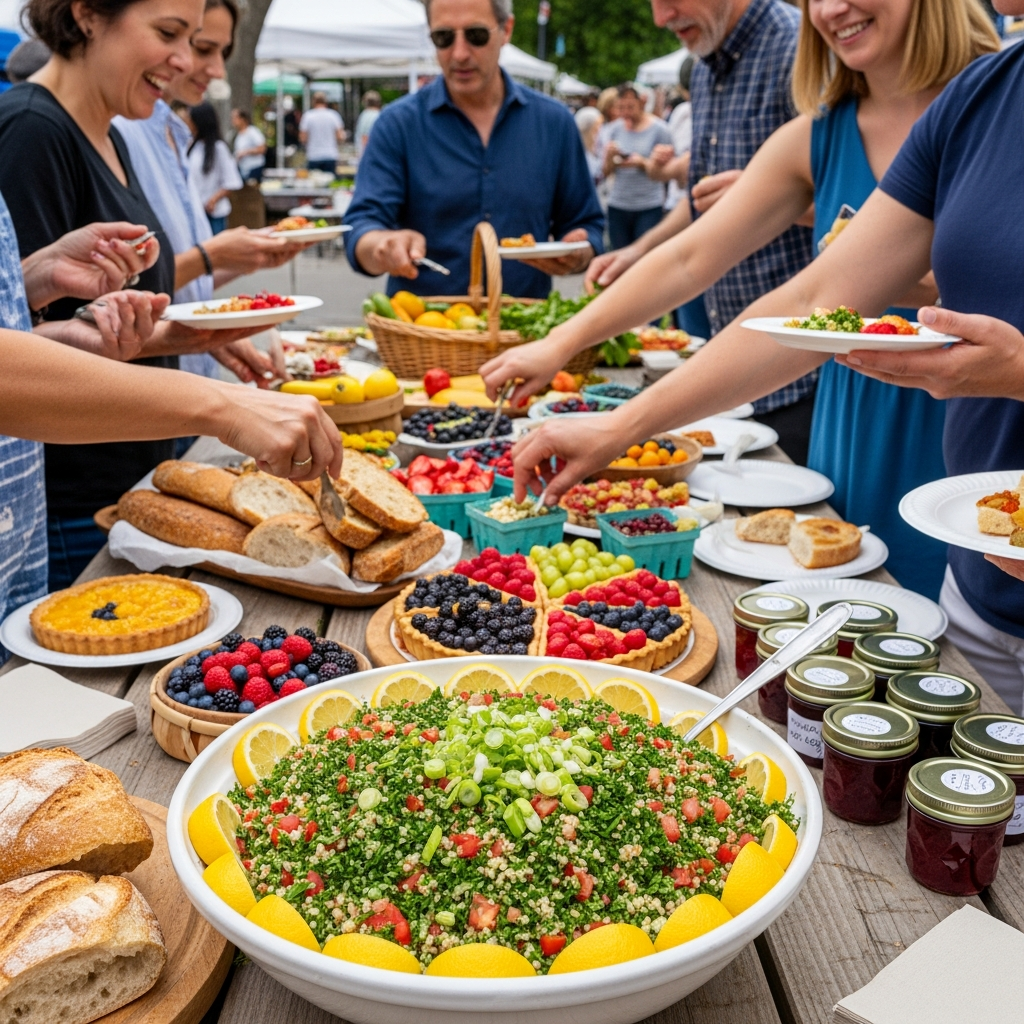
Across Naperville, conversations about health rarely stop at numbers or diet trends. They wind through farmer’s market stalls, school events, workplace wellness meetings, and casual chats along the Riverwalk. In those spaces, certain foods become touchstones because they make nutrition feel alive and communal. Taboili salad is one of those touchstones here. It bridges culture, season, and everyday practicality with a flavor that people instantly understand. If you have ever glanced at a Mediterranean restaurant’s menu and wondered why this humble green salad earns pride of place, the answer is simple: it quietly meets many of Naperville’s local nutrition priorities in one bowl.
To appreciate why Taboili matters to our community, it helps to look at how we already live. We jog beside spring blossoms, cheer on youth sports through warm summer evenings, and trade recipes during harvest season when backyard gardens overflow. Food that supports stamina without weighing us down matches that rhythm. Taboili does this with a parsley-first formula that places leafy greens at the center. Tomatoes keep things juicy and colorful, scallions add a soft bite, bulgur contributes a pinch of whole grain, and lemon with olive oil pulls everything together. No single component shouts, but the harmony feels generous and bright. That quiet harmony is exactly what makes the dish a natural fit for Naperville’s nutrition conversations in homes, classrooms, and cafes.
Connecting culture and community health
Local nutrition succeeds when it celebrates the cultures that make up Naperville. Taboili brings a Levantine tradition into our kitchens while speaking directly to shared goals: more plants on the plate, more intact grains, and flavorful dressings built from wholesome ingredients. Because it is inherently inclusive—vegan by design, easily paired with a range of proteins—it reduces friction around the table. In my experience, community events that offer dishes like Taboili see more people engaging, tasting, and talking about what works for them. The salad becomes a conversation starter about herbs, knife skills, sourcing produce, and family memories that stretch beyond Illinois.
That cultural bridge has health implications. When the foods we share reflect the people who live here, it becomes easier to craft nutrition programs that resonate. A school dietitian might introduce Taboili as a way to highlight fresh herbs and citrus; a corporate wellness coordinator might feature it during a lunch-and-learn; a local nonprofit could include it in cooking classes. The result is the same: more practical experience with greens and grains that students and families can repeat at home without expensive equipment or specialty products.
Why the parsley-first approach matters
Taboili’s nutritional profile starts with its generous parsley base. For a town that values bone health for active years ahead and immune resilience through Midwest winters, the salad’s vitamins and antioxidants are not abstract numbers; they are tangible supports. Vitamin K contributes to bone strength, while vitamin C and a spectrum of phytonutrients help the body navigate daily stressors. Place that green base next to ripe tomatoes rich in lycopene and you have a bowl that champions cellular health in a form people actually want to eat.
The balance of bulgur amplifies the local nutrition message by gently nudging eaters toward whole grains. Many Naperville families already experiment with brown rice, quinoa, and whole-wheat breads. Bulgur in Taboili provides another approachable gateway, delivering fiber and a steadying texture without shouting its presence. Because it is used sparingly, the grain supports the greens rather than overshadowing them, which aligns perfectly with public health guidance to make vegetables and fruits the majority of the plate.
Practicality for busy schedules
A powerful reason Taboili belongs in local nutrition conversations is how well it fits the contours of modern schedules. You can prep components in the evening and combine them in minutes the next day. You can scale the bowl for a team potluck, a neighborhood block party, or a quick family dinner before an orchestra rehearsal. The salad travels well if you keep the dressing separate until serving, which makes it a dependable option for teachers, healthcare workers, retail staff, and anyone else who eats between commitments.
Naperville’s food scene is robust, with countless options from fast-casual to family-owned gems. In that landscape, Taboili shines as a reset button. When you mix it into your week, you carve out guaranteed moments of fresh, green brightness. People often report improved afternoon energy, more stable moods, and less urge to reach for sweets once Taboili becomes a staple. Those everyday results matter more than flashy promises because they stack up over time into durable health.
Local sourcing and seasonal resonance
We live in a place where seasons are felt, not just seen. Spring’s first herbs carry the thrill of newness; high summer tomatoes taste like the sun; autumn reminds us to savor while it lasts. Taboili is a canvas for all of that. When you visit a market, ask growers which parsley is most fragrant, or which tomato holds shape after dicing. Farmers love these questions because they show you are cooking with intention. The answer often guides you to varieties that deliver both flavor and nutrient density. You can taste the difference in every bite, and because the salad is mostly raw, those nutrients travel from field to fork without much loss.
At home, seasonal alignment is about tiny adjustments. On humid days, thoroughly dry the herbs to prevent dilution. In cooler months, let the bulgur be a little heartier and consider extra lemon to keep the salad’s brightness. These nudges do not change the character of Taboili; they allow it to meet you where you are, which makes healthy choices easier to sustain through the calendar’s ups and downs.
Education through flavor
One of the quiet victories of Taboili is the way it teaches skills by delighting the palate. Students learn knife control by chopping parsley fine without bruising it. Families learn the difference between ripe and overripe tomatoes as they balance sweetness with structure. Cooks discover how a simple emulsion of lemon and olive oil clings to greens and elevates everything it touches. These lessons create food confidence that spills into other dishes, growing a community of capable home cooks who can make nutrition actionable.
In cooking classes, I like to show how a pinch of salt on tomatoes draws out excess moisture, keeping the final salad crisp. We talk about washing herbs in cold water, spinning them dry, and taking a minute to spread them on a clean towel. That pause ensures the dressing is not diluted, and it helps the salad stay vibrant. These small acts embody our local nutrition values: do a few things well, with care, and the results will reward you.
From restaurants to home tables
Restaurants across Naperville champion Taboili because diners respond to its clarity. Chefs may add subtle twists—thinly sliced radish for peppery lift, a handful of mint for cooling fragrance, or a touch more lemon to keep things zippy. When you peek at a trusted spot’s menu, you can learn a lot from how they pair the salad with grilled meats, dips, and warm breads. Study those pairings and borrow freely at home. The goal is not to copy a restaurant plate; it is to understand how bright, herb-forward food can anchor a meal that feels celebratory and deeply nourishing.
At the home table, Taboili plays well with everyone. Children often begin by picking out the tomatoes and then graduate to the full forkful. Adults appreciate that a generous portion leaves room for dessert if the occasion calls. Guests with varied dietary patterns can enjoy the same bowl with minimal adjustment, which smooths the logistics of hosting. Few dishes work this hard while remaining so relaxed and welcoming.
Equity and access considerations
Local nutrition does not exist in a vacuum; it is shaped by budgets, schedules, and access to knowledge. Taboili’s ingredient list is short and flexible, which gives it a role in making healthy eating more attainable. Parsley, tomatoes, scallions, lemon, olive oil, a small amount of grain—these are items you can find at most stores around town. When a recipe does not demand specialized tools or costly components, it becomes an easier “yes” for more households. That inclusive ease aligns with Naperville’s broader health aims to lift overall well-being across neighborhoods.
Community groups can leverage Taboili in outreach because it demonstrates big returns from small changes. Teaching a family to finely chop herbs, salt tomatoes lightly, and whisk a bright dressing offers a foundation they can build upon for countless meals. Over time, those habits reduce reliance on ultra-processed foods without asking people to sacrifice flavor or joy at the table.
Frequently asked questions
Q: Why is Taboili highlighted in Naperville’s local nutrition conversations? A: It stacks key goals—more greens, more whole grains, and clean, flavorful fats—into one approachable dish that families genuinely enjoy, making long-term habits easier to keep.
Q: Can Taboili support active lifestyles common in our community? A: Yes. Its fiber, hydration, and balanced energy help with stamina for busy days, whether you are coaching, commuting, or enjoying the Riverwalk.
Q: How can schools or workplaces use Taboili in education? A: Use it to teach knife skills, introduce herbs, and demonstrate a simple vinaigrette. The lesson ends with a delicious salad that participants can replicate at home.
Q: What if someone avoids gluten? A: Reduce or replace the bulgur with a gluten-free grain in small quantity, or increase the parsley and tomato. The core identity of the dish remains intact.
Q: Does it make sense to prepare Taboili in cooler months? A: Absolutely. Choose tomatoes that hold structure in winter and keep the lemon lively. The freshness is a welcome contrast to rich seasonal foods.
Q: How can restaurants help advance local nutrition with Taboili? A: By featuring a well-balanced version, offering pairing ideas, and showcasing herbs at their best, restaurants show diners that healthy food can also be the most exciting thing on the plate.
Bring the conversation to your table
Naperville’s nutrition story is written at kitchen counters and dining tables as much as in classrooms and clinics. Invite Taboili into that story this week. Chop the herbs, brighten with lemon, and enjoy the calm focus that follows a bowl of vivid greens. If you prefer to taste a chef’s interpretation first, take a look at a trusted neighborhood spot’s menu, notice the pairings that appeal to you, and let that inspiration guide your next homemade spread. Healthy eating here is not about deprivation; it is about flavorful, shared moments that help us feel good and keep going. Start with Taboili and see how naturally the rest falls into place.