
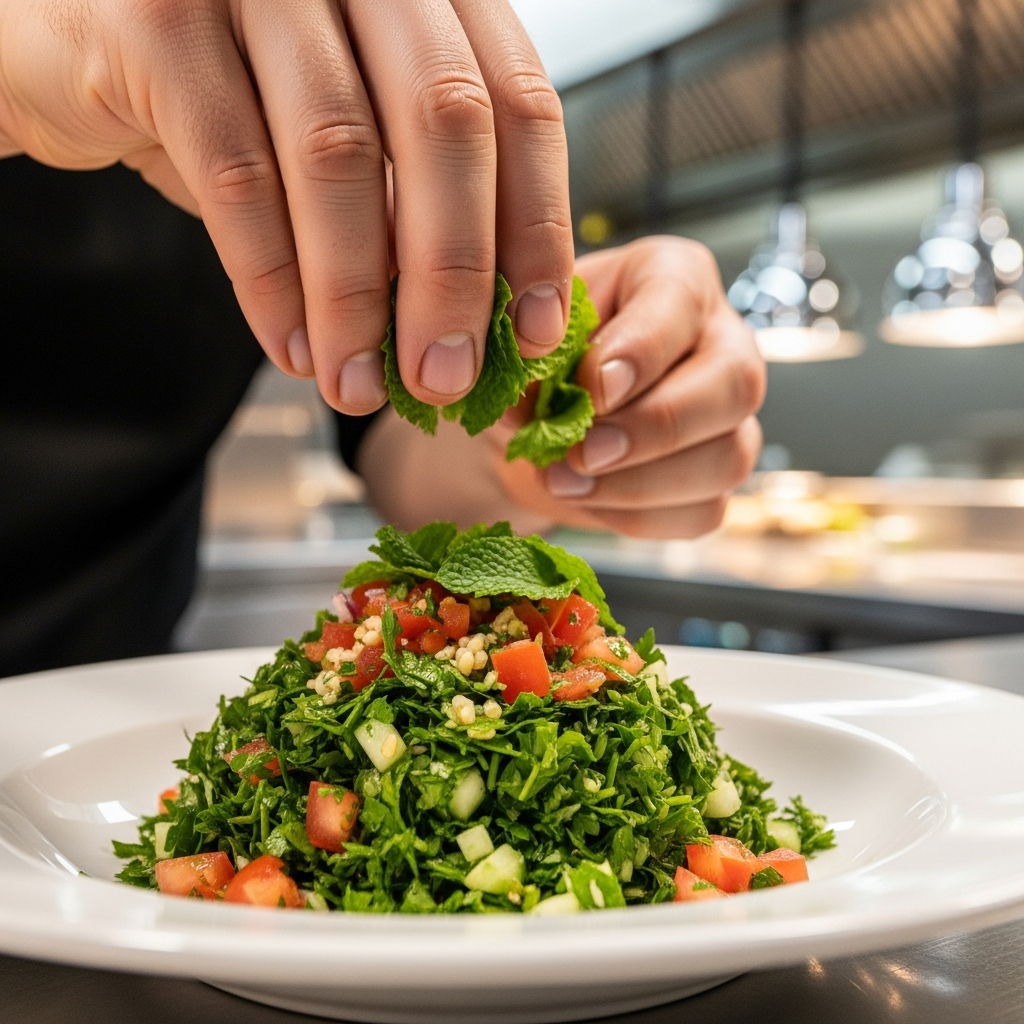
Walk into a Naperville restaurant on a Friday evening and you will notice something about the tables that never seems to change: there is almost always a bright, herb-studded bowl or plate anchoring the spread. Over the last few years, Taboili salad has stepped into that role more often, moving from familiar side to star attraction. The reasons are no mystery. People here want food that feels fresh and lively, and they want it on weeknights just as much as on special occasions. If you have ever skimmed a Mediterranean-inspired menu and paused over the green, lemony salad, you have seen how Taboili has become a reliable compass point for diners who crave clarity and brightness without sacrificing satisfaction.
As a local eater and cook, I track small shifts in how restaurants serve Taboili and how households adapt it at home. Trends in Naperville rarely swing wildly; they emerge through quiet refinements—more herbs here, a hint of mint there, a thoughtful pairing with something warm and comforting. That is the Naperville way: steady improvement driven by curiosity and care. This year, three broad movements stand out to me in both dining rooms and kitchens: a return to parsley-forward technique, smart customization that respects tradition, and a playful conversation with grains that keeps texture interesting while honoring the salad’s spirit.
Back to green-forward roots
The most meaningful trend, especially among chefs who care about culinary history, is a recommitment to a green-dominant bowl. For a while, you would see versions heavy on bulgur or cucumber. Lately, chefs and home cooks are turning the volume up on parsley again, which changes the entire experience. When you pick up a forkful that looks like a meadow—green first, red freckles from tomato second—you taste why this salad traveled the world. In Naperville, this green-forward approach aligns with how diners organize their meals now: more plants, clean flavors, and plates that do not require a nap after.
From a technical angle, the green-forward trend has spurred attention to knife work. Finely chopped parsley gives a luxurious, almost fluffy texture that absorbs dressing beautifully without wilting on the spot. You will see more restaurants presenting Taboili in a soft mound that holds together because the herbs are properly cut and dried. Home cooks are following suit, practicing that fine chop on a quiet Sunday and then enjoying the payoff for weekday lunches.
Customization with respect
Naperville diners appreciate the hospitality of choice, and Taboili has become a canvas for thoughtful customization that still respects tradition. I have noticed subtle additions meant to complement, not overshadow: slivers of radish for peppery lift, a leaf or two of mint for cool fragrance, or a squeeze of extra lemon at the table when someone wants more zip. Restaurants know that offering small, intelligent options builds trust, and families imitate those gestures at home because they are easy to execute and almost impossible to get wrong.
Another customization trend is purposeful pairing. Taboili appears as the anchor in bowls built around grilled chicken, falafel, or roasted vegetables, giving diners a complete, balanced meal that stays lively from first bite to last. At home, people compose similar plates for busy nights, scooping Taboili next to warm grains or a piece of simply cooked fish. These bowls are less a recipe than a habit of assembling textures and temperatures that make sense together, with Taboili providing the citrusy herb core that ties everything together.
Grain play, texture talk
While the classic salad uses a modest amount of fine bulgur, Naperville’s tinkering spirit has encouraged experiments with texture. Some cooks toast the bulgur briefly for a nutty edge before hydrating it, which adds another layer of aroma. Others substitute a small amount of quinoa for a gluten-free twist, careful to keep the grain in the background where it belongs. The conversation is not about replacing tradition; it is about adjusting to dietary needs and keeping each bite interesting. The throughline is respect for proportion: the herbs are the headline, the grain is the supporting cast.
This texture focus extends to tomatoes. Restaurants increasingly choose varieties that remain firm after dicing, and home cooks are learning to salt tomatoes lightly to draw excess moisture before folding them into the greens. The method safeguards the salad’s signature lightness so it remains perky even if you linger over dinner on a patio in Hobson West or downtown.
Visual appeal and plating
Another unmistakable trend is presentation that emphasizes Taboili’s cheerful personality. You will see wide, shallow bowls that show off the mosaic of green and red, or artful scoops nestled alongside hummus and warm bread so diners can create bite-sized combinations. At home, I recommend a light-colored plate or bowl because it lets the herbs look as vivid as they taste. Even small gestures—like drizzling a whisper of olive oil at the rim or mounding the salad so it holds shape—signal intention and elevate weeknight meals without adding work.
Plating matters in Naperville not because we are fussy, but because we recognize that when a dish looks inviting, everyone is more eager to dig in, including cautious eaters. Parents tell me that their kids lean in when the herbs look like confetti, and that a familiar bowl shape increases comfort. Those tiny nudges help Taboili become a family staple.
Restaurant inspiration, home adaptation
One of the most valuable habits for home cooks is to treat restaurant meals as continuing education. If you spot a Taboili that sings, ask yourself what makes it so good. Is the parsley especially fine? Is the lemon vibrant? Do the tomatoes hold their shape? Take those notes home. Often, a quick scan of a trusted spot’s menu reinforces the same lessons: restraint with grain, generosity with herbs, balance in the dressing, and pairings that create harmony.
Home adaptation also benefits from realistic prep strategies. On Sundays, some families wash and dry herbs, cook or hydrate a small batch of grain, and whisk lemon with olive oil in a jar. This mise en place turns Taboili into a five-minute assembly project on Tuesday night. Trends that last are the ones that fit life as it is, and this practice has quietly spread among busy households from north to south Naperville.
Seasonality as a driver
Seasonality remains a defining force. In early summer, the best Taboili in town often comes from kitchens that source tender parsley and tomatoes just firm enough to dice neatly. As the sun climbs, cucumbers may slip in for extra crunch and hydration. Come fall, cooks might increase the bulgur slightly for a cozier texture while keeping the citrus bright. Winter’s versions rely on greenhouse tomatoes or cherry tomatoes for structure, along with a generous hand of lemon to wake up the bowl.
The market’s rhythm shapes these choices. Talk to growers about which varieties suit chopping, and you will hear stories about soil, weather, and harvest timing that explain why some bunches taste especially alive. That conversation connects your salad to the land beyond the plate, which is one of the quiet pleasures of eating in Naperville.
Wellness meets indulgence
Another subtle shift is how diners frame Taboili within a meal. Instead of positioning it as the “healthy corner,” restaurants often make it the star that supports both nourishment and joy. A bright mound of herbs beside something warm and savory creates a satisfying push and pull. Home cooks who learn this lesson find they can indulge in richer flavors without feeling weighed down because the salad resets the palate between bites. The result is a meal that feels balanced and celebratory rather than either/or.
This framing has mental health benefits, too. When you sit down to a plate that looks generous and tastes lively, you feel taken care of. That feeling matters on long workdays and during busy family seasons. It is one reason Taboili has moved from “occasional” to “often” in so many Naperville kitchens.
Frequently asked questions
Q: What trend most improves the taste of Taboili at restaurants right now? A: The return to a parsley-forward bowl with finely chopped herbs has raised the bar. It concentrates flavor, improves texture, and lets the dressing cling without sogginess.
Q: How are Naperville home cooks changing the salad? A: They are preparing components in advance, salting tomatoes to manage moisture, and customizing respectfully with mint, radish, or slight grain tweaks that keep herbs at the center.
Q: Is quinoa replacing bulgur? A: Not broadly. Some use a small amount for gluten-free needs, but the prevailing approach keeps any grain in the background so the salad remains unmistakably herb-driven.
Q: What plating choices make Taboili feel restaurant-quality at home? A: Use a light, wide bowl to show color, mound the salad lightly, and add dressing just before serving so everything glistens without pooling.
Q: How does seasonality shape Taboili trends in Naperville? A: Cooks chase the best herbs and tomatoes, adjusting moisture management and lemon intensity with the weather so the salad tastes crisp in summer and lively in winter.
Q: How do restaurants make Taboili feel central rather than token-healthy? A: They pair it smartly with warm, savory elements, letting the salad refresh the palate so the whole meal feels abundant yet balanced.
Bring the trend home tonight
Trends endure here when they make dinner easier and tastier, and Taboili checks both boxes. Let herbs lead, treat grain as a supporting actor, and brighten generously with lemon and olive oil. Notice how much better weeknights feel when a vivid green bowl anchors the plate. If you would like a spark of inspiration before you chop, glance at a local favorite’s menu, see which pairings call your name, and carry that idea back to your own table. Naperville meals thrive on freshness, calm energy, and shared plates; Taboili gives you all three. Make it part of your routine and enjoy how naturally the rest of dinner falls into place.