
If there is one salad I see on repeat in Naperville kitchens, it is Taboili. The draw is obvious: it is bright, quick, and deeply refreshing. Yet even confident home cooks tell me they sometimes struggle with texture or balance. The good news is that most issues have simple fixes grounded in technique and timing. Once you understand how parsley behaves, how tomatoes release moisture, and how the dressing wants to cling, you unlock a bowl that tastes like the best version of itself every time. If you prefer to taste a dialed-in rendition before you practice at home, a peek at a neighborhood menu can show you how restaurants balance greens, grain, and lemon in ways worth copying.
Before we get into specifics, it helps to remember the salad’s guiding principle: herbs first. Taboili is not a grain salad with a sprinkle of green; it is a green salad with a whisper of grain. Keep that hierarchy in mind, and every decision—from knife size to resting time—becomes clearer. In our Midwestern climate, humidity swings and produce water content can magnify small errors, so the fixes below pay special dividends for Naperville cooks who want consistent results.
Issue: watery or soggy texture
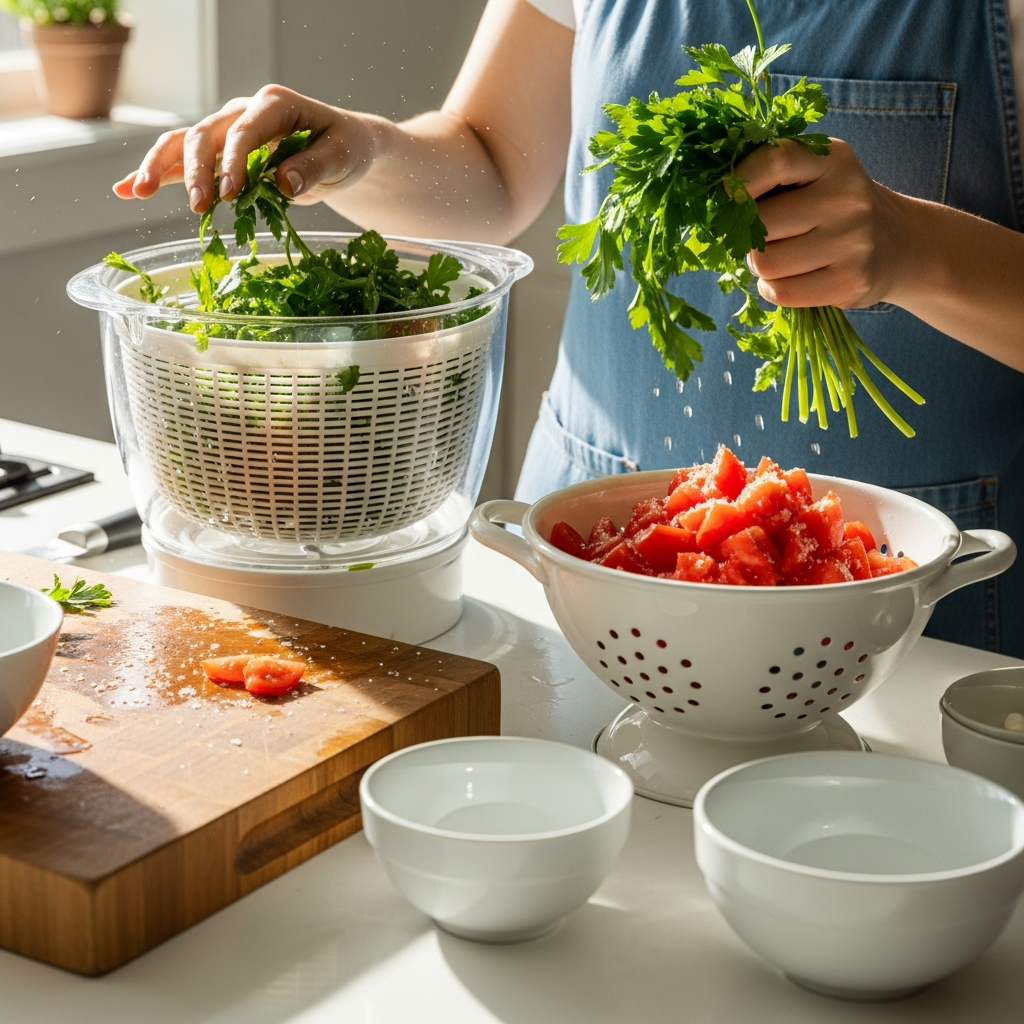
This is the number one complaint. You chop everything carefully, toss with dressing, and minutes later the bottom of the bowl looks like a shallow pool. The culprit is almost always excess moisture released from tomatoes or wet herbs. The fix starts at the sink. Wash parsley and scallions in cold water, then dry them thoroughly. A salad spinner does most of the work, but laying the herbs on a clean towel for a few extra minutes makes a noticeable difference, especially on humid summer days along the Riverwalk.
For tomatoes, the solution is gentle salting and patience. After dicing, sprinkle a small pinch of salt, toss, and let them rest in a colander set over a bowl for ten to fifteen minutes. You will be surprised how much liquid drains off without sacrificing juiciness. When you fold these concentrated tomatoes into the greens, the salad stays crisp and lively rather than weeping at the bottom. This single step solves most sogginess complaints.
Issue: grain dominating the bowl
Sometimes the bulgur creeps from supporting role to main character, and the salad feels heavy. This often happens when the grain is measured after cooking or soaking rather than before, leading to a larger volume than intended. Measure dry bulgur sparingly and hydrate only what you need. Fine bulgur softens quickly with hot water, so it is easy to overshoot. If you do, do not panic—simply increase the parsley and tomato to rebalance, or reserve some of the grain for another use.
Texture matters here, too. If the bulgur is chewy, it fights the herbs. Hydrate or steam it just until tender, then spread it on a plate to cool so it does not clump. The goal is a soft background hum, not a loud beat. When guests in Naperville say, “This tastes so fresh,” what they are noticing is almost always the right proportion and tenderness of the grain against the herbs.
Issue: bitter or muddy flavors
Bitterness can creep in when parsley is bruised by dull knives or overworked on the cutting board. The fix is part equipment, part technique. Use a sharp chef’s knife and make clean, quick cuts, gathering the herbs lightly rather than mashing them. If you taste a muddy note in the finished salad, consider the olive oil as well. A tired or heat-exposed oil can dull the lemon’s brightness. Switching to a fresh, peppery extra-virgin olive oil often restores clarity.
Another source of muddiness is overdressing. Lemon and oil should glisten, not pool. Whisk them together until lightly emulsified, then add gradually, tossing and tasting. You can always add more; you cannot easily take it away. Remember that tomatoes contribute acidity, too, so go easy at first and let the bowl tell you what it needs.
Issue: bland results despite following a recipe
When a bowl tastes flat, the usual fix is balance, not quantity. Many recipes undershoot salt out of caution. Because Taboili includes a large volume of leafy herbs, it can handle a bit more seasoning than you might expect. Salt in layers—on the tomatoes during their brief rest and lightly on the herbs before dressing—so the final seasoning feels integrated. Brightness is the other lever. If the salad reads dull, a squeeze more lemon often wakes it up, but add in small increments and taste after each addition.
Temperature plays a role, too. Cold dulls flavor. If your ingredients come straight from the refrigerator, let the finished salad sit at room temperature for a few minutes before serving. This brief pause puts the aroma back in the foreground, and the dish tastes more dimensional.
Issue: the salad wilts before dinner
Wilt happens when dressing meets fragile greens too far in advance. In Naperville, where family schedules can be unpredictable, timing is key. If you are unsure when you will eat, keep dressing on the side and toss at the last moment. Alternatively, dress only part of the bowl and leave the rest undressed. Parsley is sturdy compared with lettuce, but even it will tire if left soaking for an hour. A last-minute toss yields the lively bite people expect from great Taboili.
Resting can help, but only briefly and only when components are well managed. A five-minute rest after tossing allows flavors to marry without inviting sogginess. Beyond that, the risk of pooling rises. Keep the bowl moving toward the table so everyone meets the salad at its peak.
Issue: kids avoid the green-on-green look
Plenty of families tell me the color wall is the biggest barrier. The fix is gentle acclimation. Start with a version that leans slightly more on tomato and cucumber, then gradually increase parsley as comfort grows. Serve a spoonful beside familiar foods and keep the invitation low-pressure. The goal is positive associations. When kids see adults enjoying the bowl with genuine enthusiasm, curiosity often follows. Over time, the fully herb-forward version becomes normal.
Make-ahead strategies that work
Naperville life runs on preparation, and Taboili rewards a smart prep plan. Wash and dry herbs up to a day ahead, wrap them in a towel, and store in an open bag to breathe. Hydrate bulgur and let it cool so it is loose and ready. Whisk lemon and olive oil in a small jar you can shake just before using. Keep tomatoes diced but undressed until the last leg, salting them only ten to fifteen minutes before assembly to draw excess juice. This staggered approach protects texture and delivers the ease of a five-minute finish when the evening gets busy.
If you must store dressed leftovers, spread them in a shallow container so excess liquid does not swamp the herbs. The next day, a handful of fresh chopped parsley can revive the bowl, along with a tiny squeeze of lemon to restore sparkle. Leftovers will not taste like the moment of assembly, but with care they can still be a bright lunch.
Scaling for gatherings
For block parties and potlucks, errors tend to magnify because of volume. The solution is to keep components separate until you reach the venue. Bring herbs, drained tomatoes, cooled bulgur, and dressing in their own containers. Toss just before serving and reserve a little dressing for a quick refresh if the bowl sits. Hosts around town appreciate how this tactic preserves that springy, just-chopped feel even when the spread stays out through a long afternoon.
When serving buffet-style, mound the salad so it holds shape, and use a slotted spoon if you have one, which discourages guests from scooping excess liquid. It is a small service detail that preserves texture through second and third passes.
Learning from restaurants
Restaurants sharpen technique through repetition, which makes them excellent teachers. Notice how finely the herbs are cut, how tomatoes keep structure, and how lemon tastes present but not overwhelming. Pay attention to proportion: the most memorable bowls lean green and let grain whisper. A quick look at a local favorite’s menu can also reveal pairing ideas that protect balance—for example, setting Taboili alongside warm, savory elements that enhance rather than drown the salad’s brightness.
Frequently asked questions
Q: How do I avoid a watery bottom without losing juiciness? A: Dry herbs thoroughly and salt diced tomatoes briefly to draw excess moisture. Combine just before serving so the dressing clings and the bowl stays crisp.
Q: My bulgur turned out chewy. What went wrong? A: It was likely under-hydrated or cooled in a clump. Soften with hot water until just tender, then spread to cool. Fold in loosely so it disappears into the herbs.
Q: The salad tastes bitter. How do I fix it? A: Use a sharp knife to prevent bruising herbs, and check your olive oil’s freshness. Balance bitterness with a touch more lemon, added gradually while tasting.
Q: Can I prepare Taboili ahead for a work lunch? A: Yes. Keep components separate and combine shortly before eating. If pre-tossed, store shallow and revive with fresh parsley and a light squeeze of lemon.
Q: How do I win over hesitant eaters? A: Start with a tomato-forward version, serve alongside familiar foods, and keep the tone inviting. Gradually shift toward the classic parsley-first profile as comfort grows.
Q: What is the simplest improvement I can make today? A: Chop herbs more finely than you think, dry them well, and add dressing a little at a time while tasting. Those three moves solve most problems.
Bring your best bowl to the table
Great Taboili is not complicated; it is attentive. Dry the greens, respect proportion, and let lemon and olive oil sparkle without drowning the bowl. Do these things and you will serve a salad that feels alive on the plate and generous in the body—perfect for Naperville evenings when you want dinner to refresh without slowing you down. If you would like to see polished versions before you practice, scan a trusted spot’s menu, note the pairings that appeal to you, and bring that inspiration home. With a few smart fixes, your next batch will taste like it belongs on your table all year long.