
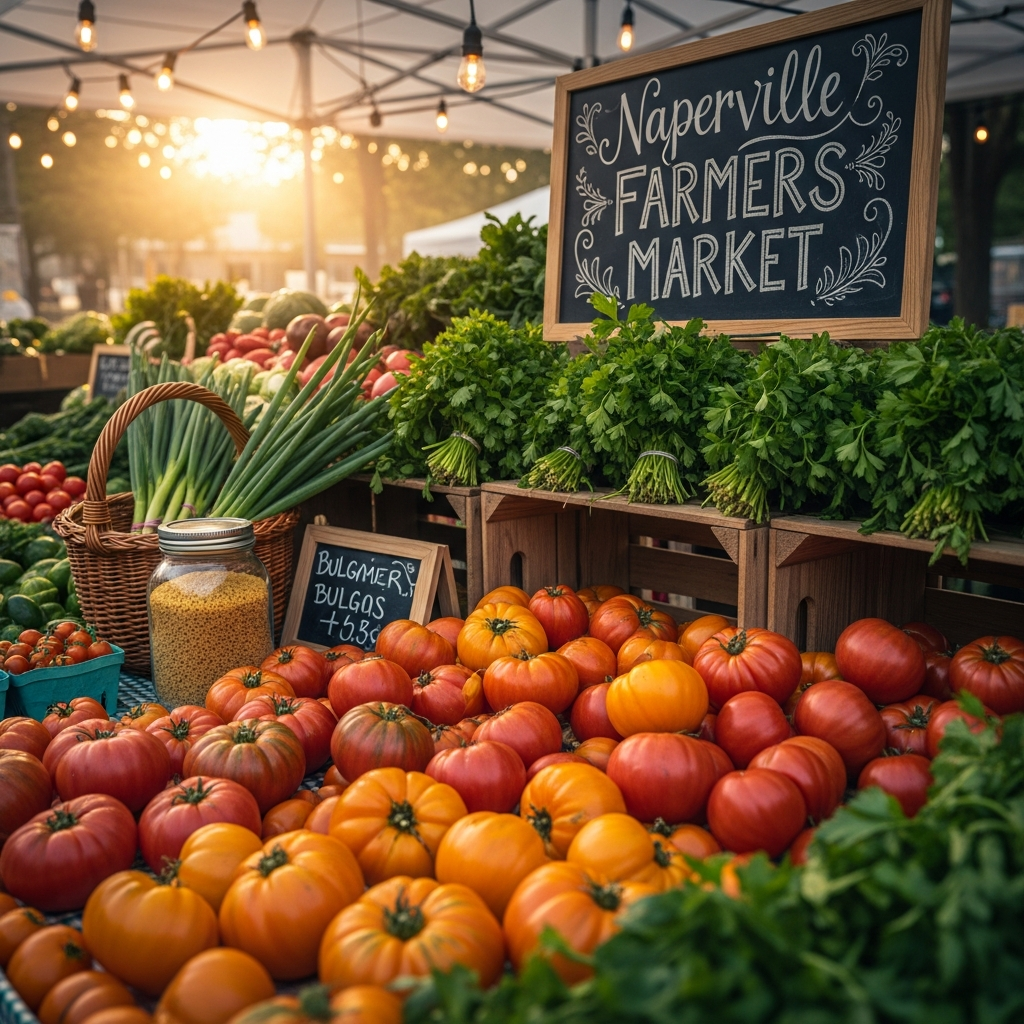
On early Saturday mornings in Naperville, you can feel the city wake as canvas tents go up, crates slide onto tables, and the air fills with the scent of herbs and cut grass. Our farmers markets are more than shopping trips; they are classrooms and community centers where cooks of every level come to learn what the season wants to teach. If there is a dish that listens to these lessons better than most, it is Taboili salad. Built on parsley, tomatoes, scallions, lemon, and olive oil—with a modest whisper of bulgur—it is a canvas that shifts with the calendar while keeping its bright, herb-first character. If you want to see how professionals spin the same palette, a quick glance at a Mediterranean menu can reveal which pairings make the flavors sing in each season.
Cooking in tune with Naperville’s market rhythm is not about rigid rules; it is about noticing details. The first parsley of spring is tender and fragrant, ideal for a delicate chop. High summer tomatoes taste like sunlight and need only a pinch of salt to show off. Early fall brings sturdier greens that hold structure even when finely cut. Winter pushes us toward greenhouse tomatoes, careful selection, and an extra spark of lemon to keep things lively. Through it all, the spirit of Taboili remains the same: green-forward, citrus-bright, and ready to refresh a table whether the evening is hot and lazy or crisp and cozy.
Spring: tenderness and technique
Spring at the market feels like a deep breath after winter. For Taboili, this means leaning into delicate textures and scents. Look for flat-leaf parsley with perky stems and tight, vibrant leaves. When vendors offer both baby and mature bunches, choose the ones that feel feathery to the touch; they will chop into a soft, luxurious pile that drinks up dressing. Scallions are often mild this time of year, which makes them easy company for herb-forward bites. Tomatoes can be greenhouse-grown in spring, so talk with farmers about varieties bred for structure and flavor when cut small.
In your kitchen, spring is practice season for knife work. A fine chop unlocks the salad, and it begins with dry herbs. Wash in cold water, spin thoroughly, then spread on a towel to finish air-drying while you prep other ingredients. Take your time with the knife—quick, confident cuts rather than mashing. You will taste the payoff in a bowl that feels buoyant, not slumped.
Summer: abundance and balance
By early summer, the farmers markets burst with tomatoes that make Taboili unforgettable. Choose fruit that is ripe but still firm enough to dice neatly. I like to ask growers which varieties hold structure; they will point you toward reliable options with balanced acidity. Parsley remains plentiful, and its flavor grows more assertive under stronger sun. That is your cue to season thoughtfully. Salt tomatoes lightly after dicing, let them rest in a colander for ten to fifteen minutes, and then fold them into a mountain of herbs. This step concentrates flavor while keeping the bowl crisp on even the most humid July evening in Naperville.
Balance is the summer mantra. With tomatoes so sweet and juicy, lemon plays a crucial role in restoring brightness. Olive oil should taste present but never heavy. If you include cucumber for extra crunch and hydration, use a small amount and remove seeds so the salad does not dilute. In this season of backyard gatherings, Taboili earns its place as the refreshing anchor that keeps a plate lively next to anything from grilled vegetables to simply cooked fish.
Fall: comfort without weight
Fall has a distinct place in Naperville kitchens. Days shorten, the air cools, and we crave comfort while still wanting to feel light. This is when I nudge Taboili gently toward heartier textures without abandoning its core. A touch more bulgur folded into the herbs adds a cozy note, and a slightly larger glug of olive oil warms the edges of the lemon. Tomatoes shift to later-season or smaller varieties; cherry tomatoes often shine here because they hold shape and sweetness even as fields wind down.
Market conversations change, too. Growers will talk about the last flush of herbs before frost and which bunches to grab for best flavor. Mint, if you enjoy it, can be especially fragrant now and pairs beautifully with parsley without crowding its voice. The result is a bowl that tastes like sweater weather: bright enough to lift the plate, robust enough to feel grounding.
Winter: precision and brightness
Winter in Naperville asks more of the cook but gives back in calm focus. With farmers markets quieter, you will lean on careful selection from grocers and any indoor vendors. Choose tomatoes that are firm and flavorful for their size—on-the-vine or cherry varieties often perform best. Parsley remains available, and because the rest of the plate tends to grow richer in cold months, the salad’s role becomes even more vital. Keep the chop fine, lean on lemon to wake up the bowl, and trust high-quality olive oil for aroma and a sense of generosity.
Storage and timing matter more now. Keep herbs wrapped in a towel within a breathable bag and chop close to assembly. Since homes are drier in winter, the salad can hold its structure well if you dress it shortly before serving. On snow-bright evenings, a vivid Taboili tastes like a promise that spring will return.
Buying tips from market mornings
When you stroll through the stalls, think like a cook and a collaborator. Ask farmers which parsley is most fragrant that week and how they would use it. Inquire about tomato varieties that stand up to dice. These questions signal respect and invite stories about soil and weather that make you a better buyer. Hold bunches of herbs to your nose; fresh parsley smells alive. Look at the stems—they should be perky, not limp. For tomatoes, feel for weight and resilience, selecting fruits that do not collapse under gentle pressure.
Timing your visit helps, too. Early arrivals see the widest selection and the crispest herbs. If you come later and choices narrow, do not worry. Even a single great bunch of parsley can carry the salad if you treat it with care. The market rewards consistency as much as enthusiasm; show up often, learn from vendors, and your Taboili will keep improving.
Technique bridges season and table
No matter the month, a few moves protect Taboili’s identity. Dry herbs thoroughly after washing. Salt diced tomatoes gently and give them a brief rest to shed excess juice. Measure bulgur before hydrating so it stays in the background. Whisk lemon and olive oil until lightly emulsified so the dressing clings rather than pools. Toss just before serving. These steps work in June heat and January quiet alike, translating seasonal bounty into a bowl that always tastes like itself.
For busy Naperville households, component prep is the secret to making seasonal eating doable. On a Sunday, wash and dry herbs, hydrate a small portion of grain, and whisk a jar of dressing. Through the week, you can assemble a fresh bowl in minutes, adjusting the tomato-to-parsley ratio based on what looked irresistible at the market. This rhythm ensures the salad reflects the season without demanding last-minute scrambling.
Pairings that honor the calendar
One of the pleasures of a seasonal Taboili is how it plays with its neighbors on the plate. In spring, serve it next to lightly grilled vegetables to echo the garden. In summer, let it refresh alongside anything that has met the grill. In fall, tuck it between roasted squash and simply cooked beans for a cozy, plant-forward spread. In winter, set it beside warm grains or a cup of soup to keep meals bright without excess weight. The salad is a friendly neighbor; it makes others taste more like themselves.
Restaurants across town model these pairings daily. When you look at a trusted spot’s menu, notice how Taboili anchors a board of dips, or how it sidles up to skewers and roasted vegetables. Borrow those ideas for your own table, scaling them to weeknight energy or weekend leisure. The point is not to chase novelty but to build a small repertoire that carries you comfortably through the seasons.
Frequently asked questions
Q: How do I choose parsley at the market for the best Taboili? A: Look for flat-leaf bunches with bright, perky stems and a vivid scent. Avoid limp or yellowing leaves. Tender spring parsley yields the fluffiest chop; later-season parsley brings more assertive flavor.
Q: What tomatoes work best through the year? A: In high summer, choose ripe but firm slicing tomatoes that hold a clean dice. In cooler months, cherry or on-the-vine tomatoes maintain structure and taste. Always salt lightly and rest to manage moisture.
Q: Can I make Taboili ahead for a picnic? A: Yes, if you keep components separate and toss at the last minute. Dress only what you expect to serve right away to preserve the salad’s lively texture.
Q: How do I adapt Taboili for gluten-free guests? A: Reduce or replace bulgur with a small amount of a gluten-free grain, or simply increase the herbs and tomatoes. The salad’s identity remains green-forward and bright.
Q: What should I do when the market is sparse in winter? A: Choose sturdy tomatoes with good flavor for their size, keep the chop fine, and let lemon and olive oil shine. The bowl will still taste fresh and helpful beside richer seasonal foods.
Q: How can I keep the salad from getting watery on humid days? A: Dry herbs thoroughly and rest salted, diced tomatoes in a colander for ten to fifteen minutes before assembly. Dress near serving time so the greens stay crisp.
Bring the seasons to your plate
Seasonal cooking in Naperville is a pleasure when you have a dependable canvas like Taboili. Let the market guide your hand, honor the salad’s green-first soul, and protect its lively texture with a few simple techniques. Do that and you will have a bowl that tastes right in April, August, and December alike, nourishing body and spirit without ever feeling heavy. If you want a spark of ideas before you chop, browse a neighborhood favorite’s menu, notice how the salad pairs through the year, and then make your own version with what is beautiful at the market this week. Bring home the season, chop with care, and enjoy how naturally good food turns into good habits.