If you have spent time at Naperville block parties, Riverwalk picnics, or casual dinners downtown, you have likely noticed a quiet debate swirling around the tabouli bowl: bulgur or quinoa The conversation is not just about ingredients; it is about identity, accessibility, and how our community adapts heritage dishes with care. As more neighbors explore plant-forward eating and gluten free needs, the local tabouli trend line reflects a thoughtful tug-of-war between classic and contemporary. When you are deciding what to serve or order for your next gathering, scanning a curated keyword can help you imagine how both versions comfortably fit into a larger spread.
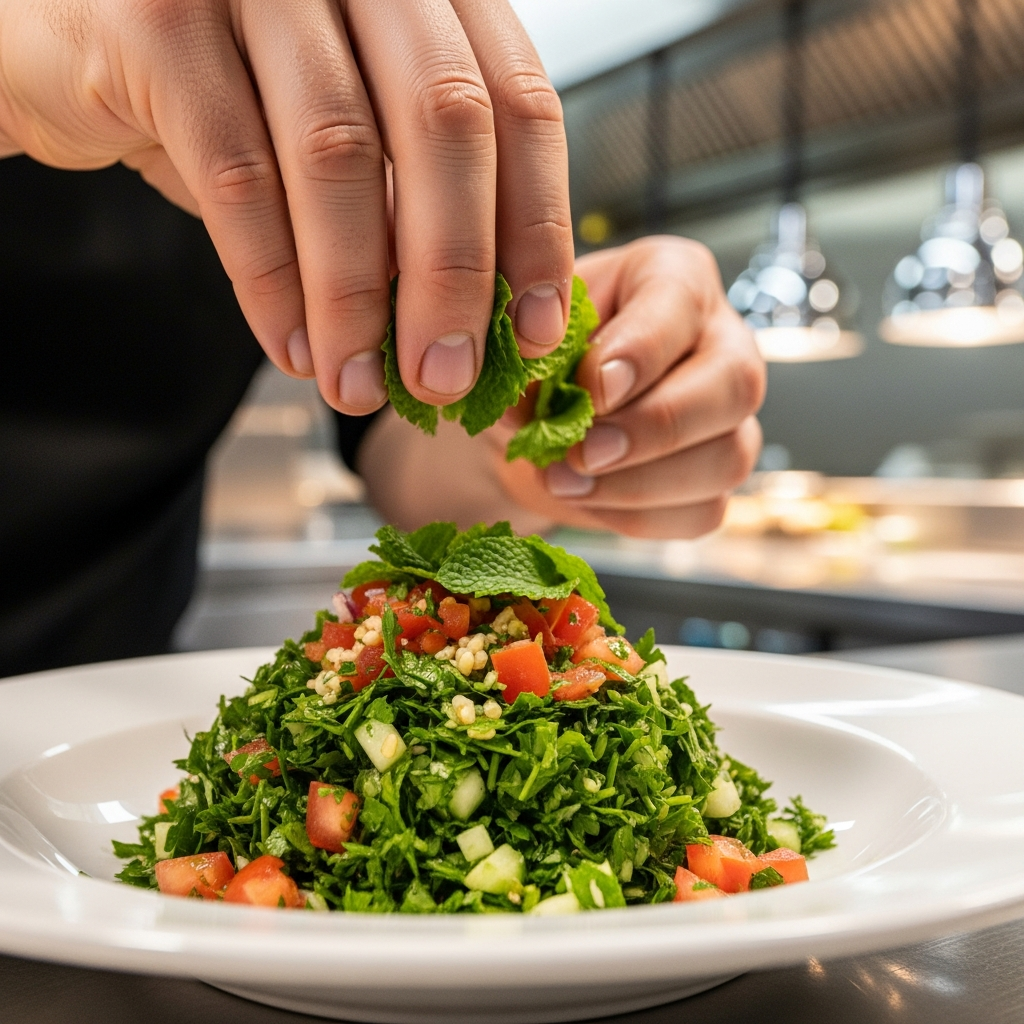
Let’s start with bulgur, the traditional backbone in Lebanese tabouli. Finely ground and quickly softened with lemon and a splash of water, it lends a tender, slightly toasty presence that anchors the herb mountain without weighing it down. Its role is supportive, not dominant, and when the parsley is chopped fine and the tomatoes are diced small and drained, the salad tastes like a breeze through a garden. In Naperville homes where tabouli has long graced family tables, bulgur remains the default because it respects the dish’s origin and texture blueprint.
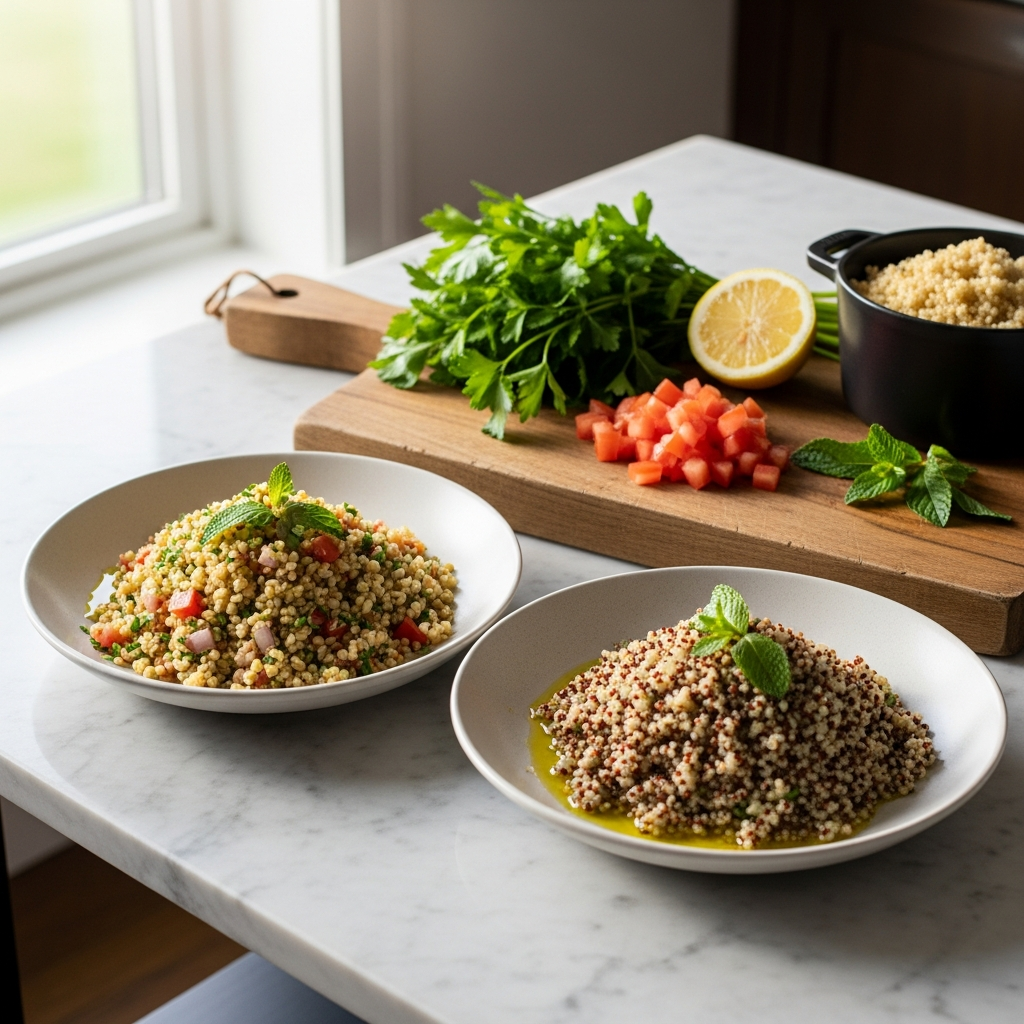
Quinoa, on the other hand, has become a familiar guest in our local kitchens because it makes the salad accessible to gluten free friends while keeping the spirit intact. Properly rinsed, cooked, and cooled, quinoa feels featherlight with a gentle pop that complements parsley. It can absorb seasoning a touch more readily than bulgur, which means a final squeeze of lemon just before serving often lifts the flavors to their brightest. Among college students at North Central and families juggling multiple dietary preferences, quinoa-based tabouli is a practical compromise that sacrifices very little while inviting more people to the table.
Texture is where the two diverge most clearly. Bulgur offers a subtle chew and warm, grainy echo beneath the herbs, while quinoa contributes a delicate snap and a cleaner finish. In blind tastings I have hosted for friends near Knoch Knolls and McDowell Grove, those who favored bulgur often described it as familiar and cohesive, while quinoa fans appreciated how airy the salad felt across a meal. Interestingly, both camps agreed that the ratio should still skew heavily toward parsley in either version; when the herbs lead, the base becomes a background instrument, supporting melody rather than seeking a solo.
Flavor balance shifts slightly as well. Bulgur’s toasty note loves lemon and olive oil in nearly one-to-one harmony, with salt introduced carefully to avoid over-brightening the tomatoes. Quinoa, being more neutral, sometimes invites just a smidge more lemon or a whisper of sumac to reach the same sparkle on the palate. Mint’s cooling effect is equally welcome in both, though it feels slightly more pronounced in quinoa versions. If you are experimenting at home, taste your dressing with a small forkful of parsley and your chosen base before tossing the whole bowl; that tiny step saves guesswork and aligns the final balance with your preference.
Naperville’s trend line is also seasonal. In peak tomato months, bulgur’s warmth and lemon’s brightness combine beautifully with the sweetness of local produce, producing a salad that practically glows. As fall approaches and we lean into heartier meals, quinoa-based tabouli maintains its lift and pairs gracefully with roasted vegetables, making it a natural bridge from summer’s zippy flavors to autumn’s coziness. Year-round, both versions benefit from fine knife work, thoroughly dried parsley, and restraint with the mint so it stays a refreshing accent.
The cultural conversation deserves attention too. Many families maintain bulgur as a nonnegotiable because it is part of the dish’s lineage. Others see quinoa as a respectful adaptation that responds to modern needs without losing the essential identity: parsley-centric, lemon-bright, and finely cut. In practice, Naperville hosts often present both, labeled clearly so guests can choose easily. I have watched plenty of dabblers try quinoa for the first time, surprised by how familiar it tastes when the herb ratio and dressing stay faithful to the classic.
Practically speaking, preparing both versions side by side reveals a few operational differences. Bulgur softens quickly and can risk turning pasty if soaked too long, so a gentle hand and close watch are helpful. Quinoa requires a full cook, thorough rinse, and complete cool-down spread on a tray to release steam. Once cool, quinoa is less forgiving of heavy-handed dressing than you might expect; add lemon and olive oil gradually and allow a short rest before the final taste test. In both cases, a wide bowl prevents compression, keeping the herbs fluffy.
From backyard gatherings in Cress Creek to downtown lunches on Washington, pairing strategies remain consistent. Place tabouli near creamy dips for contrast, offer romaine leaves for lettuce cups, and build a spread where each bite refreshes the one before it. Bulgur-based tabouli sits especially well next to grilled items, while quinoa’s lighter finish can be a weekday lunch star with a simple wrap. The best part is the reliability: neither version demands last-minute fuss once you learn the rhythm of resting, tasting, and serving.
Midway through a party, when folks start trading notes on what they like best, I often encourage a second pass with a new lens. Ask people to think about mouthfeel over a full plate rather than a single forkful. That perspective often softens strong opinions. Bulgur fans may appreciate quinoa’s stamina and brightness across a meal, while quinoa enthusiasts might admire the way bulgur ties the salad together in a comforting, familiar arc. With variety on the table, that kind of exchange turns into a fun, friendly ritual.
As for the future, I expect both versions to remain strong in Naperville, with gentle innovations around the edges. Some cooks will play with a pinch of allspice or a dusting of sumac, others will tuck in a few pomegranate seeds for a festive look, and more hosts will default to offering both bowls as standard practice. The through line will not change: parsley takes the lead, lemon and olive oil conduct, and the base, whether bulgur or quinoa, supports rather than commands. If you are curating a menu for a neighborhood gathering or a weekend picnic and want to see how these choices sit alongside complementary plates, take inspiration from a thoughtful keyword and picture your table as a friendly conversation among dishes.
Frequently Asked Questions
Which base is more authentic for Lebanese tabouli
Bulgur is the traditional choice and remains the default in many Lebanese homes. It offers a warm, subtle grain note that supports the parsley-centric profile. Quinoa is a respectful adaptation that keeps the spirit intact while accommodating gluten free needs.
Does quinoa change the flavor of tabouli dramatically
Quinoa is milder than bulgur, so the primary shift is texture rather than flavor. With the right herb ratio and a bright balance of lemon and olive oil, quinoa-based tabouli tastes very close to classic, just a shade lighter on the palate.
How do I season each version to its best advantage
Bulgur often sings with a near one-to-one balance of lemon and olive oil. Quinoa may appreciate a touch more lemon or a small sprinkle of sumac for lift. In both cases, add salt in stages and taste after a brief rest to judge the true balance.
Which holds up better for picnics or potlucks
Both travel well when built on thoroughly dried parsley and finely diced tomatoes. Quinoa can be slightly more resilient over several hours, while bulgur offers a cozier, cohesive bite. Your choice may depend on what else you are serving and the timing of your event.
What should I pair with each version
Bulgur-based tabouli nestles beautifully next to grilled items and rich mains, while quinoa versions shine with lighter fare and simple wraps. Both love a spot near creamy dips and a stack of romaine leaves for easy lettuce cups.
If you are ready to set out bowls that respect tradition and welcome everyone at the same time, offer both versions with clarity and confidence. For ideas on how to round out your gathering with complementary flavors, skim this versatile keyword, then bring Naperville’s generous spirit to the table one bright, herb-filled bite at a time.