Behind the Counter: How High Standards Become Everyday Habits
Step into a respected halal restaurant in Naperville and you can sense the standards without anyone saying a word. Counters are orderly, aromas are bright rather than heavy, and the line moves with a confidence that only comes from repetition and care. What you are witnessing is a system—one that blends values with craft. For guests, the result is simple: consistent flavor, trustworthy ingredients, and a welcoming experience that does not depend on luck. If you are curious about the mechanics of that reliability, it helps to picture how choices add up across a shift, from the morning marinade to the final wipe-down at close. To see the range of a kitchen’s craft from a guest’s perspective, you can glance at the menu and imagine how those flavors move from prep table to plate with intention.
Naperville’s best halal restaurants do not rely on slogans. They embed standards into routines that are straightforward to train and easy to audit. That is why the same wrap can taste equally satisfying after a late study session at North Central College or a leisurely Sunday in downtown. Systems guard against the variability that can creep in when teams get busy, and they give new hires a clear runway to learn the craft without guesswork. In a town where families and commuters value predictability, that quiet rigor is the difference between a good meal and a memorable one.
Thoughtful Sourcing and Vendor Relationships
High standards start long before a grill is hot. Owners in Naperville invest time in building relationships with suppliers who understand halal requirements and share a commitment to quality. That dialogue covers traceability, humane practices, and consistent specs so the kitchen can plan confidently. When a delivery arrives, trained staff verify temperatures, check labels, and log essentials. It might look routine, but this gatekeeping protects everything that follows. In day-to-day terms, better inputs yield better flavor and texture. It is the reason a marinade sings and a char holds its edge.
Kitchen Layout that Protects Integrity
A hallmark of serious halal operations is intentional layout. Prep areas are separated to prevent cross-contact, and tools are assigned to stations to keep workflows clean. Clear signage and color-coding turn those rules into muscle memory. The outcome is a kitchen that can move quickly without cutting corners. On a busy Saturday, that design is the difference between controlled speed and chaos. You do not see the labels and station maps from the dining room, but you taste the result in every bite that arrives exactly as described.
Training that Turns Standards into Culture
Policies alone do not produce excellence; people do. That is why respected halal restaurants train beyond the checklist. New hires learn not only what to do but why it matters. They practice portioning until their hands know the right weight by feel. They taste sauces side-by-side to understand balance. They rehearse the way they explain choices to a first-time guest. This training builds confidence, which builds consistency. When a team member can calmly answer a question about ingredients or adjust a plate for a spice-sensitive diner, you feel the culture at work.
Marination and Seasoning: Precision in Flavor
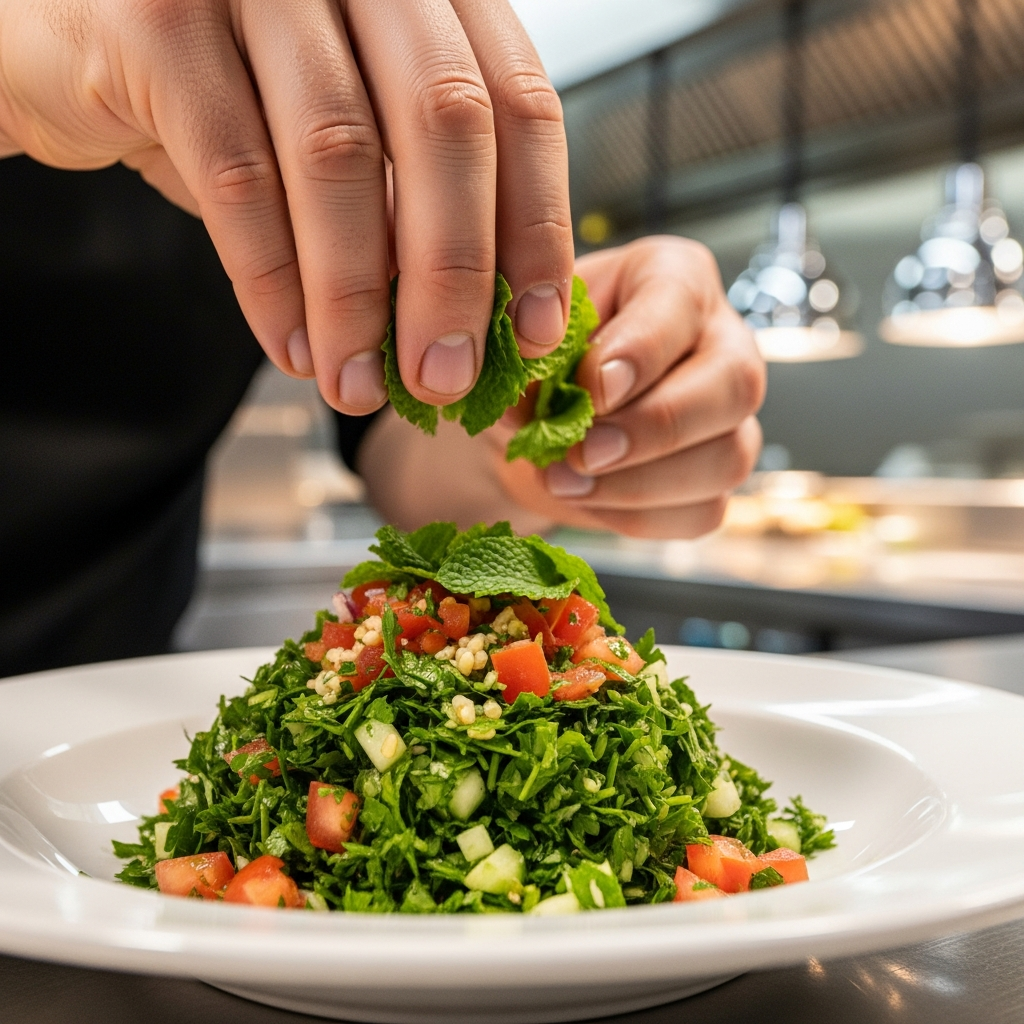
Great halal flavor is not an accident. It is the product of measured marination times, balanced acid and spice, and attention to temperature at the grill. Kitchens keep track of when proteins enter and exit marinades so each batch hits the line at its peak. Cooks monitor grill zones to achieve a sear that locks in juices without creating grease. Finishing touches—herbs, pickles, and citrus—are portioned to keep harmony in each bite. This choreography keeps Tuesday lunch as vibrant as Saturday dinner, which is why regulars return with expectations that are happily met.
Clean Oils and Fresh Components
Another pillar of high standards is ingredient integrity beyond the headline protein. Clean oils are rotated responsibly, vegetables are prepped close to service to retain crispness, and sauces are batched in volumes that protect freshness. Small habits keep quality high: tasting a sauce at the start of a shift, checking herb brightness, and discarding anything that does not meet the mark. You recognize this discipline when a wrap arrives bright and balanced rather than muddled or tired. It is kitchen pride expressed through the details.
Service Flow Designed for Guests
Halal restaurants in Naperville maintain standards not only in the back but also at the counter. Clear signage, friendly guidance, and calm pacing reduce pressure during rushes. Staff are trained to read the line, nudge indecisive diners toward dependable pairings, and catch potential miscommunications about spice or toppings. This attentiveness shrinks error rates and preserves the kitchen’s rhythm. For guests, it translates into a smoother experience that respects both your time and your tastes.
Packaging that Protects Craft
Takeout is part of local life, so packaging is treated as an extension of the kitchen. Containers are chosen to keep crisp elements away from steam, wraps are secured to hold structure on the drive, and bags are packed to prevent tipping. These choices are not afterthoughts; they are quality controls. When you open your meal at a picnic table near the Riverwalk or at home after a long day, the textures feel as the cooks intended. That is standards work you can see and appreciate with the first bite.
Cleaning, Logging, and Accountability
High standards depend on habits that happen when nobody is watching. Stations are cleaned during and after service, temperatures are logged, and checklists are verified. This routine creates a feedback loop that flags issues early and protects consistency for guests. Accountability is not punitive; it is protective. It safeguards the guest experience and the team’s pride. Over time, those small acts keep the reputation of a restaurant strong across seasons, staffing changes, and the ebb and flow of daily traffic.
Listening to Guests as a Quality Tool
Naperville diners are observant and generous with feedback. The best halal restaurants invite that input and treat it as a tool for refinement. If several guests mention a sauce feeling heavier than usual, a quick huddle leads to a recipe check. If a pickup process feels cramped during a seasonal rush, the counter flow is re-mapped. This responsiveness signals a simple truth: standards are living systems. They adapt to protect what matters most—guest trust.
Consistency across Busy and Quiet Days
Great restaurants are measured not by their best night, but by their average day. Maintaining a high baseline across school-year rushes and quiet summer afternoons is the true test. That is why systems matter. When marination times, grill temperatures, and portioning are consistent, guests can visit after a game at Frontier Sports Complex or after a quiet walk near Naper Settlement and feel the same confidence in their plate. Consistency builds loyalty; loyalty sustains standards.
Where Guests Fit In
Standards are a two-way street. Guests help by communicating clearly about allergies, spice tolerance, and preferences. When diners preview options—perhaps skimming the menu before arriving—they set themselves up for quick, smooth decisions at the counter. That cooperation reduces errors, accelerates the line, and lets the kitchen execute at its best. The result is a shared win: a meal that respects your time and amplifies the kitchen’s craft.
Frequently Asked Questions
How do halal restaurants ensure ingredients meet their standards?
They build relationships with vendors who understand halal requirements, verify each delivery, and keep clear records. Staff check temperatures, labels, and specs so the kitchen begins with trusted inputs. That vigilance carries through to prep and cooking, protecting flavor and integrity all the way to your plate.
What training helps teams maintain consistency?
Training blends technique with purpose. New hires practice portioning, taste sauces to learn balance, and rehearse how to guide guests through choices. By understanding why each step matters, team members can execute calmly during rushes and make thoughtful adjustments when needed.
How do kitchens keep takeout quality high?
They choose packaging that supports texture, separate components when necessary, and pack bags to prevent tipping or steam buildup. Guests can help by timing pickup close to departure and opening containers promptly at home. These combined efforts preserve the work that went into each dish.
What role does equipment layout play in standards?
Layout safeguards separation and speed. Dedicated stations, labeled tools, and clear traffic patterns keep workflows clean and efficient. This design allows a team to move quickly at peak without compromising on the details that define halal integrity and flavor.
How can guests set themselves up for a smooth experience?
Share any dietary needs up front, describe your spice comfort in simple terms, and consider previewing the restaurant’s menu to narrow choices. Those steps make ordering faster and give the team the information they need to deliver a plate that feels made just for you.
What is the simplest proof that standards are working?
Consistency you can taste. When a wrap on a busy Friday night has the same bright balance as the one you enjoyed on a quiet Tuesday, you are experiencing systems that hold their shape. That reliability is the hallmark of high standards—and the reason Naperville diners become regulars.