There’s a special satisfaction in making chicken shawarma at home, especially when your inspiration comes from the kitchens of Naperville, Illinois—those bright counters where rotisseries glow and the air hums with garlic and lemon. The goal isn’t to clone any single restaurant; it’s to capture the spirit we enjoy across town: warmth without heaviness, speed without shortcuts, and aromas that nudge everyone toward the table. Before you pull ingredients from the pantry, it helps to picture the destination by glancing at a well-curated shawarma menu. That overview—the way proteins, condiments, and sauces find balance—offers a gentle template for what you’ll build in your own kitchen.
Naperville cooks know how to work within our everyday rhythms. We’re balancing school pickups, evening practices, and impromptu Riverwalk strolls, and yet we still want meals that feel like an occasion. Chicken shawarma answers that call. The marination asks for time, yes, but it asks for it when you’re off doing other things. While the spices mingle with yogurt and lemon, your day can unfold; when you return, the grill pan or oven picks up the baton and brings dinner together in a clean, satisfying arc.
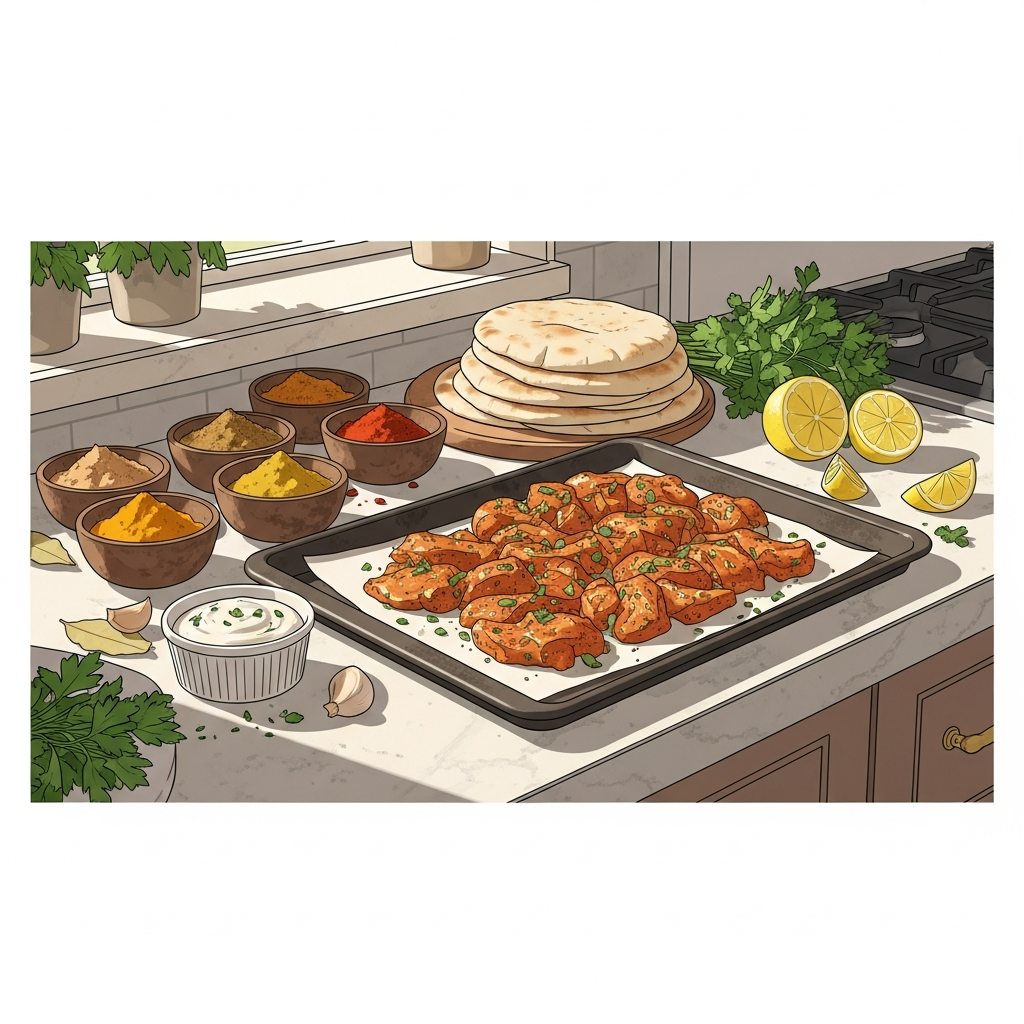
Let’s talk about the heart of it: the marinade. For chicken shawarma, I like to start with yogurt for tenderness and cling, lemon for brightness, and olive oil for a supple sheen. Then comes the chorus of spices—cumin and coriander for earthiness, paprika for warmth and color, turmeric for its golden drift, a whisper of cinnamon for intrigue, and garlic for its cool, assertive push. Salt anchors everything, and black pepper sketches the edges. You whisk it all together until it looks like a sunset you can eat, then you fold the chicken in and let the mixture find its way into every crevice.
Time does the heavy lifting here. A brief marination of a couple of hours works in a pinch, but an overnight rest in the refrigerator lets the acidity and spice truly befriend the chicken. During that time, the proteins relax under the yogurt’s encouragement, and the flavors start feeling like a team rather than a crowd. If your schedule is unpredictable, mix the marinade in the morning; if you like to plan, set it up the night before. Either path ends with a tray of chicken that smells promising even before it hits the heat.
As for cooking methods, Naperville home kitchens rarely feature a vertical spit, but we don’t need one to reach the essence. A hot cast-iron pan develops deep browning on one side while keeping the interior tender. The oven, especially on a sheet pan with space for airflow, roasts the chicken evenly and reliably. If you have an outdoor grill, medium-high heat and a vigilant eye will mimic the faint kiss of smoke you find in restaurants. The common thread is heat management: give the chicken room, resist constant stirring, and let at least one side take on honest color before you flip.
Once cooked, rest the chicken briefly. This pause keeps juices where you want them and makes slicing smoother. Go for thin strips cut on a slight angle, giving you edges that invite a little crispness if you toss them back in a hot pan for a minute. That post-slice sizzle, a quick reunion with heat, wakes up the spices and textures so the first bite doesn’t just taste good—it feels alive.
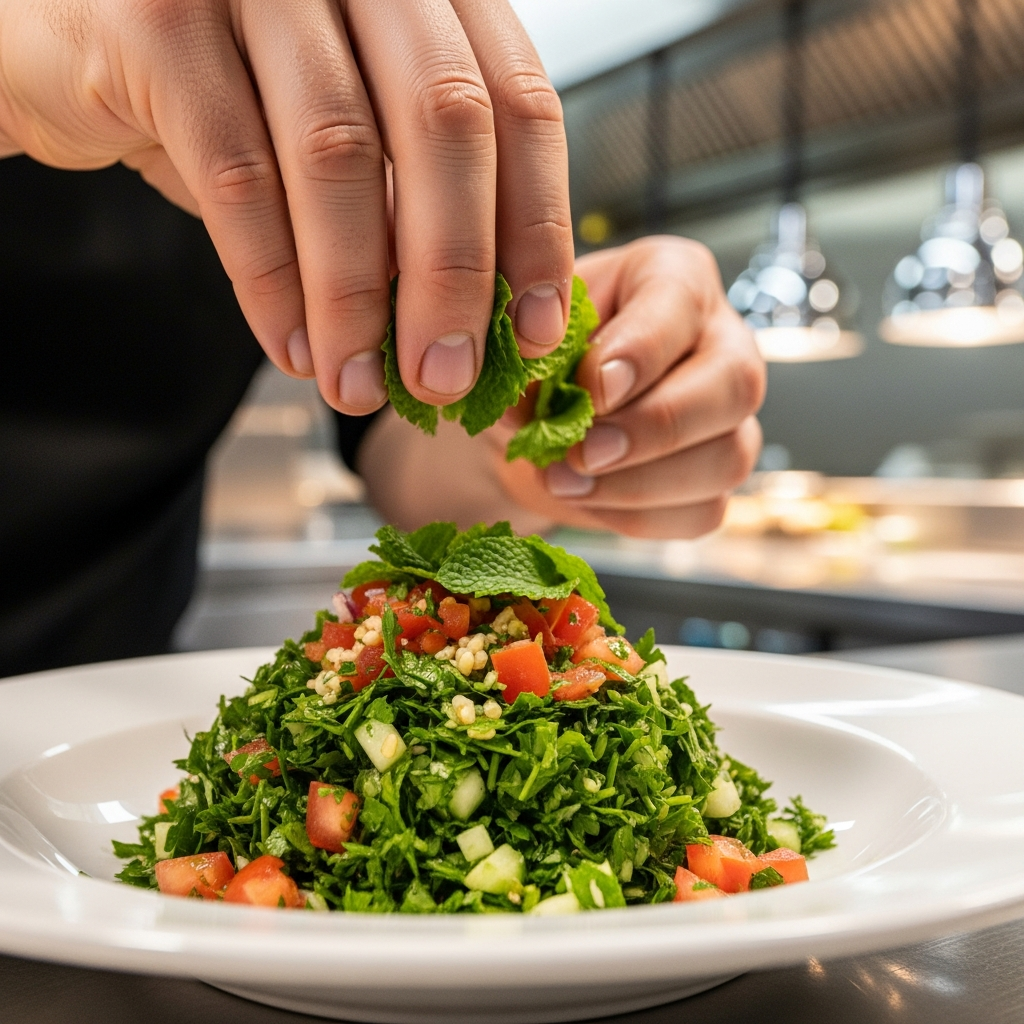
Assembly is where Naperville’s casual charm takes over. You can build wraps for a family brunch, plates for a sit-down dinner, or a spread that invites grazing while everyone tells stories from the day. Warm pita until it’s supple and fragrant. Toss a salad of cucumbers, tomatoes, and parsley with lemon and olive oil just before serving. Have your sauces at the ready: a plush garlic sauce for cool contrast, a balanced tahini for nutty depth. Don’t overcomplicate. Shawarma shines when each component does its job without elbowing the others off the plate.
When you’re filling a wrap, think in layers rather than volume. A swipe of sauce first keeps things cohesive. A bed of salad or pickles brings crunch and acidity. Chicken follows, warm and willing, then a final drizzle of sauce to tie it together. Wrap tightly and let the bread hug the contents, taking care not to overstuff. The goal is a comfortable hold and a bite that delivers a little of everything without forcing your jaw to perform acrobatics.
For a plate, give yourself space to compose. Let rice be fluffy, not packed. Keep salad lively and bright. Place chicken last so its warmth softens the edges of the arrangement without wilting anything that should stay crisp. Pita belongs within reach, ready to assist at every moment. A plate should feel like a conversation among textures: the creamy hush of tahini, the cool lift of garlic sauce, the clean snap of cucumbers, the savory depth of the chicken. When these elements observe their boundaries, your fork finds the right path in every direction.
Leftovers, if you’re lucky enough to have them, deserve a gentle hand. Rewarm chicken in a skillet over medium heat with just a touch of oil, stirring minimally so edges can regain their confidence. Refresh the salad with a squeeze of lemon and a pinch of salt. Warm pita briefly in a dry pan or low oven until it regains its friendly flexibility. With a little care, day two can taste nearly as lively as day one.
Because this recipe is inspired by our town’s kitchens, it’s shaped by Naperville’s routines. On school nights, a plate lands on the table fast because you did the thinking hours earlier. On weekends, a backyard grill becomes your rotisserie stand-in, perfuming the air while neighbors chat over the fence. On a bright afternoon, a wrap travels easily to a bench along the Riverwalk. The flexibility is the point; shawarma meets you wherever you are and makes the moment feel considered.
If you want to deepen the flavor, try a quick finishing trick. As soon as the chicken is sliced, toss it with a squeeze of lemon and a pinch of salt right in the pan, letting the heat bloom the citrus aroma. That tiny adjustment tightens the story, sharpening the edges just enough to make each bite pop. Another small flourish is a sprinkle of chopped parsley at the end, not for decoration but for the fresh, herbal lift it brings to the last few bites.
Do not underestimate the role of pickles. Their crisp acidity acts like punctuation, keeping the narrative lively from first bite to last. Pickled turnips add a rosy tang; cucumbers bring cool crunch. Even a quick batch of red onions tossed with lemon does the trick. Without that spark, a shawarma plate can feel a touch sleepy; with it, you have momentum all the way through.
Midway through your home-cooked adventure, if you’re looking for ideas to expand or refine your spread, revisit a trusted menu and notice how the pros pair components. You’ll see harmony in action: a little heat met by cool sauce, a rich base balanced by fresh herbs, generous portions framed by bright accents. Let those cues inspire your next iteration without turning your table into a mirror of anyone else’s.
While measurements matter, your senses matter more. If the marinade looks pale, add paprika until it blushes. If it smells shy, press another clove of garlic. If the lemon feels timid, nudge it along with a squeeze. Cooking shawarma at home is less about fixed lines and more about finding your own groove, one fragrant batch at a time. Trust what you taste as you go.
Feeding a crowd? Set up a simple assembly station. Keep chicken warm in a covered dish, lay out sauces, stack pita in a clean towel, and surround everything with bowls of herbs and pickles. Guests will shape their own plates, the room will fill with the gentle murmur of appreciation, and you’ll have time to enjoy the meal instead of standing guard at the stove. That’s the Naperville way: shared, relaxed, and quietly polished.
If you’d like a lighter variation, double down on vegetables. Roast cauliflower alongside the chicken so you can offer a second savory option on the platter. Lean into a lemony salad with extra cucumbers and parsley for brightness. Shawarma is a flexible idea, not a rigid script; it invites you to personalize without losing the essence.
Finally, think about the last bite. Great meals plan for it. Leave just enough sauce to finish, save a particularly well-charred piece of chicken for the final flourish, make sure a crisp pickle is waiting. When the last bite sings, the whole meal echoes more brightly in memory. That detail is what turns a good dinner into a keeper you’ll return to next week and beyond.
Frequently Asked Questions
Can I make shawarma without yogurt in the marinade?
Yes. While yogurt adds tenderness and helps spices cling, you can substitute with a blend of olive oil and lemon, or a non-dairy yogurt if you prefer. The key is balancing acidity and fat so the chicken stays juicy and carries flavor well.
What cut of chicken works best?
Boneless, skinless thighs are forgiving and flavorful, staying tender even with high heat. If you prefer leaner meat, breasts work too—just watch the cook time closely and consider slicing thinner to prevent dryness.
How long should I marinate?
Two hours will get you started, but overnight is ideal. The extended time lets aromatics fully settle in, giving you deeper flavor and better texture. If you’re in a hurry, even 45 minutes can make a difference—just boost the spice slightly to compensate.
What’s the best way to reheat leftovers?
A quick toss in a hot skillet is your friend. Avoid the microwave if possible, as it can sap the edges of their crispness. A minute or two over medium heat revives the chicken beautifully without drying it out.
How do I keep pita from tearing?
Warm it gently before filling so it becomes supple and elastic. Don’t overstuff the wrap, and layer sauces strategically so moisture doesn’t pool in one spot. A brief rest after wrapping can also help the bread settle and hold.
Can I cook the chicken on an outdoor grill?
Absolutely. Aim for medium-high heat, oil the grates well, and avoid constant flipping. Let one side take on real color before turning. Rest the chicken afterward, then slice thin and, if desired, give it a brief sizzle in a pan to mimic rotisserie edges.
How do I balance sauces and pickles?
Think of sauces as the foundation and pickles as highlights. Start with a modest amount of sauce so each bite is cohesive, then add pickles to brighten and punctuate. Too much of either can drown the other; balance makes the plate sing.
Ready to cook like a Naperville pro?
Trust your instincts, give the marinade time to work, and keep assembly simple. When you’re planning your next dinner, browse a local Naperville shawarma menu for pairing ideas, gather your favorites, and enjoy the first warm, fragrant bite that brings everyone to the table.