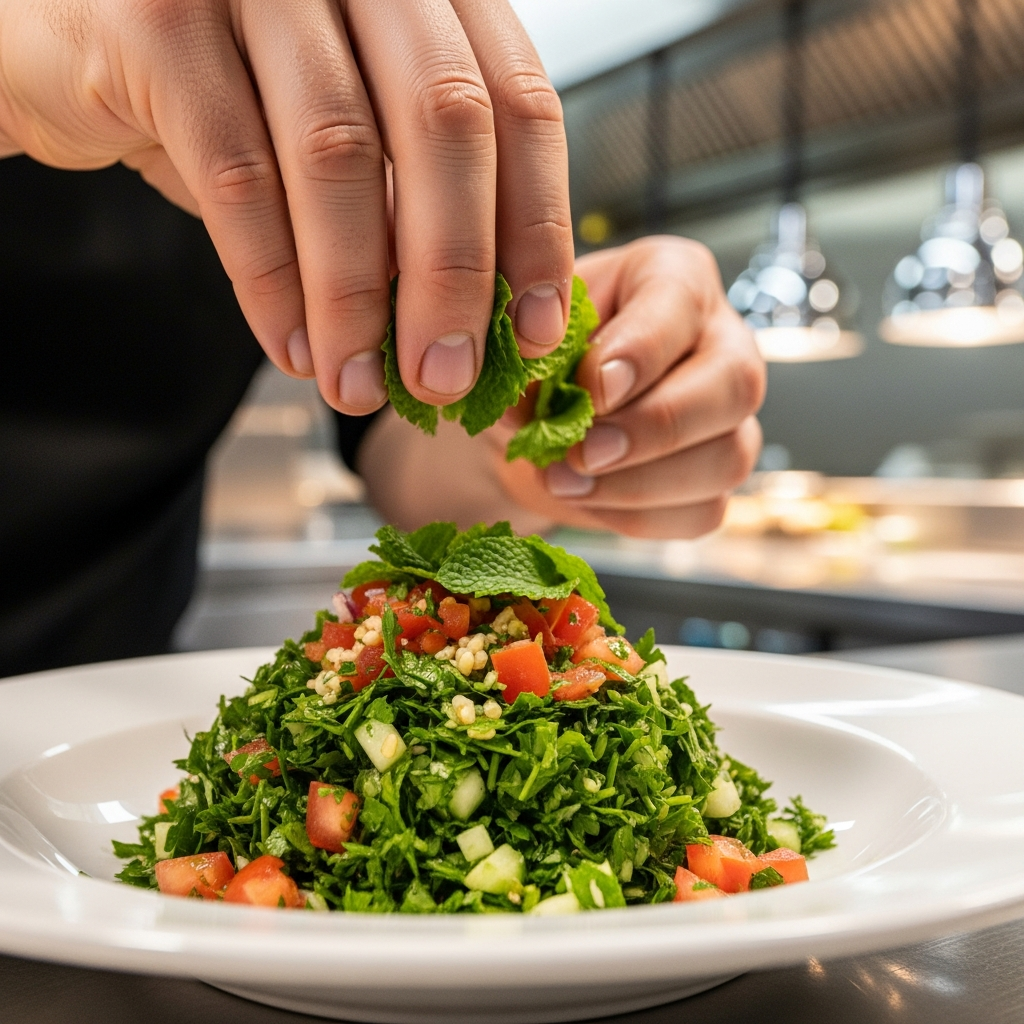
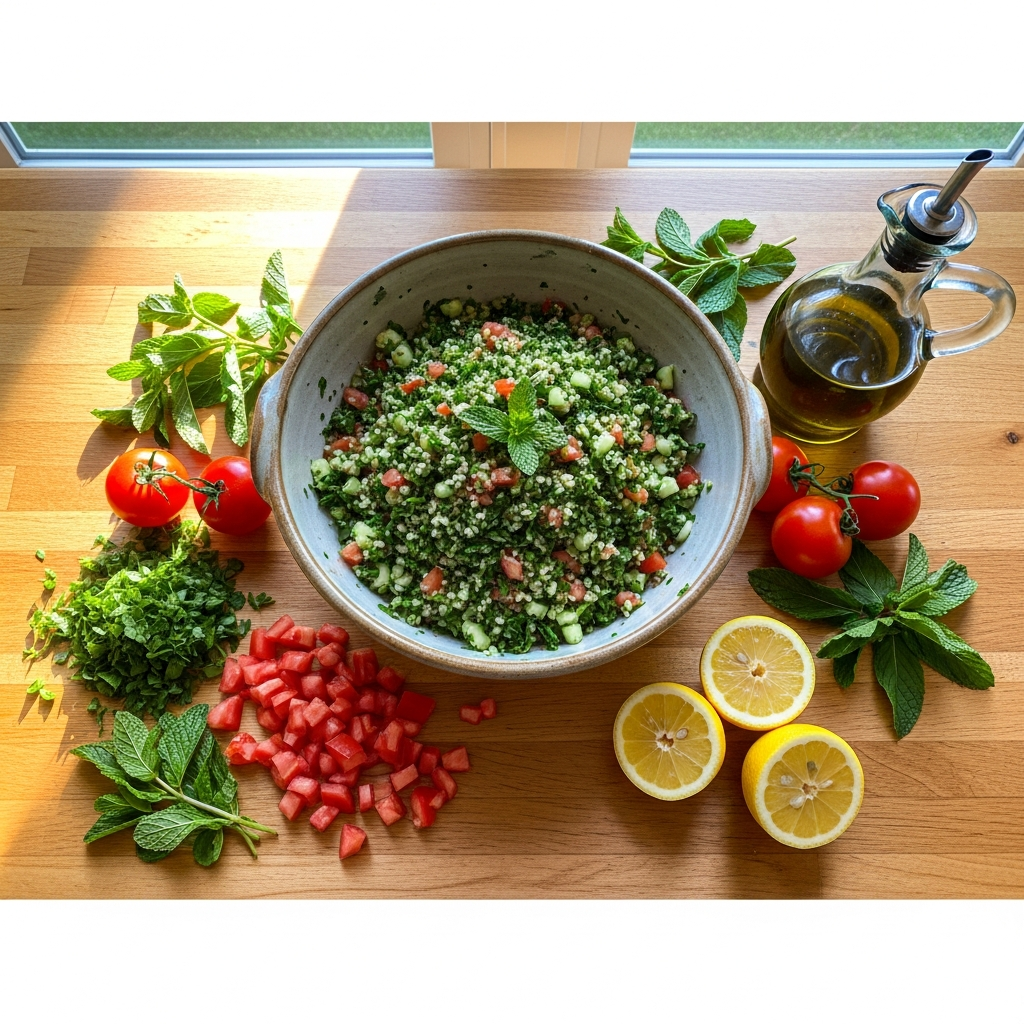
When you live in Naperville, you learn to cook with the seasons and to share generously, whether it is a backyard get-together off 95th Street, a picnic near the Riverwalk, or a casual potluck with neighbors after a Saturday morning soccer game at Frontier Sports Complex. That is exactly why a bowl of easy homemade Taboili—sometimes spelled tabbouleh or tabouli—feels so at home here. It is bright, fast to assemble, and surprisingly flexible with whatever our markets offer, from bunches of tight, fragrant parsley to late-summer tomatoes that taste like sunshine. Before you dive into chopping, it can be inspiring to glance at a trusted Mediterranean menu and imagine the simple flavors you want to echo right at your own kitchen counter.
In Naperville kitchens, convenience and freshness go hand in hand. Locals often swing by the weekend farmers market near 5th Avenue Station, returning with herbs that still wear a trace of morning dew. Taboili is the perfect canvas for such finds. At its heart are fine bulgur wheat, parsley, mint, tomatoes, scallions, lemon, olive oil, and salt. The preparation is friendly to busy schedules: while the bulgur gently softens, you can do all the chopping—no oven heating up the house, no complicated steps. The result is a salad that tastes like you took your time, even if you threw it together between errands along Route 59.
One of the reasons this dish belongs in Naperville’s culinary rhythm is its dependable versatility. You can serve it as a side with grilled skewers on a small patio off Bailey Road, tuck it into a wrap for lunch at your desk near the I-88 corridor, or spoon it over leafy greens when you want a crisp, satisfying dinner without fuss. Even better, the more you make Taboili, the more your hands learn the motions: the quick, almost musical rocking of the knife through parsley, the squeeze of lemon between fingers, the flick of salt that brings the whole bowl to life.
A Naperville-Friendly Pantry and Produce Strategy
Think of Taboili as a simple promise: if the herbs are fresh and the dressing is bright, you will eat well. That is why Naperville cooks keep an eye on parsley in particular. Choose bunches that look dense and sprightly, not droopy. Pluck a leaf and rub it; if you smell the green, peppery perfume, you are already on the right track. For tomatoes, we are lucky from late July into September when local growers sell varieties that do not need much help—just a good chop and a pinch of salt to coax out their juices. Even when tomatoes are off-season, sweet cherry varieties from our groceries along Ogden Avenue can stand in without sacrificing flavor.
As for bulgur, fine or extra-fine textures work best for that classic, fluffy finish. Many Naperville cooks skip simmering entirely. Rinsing the bulgur and letting it soak in lemony dressing allows each grain to soften while absorbing flavor. If you prefer a slightly tender bite, a brief pour-over of hot water and a rest beneath a plate will do. The key is to avoid waterlogging; the salad should be lively and light, not soggy. Mint is optional but recommended. A few tender leaves, chiffonaded into green ribbons, transform the bowl from good to refreshing.
Knife Skills and Ratios that Work at Home
The texture of Taboili is a quiet art. Parsley is not just chopped; it is finely minced. In a Naperville kitchen, that means using a large, sharp chef’s knife and tucking your fingertips under in a gentle claw. Sweep the herbs into a mound, rock the blade through them, and repeat until you see a confetti of green. Aim for a ratio that favors parsley. That is what gives Taboili its characteristic herbal backbone, while bulgur plays a supporting role. The lemon and olive oil should feel generous but not greasy, with salt calibrating everything. If your tomatoes are especially juicy, you can salt them first in a small bowl, let them shed some liquid, and then fold them in, capturing the tomato essence without thinning the dressing too much.
When I teach this dish to neighbors who live near Knoch Knolls, I remind them to season in stages. Start with a confident squeeze of lemon and a pour of olive oil over the bulgur, add a modest pinch of salt, then fold in the herbs and tomatoes. Taste, pause, and adjust. Another squeeze of lemon might be perfect on a humid summer day by Centennial Beach, while a slightly saltier hand makes sense in the cooler months when tomatoes are less intense. Listening to your ingredients is the safest route to balance.
Flavor Tweaks for Naperville’s Seasons
Our Midwest weather gives you permission to adapt. In spring, when herbs are tender and flavors feel clean, keep the salad classic and bright. In summer, when produce is abundant, double down on tomatoes and mint. In fall, Taboili plays beautifully with roasted vegetables on the side; think of sweet butternut squash or charred carrots adding warmth to your table in homes near Naper Boulevard. In winter, when you want heft, you can fold in finely diced cucumber or even a spoonful of cooked, chilled lentils for protein, while staying true to the spirit of the salad. The point is not to stray far, but to let the bowl mirror what Naperville offers at different times of year.
Hosting often shapes how much you make and how you serve it. For a riverside picnic, pack the components in separate containers—the herby base in one, tomatoes in another, dressing in a small jar—and assemble right before eating. That trick keeps everything crisp. For weeknights, prepare a larger batch on Sunday afternoon, then refresh with lemon and herbs on Tuesday or Wednesday. The salad improves as the flavors mingle, but parsley appreciates a little lift midweek.
Serving Ideas that Fit a Naperville Table
Because Taboili is so adaptable, it sidles up well to almost any main course you might cook in a suburban kitchen, from quick pan-seared fish to a platter of grilled chicken thighs. It also holds its own at neighborhood potlucks after youth games at Commissioners Park. Spoon it into butter lettuce leaves for a handheld bite, or whisk up a garlicky yogurt to dollop alongside. If you are building a shareable spread—perhaps for friends visiting from downtown Chicago—let Taboili be the bright, cooling pillar among bolder flavors. Place it next to olives, hummus, and warm pita for a board that feels welcoming without being fussy.
For inspiration when you are planning a spread, a quick look at a well-curated Mediterranean menu can help you map out complementary flavors. Think citrus, herbs, and clean textures. This mindset steers you away from heavy sauces and toward well-seasoned, well-balanced plates that keep guests hovering by the bowl until it is empty. It is surprising how many people taste truly fresh Taboili for the first time and say, I did not know it could taste like this. That moment often makes a cook’s week.
Time-Saving Tips for Busy Naperville Schedules
Weeknights along 75th Street move fast, and the last thing you want is a complicated recipe. Keep your parsley refrigerated in a damp towel so it stays perky; wash it when you bring it home, spin it dry, and wrap it. Pre-chop scallions and store them in an airtight container. Stock your pantry with fine bulgur, good olive oil, and lemons. With those foundations ready, you can assemble a fresh bowl in under twenty minutes. If you are entertaining, mince the herbs earlier in the day and store them covered with a paper towel to wick away moisture, then dress the salad right before guests arrive. The result will taste as if you labored, even when you did not.
Texture is also about knife size. Tomatoes chopped too big spill juices that disrupt balance, while an ultra-fine dice melds sweetly with the herbs. Bulgur fluffs up best when left to hydrate in seasoned liquid rather than plain water; that is a simple move that yields rich depth. If you like a more lemon-forward profile, try zesting half a lemon into the dressing. It perfumes the bowl without overpowering the herbs.
Entertaining, Pairings, and Leftovers
Naperville cooks are generous hosts, and Taboili happily steps into that role. Pair it with grilled skewers, roasted eggplant, or simple baked salmon. If you are pouring drinks for a weekend patio dinner near South Pointe, choose crisp, citrusy options that echo the salad’s brightness. For nonalcoholic pairings, sparkling water with lemon and mint underscores the same refreshing notes. The leftovers keep well for a couple of days; the parsley will soften, but the flavors remain uplifting. To revive day-two salad, add a small handful of freshly chopped parsley, another thread of olive oil, and a few drops of lemon juice. Toss and taste—there it is again, the spark you wanted.
Because Taboili is so light, it is also a thoughtful option when you are cooking for a range of diets. It is vegetarian, usually vegan, and can be made gluten-free by using quinoa in place of bulgur. If you go the quinoa route, cook it until fluffy, then cool completely before mixing in. Season a bit more assertively, as quinoa can be blander than bulgur. Either way, the magic returns to the same place: herbs, acid, salt, and a touch of richness from olive oil. Simplicity supports your best cooking instincts.
Rooted in Tradition, Made for Naperville
Taboili traces its roots to the Levant, where cooks learned long ago how to turn parsley, mint, and grain into a dish that tastes like a garden in a bowl. That lineage matters because it reminds us to respect proportion and freshness. Even as we adapt the salad to our Midwestern routines, the most satisfying bowls honor that abundant herb base. When you get that right, the rest falls into place. Here in Naperville, where neighbors care about good food and gracious hospitality, those values feel familiar. They are why you can set down a simple bowl of Taboili among richer dishes and watch it disappear first.
Every household finds its own signature. Some favor extra mint; others sneak in a minced clove of garlic. A few swear by a pinch of allspice, especially in colder months. You will discover your preferences by tasting attentively. Keep a small spoon by the mixing bowl and check the flavor as you go. You are not just following directions; you are shaping something that tastes like home. When a friend texts the next day asking for your recipe, you will know you have found your Naperville version.
Frequently Asked Questions
How fine should I chop the parsley for Taboili? Aim for a very fine mince. The goal is a soft, almost feathery texture, so the parsley integrates with bulgur and tomatoes rather than forming leafy clumps.
Do I need to cook the bulgur? For fine bulgur, no. Rinsing and soaking it in lemon-and-olive-oil dressing will soften it while infusing flavor. If you prefer a slightly tender bite, briefly soak it in hot water, then drain well.
Can I make Taboili a day ahead? Yes. Prepare it earlier in the day or the night before, then freshen with more parsley and lemon before serving. Keep tomatoes separate if you want maximum crispness.
What if my tomatoes are out of season? Choose cherry or grape tomatoes for sweeter flavor and better texture. You can also add a touch more lemon and salt to keep the salad lively.
Is there a gluten-free version? Substitute cooked, cooled quinoa for bulgur. Season a bit more assertively and maintain the parsley-forward ratio for authenticity in spirit.
How do I keep leftovers from getting soggy? Dress lightly at first, add tomatoes just before serving, and store any leftovers in a shallow container. Refresh with herbs and lemon the next day.
Bring Bright, Fresh Flavor to Your Naperville Table
If this has you picturing a generous bowl set out on your patio while the evening breeze drifts in from the DuPage River, you are exactly where you should be. Gather parsley, lemons, and tomatoes, trust your hands, and build a salad that tastes like our town’s best qualities—fresh, welcoming, and vibrant. And if you want a spark of Mediterranean inspiration before you start chopping, take a quick peek at this menu, then come back to your cutting board and make the dish your own.