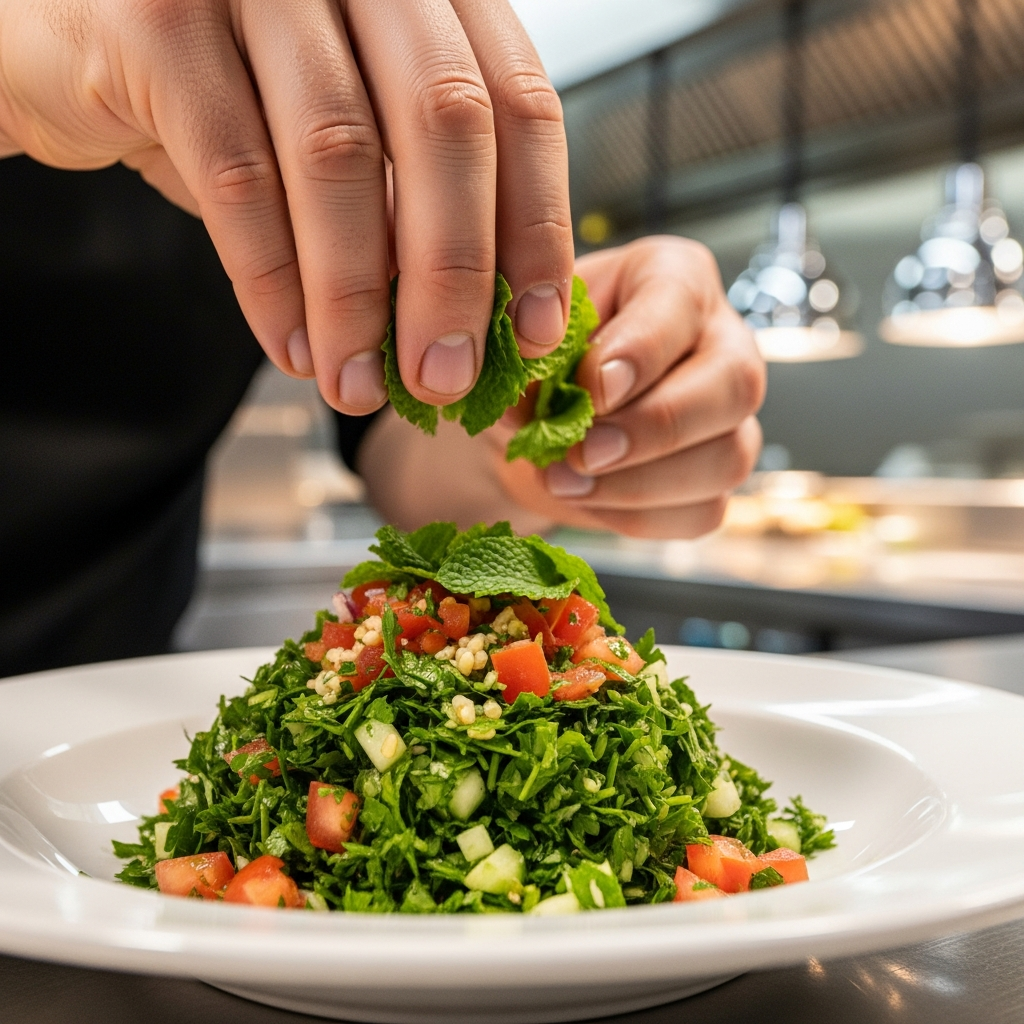
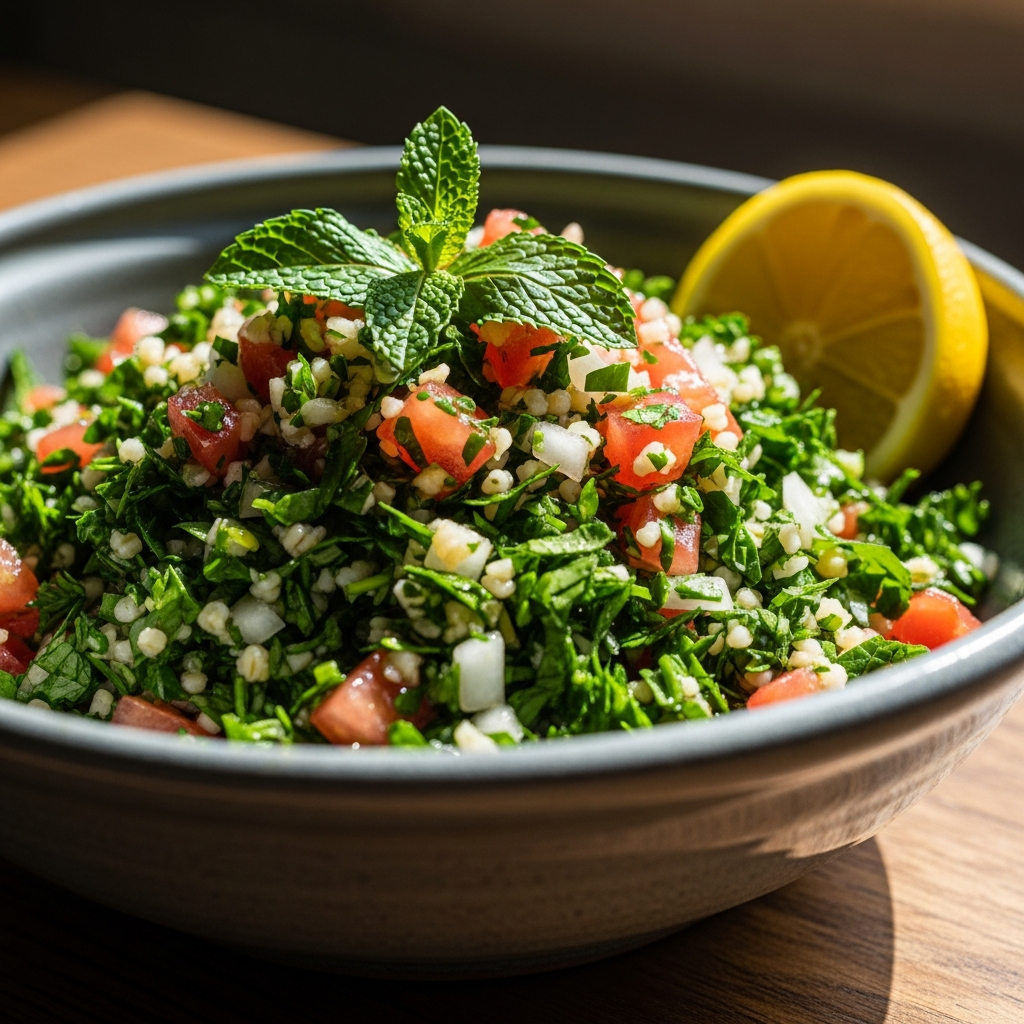
Authenticity in food is not about replicating a restaurant plate; it is about honoring the spirit of a dish that has carried families through generations. In Naperville, where neighbors trade recipes as easily as they swap recommendations for the Riverwalk on a sunny weekend, making an authentic Lebanese Taboili—often spelled tabbouleh or tabouli—feels less like a culinary project and more like joining a conversation that started long before us. The proportions, the knife work, the confidence with lemon and salt: each detail works together to create a salad that is as alive as a summer afternoon along Jackson Avenue. If you want a reference point before you start chopping, a quick glance at a Mediterranean menu can help fix the flavor map in your mind, so you know where you are headed even as you cook with intuition.
At its heart, Lebanese Taboili is a parsley salad, not a bulgur salad. The herbs lead, the grain follows. That single rule straightens the rest of the path. The bowl should look like confetti—green, buoyant, and flecked with tomatoes—rather than a mound of wheat. This matters in Naperville as much as it does in Beirut because the joy of the salad lives in its freshness. Once you know what to look for, you will recognize it every time: the aroma of chopped parsley carried by lemon, the cool lift of mint, and the clean snap of scallions, all flickering around fine grains of softened bulgur.
The Parsley Standard
Parsley is not a garnish here. It is the body of the salad and the keeper of its spirit. Authentic bowls rely on a fine, even mince that feels almost feathery between your teeth. In practical Naperville terms, that means choosing tight, perky bunches from a weekend farmers market or a grocer along Ogden Avenue, washing and drying thoroughly, then chopping with a sharp knife in steady, patient strokes. If you rush, you bruise the herb, and the salad dulls before it reaches the table. Take your time. It is not fussy—just respectful.
A Lebanese grandmother might remind you that parsley is both technique and proportion. If your bowl is green first, you are halfway home. Mint, used sparingly, amplifies the freshness. A handful of tender leaves stacked, rolled, and cut into fine ribbons can make an ordinary batch sing. Scallions offer a lift that onion cannot match, their mild bite accenting the lemon rather than sparring with it.
The Bulgur Question
There is a reason many Lebanese cooks reach for extra-fine bulgur. Its small size softens quickly and integrates without turning the salad heavy. In a Naperville kitchen, that translates to rinsing the bulgur, then letting it absorb lemon juice and olive oil rather than water. Some cooks warm the liquid slightly to speed hydration, but it is not necessary. The point is to build flavor into the grain from the start, so each bite reads as one clear message: green, bright, and alive.
When you taste for balance, remember that bulgur is there to add texture, not dominance. If you add too much, you will hear it in the way your fork moves through the bowl; it will sound muffled, the way a thick coat muffles winter sounds near Naper Boulevard after a snow. If it is just right, the fork sounds whispery and upbeat as it lifts herbs light as air.
Tomatoes, Lemon, and Olive Oil
Authentic Taboili treats tomatoes with affection and care. In Naperville’s summer, when local farms bring handsome fruits to 5th Avenue Station markets, dice them small. Salt them separately for a few minutes to draw out excess water, then fold them into the salad so they sweeten and brighten without washing out the dressing. In colder months, lean on cherry tomatoes for better flavor. The dressing is straightforward: lemon juice, extra-virgin olive oil, and salt. The magic lives in the ratio. Start with more lemon than you think you need, and let the bulgur sip it while you chop. Olive oil should coat without pooling, lending richness that carries the citrus rather than competing with it.
Salt teaches the herbs to sing. Add it in small pinches, stirring and tasting as you go. It should lift the lemon and make the parsley feel cooler on the tongue, not shout over your ingredients. When Naperville air turns humid in July, you might find yourself craving a bit more lemon; when the breeze turns crisp in October, a touch more oil can round the edges. Season for the day you are in.
Knife Work as a Form of Respect
Authenticity is a thousand small choices. The most important is how you cut your ingredients. A careful mince of parsley prevents watery greens and sharp stems. Straight, even strokes give you control and preserve texture. Mint, cut in fine ribbons at the end so it stays bright, acts like a finishing note. Scallions, sliced thinly and folded in, distribute their pop evenly through the bowl. These are not rules so much as the craft that keeps the salad alive for hours on a Naperville table without wilting into a memory of itself.
Consider the order of operations as choreography. Let the bulgur meet the lemon and oil first and rest while you chop. Add the parsley next, tossing to distribute the dressing so that the greens drink rather than drown. Tomatoes and scallions come in near the end, joined by mint just before serving. In that sequence you can almost hear the salad practicing its lines before it steps on stage.
Serving in a Naperville Context
When you serve authentic Lebanese Taboili in a home off 75th Street or during a picnic by the Riverwalk, it slots in naturally alongside grilled meats, roasted vegetables, and fresh breads. It is a generous host: light enough to refresh and confident enough to stand out. If you are feeding a mixed crowd—vegetarians and omnivores, curious little eaters and skeptical uncles—the salad brings them back to the table together. For potlucks after youth games near Commissioners Park, I often bring a wide, shallow bowl. The surface area keeps the herbs fluffed and prevents crowding, which can bruise the greens and dull flavor.
Temperature matters as much as taste. Serve the salad cool, not icy. If it is too cold, the lemon retreats and the oil stiffens. Ten minutes on the counter is enough to wake everything up, especially on a breezy day that smells like the DuPage River after a light rain. The goal is a bright, supple bite that feels like an invitation to another forkful.
Finding Authenticity Beyond a Name
In Naperville, it is easy to get distracted by signage and menu phrasing. But authenticity shows up in your senses more than in the words. A bowl that looks vivid, smells clean, and tastes balanced is authentically itself, even if the recipe card omits the word “Lebanese.” That is a useful mindset whether you are cooking at home or dining out. When you look closely at the cut of the herbs and the way the dressing nestles among them, you can tell immediately whether the kitchen understands the heart of the dish.
If you enjoy framing your own home efforts with a mental reference, exploring a thoughtful Mediterranean menu can remind you how this salad supports a whole table: it brightens rich meats, tames spices, and refreshes the palate between bites. That larger picture helps when you are planning a spread for a family birthday or a casual evening with neighbors under string lights in your backyard.
Small Adjustments, Big Impact
Authenticity does not mean inflexibility. Climate, produce, and personal taste all have a say. If your parsley is extra tender in May, you might use a lighter hand with the knife. If tomatoes are particularly juicy in August, salting and draining them becomes essential. If your lemons feel mild, a bit of zest adds insurance. When you repeat the dish through Naperville’s seasons, your hands learn to steer. Those micro-adjustments are not departures from the Lebanese core; they are the practice that keeps it alive.
Leftovers respond well to gentle revival. Add a handful of freshly chopped parsley and a squeeze of lemon on day two, and the bowl wakes up like a window opened to morning air. If you cook for a crowd and need to scale up, keep the ratio constant—parsley first, then the rest—and mix in stages. Large batches benefit from tossing in a wide vessel rather than a deep bowl; space protects texture.
Frequently Asked Questions
What defines an authentic Lebanese Taboili? A parsley-led ratio, a fine mince, fine bulgur used sparingly, and a lemon-forward dressing balanced with olive oil and salt. The salad should taste bright and alive.
Do I need mint? A small amount of fresh mint is traditional and elevates the freshness, but it should never overpower the parsley. Think of it as a finishing accent.
How small should I cut the tomatoes? Dice them finely and salt them briefly to release excess water. This keeps the salad lively rather than soggy.
Can I make it gluten-free and still be close to authentic? While bulgur is traditional, you can substitute quinoa and keep the spirit by maintaining a parsley-forward ratio and a lemon-bright profile.
How long can it sit before serving? A short rest—fifteen to thirty minutes—lets flavors integrate. Keep it cool, then give it a final toss and taste right before it reaches the table.
Why is my Taboili bitter? Parsley can turn bitter if overworked or not dried well. Use a sharp knife, dry herbs thoroughly, and season with enough lemon and salt to keep flavors in harmony.
Bring Authentic Brightness Home
If you are ready to let a heritage salad brighten your Naperville table, gather the freshest parsley you can find, sharpen your knife, and trust your senses. Authenticity rewards attention, not complication. And if you want a quick spark of Mediterranean context before you dance your knife through those herbs, browse a classic menu, then return to your cutting board ready to make a bowl that tastes like both tradition and home.