
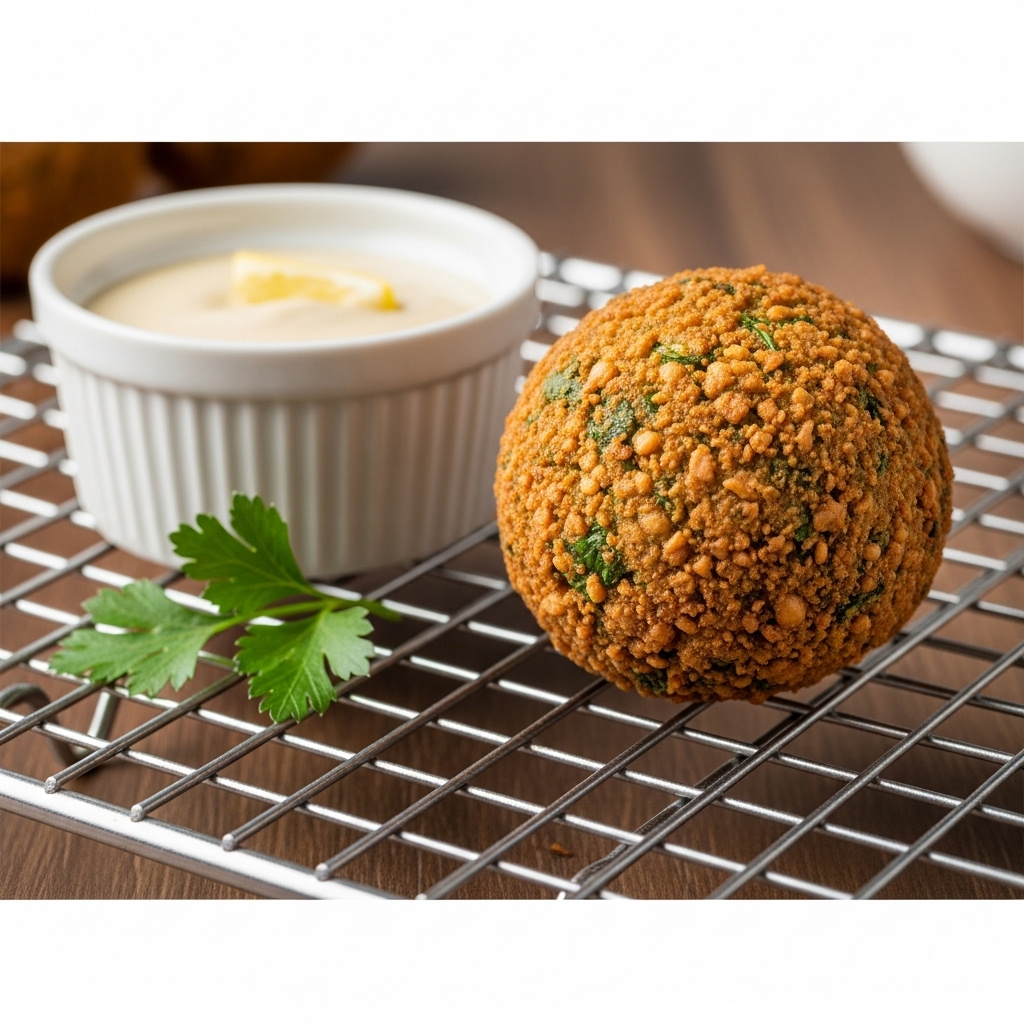
Ask ten falafel fans in Naperville what makes a great bite and you will hear the same short list: crisp exterior, moist interior, bright herbs, warm spices. Yet getting all of those elements to land at once is both art and craft, and not every falafel meets the mark. If you have ever bitten into a dense puck or a greasy ball that left your palate coated, you know the disappointment. The good news is that once you know what to look for, you can spot quality before you order—and avoid the pitfalls that lead to soggy or bland results. A glance at a well-curated Mediterranean menu can also hint at a kitchen’s priorities, from fresh herbs to balanced sauces, which often predicts what will arrive on your plate.
Let’s start with texture, the most immediate signal of quality. The exterior should offer a light crackle that yields to a moist, nubby crumb inside. If the crust is tough or the interior chalky, the mixture may have been ground too finely or cooked at the wrong temperature. You are looking for a lively structure, not a paste. When the interior shows flecks of green—parsley and cilantro—and small chickpea granules, that is a good sign the cook respected the ingredients and the process.
Greasy vs. Crisp: The Oil Equation
Grease is a common complaint, and it often traces back to oil management. If oil is not hot enough or has been used for too long, the falafel will absorb more than it should. Quality-focused kitchens keep a close eye on oil temperature and turnover, which preserves flavor and keeps the crust thin and crisp. As a diner, you can sometimes spot red flags. If a plate arrives with an oil sheen pooling beneath the falafel or if the aroma carries a stale note, you may be dealing with tired oil. A clean, toasty aroma is your friend; it should smell inviting, not heavy.
Baked and air-fried versions can also be excellent when executed with care. They rely on a well-hydrated mixture, a preheated oven or air fryer, and adequate airflow. Expect a slightly different crunch—lighter, perhaps a touch more delicate—but still satisfying when paired with fresh vegetables and a bright sauce.
Flavor Balance: Herbs, Spices, and Salt
Bland falafel usually means either timid seasoning or ingredients that lost their vibrancy. Fresh parsley and cilantro contribute not only color but a green, peppery lift that sets a lively tone. Cumin and coriander should be present but not overpowering, warming the background rather than stealing the show. Salt is the quiet conductor—enough to make flavors pop, never so much that it leaves you parched. When the balance is right, each bite feels complete even before the sauce arrives.
Speaking of sauce, tahini is a classic partner because it echoes falafel’s nuttiness while adding a creamy counterpoint. A lemon-forward tahini can transform good falafel into great by tightening the flavors and adding brightness. Yogurt-based sauces, if you include dairy, offer coolness; hot sauce can add a quick spark; pickles lend acidity and crunch. Quality shows in restraint and integration—the best plates feel cohesive rather than saucy for the sake of sauce.
Density and Crumb
One of the most deflating experiences is biting into a falafel that feels dense and doughy. This can happen when the mixture is overprocessed or when the chickpeas are cooked too soft before grinding. Traditional methods rely on soaked, uncooked chickpeas to keep the crumb lively. You want air pockets and texture, not a uniform mash. In a restaurant setting, a well-calibrated grinder and a cook’s experience make all the difference. Visually, look for a slightly rough interior with distinct bits, not a smooth paste. On the fork, it should break into moist crumbles, not smear.
Temperature control also matters. If falafel is rushed from oil to plate without a brief rest, steam can soften the crust. A minute to drain and settle helps preserve the crunch that makes the first bite so satisfying. That small detail often separates “good” from “great.”
Freshness Cues on the Plate
Fresh garnishes aren’t just decoration; they telegraph care. Bright tomatoes, crisp cucumbers, and perky herbs suggest the kitchen pays attention to turnover and prep. Wilted greens or dull pickles hint at a rush or a menu that’s too wide for the pace of service. Lemon wedges, when present, should look juicy rather than tired. These details correlate with falafel quality more often than not because they speak to broader kitchen habits.
Listen, too. A subtle crunch when you cut into the falafel is a good sign. If the crust shatters dramatically, it may be overly hard; if there is no sound at all, it could be soft or soggy. Aroma matters as well—the first waft should be warm and herbaceous, not oily or stale.
Takeout and Delivery Pitfalls
Even great falafel can struggle in a sealed container. Steam trapped in a closed box turns crisp into soft in minutes. Quality-centered operations vent containers and separate sauces to preserve texture. At home, a quick reheat in a hot oven or air fryer brings the crust back to life. If you plan to take a walk along the Riverwalk before eating, ask for sauces on the side and crack the lid slightly to let steam escape during the drive.
Another helpful habit is to assemble bowls at the table. Keep greens and warm items separate until the last moment. This keeps lettuce perky and falafel crisp, and it lets each diner build their preferred ratio of sauce to crunch. It’s a small ritual that pays dividends in texture.
Reading Between the Lines of a Menu
A focused Mediterranean menu often signals a kitchen that knows its strengths. When descriptions mention fresh herbs, lemon-forward tahini, or house-pickled vegetables, you can expect a brighter, more balanced plate. Shorter menus can be a good sign too, implying quicker turnover and fresher prep. Look for clarity in customization options; the ability to choose greens, grains, and sauces shows a team that has thought through how people actually like to eat.
It’s also worth noting how falafel is presented across formats. If it appears as a shareable starter, a bowl anchor, and a wrap filling, the kitchen likely treats it as a core competency, not an afterthought. Consistency across those formats is a hallmark of teams that take pride in their craft.
Red Flags to Watch For
Greasy sheen, stale aroma, chalky interior, and limp garnishes are the big four warnings. Inconsistent size can also hint at rushed prep or uneven cooking. Excessive salt may be a cover for underseasoned mixtures, while an overreliance on sauce can mask a bland base. None of these issues are insurmountable, but when they stack up, your experience suffers.
For takeout, a soggy wrap is usually a packaging problem—too much sauce applied too early or hot components that were not allowed to cool slightly. Asking for sauce on the side and requesting a lightly filled wrap can preserve structure. Bowls are more forgiving because you can keep components separate until the last moment.
When Falafel Goes from Good to Great
Great falafel feels alive. The crust is delicate yet confident, the interior moist with a pebbly crumb, the herbs bright but balanced. Sauces tuck into the edges, tying flavors together without stealing the show. Pickles and lemon sharpen the bite, and the whole plate feels composed rather than crowded. You finish satisfied and light, ready for a walk by the river or a lap around the park with the dog.
In the end, spotting quality is about paying attention to small cues that tell a big story. When kitchens respect ingredients and technique, it shows up in every bite. And when you know what to look for, you can steer yourself—and your dining companions—toward the places that treat falafel like the craft it is.
Frequently Asked Questions
Why is my falafel sometimes dense?
Density often comes from overprocessed mixtures or chickpeas that were cooked too soft before grinding. The best texture relies on soaked, uncooked chickpeas and a grind that leaves small pieces intact. Proper frying temperature also helps create a light interior.
How can I tell if the oil is fresh?
Trust your senses. A clean, toasty aroma and a light, non-greasy crust suggest good oil management. A heavy smell or an oily pool under the falafel are warning signs that the oil may be past its prime or too cool during frying.
What’s the fix for soggy takeout falafel?
Vent the container, keep sauces on the side, and reheat briefly in a hot oven or air fryer. Assemble bowls at the table to protect greens and preserve crunch. These small steps revive texture without drying the interior.
How much sauce is too much?
If sauce overwhelms the falafel’s flavor or makes the wrap soggy, it is too much. Start with a light drizzle and add more as you go. You should taste herbs, spices, and chickpeas first, with sauce acting as a bridge rather than the main event.
Do baked or air-fried falafel count as “real” falafel?
Absolutely. Technique evolves, and the goal is the same: a crisp exterior and moist interior with balanced seasoning. When executed well, baked and air-fried versions deliver that experience with a slightly different, often lighter, crunch.
Ready to put these tips to work? Start by scanning a local Mediterranean menu, choose a falafel plate or bowl that highlights fresh herbs and balanced sauces, and taste the difference attention to detail makes.