
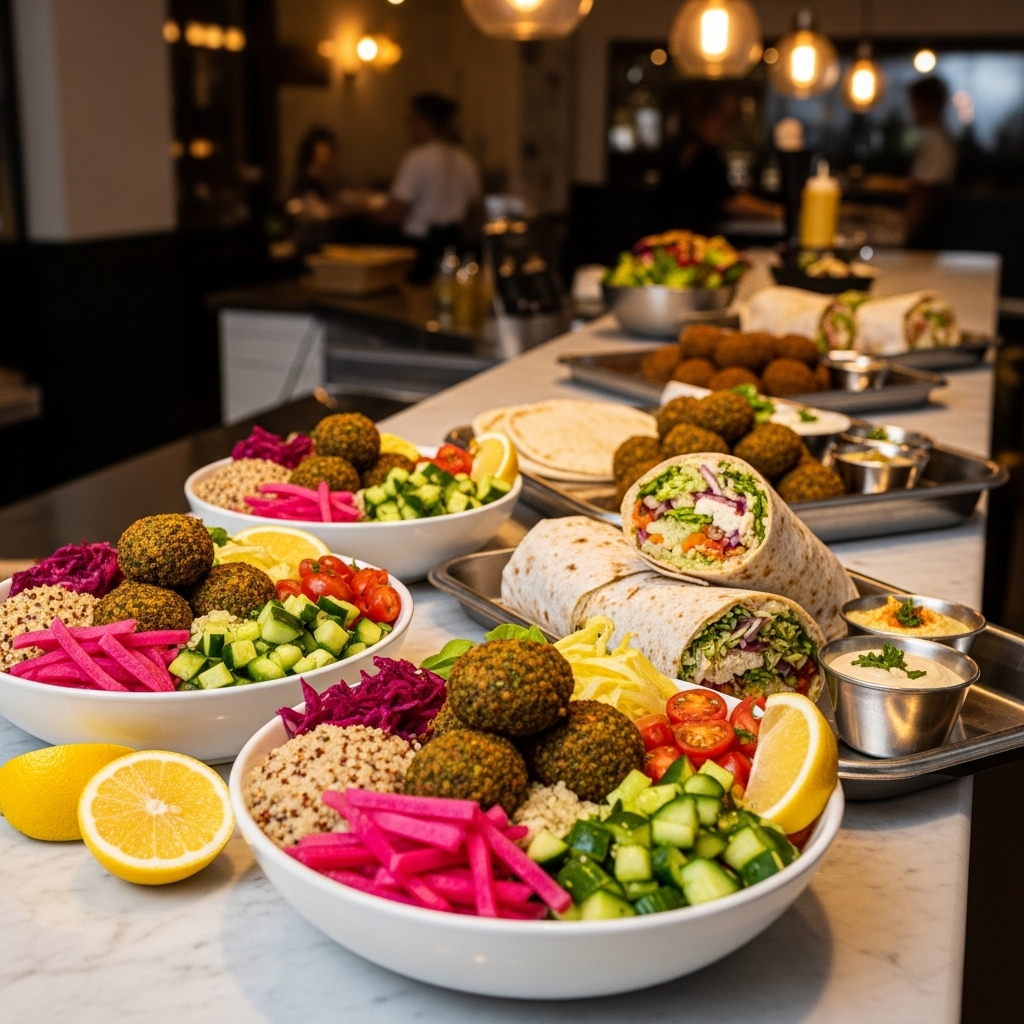
Spend a weekend strolling downtown Naperville and you will notice a quiet evolution in how people eat Mediterranean food. Bowls brim with crunchy vegetables and bright sauces, wraps arrive with a satisfying crackle at the first bite, and falafel sits confidently at the center of it all. As diners look for meals that feel lighter, fresher, and more customizable, falafel has become both a staple and a canvas for innovation. To see these trends up close, you can scan a well-organized Mediterranean menu and trace how falafel appears in bowls, wraps, salads, and shareable plates—each variation reflecting a different rhythm of Naperville life.
What defines the current moment is an embrace of contrast. Diners want both crisp and tender, comfort and brightness, tradition and modern technique. Falafel handles those dualities with ease. At its core, it remains the same—chickpeas, herbs, spices—yet it adapts beautifully to new formats and expectations. That is why you will see air-fried options, gluten-aware builds, and seasonal vegetable pairings that shift from early spring herbs to late-summer tomatoes without missing a beat.
Lighter Techniques with Bold Flavor
Air-frying and baking have moved from novelty to expectation for many diners. These techniques preserve the hallmark crunch while dialing back oil, a welcome shift for those who want a lighter meal without sacrificing texture. The seasoning profile has evolved too. Herb-forward blends with generous parsley and cilantro create a vivid green interior and a fresh aroma that opens up the palate. Cumin, coriander, and a whisper of garlic keep the flavors grounded in tradition.
Another trend is the strategic use of heat. Instead of a uniformly spicy falafel, kitchens are layering heat with sauces—harissa for warmth, pickled chilies for tang, or a chili oil drizzle added at the table. This lets groups customize their experience, so the spice lover and the mild eater can share the same plate without compromise.
Bowls as a Canvas
Falafel bowls have become a signature of Mediterranean dining in Naperville because they embody how locals like to eat: balanced, colorful, and adaptable. A good bowl reads like a well-composed story—whole grains for substance, fresh greens for lift, roasted vegetables for depth, a bright sauce to tie it together, and falafel to deliver structure and crunch. Diners can move components around to match mood and appetite, turning one core dish into multiple experiences. That flexibility keeps lunch interesting on a busy workday and makes weeknight dinners feel effortless.
Grain choices within bowls are expanding too. Alongside rice and couscous, you might find quinoa or bulgur, each bringing a different texture to the bite. Roasted vegetables rotate with the seasons: cauliflower and carrots in cooler months, zucchini and peppers when the weather warms. This natural seasonality tracks with local habits—long walks along the Riverwalk in summer call for lighter, juicier plates, while crisp fall evenings invite earthier roasts.
Wraps with Structure
Wraps continue to evolve, focusing on the engineering that keeps every bite satisfying. The best versions layer moisture and crunch so the wrap stays sturdy: lettuce for insulation, tomatoes for juiciness, pickles for brightness, and a measured drizzle of tahini or yogurt sauce to integrate flavors without sogging the bread. Warm falafel tucked into a warm wrap creates a comforting center that still feels lively, a balance that explains why wraps remain a favorite for commuters and families on the go.
Gluten-aware options have improved as well. Many places now offer bowls with extra greens and grains, avoiding any loss of satisfaction while creating space for gluten-sensitive diners to enjoy the same flavors and textures.
Pickles, Ferments, and Acid
Naperville diners have embraced the magic of acid. Pickled cucumbers, turnips, and onions cut through richness and amplify the herbs in falafel. Quick-pickled elements made in-house add a fresh snap that anchors the plate. A squeeze of lemon or a sprinkle of sumac can elevate everything, turning an already good bowl into something you want to tell a neighbor about.
We are also seeing more fermented elements—yogurt if dairy is in the mix, or tahini sauces brightened with lemon and garlic for dairy-free diners. These sauces bridge the gap between crunch and softness, ensuring the last bite is as compelling as the first.
From Shareables to Family-Style
Another trend shaping Mediterranean dining is the return of the shareable plate. A spread of falafel, hummus, roasted vegetables, and warm pita invites conversation and slows the meal down in the best way. Families and friend groups appreciate how these spreads make space for different appetites. Kids can build their own small wraps, while adults customize bowls, and everyone feels seen. In a community where schedules often clash, shareable plates become a social technology that keeps people around the table a little longer.
Restaurant teams have leaned into presentation as well, arranging plates with generous greens and bright pickles that photograph beautifully but, more importantly, make the meal feel festive on an ordinary night. It’s a reminder that small rituals—like a plate arranged with care—can make weekday dinners feel special.
Technology and Takeout
Falafel’s durability has made it a star of takeout and delivery. Even when cooled, a quick reheat in an oven or air fryer restores the crunch, and thoughtful packaging keeps sauces separate so textures stay crisp. For busy Naperville households, that reliability turns Mediterranean night into a weekly ritual without fuss. The transition between dine-in and takeout has become seamless, a sign that kitchens are designing with both experiences in mind.
The ordering experience has improved too, with clear customization options and build-your-own formats that let diners control every element. In practice, that means you can order a lighter bowl for a pre-run dinner on a warm evening or a heartier plate for recovery after a weekend of yard work and errands.
Health-Conscious Without Preaching
One of the most encouraging trends is a health-forward approach that does not lecture. Falafel stands in as a plant-based protein that feels joyful, not dutiful. Menus emphasize vegetables and whole grains, but flavors take center stage. This approach resonates in a town that balances fitness with family life and wants food to feel like a reward, not a chore.
Behind the scenes, operators are paying attention to oil quality, salt balance, and portion sizes that satisfy without overwhelming. Small changes—like a brighter, herbier falafel or a lemon-forward tahini—add up to a meal that leaves you light on your feet and ready for an evening walk through the neighborhood.
Local Identity in a Global Dish
Falafel connects Naperville to a wider Mediterranean tradition while absorbing local preferences. You might find a bowl topped with roasted Midwest vegetables in the fall or a wrap that leans into pickled jalapeños for a local heat signature. The point is not to replace tradition but to let it breathe, honoring the roots while meeting diners where they are.
These local touches help falafel feel like part of Naperville’s culinary fabric. When friends gather after a Riverwalk run or families sit down after a game at the park, the falafel on the table is both familiar and new—anchored in history, tuned to the present.
If you want to follow the trends as they evolve, check a neighborhood spot’s Mediterranean menu from time to time. You will see how seasonal vegetables rotate in, how sauces shift with the weather, and how formats adjust to the ways people are actually dining week to week.
Frequently Asked Questions
What makes falafel feel “lighter” on modern menus?
Techniques like air-frying and baking reduce oil while maintaining crunch, and herb-forward seasoning brightens the flavor. Lighter sauces and more acidic elements, like lemon and pickles, keep the palate refreshed from first bite to last.
How do restaurants keep takeout falafel crisp?
Packaging separates sauces and hot items, vents containers to prevent steam buildup, and uses sturdy greens as a barrier. At home, a brief reheat in the oven or air fryer revives the exterior without drying the center.
Are gluten-aware options common for falafel dishes?
Yes. Many places highlight bowl builds that skip pita and focus on greens, grains, and vegetables. It is increasingly easy to enjoy the full falafel experience without wheat, though you should always ask about cross-contact in shared kitchens.
What sauces are trending with falafel right now?
Lemon-forward tahini remains a staple, while harissa, pickled chili sauces, and herb-packed green dressings are gaining ground. These add-ons let diners adjust heat, acidity, and richness to taste.
How can I customize a falafel bowl to suit different appetites?
Adjust the grain-to-greens ratio, add or skip roasted vegetables, and control sauce levels. You can build a lighter bowl for a pre-activity meal or a heartier plate for post-activity recovery without changing the core experience.
Ready to taste where these trends are headed next? Explore a nearby Mediterranean menu, choose the falafel style that fits your mood, and let freshness lead the way to a new favorite.