
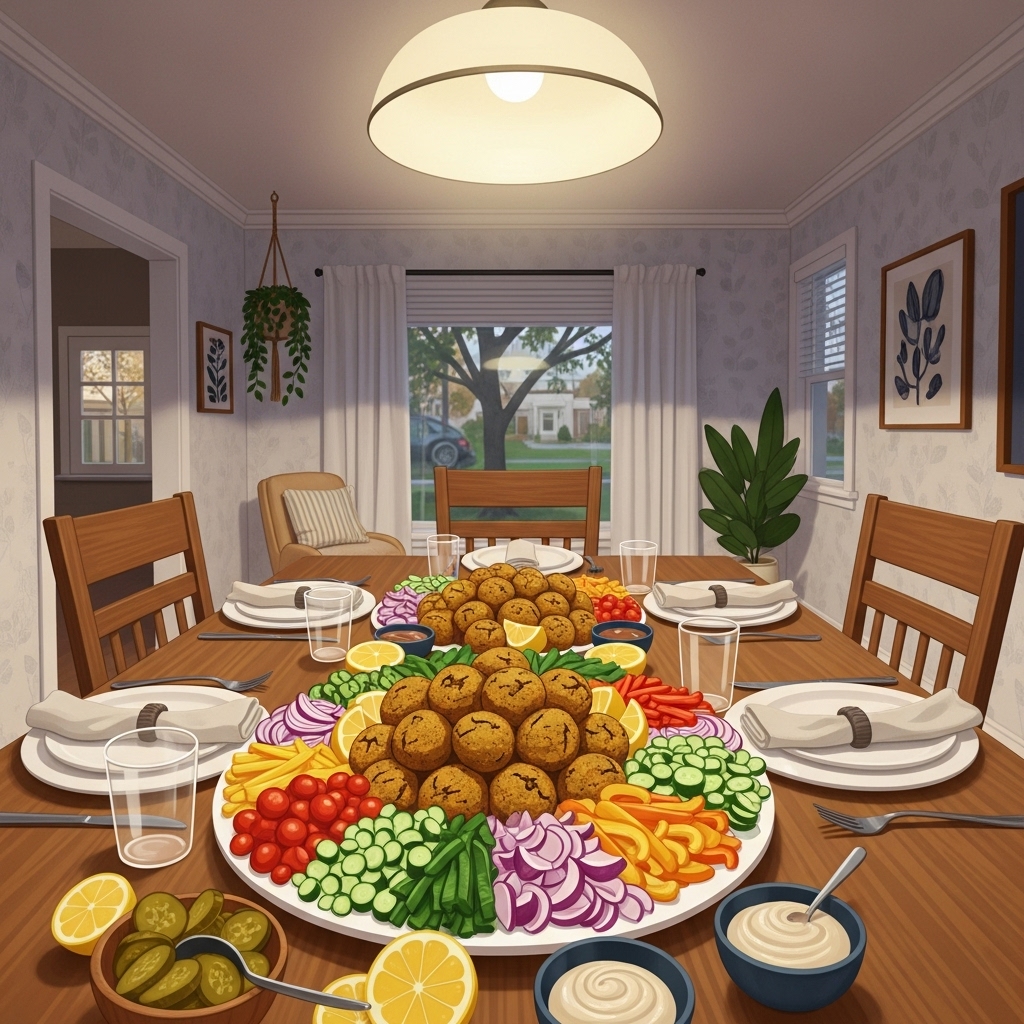
Walk the bustling stretches of downtown Naperville on a weeknight and you will hear a familiar mix of conversations: a parent coordinating soccer practice, a couple mapping weekend plans, a student comparing study schedules. Amid all that, a quieter dialogue has been growing—how to eat more plants without losing comfort, flavor, or social ease. Falafel has emerged as a dependable answer, a dish that brings people together around a table where everyone, from lifelong vegetarians to curious omnivores, feels welcome. In a community that values both wellness and warmth, falafel is more than a trend; it is a bridge. If you are just beginning to explore plant-forward choices, scanning a thoughtfully curated Mediterranean menu can show how easily falafel anchors bowls, wraps, and salads that satisfy.
Falafel matters because it solves a practical problem that many plant-based diners face: getting enough protein, texture, and culinary excitement in one bite. Chickpeas carry substance and a mild nuttiness that loves company. Herbs supply brightness, spices add warmth, and a quick fry or carefully managed bake creates that coveted contrast between crisp exterior and tender middle. The result is food you can share without needing to explain it—food that everyone recognizes as hearty and inviting.
Falafel as Inclusive Dining
Some foods announce themselves as niche. Falafel does the opposite. It invites diverse palates with familiar cues: the toasty aroma of cumin, the freshness of parsley, the juicy crunch of tomatoes and cucumbers. For groups with mixed preferences—vegans, vegetarians, and omnivores—falafel becomes a peacekeeper. It steps into the center of the table and says, “We can all eat well here.” In Naperville, where gatherings often include neighbors, teammates, and colleagues with different dietary needs, this inclusivity is not a small thing; it keeps meals simple and joyful.
Beyond social ease, falafel offers structural reliability for plant-based patterns. Protein helps keep hunger steady during long workdays or after-school activities. Fiber supports gut health and a calmer energy arc. Pair falafel with whole grains and an array of vegetables, and you have a plate that checks the boxes without feeling like a compromise. The best part is how naturally it fits into familiar formats—wraps on the go, bowl builds, or salad toppers—so you don’t reinvent your routine to eat more plants.
Nutritional Foundations Without Fuss
Plant-based eating thrives on variety, and falafel provides a sturdy anchor. Chickpeas supply protein, iron, and B vitamins that support daily energy, while tahini or olive oil-based dressings contribute healthy fats. Fresh vegetables add hydration and micronutrients. It’s a simple, repeatable template for balanced eating that doesn’t feel prescriptive. Because falafel carries bold flavor, it invites generous vegetable portions without the sense of “eating around” the star of the plate. In practice, that means bigger salads, more color, and better nourishment.
For many locals, the simplicity is a relief. During hectic weeks, you can lean on falafel as a dependable base and rotate the add-ins—roasted carrots, pickled onions, charred broccoli, a scoop of hummus for extra creaminess. The structure remains steady while the details shift with mood and season, ensuring plant-based meals stay interesting long after the novelty wears off.
Sustainability That Tastes Like Comfort
Chickpeas are a quiet sustainability win. Legumes generally demand fewer resources than many animal proteins, and they play well with crop rotations, supporting soil health. Choosing a chickpea-centered meal even a few times a week can reduce your environmental footprint, and when the result tastes like comfort food, that choice becomes effortless. In a suburban city where families are mindful of their impact—from recycling habits to energy use—falafel aligns with values without sacrificing pleasure.
There is also a local rhythm to plant-based dining in Naperville. The farmers market buzz in warmer months nudges people to seek out fresh herbs and crunchy vegetables, all of which fold naturally into falafel plates. Those seasonal instincts keep plates bright and make plant-forward meals feel like an extension of the community rather than an imported idea.
Texture, Sauce, and the Joy of Contrast
One of the reasons falafel wins hearts is texture. The outer crust provides a gentle crackle, the inside stays moist and tender, and the vegetables surrounding it offer snap and juiciness. Sauces complete the experience. A tahini drizzle adds nutty depth. A yogurt sauce, if you include dairy, brings tangy coolness. Hot sauce offers a flicker of heat that wakes up the palate. When built thoughtfully, a falafel bowl is a masterclass in contrast—enough variety to keep each bite interesting, yet harmonious enough to feel like a single dish.
For plant-based diners, that harmony is crucial. If you rely on salads alone, you can end up chasing texture with croutons or fried toppings that feel like afterthoughts. Falafel solves that by putting the crunch and substance at the center, then inviting vegetables to play more than a supporting role. It is a structural fix that empowers flavorful, vegetable-forward eating.
Plant-Based Dining for Families and Groups
Parents looking to add plant-based meals without fuss often find falafel to be a gateway. Kids respond to finger foods, and falafel’s mild nuttiness is familiar enough to feel safe. Tuck pieces into pita with lettuce and tomato, or serve them alongside roasted vegetables with a small dish of sauce for dipping. For teens with sports schedules and late homework nights, falafel bowls balance convenience with nutrition that actually lasts.
When extended family comes to town, falafel becomes a diplomatic option. It satisfies relatives who want something hearty and those who prefer lighter choices. If you are planning a casual get-together after a weekend soccer game at Nike Park, a falafel spread solves the classic “what can everyone eat?” dilemma without putting the plant-based folks on the spot.
How Falafel Fits the Workweek
Plant-based dining succeeds when it is easy to repeat, and falafel thrives in routine. On Monday, it might be a quick wrap between calls; on Wednesday, a bowl with brown rice and roasted vegetables; on Friday, a bigger plate shared with friends. That flexibility supports consistency, which is ultimately what shapes long-term habits. Because falafel pairs well with nearly any vegetable combination, you can adapt to what’s in the fridge or what you picked up at the market without sacrificing satisfaction.
And then there is the question of flavor fatigue, the quiet saboteur of good intentions. With falafel, fatigue rarely settles in. You can change sauces, swap herbs, add pickled vegetables for zip, or fold in a new grain for variety. That small rotation keeps the experience fresh, week after week.
Curious where to start? Browsing a local Mediterranean menu can help you visualize combinations: think falafel with lemony greens, falafel with roasted eggplant, or falafel paired with a bright cucumber-tomato salad and a spoon of hummus. You will notice a pattern of balance that translates easily to your home kitchen.
Allergen Awareness and Customization
Plant-based dining intersects with allergen awareness in practical ways. While traditional falafel is often gluten-free, cross-contact can happen in shared kitchens, and pita is wheat-based. Bowls or salads offer an easy workaround. Sauces can be tailored for dairy-free needs, and spice blends can be adjusted to keep heat levels comfortable for everyone. The more you ask for small adjustments, the more you will see how smoothly falafel accommodates different needs without fuss.
For those watching sodium, thoughtful ordering makes a difference. Ask for pickled vegetables on the side, add extra greens, and drizzle sauces deliberately. Because falafel itself delivers big flavor, you can use less sauce and not miss out. Those small shifts add up across a week.
Community, Culture, and Continuity
Falafel connects Naperville to a wider Mediterranean tradition while feeling right at home here. It is equally at ease at a casual lunch on Jefferson Avenue and a family dinner after a day at Centennial Beach. In that way, it embodies what plant-based dining often aims for: culture, comfort, and continuity. It respects roots while welcoming new interpretations, including baked and air-fried versions that align with modern preferences.
Even as food trends ebb and flow, falafel’s core appeal endures. It offers the kind of satisfaction that keeps people coming back: a balance of warmth, freshness, and spice that lands on the palate like a familiar song. When you are building a plant-forward life, that kind of reliability is priceless.
Frequently Asked Questions
Is falafel a complete protein for plant-based diets?
Falafel provides valuable protein, and when paired with grains such as pita or rice, the amino acid profile becomes more complementary. In practice, you get the nutritional coverage you need across a day by combining falafel with whole grains and a variety of vegetables.
How can I keep plant-based meals satisfying without heavy sauces?
Lean on texture and acidity. Falafel brings crunch and substance; lemon juice, herbs, and a light tahini drizzle add brightness. Fresh vegetables, especially cucumbers and tomatoes, provide juiciness that keeps bites lively without relying on heavy dressings.
What should I order if I’m gluten-sensitive?
Opt for a bowl or salad build with falafel, extra greens, and a gluten-free grain if available. Ask about cross-contact in the kitchen and request sauces on the side. Most places can accommodate with simple adjustments.
Can kids enjoy falafel?
Absolutely. Start with smaller pieces and mild sauces, and serve with familiar sides like tomatoes and cucumbers. Many kids enjoy dipping, so offering tahini or a yogurt-based sauce can make falafel feel like a treat.
How do I avoid flavor fatigue with plant-based eating?
Rotate sauces and sides. One week, pair falafel with roasted cauliflower and a lemony tahini; the next, try pickled onions and a cucumber salad. Small changes keep meals engaging while preserving the structure that makes plant-based dining simple.
If you are ready to make plant-based dining a joyful routine in Naperville, start by exploring a local Mediterranean menu, choose a falafel bowl or wrap that fits your preferences, and let flavor lead the way toward a more vibrant plate.