
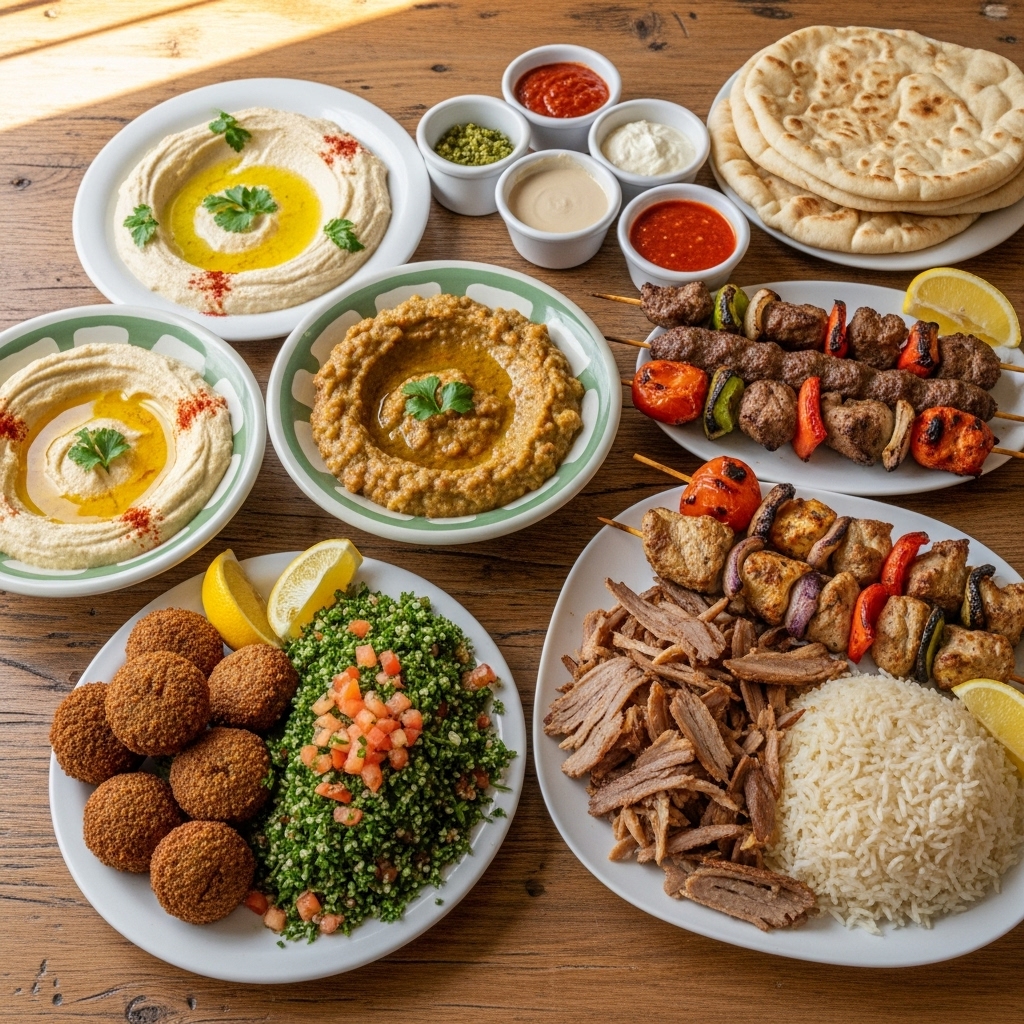
Open a halal restaurant menu in Naperville, Illinois and you can read a whole story—about patience in the kitchen, confidence in sourcing, and a city that appreciates food made with purpose. A menu here isn’t just a list; it’s an invitation to taste a tradition that’s been honed, adapted, and lovingly shared. If you’re curious where to begin, start by browsing a thoughtfully written menu to see how a restaurant organizes its flavors. What you’ll find tells you a lot about what’s waiting on the plate.
Starters that set the tone
A good halal meal often begins with textures and aromas that wake up the palate. Fresh hummus should carry the nutty depth of chickpeas and the lift of lemon, while tahini adds silk. Baba ghanoush whispers smoke when eggplant has been kissed by the grill. Falafel, when done right, arrives crisp outside and tender inside, with herbs that brighten rather than weigh down. These early bites signal a kitchen that cares about balance and freshness, and they frame the flavors to come.
Salads that actually lead
In Naperville, diners expect salads to be more than an afterthought. Tabbouleh should be green with parsley, not weighed down by grains, and cucumbers and tomatoes should taste like they were cut to order. Fattoush brings a playful crunch with toasted bread and a zing that pulls you back for another forkful. When vegetables shine on their own, you know the kitchen respects its ingredients.
Shawarma: the heart of the story
Many menus in Naperville find their center in shawarma. The key is patience—marinating long enough for flavor to penetrate, then roasting so the exterior crisps and the interior stays juicy. Whether you choose chicken or beef, you should see color on the edges and smell a blend of spices that feels warm rather than overwhelming. Wrapped in bread or layered over rice, shawarma becomes a canvas for sauces, pickles, and greens. Each component should taste distinct, yet the bite should come together as one.
Kebabs and the craft of the grill
Kebabs can be a test of consistency. Skewers should arrive with char that tastes of the fire but leaves the meat tender. Spices should feel integrated, not sprinkled. A good menu shows restraint—just enough variety to let you choose your favorite without diluting quality. When meats are grilled with care, they pair effortlessly with the bright sides that define halal comfort food.
Bowls and platters that build a meal
Bowls and platters are where Naperville’s halal menus often show the most nuance. In a well-balanced bowl, rice is aromatic and fluffy, pickles add snap, greens give freshness, and sauces tie everything together. Platters create room for sharing—hearty portions that let everyone taste a bit of everything. When the elements are tuned just right, every forkful offers a different angle on the same satisfying theme.
Vegetarian and vegan choices with substance
Local diners expect plant-forward options that can stand on their own. Falafel platters, roasted vegetable bowls, lentil soups, and salads loaded with herbs and citrus make vegetarian and vegan dining feel abundant. The best menus list these dishes alongside the classics, not in a separate corner, signaling that flavor—not just accommodation—drives the choices.
Sauces: the signature in every bite
Sauces are where a restaurant often speaks in its own voice. Creamy garlic might lend a mellow richness, while tahini brings a nutty glide. A spicy sauce should have clarity, not just heat, and a herbal drizzle can brighten a dish without overpowering it. If you’re reading a menu and see sauces described with care, you’re likely in good hands.
Fresh bread as a quiet hero
Bread doesn’t always get a headline, but it should. Warm, soft, and slightly chewy bread turns a wrap into something craveable and makes dipping into spreads delightful. In Naperville’s better halal spots, you can taste when bread has been warmed to order and handled with care.
Desserts and the last note
A balanced menu closes with desserts that tell their own story. Perhaps something layered and delicate, maybe a syrup-kissed pastry that pairs beautifully with tea. The goal isn’t sweetness alone; it’s a final note that feels satisfying and complete, a punctuation mark that says the meal was crafted from start to finish.
Reading between the lines
What else can a menu tell you? Look for clarity and confidence. Are dishes described in a way that helps you choose? Do vegetarian and gluten-conscious options appear naturally throughout? Are there seasonal specials that hint at a kitchen in motion? Naperville diners value menus that respect their time: concise but inviting, detailed but not fussy.
From page to plate: a first visit
When you bring the menu to life, start with a spread that lets you sample textures—creamy, crisp, warm, and cool. A wrap or bowl centers the meal, sides add color, and a sauce or two lets you adjust mood and heat. On a second visit, try the opposite format: if you began with a wrap, order a platter; if you chose chicken, try beef or a vegetarian spotlight. Varied experiences help you understand the kitchen’s reach.
Takeout that travels well
Naperville locals rely on takeout, especially during hectic weeks. Menus that travel well are thoughtfully packaged: sauces on the side to keep the wrap crisp, greens tucked away from heat, and bowls layered to maintain texture. If you plan to eat later, ask for components to be separated so you can preserve freshness.
Gatherings and shareable choices
For families and friends, menus with shareable platters and mix-and-match sides encourage conversation. The best restaurants make it easy to feed a crowd without sacrificing quality, and they provide guidance so everyone at the table can find something they love. When you’re deciding how to order for a group, a quick look back at the menu helps you balance familiar favorites with a few adventurous picks.
Seasonal shifts and local rhythms
Menus in Naperville often reflect the seasons. In winter, heartier bowls and soups feel right, while in summer, wraps and salads take the lead. Specials might highlight local produce or introduce a spice blend that nods to a new idea the kitchen is testing. Watching a menu evolve is part of the fun of becoming a regular.
FAQ: Navigating a halal menu in Naperville
What’s the difference between shawarma and gyro? Shawarma is typically marinated and roasted in spices that lean Middle Eastern, while gyro often uses a different spice profile and preparation. Both are shaved from a vertical roaster, but the flavor signatures are distinct.
How do I choose between a wrap and a bowl?
Wraps are great when you want something handheld and comforting, while bowls let each element stand on its own. If texture matters, consider how heat and sauce will affect bread over time, especially for takeout.
Are vegetarian options satisfying?
They should be. Look for falafel made to order, salads heavy on herbs, and roasted vegetables that bring depth. A well-constructed vegetarian meal is abundant and balanced.
Can I customize spice levels?
Usually, yes. Many restaurants offer sauces with varying heat and will help you tailor a dish so it suits your palate without losing the chef’s intent.
Which dishes travel best for takeout?
Bowls and platters with sauces on the side generally travel well. Ask for greens to be packed separately if you’re eating later to preserve crunch and color.
Is everything on the menu halal?
In a halal restaurant, yes, but always feel free to ask. Staff should be ready to explain sourcing and preparation so you can order with confidence.
Ready to explore Naperville’s halal flavors
Now that you know what to look for, bring the menu to life with your next order. Plan your meal, invite a friend, and taste how intention turns into flavor on the plate. If you like to preview before you go, take a moment with the restaurant’s current menu, then enjoy how those words transform into aromas, textures, and a meal you’ll want to revisit.