Good meals don’t end when the doorbell rings or you pick up a neatly packed order. In Naperville, with its temperature swings and fast-moving days, knowing how to handle, store, and reheat your online Halal order is part of enjoying it fully. Safety and storage are less about elaborate techniques and more about paying attention to timing, temperature, and simple habits that protect quality. With a bit of local savvy, you’ll keep flavors bright, textures lively, and your evening calm.
Start with the handoff. Whether you’re stepping out of a car on Washington Street or greeting a driver in South Naperville, your goal is a quick transfer from kitchen to table. On very cold days, keep the car warm and the order flat; on hot afternoons, avoid trapping steam by leaving a little room around containers. If you own an insulated tote—many Naperville families do for grocery runs—keep it in the trunk or back seat. For delivery, be ready at the door so the food doesn’t idle on the doorstep. Those first minutes matter as much as any reheating you might do later.
Unpack with intention. Separate hot and cold items so each maintains its character. If you’ve requested sauces on the side, you’ve already protected crisp elements; keep it that way until you’re ready to eat. Lay everything out and glance at labels to confirm you received what you requested. This isn’t just about catching mistakes; it’s about understanding the best path to the table. Warm items benefit from quick plating, while chilled sides can rest until the main dish is ready. Naperville homes are famously organized—apply that instinct to mealtime, and you’ll notice the difference in both pace and quality.
Temperature is the cornerstone of safety. While we won’t lapse into jargon, it helps to remember a simple rule: keep hot foods hot and cold foods cold. If you need a few extra minutes to gather the family, slide hot items into a low oven for a gentle hold, ideally uncovered if they’re at risk of steaming out. Cold items should wait in the refrigerator rather than on the counter. This small discipline keeps texture bright and reduces any risk that can come from foods lingering too long at room temperature, especially during Naperville’s humid summers.
Reheating is where many people unintentionally compromise flavor. The aim is to restore warmth without overcooking. For items that risk drying, cover loosely to trap a little moisture. For items that should be crisp, use a hot pan, oven, or toaster oven rather than a microwave. If you do use a microwave, short bursts with a rest in between lets heat distribute evenly. Think of reheating as “refreshing” rather than “cooking again.” This distinction guides your technique and preserves the careful preparation that went into your order.
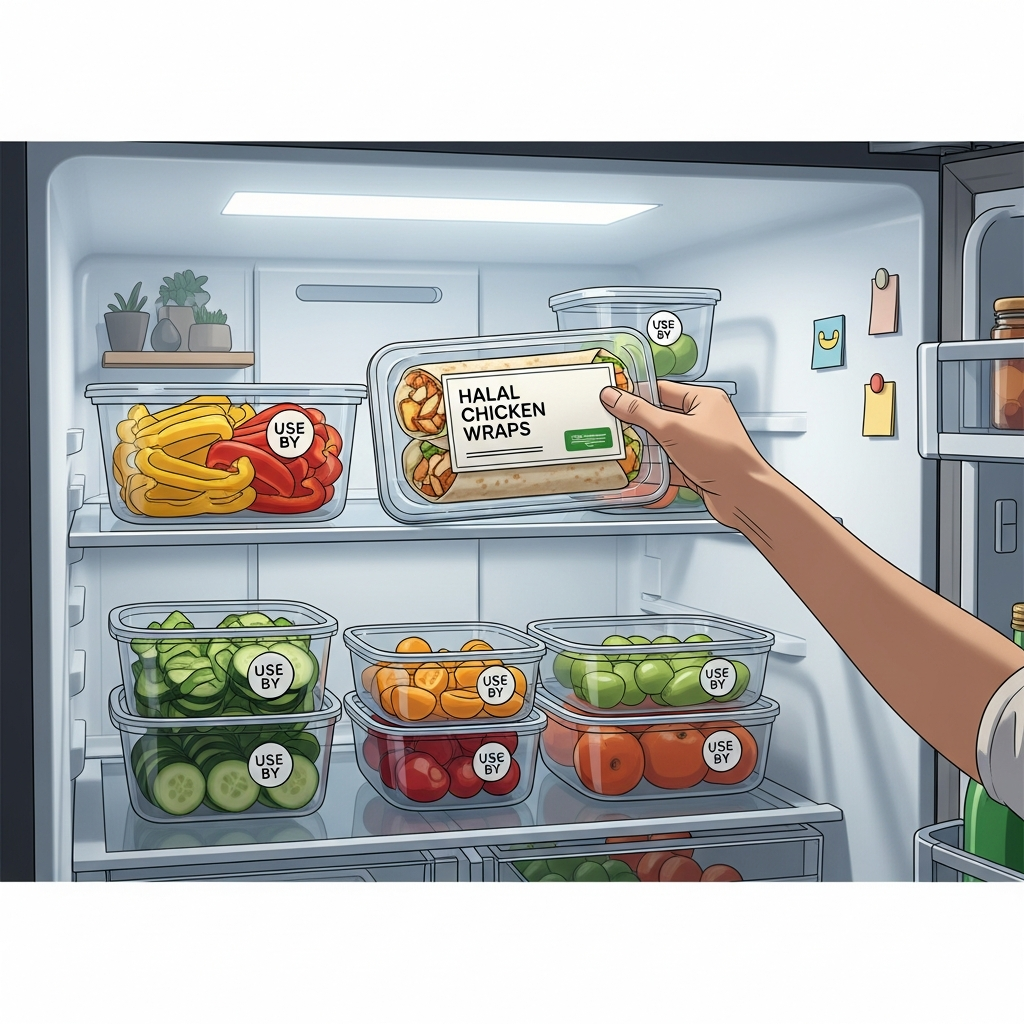
Storage begins the moment you decide there will be leftovers. As dinner winds down, package items promptly. Shallow containers cool faster and more evenly in the fridge, which preserves quality. Labeling may seem fussy, but on a Tuesday afternoon when a teen raids the fridge after practice, a simple date stamp helps. If a dish contains components that should remain separate—sauce, crisp vegetables, or a delicate bread—store them that way. Tomorrow-you will be grateful for the extra two minutes you spent tonight.
For families observing Halal strictly, storage habits are an extension of care. Keep leftovers away from anything in the fridge that could cause cross-contact with ingredients you avoid. Designate a shelf or bin for ordered meals and make sure containers are sealed fully. Those small routines let you invite others to share leftovers confidently, whether it’s a neighbor stopping by or a college student home from North Central grabbing a late bite after studying.
Weekends in Naperville bring picnics at the Riverwalk and park days in Frontier or Commissioners Park. If you’re turning an online order into an outdoor meal, think through temperature and timing. Use cooler packs for chilled sides and keep hot items insulated until you’re ready to serve. Shade matters; even on mild days, direct sun can push temperatures up quickly on a picnic table. Transport food flat, and aim to serve shortly after arrival rather than letting it lounge while kids run to the playground. The joy of eating outside is an easy match with safety when you plan your order as part of the outing.
Commuters have their own safety choreography. If you’re picking up on the way home from the Route 59 Metra stop, avoid leaving food in a hot or cold car while you run extra errands. Even quick tasks can add up. Plan your route so pickup is your last stop before home. When that’s not possible, carry the order with you if the timeline stretches. It’s a minor inconvenience that protects both taste and safety.
Freezing is an option for certain items, but it’s not a universal fix. Dishes with sturdy proteins and simple sauces usually freeze and reheat well; delicate vegetables and crisp elements do not. If you know you won’t get to leftovers within a couple of days, portion and freeze promptly in airtight containers. Label with the date and contents, and leave yourself a note for the best reheating method—oven for crisp, covered heat for sauced items. The better your notes, the closer your second experience will be to the first.
When it’s time to reheat leftovers, consider staging. Warm components separately so each reaches the right state at the right time. A quick pan warm for a protein, a separate re-crisp in the oven for bread, and a gentle toss for vegetables can transform yesterday’s meal into something lively again. Crowd everything together on one tray, and you risk either drying out the tender parts or softening the crisp ones. A few extra steps keep your palate happy.
Families often ask how long leftovers should stick around. The simplest guidance is to enjoy them within a couple of days for peak quality. As the days pass, textures degrade and flavors can flatten. Make a plan: tonight’s generous order becomes tomorrow’s lunch and perhaps a snack for someone racing to a music lesson along 95th Street. Build that expectation in, and you’ll waste less while enjoying more.
Packaging plays a quiet role in both safety and pleasure. Good containers prevent leaks and protect structure; thoughtful notes—including “sauce on the side”—keep travel-friendly designs intact. If you notice a consistent issue, communicate it. Kitchens value the feedback because it helps them adjust. Naperville diners are observant, and that dialogue between households and restaurants keeps the quality curve headed in the right direction.
For evenings aligned with observances—Ramadan, family gatherings after worship, or community events—it helps to schedule precisely and stage your kitchen. Set plates, heat the oven for a brief holding period, and assign a quick role to each family member so the transition from delivery bag to table is swift. When timing is meaningful, the smallest bottlenecks feel bigger; removing them preserves the moment and the meal.
Don’t overlook hydration and balance when storing and reheating. Many richly seasoned dishes benefit from a splash of water or a drizzle of oil before reheating to revive moisture without muddling flavor. Cold salads bounce back with a quick toss and a breath of fresh dressing if needed. Trust your senses: bright colors, lively aromas, and textures with definition all signal you’re on the right track.
Finally, cultivate a calm mindset around food safety. It’s less about anxiety and more about rhythm. Pick up promptly, separate hot and cold, store leftovers fast, and reheat with care. Do those few things consistently, and you’ll keep meals tasting as they should while respecting the Halal standards that shape your choices. The payoff is simple: a home that eats well, wastes little, and treats dinner as a daily craft worth doing well.
How should I handle my order in extreme Naperville weather?
In winter, limit outdoor exposure and use an insulated bag for pickup. At home, hold warm items briefly in a low oven and serve promptly. In summer, avoid trapping steam and direct sun, keep cold sides in the fridge until serving, and plate hot items without delay so textures hold.
What’s the safest way to store leftovers?
Cool and store promptly in shallow, airtight containers. Keep Halal leftovers on a dedicated shelf to avoid cross-contact with items you prefer not to mix. Labeling with dates helps you use food while it’s at its best rather than forgetting it behind taller containers.
How can I reheat without ruining texture?
Match the method to the element. Use a hot pan or oven for crisp components, cover gently for sauced items that risk drying, and reheat in short bursts if using a microwave. Staging components separately lets each reach the right temperature and texture without compromise.
Are there items I shouldn’t freeze?
Delicate vegetables and foods that rely on crispness don’t freeze well. Proteins with simple sauces typically fare better. If you plan to freeze, portion and cool promptly, use airtight containers, and label with the date and reheating method for a close-to-fresh second experience.
How long do leftovers keep good flavor?
Plan to enjoy them within a couple of days for best taste and texture. As foods sit, crisp elements soften and flavors can dull. Turn tonight’s extra portions into tomorrow’s lunch and an after-practice snack to keep quality high and waste low.
What are smart tips for outdoor eating at the Riverwalk or parks?
Insulate hot items, chill cold ones, and keep everything shaded. Serve soon after arrival instead of letting food lounge on the table. Transport flat, keep sauces separate, and pack napkins and wipes so you can eat comfortably without compromising safety.
How do I keep dinner calm during busy family nights?
Plan the handoff. Schedule pickup or delivery to land just before everyone regroups, set out plates in advance, and keep a low oven warm for a brief hold. Small routines turn a rushed evening into a smooth one, even when calendars are packed.
Bring safe, delicious ordering into your routine
Make tonight easy and intentional. With a few steady habits—prompt pickup, smart storage, and careful reheating—you’ll keep every bite worthy of your table. When you’re ready, explore the menu, set your preferences, and welcome a fresh Halal meal into a home that knows how to care for it well.