Walk through downtown Naperville on a Friday night and you’ll feel a current of energy—families strolling the Riverwalk, students from North Central College comparing study notes, and neighbors weighing where to order dinner before the next event on their calendars. Within that flow, online Halal ordering has become a fixture, and the trends shaping it say a lot about where our city is headed. As a local who tracks how we eat and how technology changes our habits, I see patterns that reflect Naperville’s pragmatism, curiosity, and commitment to quality. A thoughtfully presented menu is now a gateway to discovery, not just a list of options.
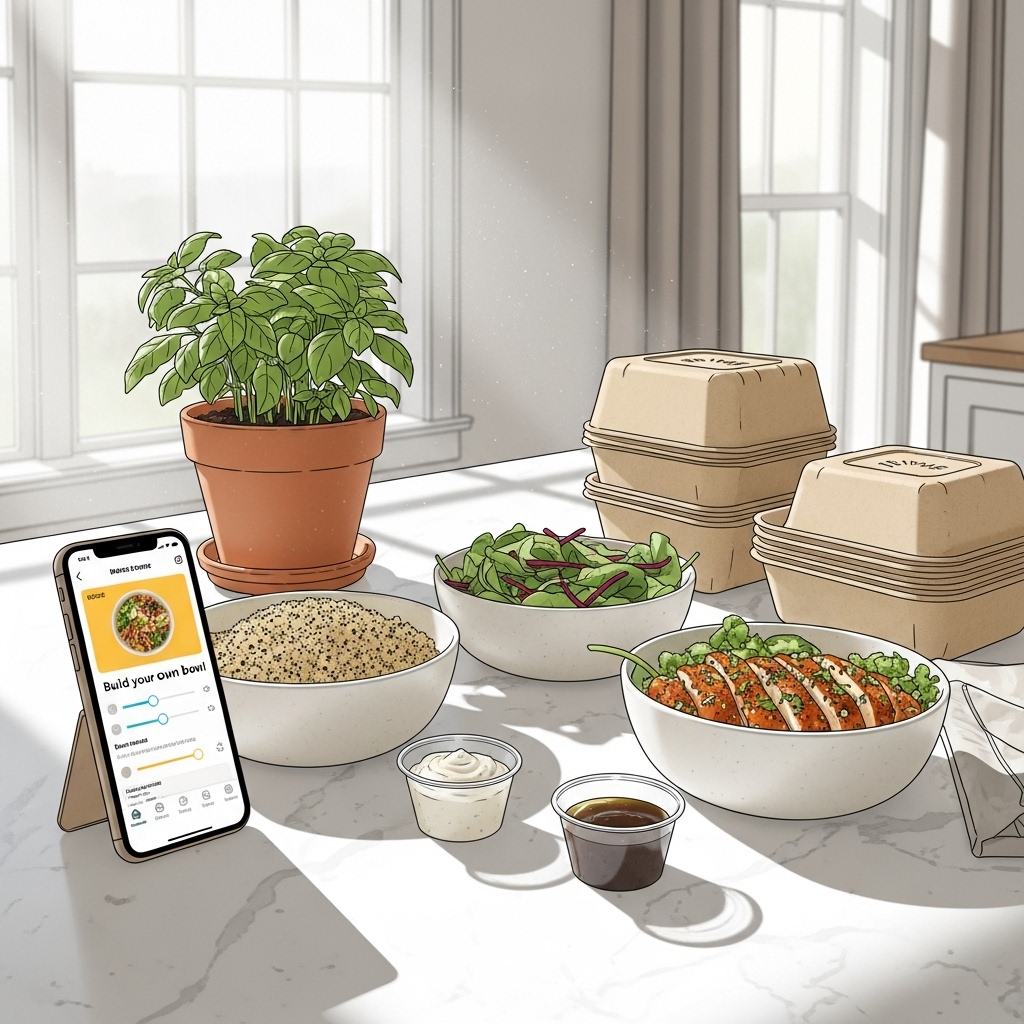
One clear trend is the rise of customization. Naperville households often juggle multiple preferences at once—athletes seeking lean proteins, parents looking for kid-friendly spice levels, and grandparents asking for softer textures. Online platforms make these adjustments smooth, and Halal kitchens that design for flexibility earn loyalty. You see it in build-your-own bowls that let diners choose grains, greens, and proteins, and in clear notes about sauces that balance heat and brightness. This modular approach allows families to order together while feeling seen individually, and it reduces the friction that can make weeknight decisions exhausting.
Another trend involves timing. Savvy operators use data to anticipate the swells around tournaments at Nike Sports Complex, post-commute windows along Route 59, and late-evening study sprints near the 95th Street Library. Order throttling and scheduled pickups are no longer extras—they’re part of delivering quality consistently. Naperville diners respond by treating online ordering as a planning tool rather than a last-minute scramble, and that shifts expectations in a healthy direction: food arrives when promised and tastes as intended.
Packaging innovation continues to evolve as well. The best Halal kitchens in and around Naperville experiment with vented lids for crispy items, insulated wraps for tender proteins, and compartmentalized containers that keep salads lively. Those choices matter even more during seasonal swings—protecting texture on a humid July evening and preserving heat on a subzero January night. Again, these are not gimmicks. They’re thoughtful decisions that protect the craft of the kitchen all the way to your table.
We’re also seeing a trend toward storytelling through menus. Great Halal food has always carried stories—of spices, traditions, and family technique—and online formats finally give those stories a proper stage. Descriptions highlight origins of marinades, explain why certain pickles brighten a dish, and suggest pairings that make a platter feel balanced. Naperville’s well-read, curious residents respond to that depth with enthusiasm, and the feedback loop is clear: when diners understand what makes a dish special, they order more confidently and branch out from the basics.
Healthy twists are another defining trend. Whether it’s New Year resolutions, spring training for local races, or simply the habit of active families, there’s steady demand for lighter preparations that don’t compromise on Halal integrity. Online ordering supports this by putting nutrition cues front and center and making it easy to toggle between hearty and light. You’ll notice a rise in bowls built on greens, roasted vegetables as default sides, and lemon-forward dressings that keep flavors bright without excess heaviness.
Local loyalty programs integrated into ordering platforms are quietly reshaping how people choose where to order. Points that accumulate with pickup and delivery alike reward consistency and support the neighborhood operators who invest in quality. Naperville residents, practical by nature, are happy to align routine orders with rewards, and that steadiness gives kitchens the confidence to experiment with limited-time specials.
Community-aware scheduling stands out during Ramadan and Eid. Online trends show early week planning for iftar pickups, increased orders for soups and dates, and larger platters timed right at sunset. Operators who honor these rhythms do more than meet demand—they show respect. That care builds goodwill that lasts far beyond the holiday season, and it keeps Halal dining central to community life rather than marginal.
Late-night reliability, once hit-or-miss, has improved noticeably. Some kitchens now structure a leaner late menu that travels well and can be executed quickly by a smaller crew. That focus—rather than running a full menu at 10:30 p.m.—translates to better quality at the door for students, healthcare workers on shifts, and anyone winding down after a long day. Naperville’s night owls now have dependable options that feel like real food, not an afterthought.
Transparency around sourcing is another trend with traction. Diners want to know not just that a dish is Halal, but how that standard is protected at each step. Online ordering pages that explain sourcing and preparation protocols reduce anxiety and keep conversations respectful rather than defensive. This clarity has benefits beyond faith practice; it helps allergy-conscious families and those who prefer minimally processed foods make quick, confident choices.
Geo-savvy delivery is becoming a competitive advantage. Understanding how to navigate apartment complexes near 95th Street, timing lights on Washington, or approaching addresses along Book Road at rush hour can shave minutes and preserve quality. Some operators cluster deliveries by neighborhood, which reduces backtracking and keeps food at peak temperature. Diners might not see the algorithm, but they taste the results when a crispy side remains crispy.
There’s also a trend toward “occasion-friendly” packaging and ordering flows. For backyard gatherings in Brookdale or small celebrations in Ashbury, online systems allow mixed orders that arrive labeled clearly, with sauces and sides portioned for sharing. This takes the pressure off home cooks and gives hosts confidence that everyone—from the spice seeker to the mild palate—will find a plate that feels right.
Education-driven discovery is thriving. Diners learn by browsing—spotting how a citrusy slaw supports a rich protein, for example, or how a grilled vegetable side keeps a platter balanced. When kitchens invest in photos that reflect the real dish and descriptions that respect the diner’s intelligence, people explore. The result is a more adventurous Halal scene where classics stay beloved and new ideas get a fair, informed try.
In the middle of all these shifts, the simplest trend remains the most powerful: households want reliability. They want to know that if they order at 5:45 p.m. before a recital, the food will be ready at 6:15, well-packed, and exactly as requested. Operators who deliver on that promise earn repeat business that no marketing campaign can manufacture. When you find a place whose digital menu reads like a handshake—clear, consistent, and welcoming—you’ve found a partner for busy weeks and big moments alike.
Frequently Asked Questions
What is the biggest trend in online Halal ordering right now?
Customization with clarity. Diners want to control spice, toppings, and sides while trusting the integrity of Halal sourcing. The best platforms make these choices obvious and easy, reducing errors and speeding up the kitchen without sacrificing care.
How are Naperville kitchens improving delivery quality?
By investing in smarter packaging, clustering deliveries by neighborhood, and using scheduling tools to avoid overloading the line. When routes are efficient and items are packed with texture in mind, quality at the table improves dramatically.
Are late-night Halal options getting better?
Yes. Many places now focus on a tighter late menu that travels well and can be executed quickly by a lean crew. This approach provides consistent, satisfying food after peak hours without stretching the kitchen thin.
How does online ordering help during Ramadan?
It allows families to schedule iftar pickups precisely, order larger platters confidently, and avoid long lines at sunset. Kitchens can plan ahead for soups, dates, and other staples, keeping service smooth and respectful of the moment.
What should first-time Halal diners look for online?
Clear sourcing notes, realistic photos, and straightforward customization options. If an ordering page explains ingredients and preparation with care, you’ll feel comfortable exploring beyond the basics and trying seasonal specials.
Do loyalty programs actually make a difference?
When integrated into ordering platforms, they do. Regulars feel rewarded, and operators gain predictable volume that supports fresh inventory and occasional experiments. Everyone wins when consistency is recognized.
Bring these trends home tonight
If you’re ready to experience the best of what Naperville’s Halal scene offers—from crisp packaging to thoughtful customization—open a trusted ordering page, scan the menu, and pick the dishes that fit your plans. The right kitchen will meet you where you are, whether it’s a quiet night in or a gathering that deserves something memorable.