
In busy Naperville kitchens—where dinner often lands between after-school activities and an evening stroll along the Riverwalk—pita bread is a dependable ally. When it behaves, a warm, pliable pita holds juicy fillings, scoops creamy dips, and turns leftovers into lively meals. When it doesn’t, lunch can get messy fast. Pocket tears, dryness, stubborn edges that refuse to open—these little problems add up. The good news is that most pita frustrations have simple fixes rooted in temperature, moisture, and timing. With a few local-savvy tricks, you can serve pitas that feel fresh and taste vibrant, even on the tightest schedule.
Consider this your practical guide from a Naperville cook who has navigated snow-day lunches, summer picnic spreads, and the chaos of weeknight dinners. We’ll look at the most common pita problems and how to solve them without special equipment. And along the way, we’ll lean into the rhythms of our city—quick reheats before a downtown concert, pocket-friendly wraps for park afternoons, and reliable methods that work no matter what Illinois weather throws our way. For flavor cues or pairing ideas, it never hurts to scan a Mediterranean menu and translate those combinations to your own kitchen.
Problem: Pita tears when you open the pocket
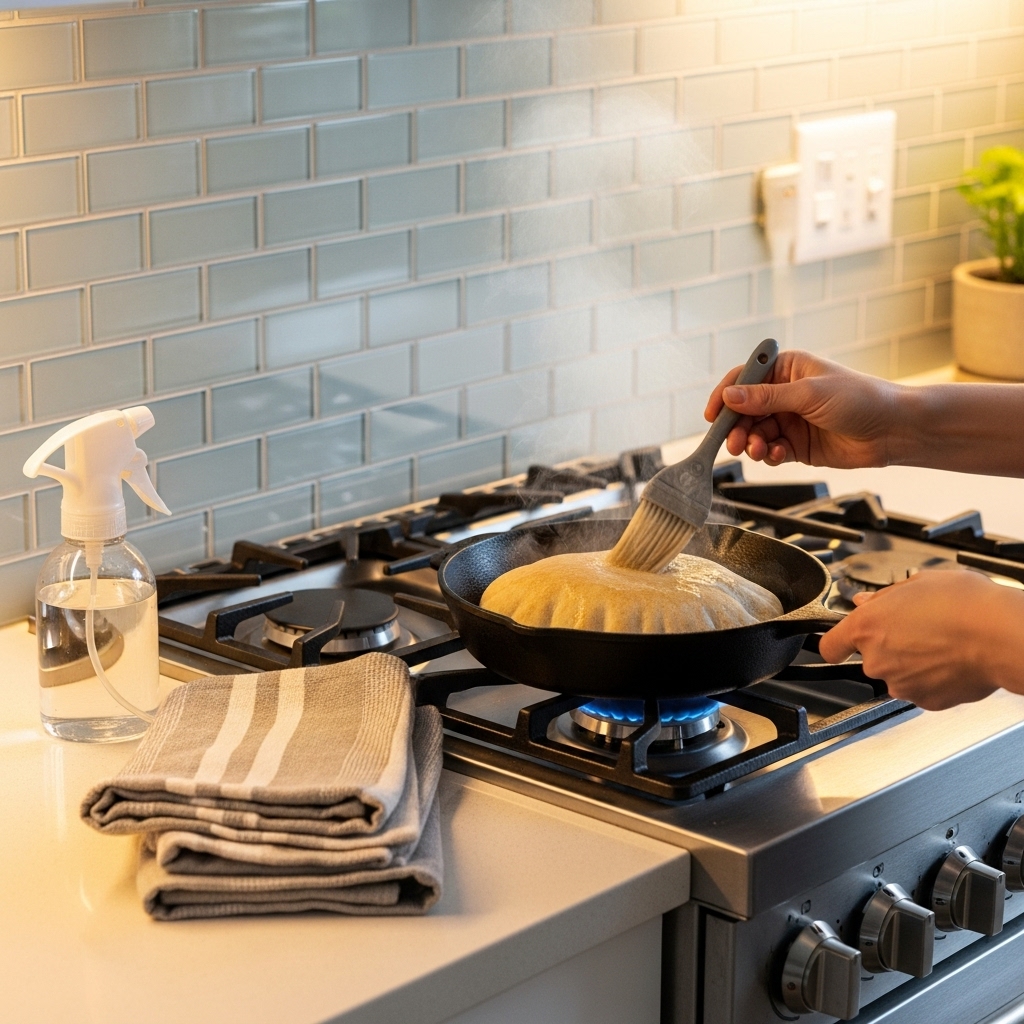
Tearing usually comes down to temperature and dryness. A cold pita is stiff; when you try to separate the layers, the surface cracks instead of flexing. The fix is to gently warm the bread to restore elasticity. Use a dry skillet over medium heat for 20 to 40 seconds per side until the pita softens and shows tiny bubbles. Let it rest for a few seconds, then use a sharp knife to cut along the edge and open the pocket with your fingers. If the pita still feels fragile, brush a few droplets of water on the surface before warming; the light steam will rehydrate it.
Another technique is pre-splitting. If you’re preparing several pitas for a family dinner, warm each one, open the pockets, and stack them under a clean towel to keep them supple as you assemble. This step prevents the last pita from cooling and stiffening while you fill the first.
Problem: The pocket won’t form
When baking at home, a pita that doesn’t puff typically needs more heat or an even surface. The pocket forms when moisture inside the dough turns to steam quickly. If your oven or skillet isn’t hot enough, or if the dough has uneven thickness, steam escapes instead of inflating the center. The fix is straightforward: preheat thoroughly and roll dough evenly. In a home oven, use a preheated baking stone or an inverted sheet pan to maximize heat transfer. On the stovetop, choose a heavy skillet or griddle, and give it time to heat. Thin spots and thick spots kill the puff, so aim for consistent thickness across the circle.
Humidity plays a role in Naperville’s seasons. On muggy summer days, the dough may feel stickier and require a touch more flour for handling; in dry winter air, a slightly higher hydration can help the pocket form. Keep notes as you bake—small adjustments make a big difference over time.
Problem: Dry, brittle pita
Dryness often comes from overcooking or improper storage. If your store-bought pita feels brittle, revival is possible. Sprinkle or lightly brush the surface with water, then warm it briefly in a covered skillet or wrapped in foil in the oven. The trapped steam will soften the bread without making it soggy. For ongoing storage, keep pitas in airtight packaging and freeze what you won’t use within two days. Avoid long stints in the refrigerator; cold air stales bread more quickly than freezing.
At the table, consider how fillings interact with texture. A dry pita asks for a moisture-forward spread—hummus, tahini, or strained yogurt—layered against the interior. This barrier protects the bread while you add crisp and juicy ingredients. Over time, better storage habits mean you won’t need rescue tactics as often.
Problem: Soggy pita
Just as dryness is frustrating, sogginess undermines a great lunch. The culprit is usually assembly order or over-saucing. Build a moisture barrier first, then nestle wetter items—like tomatoes or marinated cucumbers—toward the center of the pocket. Keep crisp lettuce or cabbage closest to the bread so it stays lively. If your lunch sits for several hours, pack components separately and assemble just before eating. For downtown workers and students alike, this small change preserves texture from morning prep to a midday break along the Riverwalk.
Also consider portion size. It’s tempting to overfill, especially with delicious sauces. A thoughtful drizzle tastes brighter than a heavy pour and leaves the bread intact. You can always add a little more at the table if you want a juicier bite.
Problem: Fillings fall out
Falling fillings usually trace back to cut size and layering. Thinly slice or small-dice firm vegetables and proteins so they nest together instead of fighting for space. Spread a creamy base to create traction—hummus, tahini, or yogurt—then press the first layer of vegetables into it. Add proteins and finish with herbs or pickles. When you take a bite, the layered structure holds rather than crumbles. For kids’ lunches, consider halving the pita and wrapping each half snugly in parchment to maintain shape until lunchtime.
Another helpful trick is to slightly warm the pita before filling. Warm bread conforms around contents, creating a snug fit. Just avoid overheating; too hot and the bread may steam itself soggy once wrapped.
Problem: Uneven reheating
Microwaves are convenient but can leave pitas tough as they cool. If you use one, wrap the pita in a damp paper towel and heat in very short bursts, then serve immediately. For better results, try a skillet or oven. In a skillet, a brief warm on each side delivers flexibility and a touch of char if you want it. In the oven, a foil wrap preserves moisture. Both methods are forgiving for family dinners when everyone eats on a slightly different schedule.
For picnics around Naperville’s parks, pre-warm pitas and wrap them in a clean towel inside an insulated bag. They’ll stay pliable long enough to assemble lunch on site without losing that fresh-made feel.
Problem: Flavor feels flat
Sometimes the pita itself is fine, but the meal lacks sparkle. Balance is the answer. Add acid—lemon juice or a vinegar splash—to wake up rich fillings. Sprinkle herbs like parsley, dill, or mint for freshness. Include something crunchy to contrast creamy elements. The bread’s role is to harmonize those notes, not dominate them. When each component is seasoned well, the pita becomes a supportive stage for vivid flavors.
For inspiration, glance at a local restaurant menu to see how bright herbs and citrus are used. Borrow those cues at home: a squeeze of lemon, a dusting of sumac, or a quick pickle can turn an ordinary wrap into a standout meal.
Problem: Overstuffing and structural collapse
It’s easy to get enthusiastic and add “just one more” ingredient. Overfilling stretches the pocket and creates pressure points that lead to tears. The fix is restraint and strategy. Build smaller, tighter layers and consider two half-pitas instead of one overloaded whole. If you’re packing lunches for a day around downtown or the Riverwalk, this approach keeps everything neat and enjoyable throughout the day.
Choose your hero and support it. If the focus is juicy grilled chicken, complement it with crisp lettuce and a lemony yogurt, not three different sauces. If vegetables take center stage, let them shine with a single creamy accent and fresh herbs. Clarity protects structure and improves flavor.
Problem: Stale taste after freezing
Freezing preserves texture well when done quickly and with minimal air exposure. If frozen pitas taste flat, try double-bagging or wrapping in foil before placing in a freezer bag. Thaw at room temperature and reheat gently to revive aroma. Avoid thawing in the refrigerator, which can accelerate staling. Naperville families with busy weeks often freeze in small bundles so only what’s needed comes out on a given night.
As you tweak these techniques, you’ll develop a reliable feel for the bread—when it wants more heat, when it needs moisture, and when to keep it simple. With practice, pita turns into a forgiving, go-to foundation for lunches and dinners that fit seamlessly into Naperville life.
Frequently Asked Questions
What’s the quickest way to soften a stiff pita?
Use a dry skillet over medium heat for 20 to 40 seconds per side. If it’s very dry, brush the surface with a few drops of water first, then warm and rest briefly to let steam redistribute.
How do I avoid tearing when opening the pocket?
Warm the pita lightly to increase elasticity, cut with a sharp knife, and use your fingers to separate layers. Pre-splitting several pitas and keeping them under a towel helps during busy service.
Can I prepare pitas ahead for a picnic?
Yes. Warm and open them at home, then wrap in a towel and pack fillings separately. Assemble on site to keep textures crisp, especially on humid summer days in Naperville.
Why does my homemade pita sometimes not puff?
Insufficient heat or uneven dough thickness are common culprits. Preheat your baking surface thoroughly and roll dough evenly. Seasonal humidity may require slight hydration adjustments.
Is there a best method for reheating leftovers?
For texture, a skillet or oven beats the microwave. In a pinch, use the microwave with a damp paper towel and short bursts, then eat immediately to avoid toughness as it cools.
Ready to turn pita problems into reliable wins? Warm a stack gently, set out your favorite fillings, and keep these fixes nearby. For flavor pairings that align with what Naperville diners already love, take a quick look at a Mediterranean menu, then make those ideas your own at the family table.