Gluten free pita bread may sound like a contradiction, but with the right flours, careful hydration, and a few tricks tailor-made for our Naperville kitchens, it becomes a weeknight reality. I have baked GF pitas through our icy winters and warm, muggy summers, and the good news is that a reliable pocket—or at least a flexible fold with soft chew—is well within reach. The goal is not to mimic wheat perfectly but to create a bread that brings the same comfort and utility to your table: something you can wrap around grilled meats, tuck with vegetables, or tear and dip into creamy spreads. If your cravings tend toward lively spices, garlicky sauces, and juicy, marinated fillings, you already know why the flavors folks love from a great shawarma menu feel so at home inside warm GF pitas.
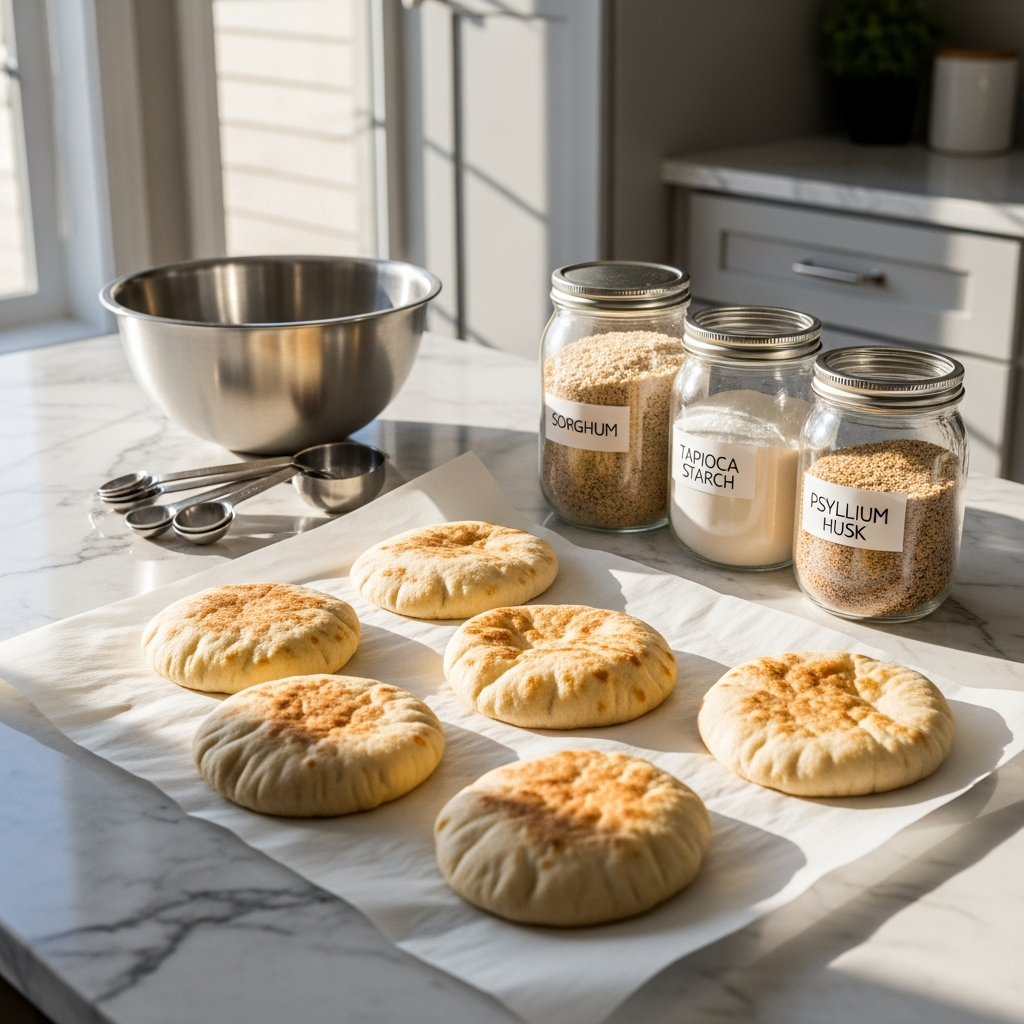
Success with gluten free doughs starts with structure. Because there is no gluten network to trap steam and stretch, we build strength through a smart blend of flours and binders. In practical terms, that means finely milled rice flour or sorghum flour for softness, a starch duo like tapioca and potato for elasticity, and a binder—usually psyllium husk or xanthan gum—to hold everything together. Hydration matters more than ever: you want a dough that is tacky and light, not dry and crumbly. After a short rest to let psyllium or xanthan do their magic, the dough rolls smoothly and bakes into rounds that are tender and pliable.
Flour blends that work in Naperville kitchens
Our local stores carry a range of gluten free flours and all-purpose GF blends. If you prefer to mix your own, aim for roughly equal parts whole-grain flour (sorghum or brown rice) and starch (tapioca and potato), then add a measured dose of psyllium husk powder. Psyllium lends stretch and moisture retention that mimic gluten’s best qualities. If you are sensitive to psyllium, xanthan gum is a viable alternative, though the texture will differ slightly. Keep notes on your ratios and the weather; Naperville’s summer humidity means you may need a spoon or two less water, while winter dryness often calls for more.
Hydration, rest, and handling
Gluten free doughs transform during rest. Once you mix water with your flours, starches, and binder, give the dough ten to twenty minutes to hydrate. This quiet window allows psyllium to form a gel network that supports puff and prevents cracking as you roll. If the dough still feels fragile after resting, wet your hands lightly with water or oil to handle it gently. Rolling between two sheets of parchment helps maintain even thickness. Aim, as with wheat pitas, for the thickness of two stacked credit cards; consistency favors a pocket or at least a uniform fold.
Heat strategy and equipment
Preheat your oven as hot as it will go with a stone, steel, or inverted heavy baking sheet inside for at least thirty minutes. The strong, immediate heat is your best ally. Slide the rounds—parchment and all—onto the hot surface, and watch for gradual inflation. GF pitas may not balloon as dramatically as wheat versions, but with proper hydration and heat, you will see a lift that sets the interior. Covering warm pitas with a towel after baking traps steam and keeps them tender.
Taste and texture tuning
Gluten free flours each bring distinct flavors. Sorghum adds gentle sweetness and wheat-like warmth, while brown rice is clean and neutral. Tapioca brings chew; potato starch helps with tenderness. A little olive oil softens the crumb, and a spoon of honey aids browning if you like a touch more color. Salt is not just about flavor; it also influences structure, so measure it consistently. Keep adjustments subtle and change only one variable at a time as you iterate toward your favorite texture.
Naperville-serving ideas for GF pitas
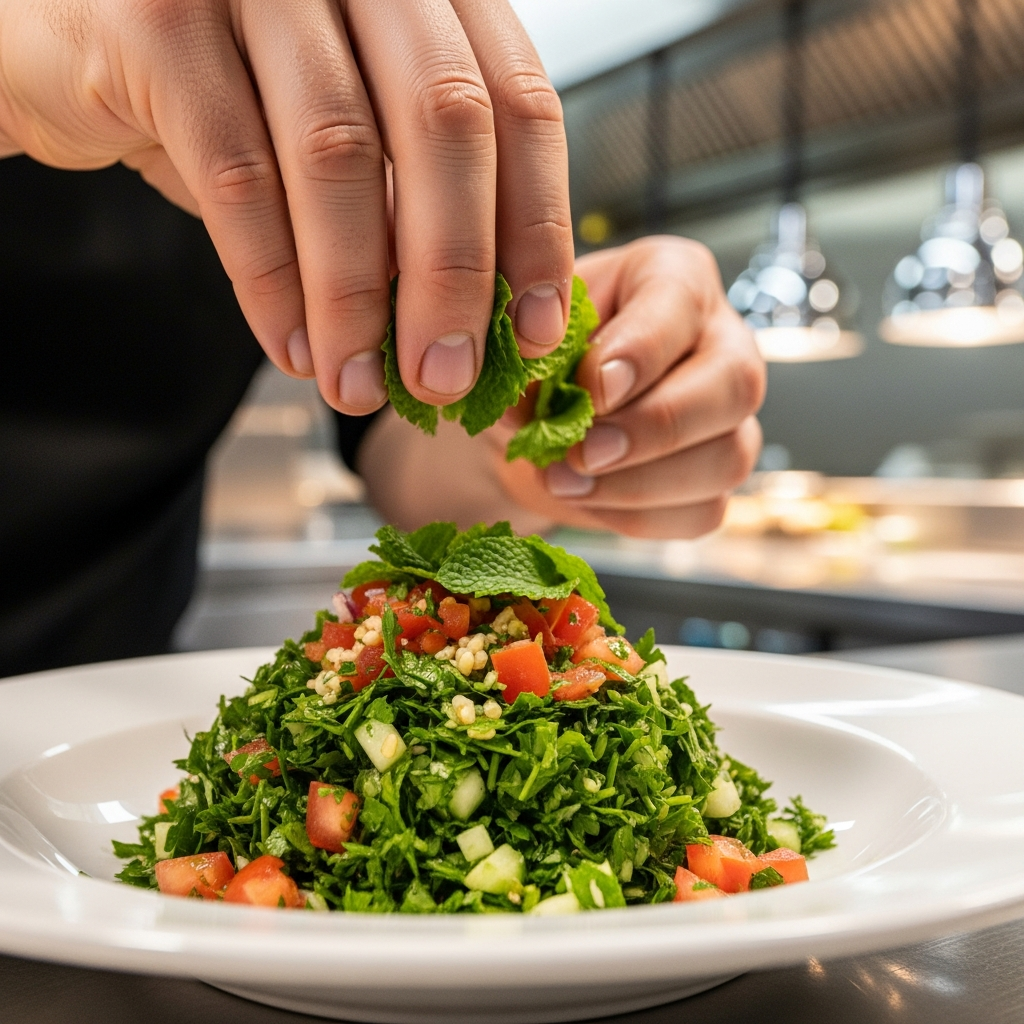
At a neighborhood cookout near Frontier Sports Complex, set out warm gluten free pitas next to grilled chicken and lemony slaw, and watch them vanish. In colder months, serve them with lentil soup or roasted vegetables for a cozy dinner that is safe and satisfying for gluten-sensitive guests. If you are planning a party, think beyond simple wraps: tear and dip with hummus, layer with roasted peppers and herbs, or go classic with garlicky yogurt sauce and spiced meats that echo the best of a well-loved shawarma menu. The bread’s mild flavor provides a warm, familiar backdrop to bold fillings.
Troubleshooting the pocket
When a true pocket eludes you, do not give up; small adjustments often bring big payoffs. If rounds crack at the edges, the dough is likely under-hydrated or did not rest long enough for the binder to activate. If the bread bakes up dense, reduce flour slightly or add a tablespoon more water. When there is no puff at all, check your oven heat and preheat time first; GF doughs rely on that thermal shock. Rolling too thick also prevents steam from separating the layers, so aim for uniform thinness.
Make-ahead and storing tips
Gluten free pitas freeze beautifully. Cool them completely, separate with parchment, and freeze in a bag. Reheat in a hot oven wrapped in foil for a minute or two to revive their tenderness. You can also refrigerate dough for a day after mixing; the rest can deepen flavor and improve handling. If you are juggling commutes, school pickups, and community events, having a stash in the freezer keeps meals inclusive and easy.
Flavor add-ins and gentle tweaks
A sprinkle of sesame seeds on top adds aroma and subtle crunch. Za’atar brings herbal brightness that perfumes the kitchen. A dash of garlic powder in the dough offers savory warmth without overwhelming the crumb. Keep oil additions light so you preserve the chance for a pocket. If you miss the nutty notes of whole wheat, sorghum flour is your friend; it brings a fuller grain flavor that feels familiar.
How GF pita fits Naperville life
Our town’s gatherings are about welcome and ease. When you offer gluten free pitas at a block party, you are sending a message: everyone gets to enjoy this meal. They fit family nights, busy weekdays, and weekend entertaining. They travel well for picnics at the Riverwalk and reheat quickly when you walk in from a cold evening downtown. In other words, they are just as at home here as any beloved local staple.
Frequently asked questions
What is the best gluten free flour blend for pita?
A mix of a whole-grain flour like sorghum or brown rice with starches such as tapioca and potato, plus psyllium husk for binding, creates a reliable texture. If you prefer a ready-made GF blend, choose one that includes a binder and test hydration until the dough feels pliable and slightly tacky.
Can gluten free pitas form a true pocket?
Yes, many do, though the puff may be more modest than in wheat pitas. The key is proper hydration, an adequate rest to activate the binder, uniform rolling, and a thoroughly preheated baking surface that delivers strong initial heat.
How do I keep GF pitas from crumbling?
Hydration and binders are critical. Use psyllium husk powder or xanthan gum as directed, give the dough time to gel, and keep baked rounds covered with a towel as they cool to trap steam and maintain flexibility.
Do I need a baking stone?
It helps, but an inverted heavy baking sheet preheated for at least thirty minutes also works. The goal is an intense blast of heat; the heavier the surface, the better it holds temperature when you load the dough.
How should I store gluten free pita bread?
Cool completely and store in an airtight container for a day or two at room temperature, or freeze with parchment between rounds. Reheat in a hot oven or on a dry skillet to restore softness before serving.
What fillings pair well with GF pita?
Everything from grilled chicken and roasted vegetables to herb-packed salads and tangy sauces works beautifully. Look to the balance and spice you might see on a favorite shawarma menu for inspiration, and keep textures varied—crunch, creaminess, and acidity make each bite pop.
If you are ready to make inclusive, crowd-pleasing bread a staple in your home, gather your gluten free flours, preheat that oven, and trust the process. The first batch will teach you a lot; the second will make you proud. And when it is time to share, let your flavors borrow a page from a bold, inviting shawarma menu as you fill your warm rounds and welcome everyone to the table.