
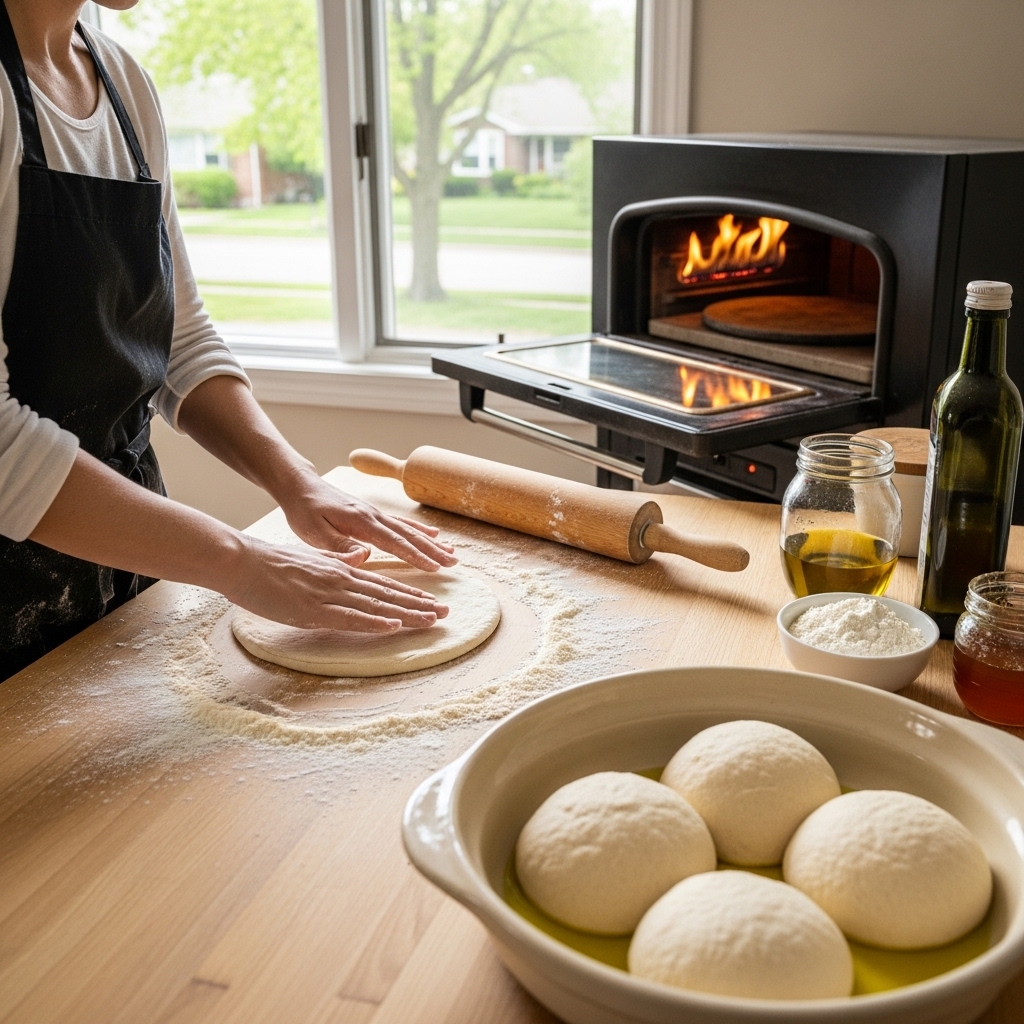
A Naperville Kitchen Journey to the Perfect Homemade Pita
There is a moment every Naperville home baker hopes for, the instant when a round of dough inflates like a balloon and transforms into a pocket with steam, fragrance, and promise. I’ve chased that moment across many seasons along the Riverwalk, tinkering with flour on quiet winter afternoons and opening the windows on warm July evenings to let in the DuPage breeze. When neighbors ask how to bring that café-quality pita to their own tables, I start with a simple truth: great pita is less about fancy equipment and more about understanding dough, heat, and timing in your own home. It also helps to taste broadly for inspiration, whether that’s grabbing a picnic bench near Centennial Beach or scanning a Mediterranean menu that sparks your imagination about fillings and flavors.
Because Naperville weather reliably reminds us who is in charge—from snow-crisped sidewalks to humid summer afternoons—you’ll find the dough has moods of its own here. Learning to read those moods is the key to consistently puffed pita. The recipe I share below has evolved through weekend bake-alongs with friends in east side ranch homes and late-night kitchen experiments near 95th Street. It is not a rigid script; it’s a conversation with your ingredients, your oven, and the rhythm of your day. By the time the last batch cools on a rack, you’ll recognize a texture and aroma that belongs uniquely to your kitchen.
Gathering Ingredients with a Local Eye
Pita dough is elegantly simple: flour, water, yeast, salt, and a touch of sweetness and fat. The magic comes from proportion and method. I prefer a strong all-purpose flour for most Naperville kitchens because it strikes a forgiving balance, but if you can find a bread flour with protein in the 11.5–12.5 percent range, you’ll notice extra structure that helps with puff. Whole wheat adds nutty depth—especially a local or freshly milled option from an area market—but it also drinks more water, so expect to increase hydration accordingly. Our local tap water, filtered or rested briefly to release chlorine, works wonderfully. Olive oil brings tenderness; a teaspoon of honey or sugar feeds yeast and encourages browning without sweetness.
As for yeast, instant yeast is my default for simplicity, but active dry works perfectly if proofed in warm water first. What matters most is freshness. In winter, when your pantry runs cool, store yeast in the fridge in an airtight container; in summer, be mindful of heat by keeping it in a stable, shaded cabinet or refrigerated as well. Salt shapes flavor and moderates fermentation, so don’t skimp. The dough should taste faintly seasoned even before baking, like the promise of a savory meal to come.
Mixing: Building Strength and Elasticity
Start by whisking together flour, yeast, and salt, then add warm water—think the temperature of a comfortable bath—and a drizzle of olive oil. Mix until shaggy and let it rest for ten minutes; this pause lets the flour hydrate. When you return, the dough will have relaxed, and kneading will feel smoother. Knead by hand for eight to ten minutes on a lightly oiled counter, or use a stand mixer on low to medium speed. The goal is a surface that turns from sticky to tacky, then to softly elastic, clinging to your hand with gentle insistence but releasing cleanly. If it wildly sticks, add a dusting of flour to the counter; if it feels dry and tight, wet your fingers to introduce a touch more water. Naperville’s winter air can be notably dry indoors, so you may find yourself adding a teaspoon or two of water compared to summer.
Look for signs of developing gluten: the dough should stretch thin without tearing quickly. You don’t need a perfect windowpane, just a dough that feels alive and responsive. When it’s ready, shape into a smooth ball, lightly oil the surface, and nestle it into a clean bowl. Cover snugly to prevent drafts, which are notorious near historic windows in older Naperville homes, and let it rise until it’s puffy and nearly doubled.
Fermentation in a Naperville Climate
Fermentation timelines vary with the seasons. On a warm July afternoon, your dough might double in 60 to 75 minutes; in January, it could take up to two hours or more. Trust the feel over the clock. Gently press the dough with a fingertip; if the indentation springs back slowly and not completely, you’re ready. If it springs right back, give it more time. If the dough feels slack and collapses with a sour aroma, you’ve overshot; that batch can still make tasty flatbreads, but you’ll coax better pockets by reducing rise time next round.
For deeper flavor, try a cold ferment in the fridge overnight. A slow rise is forgiving if your schedule involves school pickup near 75th Street or a late meeting downtown. After chilling, let the dough return to room temperature before shaping; a cool, firm dough resists rolling thinly enough for a reliable pocket.
Dividing, Resting, and Rolling
Turn the dough onto a lightly floured counter and divide into equal pieces—about the size of a small orange yields pitas perfect for stuffing with grilled chicken or roasted vegetables. Round each piece into a tight ball by tucking the edges underneath and turning against the counter with cupped hands, a motion as soothing as watching the DuPage River ease past the Riverwalk’s curved stones. Cover and rest for 20 to 30 minutes. This bench rest relaxes gluten and prevents shrinkage when you roll.
Rolling is where many bakers set the stage for success. Work with one piece at a time, keeping the others covered. Lightly flour the counter and the top of the dough. Roll gently from the center outward, rotate a quarter turn, and repeat, preserving a circle roughly a quarter-inch thick. The edges can be a hair thicker than the center to encourage an even puff. If the dough snaps back, give it a few more minutes to relax. Avoid pressing out surface bubbles aggressively; those tiny air pockets are your allies.
Heat: The Engine of the Pocket
For oven baking, place a baking steel or stone on the middle rack and preheat at 500°F for at least 45 minutes. In many Naperville homes, ovens run cool or fluctuate, especially older electric models, so a longer preheat stabilizes heat mass. A hot, even surface is the difference between modest swelling and dramatic, balloon-like puffing. If you lack a stone, an inverted heavy sheet pan preheated in the oven works better than a cold surface. When ready, transfer one or two rounds to the hot surface and watch through the window. Within a minute, you’ll see bubbles form; by two to three minutes, the round should inflate. Once fully puffed with a hint of color, remove to a rack and cover with a light towel to keep them soft.
Stovetop cooking can be equally satisfying. Heat a heavy cast-iron skillet over medium-high until a drop of water skitters. Lay in the dough; when bubbles blossom, flip, press gently with a spatula, and watch it inflate. Cast iron offers a direct, radiant heat that suits kitchens that don’t love high-heat oven bakes during summer. A final pass directly over an open gas flame with tongs, if you have one, can add a kiss of char reminiscent of a traditional hearth.
Midway through your batch, you may find yourself daydreaming about how these pockets cradle shaved meat, crisp vegetables, and garlicky sauces. If you need inspiration for flavor pairings while your next round bakes, it never hurts to peek at a shawarma-focused shawarma menu and imagine how your warm pitas will hold their own against bold spices and cool, creamy contrasts.
Troubleshooting Puff and Texture
When a pita refuses to puff, diagnosis begins with thickness. Too thick, and steam struggles to separate the layers; too thin, and the top and bottom fuse instead of inflating. Next, consider heat. Low oven temps—or baking on a surface that hasn’t fully preheated—are the chief culprits. A third factor is moisture. Dough that’s too dry seals itself before steam can expand it. If your winter kitchen air is parched from heating, mix with a slightly higher hydration and keep the dough covered diligently. Finally, handle rolled rounds gently so the top and bottom face stay intact; pressing with fingertips can weld the layers.
Texture issues follow similar logic. If your pitas taste bready and dense, extend the initial rest after mixing and watch kneading time so gluten organizes without tightening too much. If they’re too soft and pale, leave them a touch longer in the oven or finish with a brief broil to add color, though keep a vigilant eye: seconds matter at high heat. Remember that each oven in town has a personality; part of the fun is learning the quirks of yours.
Local Sourcing and Community Notes
We’re fortunate around here to have dependable access to fresh flour and produce. Swing by the Naperville Farmers Market on Saturday mornings for herbs and seasonal vegetables that love to be tucked inside pitas—think late-summer tomatoes, early fall peppers, and winter greenhouse greens. Look for locally milled whole wheat or talk with vendors about flour freshness; even a few weeks can make a surprisingly flavorful difference. In neighborhood groceries, sift through the flour shelves for unbleached options with clear protein listings, and pick up a jar of tahini that tastes nutty and bright. When you bring ingredients home, store flour in airtight containers, ideally in a cool pantry or fridge, to ward off humidity swings that so often arrive with June thunderstorms.
Community potlucks are a wonderful place to test your pita in the wild. A stack wrapped in a clean towel, paired with roasted carrots spiked with cumin or a lemony grilled chicken, always disappears. On spring evenings, I’ve watched kids run between the picnic tables near Rotary Hill with pita folded around crunchy cucumbers, proof that good bread needs no ceremony—just good company.
Serving, Storing, and Rewarming
Fresh from the oven, pita is tender enough to tear into and scoop up dips, or to split and fill without cracking. If you plan to stuff them, let each round rest under a towel for a minute to relax the crumb. For storage, cool completely before sealing to avoid condensation. At room temperature, they keep a day or two; beyond that, freeze in a stack with parchment between each round. To rewarm, wrap in a barely damp towel and heat briefly in a low oven, or pass each pita over a hot skillet for 30 seconds per side to revive flexibility. Frozen pitas defrost quickly on the counter, a gift on busy weeknights when dinner needs to come together between commuting on Washington Street and homework spread over the kitchen table.
Flavor Variations that Respect Tradition
Classic pita shines with restraint, but subtle variations can complement local produce. Knead in a spoonful of sesame seeds for toasty fragrance or a whisper of za’atar for herbal brightness. A portion of whole wheat—say, a third of the total flour—adds flavor without sacrificing puff when you keep hydration generous. If you grill often, brush rounds lightly with olive oil and a rubbed garlic clove after baking; the residual heat blooms the aroma and pairs beautifully with charred zucchini, late-summer corn, or skewers sizzling on the patio.
Timing Your Bake Around a Naperville Day
The rhythm of a good bake fits around life. Mix the dough after breakfast, let it rise while you stroll the Riverwalk or run an errand on Ogden, then divide and bench rest when you return. Roll and bake just before dinner so the kitchen smells inviting. If evening commitments pull you away, tuck the dough into the fridge and resume after you’re back; the slower fermentation often improves flavor. Hosting friends? Double the batch and set up a little topping bar—crisp lettuce, tomatoes, pickled onions, roasted peppers, and a cooling yogurt sauce—so everyone can build their favorite pocket.
Confidence Through Repetition
The first time your pita balloons, you’ll feel like dancing in your kitchen. The second time, you’ll start predicting which round will puff first, learning to read the tiny blisters that signal success. By the third or fourth bake, the process becomes companionable. You will sense when the dough is underworked, when the stone isn’t hot enough, when the air is dry. This sensitivity is the hallmark of a home baker who has practiced and paid attention, and it’s what transforms a simple flatbread into the heartbeat of a meal.
Frequently Asked Questions
Why didn’t my pita puff even though I followed the steps?
Most often, the baking surface wasn’t fully preheated or the dough was rolled either too thin or too thick. Give your stone or inverted sheet pan a full 45-minute preheat at 500°F, and aim for a quarter-inch thickness with slightly thicker edges. Also confirm your dough wasn’t too dry; a touch more water helps create steam. Handle rolled rounds gently so the top and bottom layers stay distinct.
Can I make pita without a baking stone?
Yes. Preheat an inverted heavy sheet pan and bake directly on it, or use a cast-iron skillet on the stovetop. The key is concentrated, even heat. If your oven runs cool, bake one pita at a time near the hottest part of the oven and give the pan a few moments to recover between rounds.
Is whole wheat a problem for puff?
Not at all, but whole wheat absorbs more water and can weigh the dough down if hydration is low. Increase water slightly, knead until elastic, and keep the center of each round a touch thinner than the edges. Many bakers find a blend—two parts white flour to one part whole wheat—delivers a great balance of flavor and reliable pockets.
How do I store dough if plans change?
After the first rise, you can refrigerate the dough for up to 24 hours. Let it warm at room temperature, then divide, rest, roll, and bake. Cold dough resists rolling, so budget extra time. You can also freeze cooked pitas; thaw at room temperature and refresh briefly in a warm oven or skillet.
What fillings work best for sturdy, non-soggy pockets?
Layer thoughtfully: greens or grilled vegetables first to create a barrier, followed by juicy proteins or saucy components, and finish with crisp elements for texture. Toss watery components with just enough dressing to coat rather than drench. Warm pitas are more flexible, so fill them soon after reheating for fewer tears.
Can I scale this recipe for a gathering?
Absolutely. Double or triple the dough and stagger the bake. Keep finished pitas wrapped in a towel-lined basket to retain steam and softness. If you have two baking surfaces, rotate them to maintain heat, and accept that the first round might be your warm-up batch while the oven stabilizes.
If you’re feeling inspired to turn your fresh pitas into a full spread, bring your appetite and your curiosity. Try your hand with roasted meats, grilled vegetables, and bright sauces, and if you want ideas for complementary flavors, browse a local Mediterranean menu and build a meal that celebrates Naperville’s love of gathering at the table.