
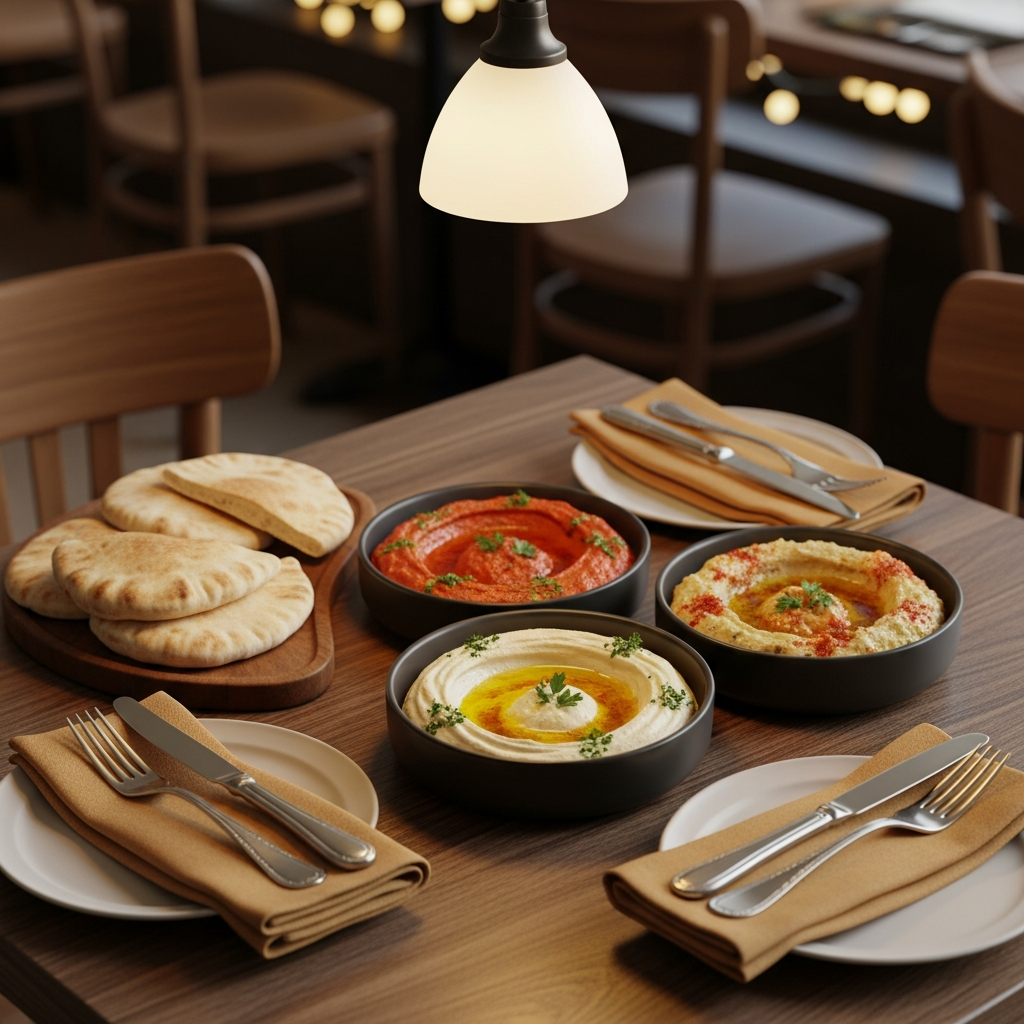
Naperville diners know the ritual well: a warm round of pita arrives, the table leans in, and conversation pauses just long enough for everyone to tear a soft edge, scoop a creamy dip, or build a quick handheld bite. It’s everyday pleasure—the kind that fits a weekday lunch downtown as easily as a weekend picnic near the Riverwalk. When you enjoy pita this often, questions naturally follow. How does it fit into a balanced meal? What distinguishes white from whole wheat? Which labels should you scan at the grocery store? If you’re sorting through these details, you’re not alone. Understanding pita’s nutrition helps you pair it smartly, choose styles you love, and build meals that leave you satisfied without feeling weighed down. And when you want ideas for what to tuck inside those rounds, a quick look at a local shawarma menu can guide you toward combinations that sing.
Let’s start with the basics. Pita is a yeast-leavened flatbread whose nutrition profile hinges on flour type, portion size, and extras like oil or sweetener. Many standard white pitas and whole wheat pitas of similar size share comparable calories, with differences showing up in fiber, micronutrients, and how full you feel afterward. In practice, this means you can enjoy either option, tailoring the rest of your plate to your goals—more vegetables and lean proteins if you want a lighter feel, or richer spreads and stews when you’re after comfort.
White vs. Whole Wheat: What Changes and What Doesn’t
White pita typically uses refined flour, which has the bran and germ removed. This tends to produce a softer texture and milder flavor, and many diners love the delicate feel. Whole wheat pita includes bran and germ, boosting fiber and certain vitamins and minerals. That fiber not only supports digestion but also contributes to satiety—one reason a whole wheat pocket can feel especially satisfying during an active day.
Because brands and recipes vary, exact numbers differ, but think in terms of ranges. A medium round of pita often contains a moderate amount of energy with several grams of protein and, in the case of whole wheat, a notable bump in fiber compared to a white version of the same size. Sodium, meanwhile, fluctuates widely depending on recipe; breads seasoned more assertively can carry higher sodium, while simpler formulas remain moderate. When shopping, compare labels for fiber and sodium to suit your preferences.
Ingredients to Notice on Labels
Short, clear ingredient lists usually signal straightforward flavors and textures. For white pitas, look for enriched wheat flour, water, yeast, salt, and perhaps a touch of oil or sugar for tenderness and browning. For whole wheat, whole wheat flour should appear prominently, sometimes alongside a portion of white flour to soften the crumb. If you’re monitoring added sugars, take a glance at the line for total sugars; small amounts are common and often used to encourage browning or balance flavor. If you prefer minimal additives, you can find options that keep the list lean and familiar.
Texture is an ingredient in its own right. A well-made pita feels pliant, folds easily, and, when warmed, releases a subtle aroma of toasted grain. Pocket style or pocketless, that sensation of softness is a sign of proper hydration and heat during baking. If a packaged pita seems stiff straight from the bag, don’t write it off—gentle reheating in a skillet or low oven can restore the tenderness that makes pita so appealing.
Portion Size and Satiety
When we talk nutrition, portion size sets the frame for the conversation. In Naperville kitchens, I often see people build meals around one medium pita paired with abundant vegetables, a scoop of protein, and a flavorful sauce. Others prefer two smaller rounds. Either way, balance does the heavy lifting. Vegetables add volume and crunch without overwhelming the bread’s role; proteins contribute staying power; sauces and spreads bring character. A well-built pita meal satisfies both taste and energy needs without leaning excessively on any single component.
Whole wheat’s fiber advantage shows up most clearly when your day asks a lot from you—errands that send you up and down Washington Street, a bike ride to Centennial Beach, or a late afternoon of meetings. Fiber slows digestion slightly, smoothing energy release and keeping you comfortably full. White pita, by contrast, pairs beautifully with fiber-rich sides like salads and vegetables to achieve a similar equilibrium.
How Pita Behaves in a Meal
Pita is more than a starch; it’s a carrier that shapes the way you eat the rest of the plate. Tucking vegetables and proteins inside a pocket naturally encourages balanced portions. The act of folding and layering slows the pace a bit, which can heighten satisfaction. From a practical standpoint, pita also simplifies on-the-go dining. Wrapped well, it travels, whether you’re heading to a bench by the river or to a table at home with family gathered around.
Flavor-wise, pita is a diplomatic partner. It welcomes bright acids like lemon, earthy spices, and creamy elements such as tahini or yogurt-based sauces. When considering nutrition, these companions matter. A yogurt-tahini sauce brings protein and calcium; chopped herbs and crisp vegetables deliver vitamins and texture; lean meats or roasted chickpeas contribute substance. The bread becomes the frame that supports the picture.
Reading Menus and Making Smart Swaps
When dining out around downtown Naperville, you can adjust small choices to match your goals. Ask for extra vegetables inside your pita or alongside it. Request sauces on the side so you can add just what you want. If the kitchen offers whole wheat, give it a try—many diners discover they love the flavor and the way it keeps them full. And when you’re choosing what to order, scanning a local Mediterranean menu can help you imagine balanced pairings before you sit down, from herb-lively salads to grilled proteins that feel generous but not heavy.
Home Reheating and Texture
No matter where you source your pita, how you warm it affects both taste and perceived nutrition—because enjoyment changes how you experience a meal. A quick pass in a hot skillet or a minute in a low oven under a damp towel revives softness and aroma. Warm bread invites mindful bites and slower eating, both of which can help you pay attention to fullness cues. If you’re meal-prepping, stack warmed pitas in a towel-lined container so they stay tender as you assemble fillings.
Allergens and Dietary Considerations
Most pitas contain wheat and are not gluten-free. If you’re avoiding dairy or eggs, read labels; many recipes exclude them, but variations exist. Sesame shows up in some menus through tahini or seed toppings, so note that if you’re sensitive. When in doubt, ask—Naperville’s kitchens are used to these conversations and can often suggest swaps that suit your needs.
Kids, Teens, and Family Meals
Pita is a natural fit for family tables. Kids enjoy the handheld format and the chance to build their own combinations. From a nutrition perspective, that’s a win: offer vegetables, proteins, and sauces, and let everyone assemble according to appetite. Whole wheat can be introduced gradually by mixing with white pitas until preferences settle. Because the bread itself is mild, it becomes a friendly vehicle for new flavors, easing picky eaters toward fresh herbs, crunchy salads, and warmly spiced fillings.
Frequently Asked Questions
Is whole wheat pita always the more nutritious choice?
Whole wheat usually carries more fiber and certain micronutrients, which many people value. That said, the best choice is the one you enjoy and can pair well with vegetables, proteins, and sauces. A balanced plate matters more than any single swap.
How can I make a pita meal feel lighter?
Load up on crisp vegetables inside the pocket, choose lean proteins like grilled chicken or chickpeas, and go easy on dense spreads. Warm the pita so it feels soft and aromatic; satisfaction often comes from texture and temperature as much as from portion size.
What should I look for on packaged pita labels?
Focus on fiber, sodium, and a clear ingredient list. Whole wheat pitas tend to offer more fiber; sodium varies widely by brand. Choose the combination that matches your taste and goals, and remember that gentle reheating improves texture regardless of brand.
Are pocketless pitas less nutritious?
Not inherently. Pocketless rounds can have similar ingredients and nutrition. They tend to be slightly thicker and pair beautifully with dips and salads. Consider how you’ll serve them and what else is on the plate.
How does reheating affect nutrition?
Reheating doesn’t significantly change macronutrients, but it can improve enjoyment and how satisfied you feel, which often leads to more mindful portions. A quick warm-up restores softness and aroma without drying the bread.
Can pita be part of a heart-conscious eating plan?
Yes, especially when paired with plenty of vegetables, legumes, lean proteins, and olive oil-based sauces. Opt for whole wheat if you want extra fiber, and be mindful of sodium if you’re watching it—labels and restaurant conversations help here.
If you’re ready to put these ideas on the table, start simply. Warm a round, gather colorful vegetables, add a protein you enjoy, and finish with a sauce that makes you smile. For inspiration, skim a local menu and borrow a few winning combinations. Then head to the Riverwalk, your backyard, or the dining table and enjoy the kind of Naperville meal that’s both satisfying and sensible—one soft, warm bite at a time.