
Keeping pita bread soft, fragrant, and ready for last-minute meals is easier than many Naperville home cooks realize. With a few simple habits, you can serve bread that tastes freshly baked even on the busiest weeknights. I’ve learned these habits by paying attention to what our local restaurants do well—timing, gentleness, and heat—and by noticing how small tweaks at home pay off. When I’m planning a family dinner or hosting friends, I’ll sometimes browse a favorite spot’s menu just to spark ideas for pairings; then I turn my attention to the bread itself, because properly stored pita elevates everything it touches.
Pita’s charm lies in its softness, its faint sheen, and the way it welcomes a range of fillings—from crunchy salads to savory grilled meats. Those qualities depend on moisture and elasticity, which in turn depend on how you store and reheat the bread. The good news is that the path to great pita is straightforward once you understand a few principles about air, temperature, and timing.
Room-Temperature Storage: Short-Term Success
For pitas you plan to eat within 48 hours, room-temperature storage is your best friend. Keep them in a resealable plastic bag or a lidded container with as much air pressed out as possible. Air dries bread quickly; removing it preserves softness. If your kitchen tends to be dry—common during Naperville’s winters—put a small piece of parchment between rounds to prevent sticking while still allowing easy separation when it’s time to warm and serve.
Placement matters. Keep the bag away from direct sunlight and heat sources, which accelerate staling. A pantry shelf or a cool cabinet works well. When it’s time to eat, rewarm pitas briefly to restore their elasticity and bring back that wheaty aroma that makes the table fall quiet for a moment.
Freezing Pita: Your Quality Back-Up Plan
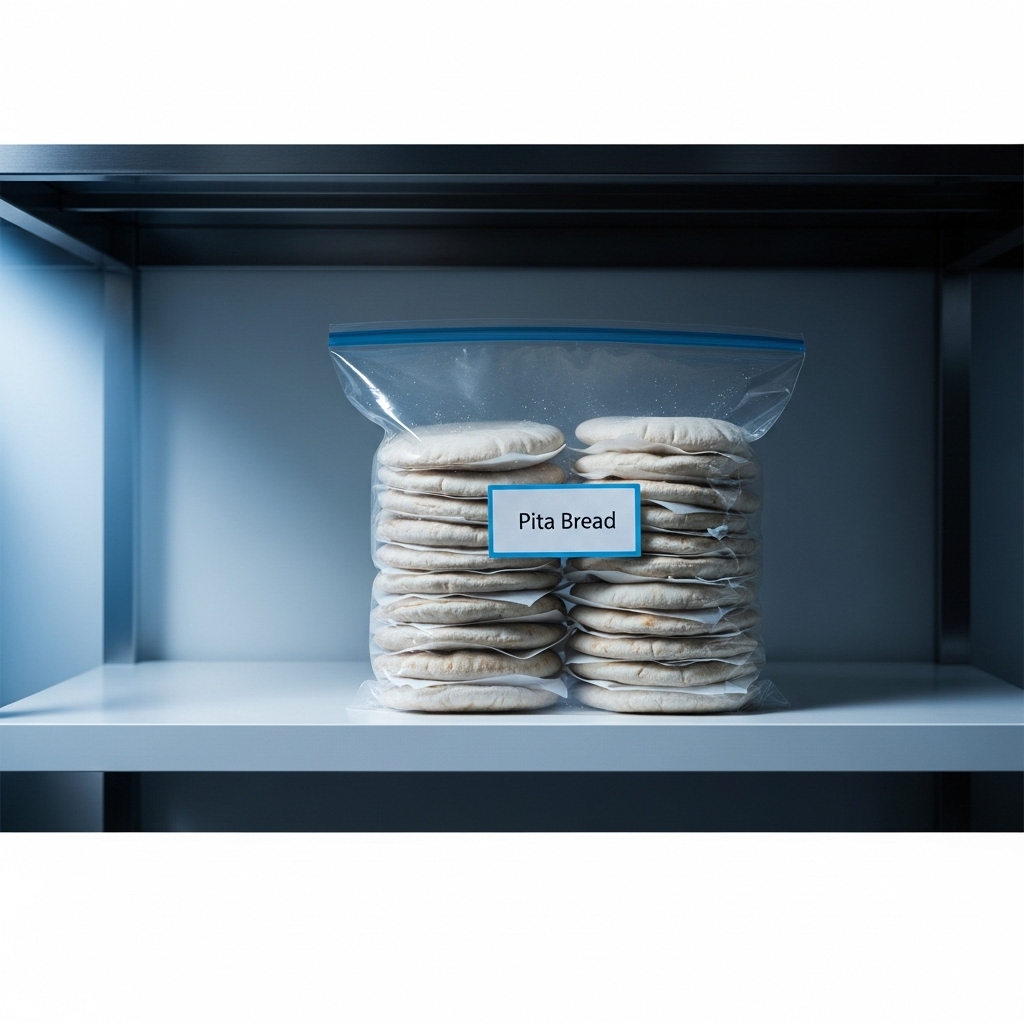
If you’re shopping for a week of meals or hosting a gathering, freezing is the simplest way to hold onto freshness. Freeze pitas the same day you buy them if you won’t use them within two days. Stack the rounds with parchment between each piece to make it easy to pull out exactly what you need. Slide the stack into a freezer bag, press out air, and seal tightly. Labeling the bag helps you rotate stock, ensuring you always reach for the oldest first.
Thawing is easy. Pull the number of rounds you need and set them on the counter for 20 to 30 minutes, then rewarm. If you’re short on time, you can defrost gently in a microwave set to low power, but warm immediately afterward in a dry skillet or oven to restore the tender crumb. Properly frozen pita can taste remarkably close to fresh, which is why so many Naperville households keep a backup stack on hand.
Rewarming Techniques That Bring Pita Back to Life
Heat is the secret to pita’s best self. A dry skillet over medium heat is the most reliable method; it warms quickly and creates a hint of char that deepens flavor without drying the bread. Flip frequently to avoid hotspots, and remove as soon as the bread is pliable and fragrant. If you’re serving a crowd, a low oven works well. Wrap pitas in foil and warm in small batches, transferring them to a towel-lined basket to hold heat at the table.
Microwaves can help in a pinch, especially if you wrap the bread in a slightly damp paper towel. Use short bursts and stop as soon as the bread softens. Always finish with a quick pass on a hot skillet or in the oven if you can; that last step prevents gumminess and restores the pleasant, bready aroma that defines great pita.
Moisture Management: Soft, Not Soggy
Maintaining just the right amount of moisture separates exceptional pita from a merely serviceable one. Too little, and you get brittle edges; too much, and the bread turns spongy. The covered-skillet method creates controlled steam that relaxes the crumb without making the surface wet. If you’re warming multiple rounds, stack them as they come off the heat and cover with a clean towel to retain just enough steam for softness. Serve promptly; prolonged steaming can blur texture.
Avoid storing warm pita in airtight containers while it’s still giving off steam. Condensation inside the bag can lead to soggy spots and shorter shelf life. Let the bread cool slightly, then seal and store.
Smart Handling to Prevent Tears
Pita that’s handled gently lasts longer and performs better. When separating stacked rounds, don’t yank; slide a hand between layers and ease them apart. If you plan to open pockets, warm the bread first and use a sharp knife for a clean cut. For wraps, resist the urge to overfill, especially with wet components. Use greens or a light spread as a moisture barrier and place juicy ingredients toward the center. These small habits preserve structure so the bread stays flexible rather than splitting under pressure.
When packing lunches for work or school, assemble as close to eating time as possible. If you must prep ahead, keep sauces separate and add them at the last minute. A little forethought goes a long way toward preserving texture until noon.
Buying Tips for Better Shelf Life
Start with the freshest bread you can find. Look for pitas that are soft and pliable, with a slight sheen and a clean, wheaty aroma. Packaging should be intact without condensation or damp spots, which can signal a rough journey from bakery to shelf. In Naperville, many stores rotate pita frequently, so don’t hesitate to ask staff when the latest batch arrived. The fresher the starting point, the easier it is to maintain quality at home.
Consider whole-wheat or multigrain pitas if you want extra durability for saucy fillings; they often hold moisture a bit better and bring a pleasant nuttiness to the plate. Whether white or whole-wheat, treat the bread with the same care once you’re home.
Serving Warm Pita to a Crowd
When you’re hosting, timing is your ally. Warm bread in waves rather than all at once so each basket hits the table at peak tenderness. Line baskets with towels and keep a second basket in rotation. Guests will notice—and appreciate—the steady stream of warm rounds that make dips and salads sing. If you’re transporting bread across town, pre-warm, wrap tightly, and give each round a brief refresh in a hot skillet when you arrive.
Restaurants in Naperville excel at this, coordinating bread service to the pace of conversation. Pay attention to how often warm bread appears and try to mirror that cadence at home. It’s an easy way to elevate a casual dinner into something that feels special.
Minimizing Waste With Creative Uses
Even with careful storage, you might end up with pitas that are slightly past their prime. Don’t toss them. Turn them into crisp flatbread chips by brushing with olive oil and baking until lightly browned; serve alongside a salad or with your favorite dip. You can also tear bread into pieces, toast them, and use them as croutons that bring a Mediterranean twist to soups. These transformations stretch your grocery dollar and keep food waste low, a priority many Naperville families share.
For breakfast, stale pitas can become a base for eggs and vegetables. Warm in a skillet, top with a quick scramble and herbs, and you’ve turned leftovers into something that feels intentional and satisfying.
Seasonal Considerations in Naperville
Our weather plays a quiet role in bread care. In winter, indoor air is dry, so bread stales faster; respond by sealing pitas promptly and reheating with gentle steam. In summer, humidity can make storage tricky; keep bread in a cool, shaded spot and avoid sealing while warm, which traps moisture. A little awareness of the season helps you maintain consistent quality year-round.
When party season rolls around—graduations, holidays, backyard gatherings—plan for storage and reheating just as you would for proteins or produce. Assign someone the role of “bread steward,” making sure warm rounds reach the table in steady intervals.
Home Oven vs. Skillet vs. Grill
Each method has its strengths. Ovens are great for warming large batches evenly, especially when pitas are wrapped in foil. Skillets offer precision and speed, allowing you to add a hint of char. Grills infuse smoke, which pairs beautifully with summer vegetables and grilled meats. Choose the method that suits the meal and the number of diners, and don’t hesitate to combine approaches—pre-warm in the oven, finish on the grill, then hold in a towel-lined basket.
If you bake your own pita, a blazing-hot surface is nonnegotiable. A stone or steel that’s been preheating for at least 45 minutes helps achieve that satisfying puff. Even if you’re buying bread, understanding the baking process deepens your appreciation and informs how you treat it at home.
Frequently Asked Questions
Below are answers to common questions from Naperville home cooks who want consistently soft, fresh-tasting pita.
How long does pita last at room temperature?
Generally one to two days, provided it’s sealed and kept away from heat and sunlight. Beyond that, quality declines quickly. Freeze what you won’t use to preserve softness and flavor.
What’s the best way to reheat pita without drying it out?
A covered skillet or a foil-wrapped bundle in a low oven. Both methods trap gentle steam, which relaxes the crumb. Stop reheating as soon as the bread is pliable and fragrant; overdoing it leads to toughness.
Can I store pita in the refrigerator?
Refrigeration tends to stale bread faster due to starch retrogradation. If you’re not eating it within two days, freeze rather than refrigerate. Thaw at room temperature and rewarm for best results.
How do I keep packed pita wraps from getting soggy?
Layer smartly: place a barrier like greens or a thin spread against the bread and put juicy ingredients toward the center. Keep sauces separate until serving if possible, and let hot fillings cool slightly before assembly.
Is whole-wheat pita better for storage?
Whole-wheat pitas often retain moisture a touch longer and hold up well to saucy fillings, but storage fundamentals remain the same. Seal tightly, avoid heat and sunlight, and rewarm gently.
What should I do with pitas that are a day or two old?
Refresh with heat for wraps, or repurpose into chips, croutons, or a quick flatbread. Slightly stale pita still has plenty of life when transformed with a little olive oil and a hot oven.
If you want tonight’s dinner to feel fresh and effortless, start by caring for the bread that ties it all together. Stock smart, rewarm with intention, and keep a few flavorful fillings ready to go. A glance at a local menu can inspire your pairings, but it’s your storage and care that make each round shine. With these habits in place, your Naperville kitchen will always be moments away from warm, tender pita and memorable meals.