
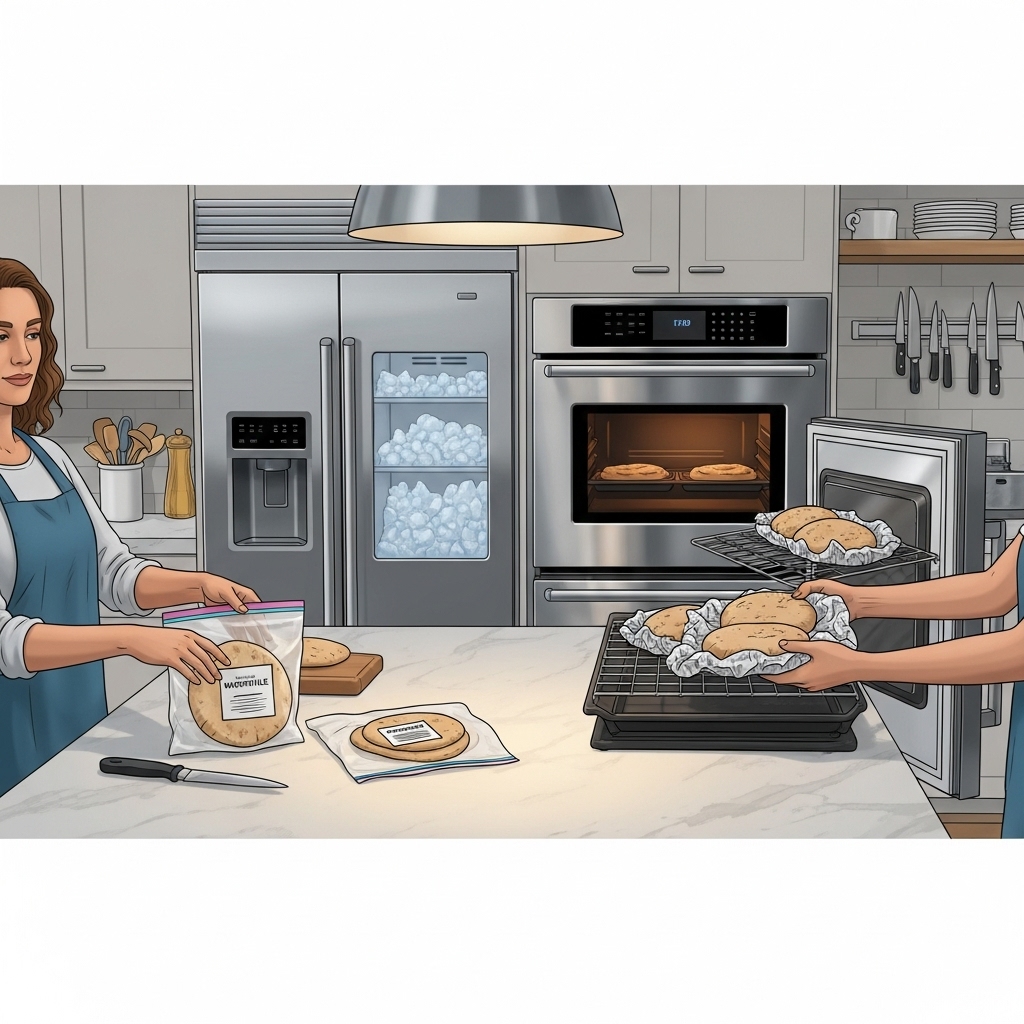
For Naperville households, pita bread is the weeknight workhorse that makes balanced meals come together fast. Whether you’re fueling up before a stroll along the Riverwalk or assembling a quick dinner after a game at the neighborhood fields, the difference between a great pita and a disappointing one often comes down to storage and warming. Done properly, yesterday’s pita can taste like it just left the oven—soft, fragrant, and ready to cradle crisp vegetables and savory fillings. Done poorly, even a fresh pita can turn brittle or tough. The good news is that a few thoughtful habits will keep your pitas at their best, no matter the season or schedule.
Let’s start with an essential mindset: treat pita like a delicate, living thing. It responds to temperature, humidity, and time. In Naperville’s changing climate—humid summers, dry winters—those variables matter. Understanding how to protect moisture and revive elasticity will make your pitas more reliable and your meals more enjoyable. If you need flavor ideas while you master the technique, browsing a Mediterranean menu can guide you toward fillings and sauces that complement a perfectly warmed bread.
Short-term storage: the first 48 hours
When you bring pita home, think about your plan for the next two days. If you’ll use it within 24 to 48 hours, store it at room temperature in airtight packaging, away from heat and direct sunlight. Bread stales fastest when exposed to air and fluctuating temperatures, so keep the package sealed tightly. If you notice condensation inside, open the package briefly to let excess moisture escape, then reseal. That small step prevents the surface from becoming tacky and keeps the crumb soft.
Room temperature storage works well for busy Naperville weekdays because it keeps pitas ready to go for lunch boxes and quick dinners. When morning rush hits, you can assemble a pocket in minutes without battling the chill of the refrigerator or the planning required for thawing.
Freezing for freshness
For anything you won’t eat within two days, freezing is your best friend. Portion pitas into meal-sized stacks—two or four per bundle—and press out as much air as possible before sealing. A double layer helps: wrap in plastic or parchment, then slide into a freezer bag and press the air out. Label with the date so you can rotate stock efficiently. Frozen quickly and protected from air, pitas retain their softness and aroma remarkably well.
When you’re ready to use them, thaw at room temperature while you prep fillings. Avoid thawing in the refrigerator, which can accelerate staling. If you’re in a rush, you can reheat straight from frozen using the oven method below; the key is gentle heat and moisture control so the surface doesn’t dry out while the center warms.
Refrigeration: use with caution
It’s tempting to refrigerate bread to “keep it fresh,” but cold temperatures actually speed up staling. If you must refrigerate—say, on a hot and humid August day—wrap pitas tightly and reheat gently before serving. Even then, freezing remains the better long-term option. Naperville’s summer humidity can make room-temperature storage tricky, so don’t hesitate to freeze extras promptly and thaw only what you need.
When you return from a grocery run in warm weather, divide and freeze as soon as you unload. That small habit ensures you always have tender, ready-to-warm pitas on hand for weeknight meals.
Warming methods that work
Rewarming pita is equal parts temperature and timing. Gentle heat restores elasticity; excessive heat dries and toughens. Choose the method that matches your kitchen routine and meal plan.
For speed and great texture, a dry skillet is hard to beat. Preheat over medium heat, then warm each pita for 30 to 45 seconds per side. You should see small bubbles and feel the bread soften. Flip once or twice; avoid pressing down, which can squeeze out steam. For a touch of char and smoky flavor—especially satisfying on chilly evenings—extend the time slightly and let spots darken.
The oven offers consistency and is ideal for warming several pitas at once. Wrap a stack in foil and bake at a moderate temperature for a few minutes until soft and pliable. The foil traps moisture, preventing dryness. If the pitas are very dry, sprinkle a few drops of water on the surface before wrapping; the generated steam brings them back to life.
If you’re using a microwave because the dinner rush is real, wrap each pita in a barely damp paper towel and heat in short bursts. Serve immediately; as microwaved bread cools, it can become tough. For families, this method works best when everyone is ready to sit down the moment the pitas come out.
Opening pockets without tears
Even well-stored pita can tear if opened cold. Warm the bread first to encourage flexibility. Then use a sharp knife to cut along the edge and slide your fingers in to separate layers. If the pocket resists, let the pita rest for a few seconds after warming; residual steam will relax the interior. Pre-opening all pitas before assembling a family dinner keeps the pace smooth, especially if kids are helping.
For half pockets, cut the pita in half first, then open each side. Smaller pockets are less likely to overfill and tear, a practical strategy for school lunches and on-the-go meals near downtown.
Preventing sogginess during assembly
Great storage and warming can be undone by soggy assembly. The order of ingredients matters. Start with a spread to create a moisture barrier—hummus, tahini, or a strained yogurt sauce—then add firm vegetables like cucumbers and peppers. Place juicier items such as tomatoes or marinated salads toward the center of the pocket, and finish with crisp greens near the bread. This structure keeps the surface tender while preserving crunch.
If lunch will sit for several hours, pack components separately and assemble on the spot. For Naperville offices with a toaster oven or breakroom skillet, a quick rewarm just before filling revives softness and brings the entire meal together.
Handling Naperville’s seasons
Seasonal shifts influence storage strategies. In winter’s dry air, pitas can lose moisture quickly. Keep them in airtight containers and warm gently to restore steam inside the crumb. In July and August, humidity can lead to condensation inside packaging; if you see moisture droplets, open the bag briefly to air them out before resealing. These small adjustments maintain the sweet spot between softness and structure.
Outdoor meals call for extra thought. For a summer picnic at Knoch Knolls, pack warm pitas wrapped in a towel inside an insulated bag and keep cold fillings on ice. For a fall game day, carry pitas in foil to maintain warmth and assemble on site. The bread’s quality holds when temperature and moisture are managed thoughtfully.
Batch prep for busy weeks
Naperville families thrive on routines that simplify evenings. Try a Sunday batch prep: warm a dozen pitas, open the pockets, and freeze them in small bundles. On a weeknight, pull out only what you need, rewarm briefly in foil, and you’re ready to assemble in minutes. This tactic minimizes last-minute tearing and ensures consistent texture even when schedules are tight.
Pair this with a simple rotation of sauces and vegetables. With the bread ready to go, you can swap between lemony yogurt one night and tahini the next, grilled chicken midweek and roasted vegetables on Friday. The constant is a soft, accommodating pita that makes dinner feel effortless.
Flavor and aroma revival
Sometimes a pita is technically soft but tastes flat. Aroma is part of freshness. A quick lesson from local kitchens: reheat just until you smell toasted wheat and feel the surface relax. That’s your cue to stop. Overheating drives off aroma and dries the surface. If you want more flavor, finish with a moment of higher heat for a hint of char, then serve immediately so the bread stays supple.
Don’t forget the power of contrast. Warm bread with cool fillings intensifies both. Crisp lettuce, chilled cucumbers, and a bright sauce stand out against a cozy pita, making a simple dinner feel restaurant-worthy without extra effort.
Rescuing mistakes
Even careful cooks hit snags. If your pita becomes too dry, brush lightly with water and warm in foil to rehydrate. If it’s soggy, unwrap and give it a short, uncovered warm in a skillet or oven to drive off moisture. If it tears, pivot to open-faced “boats” with a knife-and-fork approach rather than forcing a pocket. The goal is a satisfying meal, not perfection.
Over time, you’ll develop intuition about what each pita needs. You’ll notice when a few extra seconds in the skillet will help, or when restraint is smarter. That confidence makes weeknight dinners and on-the-go lunches more relaxing and more delicious.
Frequently Asked Questions
What’s the best way to store pita for two to three days?
Keep it at room temperature in airtight packaging away from heat and sunlight. If you won’t use it within two days, freeze promptly to preserve softness and aroma.
Can I thaw pita in the refrigerator?
It’s better to thaw at room temperature. Refrigeration accelerates staling. If you must refrigerate due to heat or humidity, rewarm gently before serving to restore elasticity.
How do I reheat multiple pitas at once?
Wrap a stack in foil and warm in the oven until soft. The foil traps steam and ensures even reheating. For added pliability, flick a few drops of water on the top pita before wrapping.
Why does my pita get tough after microwaving?
Microwaves heat unevenly and can drive off moisture quickly. Use short bursts with a damp paper towel and eat immediately. For better texture, use a skillet or oven when time allows.
How can I keep pitas warm for a picnic?
Pre-warm and wrap in a towel inside an insulated bag. Keep fillings in separate containers and assemble on site. In warm weather, limit time in the sun and reseal between servings.
If you’re ready to make every pita feel fresh from the oven, adopt a few of these storage and warming habits this week. Keep a small stash in the freezer, practice gentle reheating, and build lunches that stay crisp and lively. For quick pairing ideas that match what Naperville families are enjoying, glance at a Mediterranean menu, then let your kitchen take it from there with simple, satisfying meals.