
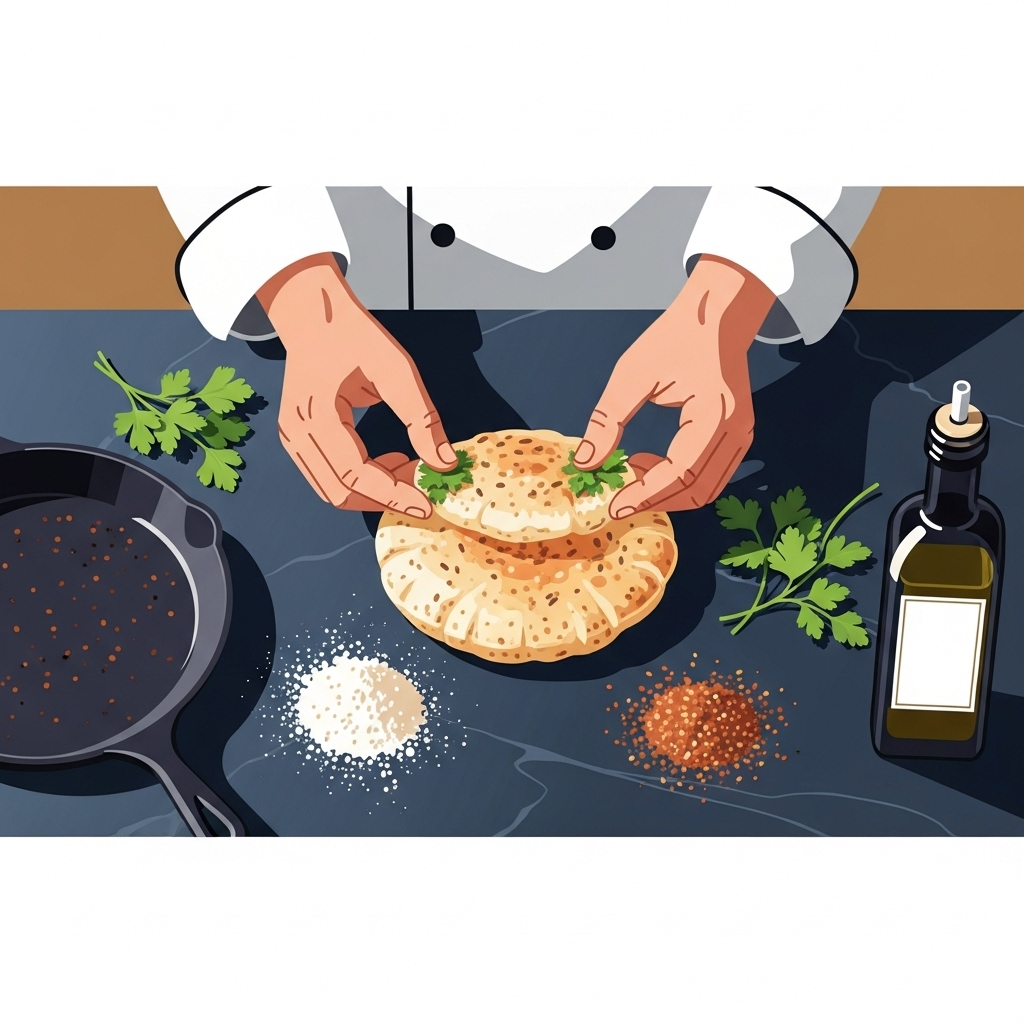
Ask anyone who eats their way across Naperville and you will hear the same observation: the city’s Mediterranean offerings have never been more vibrant. At the center of that momentum is pita bread, evolving from a familiar staple into a canvas for culinary creativity. The pace of change is visible downtown, along Ogden Avenue, and in neighborhood spots where chefs experiment with grains, fermentation, and fillings. Pita has become a bellwether for the broader dining scene—when the bread gets better, the whole plate follows. It is why so many locals start their meal planning by browsing a restaurant’s menu and hunting for pita‑forward dishes that capture what’s new.
Unlike trends that flame out, the current pita wave is anchored in substance. Bakers are rethinking doughs with ancient grains, home cooks are learning to coax reliable pockets from home ovens, and restaurants are showcasing pita in formats that range from handhelds to shareable dips. The bread’s adaptability lets chefs toggle between nostalgia and novelty without losing diners who crave comfort. As a result, Naperville’s pita scene feels inclusive: adventurous eaters get variety, traditionalists get authenticity, and families get weeknight practicality.
Grain diversity and better nutrition
One trend reshaping pita in town is the move toward diverse flours. Whole‑wheat has become a default option at many kitchens, but you will also see blends with spelt or barley for a heartier bite. These grains bring nuttiness and a deeper color that signal substance without sacrificing softness. For diners who prioritize fiber and sustained energy, the new grain mixes offer a satisfying upgrade, especially alongside bright salads and lean proteins. The shift mirrors Naperville’s broader wellness culture, where running clubs, bike paths, and active family schedules meet practical, delicious food choices.
Even when white flour remains the base, attention to fermentation is rising. Longer, cooler proofing develops flavor and tenderness while keeping the pocket’s structure intact. This is not just baker talk; you can feel the difference in how a pita bends and tastes. It becomes slightly more aromatic, with a gentle tang that partners beautifully with garlicky sauces and grilled meats. As these techniques spread, the average pita across town has become more reliable and more interesting.
From sidekick to star of the plate
Pita has moved from accessory to centerpiece. You see it in menus where the bread is not merely a delivery vehicle for dips but the main event. Chefs top just‑baked rounds with herb oils, sesame, or warmed spices so they arrive at the table crackling with fragrance. Folded sandwiches are being built with a sharper eye to texture—slaws that snap, pickles that sparkle, and sauces that gloss rather than swamp. This attention transforms a familiar handheld into something you’d cross town to eat on a lunch break near the Riverwalk.
Another expression of this star treatment is the “build‑your‑own” ethos. Diners choose a base protein, dial flavor with condiments and herbs, and finish with a quick warm‑through for the bread. The result is highly personalized yet cohesive—ideal for households juggling different palates without blowing up the dinner hour. When pita is central, the plate feels complete even in its simplest form.
Plant‑forward momentum
Naperville has embraced plant‑forward eating, and pita is the perfect bridge. Falafel remains a mainstay, but roasty, umami‑rich vegetables have joined the party: charred broccoli with lemon, spiced eggplant with tahini, and cauliflower dressed with warm chiles and herbs. Because pita plays nicely with acidity, heat, and crunch, chefs can layer complex flavors without heaviness. The bread keeps a handheld neat, letting you enjoy big flavors on a bench by the river or at a family table without a stack of utensils.
This momentum is as much about experience as it is about ingredients. Plant‑forward pitas tend to feel vivid and refreshing, which aligns with how Naperville residents like to eat at midday—satisfying, but not nap‑inducing. The format also welcomes curious young eaters, who often find vegetables more appealing when tucked into a soft, warm pocket with their favorite sauce.
Heat, char, and the skillet comeback
While traditional ovens still dominate, the skillet has staged a comeback in Naperville kitchens. Restaurants and home cooks alike are finishing pitas on cast iron to build a whisper of char and concentrate aroma. That quick kiss of heat tightens the surface slightly while keeping the interior pillowy, a contrast that makes every bite feel intentional. It is a simple move that yields a complex result—the kind of detail people mention when they recommend a spot to friends after a Saturday stroll downtown.
Heat management has also become a point of pride. Good kitchens warm bread to order rather than relying on holding drawers, a practice that preserves moisture and keeps edges from turning brittle. You will notice this in the way a sandwich remains cohesive to the last bite, and in how sauces read clearly without dilution.
Designing better handhelds
The best pita sandwiches in town share a design language. They start with a protective layer—often hummus or yogurt sauce—inside the pocket to guard against moisture. Next come crisp vegetables, then the main protein, and finally a finishing drizzle or sprinkle for brightness. This sequencing is not arbitrary; it keeps the structure intact, prevents sogginess, and ensures that each bite delivers contrast. As more kitchens adopt this approach, the average handheld in Naperville has gotten neater, cleaner, and more flavorful.
Texture diversity is another hallmark. Expect to see crunchy cabbage slaws, quick pickles, toasted seeds, and soft herbs that flutter through each bite. These elements elevate a simple lunch into something you look forward to, day after day. They also travel well, which matters for commuters and families shuttling between activities.
Digital menus and discovery
Naperville diners are planners, and digital tools shape how we eat. Detailed online menus and ordering platforms allow people to explore options before stepping out the door. If you are mapping a busy week, skimming a Mediterranean restaurant’s menu helps you spot pita dishes that fit your goals, whether that means extra vegetables, a certain protein, or a flavor profile you have been craving. This kind of pre‑planning makes weekday meals feel intentional rather than rushed.
Technology also supports transparency. Kitchens can highlight when pitas are baked or warmed to order, note whole‑grain options, and showcase seasonal sides that complement the bread. The result is a smoother experience for diners and a more efficient service flow for restaurants.
Community, comfort, and the shared table
Pita has always been good at bringing people together, and that’s especially true in Naperville. The bread invites tear‑and‑share moments over dips, encourages kids to assemble their own handhelds, and makes weeknight dinners feel convivial rather than transactional. Even takeout gains from a strong pita program, because a warm, pliant pocket keeps everything aligned on the short ride home from downtown to the neighborhoods off 95th Street.
As the city’s culinary scene broadens, pita remains a unifier. It allows chefs to explore global inspirations while keeping plates accessible, and it lets diners venture into new flavors without leaving behind the comfort they love. That combination—comfort plus curiosity—is a defining Naperville trait.
Where the trendline is heading
Expect more attention to freshness windows, more whole‑grain options, and more precise warming techniques. We will likely see pitas with subtle fermentation profiles, improved shelf life through better storage practices, and bolder vegetable‑centric fillings that travel well. Collaboration with local producers—herbs, greens, pickles—will deepen the sense of place on the plate. As these trends take hold, the everyday pita will continue to improve, and the gap between an average sandwich and a great one will be obvious even to casual diners.
For home cooks, the future looks hands‑on. Skillet finishes, short proofing cycles for weeknight bakes, and smarter freezing habits will make it easier to serve great pita without fuss. As techniques spread through neighborhood kitchens and cooking clubs, the line between restaurant and home experience will blur in the best way.
Frequently Asked Questions
Q: What makes a “trendy” pita different from a traditional one?
A: The fundamentals remain the same—steam‑created pockets and a soft, flexible crumb. What’s changing is the nuance: diverse grains for flavor and fiber, longer fermentation for aroma and tenderness, and more precise warming methods. These tweaks elevate pita without compromising its comforting core.
Q: Are whole‑grain pitas becoming standard in Naperville?
A: They are certainly more common. Many kitchens now offer whole‑wheat alongside classic white, and some blend grains like spelt for added depth. The goal is to increase nutrition while maintaining the soft, foldable texture diners expect.
Q: How can I get a charred finish at home?
A: Use a preheated cast‑iron skillet. Warm the pita until it softens, then let it sit for a few extra seconds to build light char. Brush with a bit of olive oil or sprinkle spices before heating if you want a fragrant finish. The contrast between a whisper of char and a pillowy interior is key.
Q: What are the best plant‑forward fillings for pita?
A: Charred broccoli with lemon, spiced eggplant with tahini, roasted cauliflower, and herb‑heavy salads are terrific. Balance moisture with texture: pair creamy elements like hummus with crisp slaws or pickles to keep the handheld lively.
Q: How do restaurants keep pita fresh during rushes?
A: Smart kitchens coordinate timing so bread is warmed to order as proteins and vegetables come together. They avoid long holding times and use brief reheats that awaken aroma without drying the crumb. This choreography preserves softness and spring.
Q: Will pita trends make weeknight meals more complicated?
A: Quite the opposite. The best trends emphasize simplicity with quality—quick skillet finishes, smarter storage, and balanced fillings. These approaches make it easier to put satisfying meals on the table without extra steps.
Hungry to try what’s new?
If you want to taste where Naperville’s pita scene is headed, plan a meal around a warm pocket loaded with crisp vegetables, vibrant herbs, and your favorite protein. Check a local Mediterranean menu, pick a pita‑forward dish that catches your eye, and enjoy how a humble bread is shaping some of the city’s most satisfying bites.